Why Vehicle Listing Optimisation Matters More Than Ever
Vehicle listing optimisation directly determines how many buyers discover your stock, with well-optimised listings generating up to three times more enquiries than poorly structured ones. The landscape has shifted dramatically beyond traditional classified sites, as buyers now search through Google, AI-powered platforms like ChatGPT and Perplexity, and voice assistants. Dealers who adapt their listing practices to this multi-channel reality gain significant competitive advantage, whilst those relying on outdated approaches watch enquiry rates decline. Effective optimisation requires understanding how different discovery channels interpret vehicle information, from keyword placement for traditional search to natural language descriptions for AI platforms.
The stakes have increased because buyer behaviour has fragmented across platforms. Some still browse AutoTrader-style filters, whilst others ask conversational questions like "show me reliable family SUVs under £15,000 in Birmingham". Your listings must perform across all these scenarios simultaneously. This comprehensive approach to visibility transforms stock turnover rates and reduces days-to-sale metrics that directly impact dealer profitability.
Writing Vehicle Descriptions That Convert Across All Platforms
Effective vehicle descriptions begin with the most important information in the opening sentence: make, model, year, mileage, and standout features. AI search engines and traditional algorithms both prioritise early content, so front-loading critical details ensures visibility regardless of how buyers search. A strong opening might read: "This 2021 BMW 3 Series Touring with 28,000 miles combines executive comfort with practical estate versatility, finished in Alpine White with full black leather interior."
Natural language matters increasingly as AI-powered search platforms interpret conversational queries. Write as though answering a buyer's direct question rather than listing specifications robotically. Instead of "ABS, ESP, traction control", try "Advanced safety systems including ABS, electronic stability control, and traction management provide confidence in all weather conditions". This approach satisfies both human readers and AI models trained on conversational text.
Structure descriptions with scannable paragraphs covering distinct themes: exterior condition and features, interior specification and condition, mechanical health and service history, practical benefits for the buyer's likely use case. Each paragraph should stand alone, allowing buyers who skim to extract key information quickly. Avoid generic dealer boilerplate that appears in every listing, as search algorithms penalise duplicate content and buyers ignore repetitive text.
Include specific details that answer common buyer questions pre-emptively. Rather than "good service history", specify "full BMW main dealer service history with stamps at 10,000, 20,000, and 28,000 miles, plus MOT valid until March 2027". Concrete information builds buyer confidence and reduces the qualification questions dealers must answer individually. For guidance on creating descriptions optimised for modern discovery channels, explore how to write vehicle descriptions that convert on AI search engines.
Photography Standards That Maximise Engagement
Professional-quality photography remains the single most influential factor in listing performance, with vehicles featuring comprehensive image sets receiving 67% more clicks than those with minimal photos. Buyers form immediate judgements based on visual presentation, and poor photography signals either vehicle condition concerns or dealer unprofessionalism. Neither perception serves your commercial interests.
Capture a minimum of 20-25 images covering all angles: front three-quarter, rear three-quarter, both sides, front grille, rear lights, all four wheels individually, engine bay, boot space, and comprehensive interior shots. Interior coverage should include dashboard, driver's seat position, rear seats, centre console, door cards, and any premium features like panoramic roofs or upgraded audio systems. Buyers want to visualise themselves in the vehicle, which requires showing the cabin from multiple perspectives.
Lighting and background matter enormously. Photograph vehicles in natural daylight, avoiding harsh midday sun that creates unflattering shadows. Overcast conditions provide even, flattering light that accurately represents colours. Clean, uncluttered backgrounds keep focus on the vehicle itself. A busy forecourt with other stock visible distracts and diminishes perceived value. The debate between stock photography versus real photos has been settled: authentic images of the actual vehicle build trust and convert better.
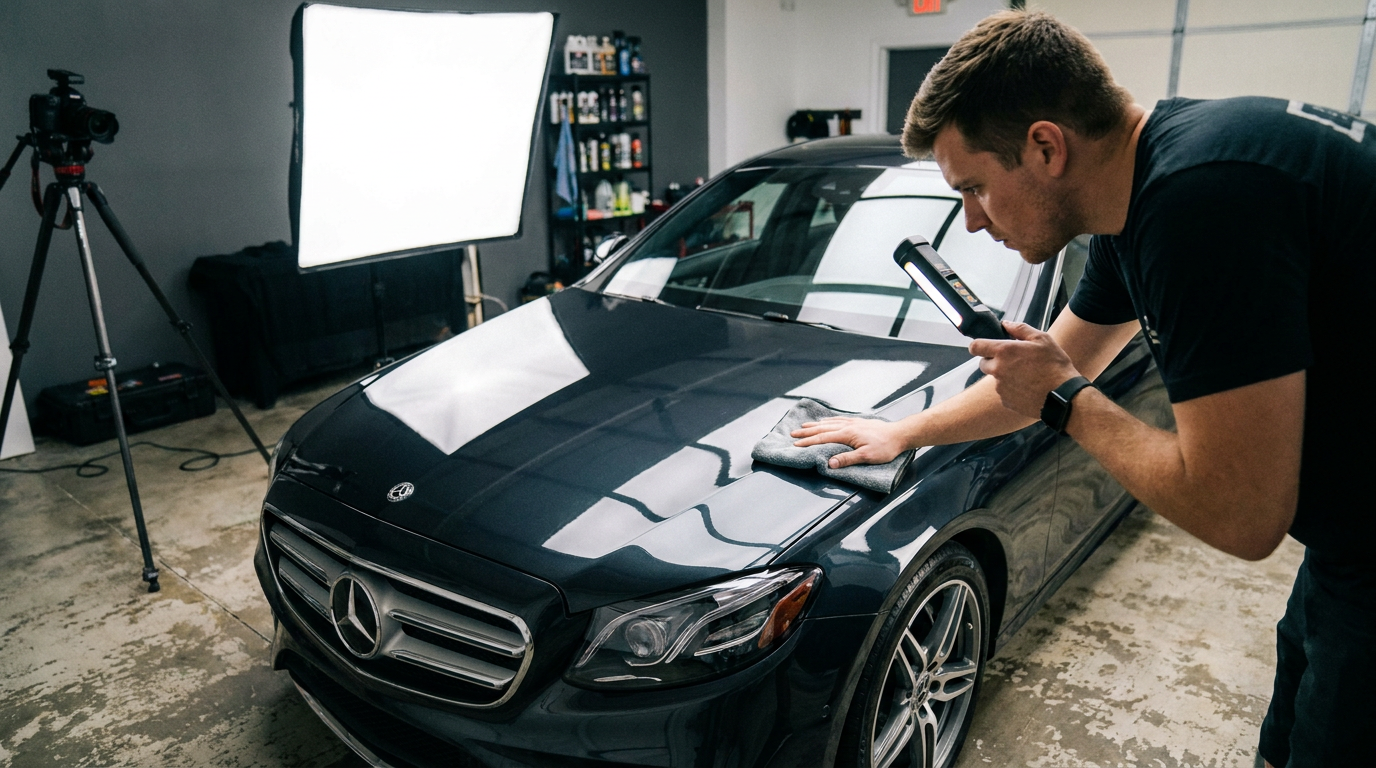
Clean vehicles thoroughly before photography. Buyers interpret dirt, clutter, or poor presentation as indicators of mechanical neglect, even when unfair. A £20 valet investment yields returns through faster sales and stronger negotiating positions. Remove dealer branding from windscreens during photography, as buyers focus on the vehicle rather than your promotional materials.
Technical Specifications and Data Accuracy
Complete, accurate technical data forms the foundation of listing visibility across all platforms. Search algorithms match buyer queries to specification fields, so missing data means missed opportunities. Every listing should include comprehensive details: exact engine size and configuration, transmission type, fuel type, body style, door count, seat count, colour (both exterior and interior), previous owners, registration date, MOT expiry, tax band, and emissions figures.
Data accuracy protects both dealer reputation and legal compliance. Incorrect mileage, specification, or history information constitutes misrepresentation under consumer protection law, exposing dealers to financial penalties and reputational damage. Verify all details against V5C documents, service records, and manufacturer specifications before publishing. When uncertain about a specification, research thoroughly or omit rather than guess.
Structured data fields enable filtering and comparison shopping, the primary discovery method for many buyers. A vehicle missing fuel type information won't appear when buyers filter for diesel or petrol. Incomplete body type data excludes listings from estate or SUV searches. Systematic completeness across your entire stock feed ensures maximum visibility across all buyer search patterns.
Integration with vehicle intelligence sources adds credibility and buyer confidence. Displaying MOT history, finance settlement status, and specification verification from trusted databases reassures buyers and reduces enquiry friction. Platforms that aggregate data from multiple sources provide comprehensive vehicle profiles that answer buyer questions before they ask.
Pricing Strategy for Maximum Visibility and Conversion
Competitive pricing directly influences listing visibility, as most platforms incorporate price-based ranking signals. Overpriced vehicles receive less prominent placement and fewer impressions, creating a negative feedback loop. Research comparable vehicles rigorously: same make, model, year, mileage range, and specification level within your geographic market. Price within 5-10% of market average to maintain algorithmic favour whilst preserving margin.
Transparency builds trust and reduces buyer hesitation. Display the full price prominently, avoiding "POA" or contact-for-price approaches that frustrate modern buyers and harm search visibility. If finance options are available, show representative examples with clear APR and deposit requirements. Hidden pricing signals dealer reluctance to compete openly, pushing buyers toward more transparent competitors.
Regular price reviews keep listings competitive as market conditions shift. Vehicle values fluctuate with seasonal demand, fuel price changes, and regulatory updates like 2026 VED rule changes that affect running costs. Stock sitting beyond 45 days requires price evaluation, as prolonged listing duration itself becomes a negative signal to buyers questioning why others haven't purchased.
Consider regional pricing variations when setting values. Identical vehicles command different prices in London versus rural Scotland, reflecting local demand patterns, income levels, and competitive intensity. Dealers operating across multiple regions should adjust pricing to local market realities rather than applying uniform national pricing.
Platform Selection and Multi-Channel Distribution
Strategic platform selection balances reach, cost, and traffic quality. Traditional paid marketplaces offer established buyer traffic but impose substantial costs through listing fees, subscriptions, and commission structures. The true cost of listing vehicles on UK marketplaces often exceeds £3,500 monthly for comprehensive coverage, consuming significant portions of gross profit.
Zero-commission platforms provide cost-effective alternatives, particularly for independent dealers operating on tight margins. These platforms connect buyers directly with dealer websites rather than intermediating the relationship, preserving customer data ownership and enabling direct relationship building. The economics of zero-commission vehicle marketplaces demonstrate how eliminating intermediary costs benefits both dealers and buyers through improved margins and competitive pricing.
Multi-platform distribution maximises visibility but requires efficient stock feed management. Manually updating listings across multiple sites creates administrative burden and risks data inconsistencies that confuse buyers and damage credibility. Automated stock feed systems maintain synchronisation across platforms, ensuring price changes, status updates, and new stock appear consistently everywhere. For dealers managing presence across multiple channels, stock feed management best practices streamline operations and reduce errors.
Your own website remains the most valuable distribution channel, as it builds brand equity and customer relationships without intermediary costs. Optimising your dealer website for search visibility and user experience creates a sustainable traffic source independent of marketplace dependency. Strong website performance reduces reliance on paid platforms and improves negotiating leverage when marketplace contracts come up for renewal.
Optimising for AI Search Engines and Voice Assistants
AI-powered search platforms interpret queries differently than traditional keyword-based systems, requiring adjusted optimisation approaches. These platforms understand context, synonyms, and conversational language, matching buyer intent rather than exact keyword phrases. A buyer asking "show me reliable family cars with low running costs" receives results based on semantic understanding of reliability indicators, family-friendly features, and fuel efficiency rather than exact phrase matching.
Structure listings to answer common questions directly within the description. Include phrases like "ideal for families" or "excellent fuel economy" that align with how buyers describe their needs conversationally. AI models trained on natural language perform better with descriptive, informative content than keyword-stuffed specifications. The shift toward optimising vehicle listings for AI search and voice assistants represents the next evolution in discovery optimisation.
Voice search queries tend toward longer, more specific phrases than typed searches. Buyers ask complete questions: "What's the best used electric car under £20,000?" rather than typing "used electric car £20k". Listings containing natural answers to these questions gain visibility in voice results. Include FAQ-style content within descriptions addressing common buyer concerns specific to that vehicle type.
Schema markup and structured data help AI platforms extract and present vehicle information accurately. Properly tagged specifications enable AI systems to understand and compare vehicles systematically, improving match quality between buyer queries and your listings. Technical implementation requires coordination with your website platform or listing service provider, but the visibility benefits justify the effort.
GDPR Compliance in Vehicle Listing and Buyer Contact
Data protection compliance protects dealers from regulatory penalties whilst building buyer trust through transparent data handling. Vehicle listings themselves rarely contain personal data, but the enquiry process immediately creates GDPR obligations as buyers share contact details and potentially financial information. Clear privacy policies and consent mechanisms must be in place before collecting any buyer data.
Lawful basis for processing buyer enquiries typically relies on legitimate interest: the buyer has contacted you about a specific vehicle, creating reasonable expectation you'll respond and maintain records of that conversation. However, using contact details for broader marketing requires explicit consent. Distinguish clearly between responding to the specific enquiry and adding contacts to general marketing databases. For comprehensive guidance, review GDPR best practices for vehicle dealers handling buyer enquiries.
Data retention policies must balance business needs with privacy principles. Enquiry records serve legitimate purposes including consumer protection compliance and dispute resolution, but indefinite retention violates GDPR requirements. Establish clear retention schedules: perhaps 12 months for unsuccessful enquiries, longer for actual customers where ongoing service relationships exist. Document your retention policies and implement them systematically.
Third-party platforms handling enquiries on your behalf create data processor relationships requiring written agreements. Ensure marketplace platforms, CRM systems, and communication tools provide adequate GDPR safeguards and process data only according to your instructions. You remain the data controller responsible for compliance, even when technical processing occurs elsewhere. Understanding GDPR-compliant vehicle listing and buyer data handling protects your business from regulatory risk.
Measuring Listing Performance and Continuous Improvement
Systematic performance measurement identifies which optimisation efforts deliver results and which need adjustment. Track key metrics for each listing: impressions (how many buyers saw it), clicks (how many viewed the full listing), enquiries (how many contacted you), and ultimately conversions (how many purchased). These metrics reveal the entire funnel from visibility through to sale.
Compare performance across similar vehicles to isolate optimisation factors. If two similar vehicles receive dramatically different enquiry rates, analyse the differences: photography quality, description completeness, pricing, or platform placement. Controlled comparisons reveal which factors matter most for your specific stock mix and buyer audience.
Platform analytics provide visibility into buyer search behaviour. Which keywords or filters led buyers to your listings? What geographic areas generate most enquiries? Which vehicle categories attract strongest interest? These insights inform both listing optimisation and broader inventory purchasing decisions. Stock the vehicles buyers actively seek rather than guessing at demand.
Regular optimisation reviews keep listings competitive as market conditions evolve. Monthly audits checking description quality, photo freshness, pricing competitiveness, and data completeness maintain listing performance. Vehicles sitting beyond target days-to-sale thresholds require immediate attention: fresh photography, revised descriptions, price adjustments, or platform changes to reinvigorate buyer interest.
Frequently Asked Questions
How many photos should a vehicle listing include?
A minimum of 20-25 high-quality images provides comprehensive coverage that satisfies buyer expectations and maximises engagement. Include exterior angles from all sides, detailed interior shots showing dashboard, seats, and features, plus engine bay and boot space. More images correlate directly with higher enquiry rates, as buyers can thoroughly evaluate condition without visiting in person. Professional presentation across all images matters more than sheer quantity, so prioritise quality and consistency throughout the set.
Should I use the same listing across all platforms?
Core information (specifications, price, key features) should remain consistent across platforms to avoid buyer confusion and maintain credibility. However, adapt descriptions to each platform's audience and format requirements. Some platforms favour detailed technical specifications, whilst others perform better with conversational, benefit-focused descriptions. Maintain factual consistency whilst optimising presentation for each channel's specific characteristics and buyer expectations.
How often should I update vehicle listings?
Update listings immediately when material changes occur: price adjustments, specification corrections, status changes (sold, reserved), or new information (fresh MOT, service completion). For listings receiving poor performance, refresh descriptions and photography every 30-45 days to reinvigorate buyer interest. Regular minor updates signal active management to both algorithms and buyers, potentially improving visibility. However, avoid changing core information unnecessarily, as consistency builds trust and algorithmic confidence.
Do I need different listings for cars, vans, and motorbikes?
Yes, each vehicle category requires tailored approaches reflecting different buyer priorities and search behaviours. Car buyers focus heavily on comfort, technology, and running costs. Van buyers prioritise payload capacity, reliability, and total cost of ownership for business use. Motorcycle buyers emphasise performance characteristics, riding position, and enthusiast appeal. Adapt descriptions, photography emphasis, and highlighted features to match what each buyer type values most when making purchase decisions.
How important is pricing transparency in listings?
Pricing transparency critically influences both search visibility and conversion rates. Listings displaying clear, complete prices receive preferential algorithmic treatment and generate significantly higher enquiry rates than those requiring contact for pricing. Modern buyers expect immediate price information and interpret its absence as dealer reluctance to compete openly. Display full prices prominently, including any additional fees or charges, to build trust and reduce friction in the buyer journey from discovery through to enquiry.