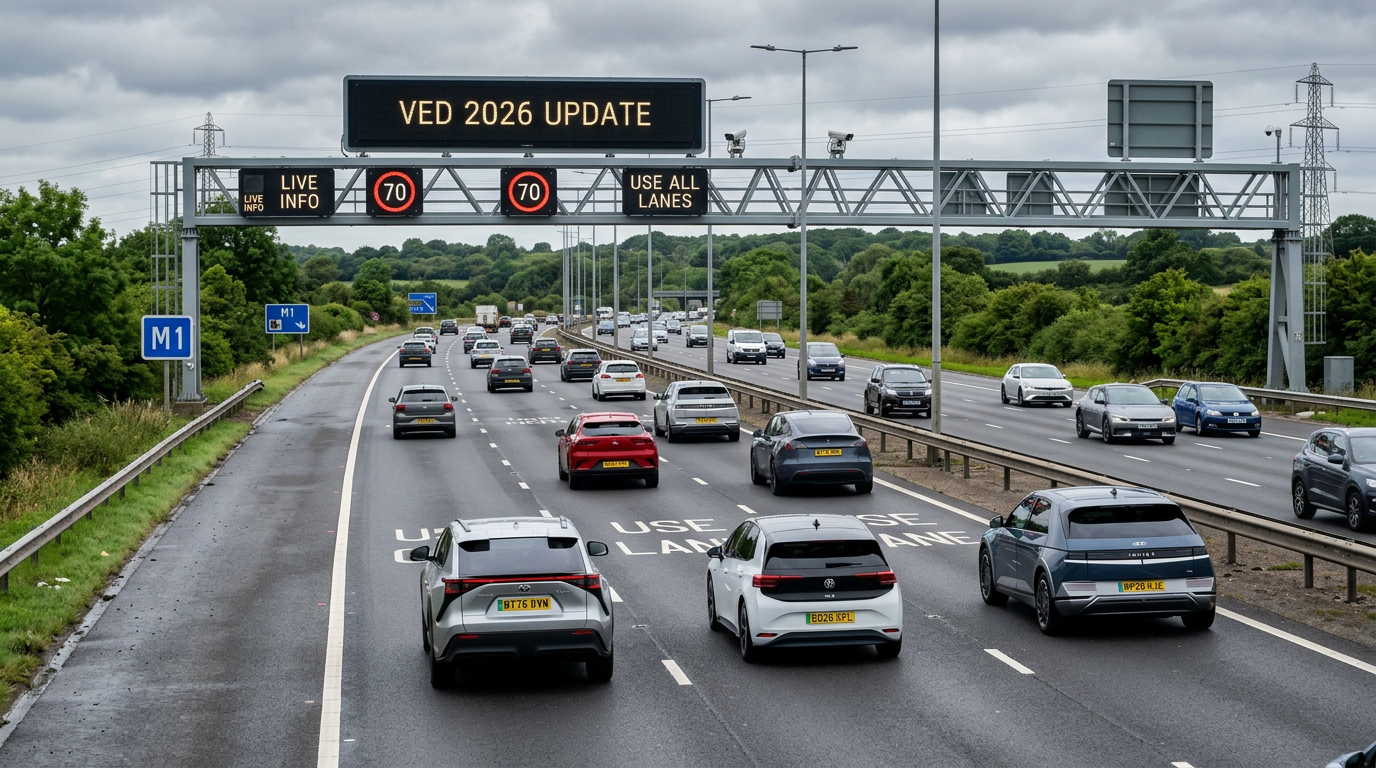
For decades, electric vehicle (EV) owners in the UK enjoyed a "free ride" when it came to Vehicle Excise Duty (VED). However, as of fiscal year 2025/26, the landscape has shifted permanently. Whether you drive a zero-emission Tesla, a frugal hybrid, or a high-performance petrol SUV, the UK car tax 2026 landscape contains significant changes that will impact your motoring budget.
At CarsLink.ai, we’ve analysed the latest DVLA mandates and Treasury updates to bring you this definitive guide to navigating the 2026 VED rules.
The End of the £0 Tax Era for EVs
The most significant shift in electric vehicle tax UK policy began in April 2025, but 2026 marks the first full renewal cycle for many who were caught off guard. Previously, EVs were exempt from VED to incentivise the transition away from fossil fuels. Now, the government has harmonised the system to ensure all road users contribute to infrastructure maintenance.
What EV Owners Now Pay
New electric vehicles registered on or after 1 April 2025 are now subject to the lowest first-year rate of VED (currently £10), moving to the standard annual rate in the second year. For the 2026/27 tax year, most EV drivers will find themselves paying the standard rate, which tracks with inflation.
| Vehicle Type | First Year Rate (2026) | Standard Annual Rate (Year 2+) |
|---|---|---|
| Electric Vehicles (EV) | £10 | £190* |
| Hybrid (Alternative Fuel) | Based on CO2 | £180* |
| Petrol/Diesel (Standard) | Based on CO2 | £190* |
*Note: Rates typically rise each April in line with the Retail Price Index (RPI).
The "Expensive Car Supplement" Trap
This is the "hidden" cost that is catching many 2026 car buyers by surprise. The Expensive Car Supplement applies to vehicles with a list price of over £40,000.
Historically, EVs were exempt from this additional levy. However, since April 2025, any EV with a list price over £40,000 must pay an additional supplement for five years (from the second year of registration). With the average price of many premium EVs and even mid-range SUVs now hovering around this mark, a significant portion of UK drivers are now facing an annual tax bill of over £600.
If you are browsing for your next vehicle on CarsLink.ai, always check the original list price—not just what you paid for it second-hand—as the supplement follows the vehicle, not the owner.
VED Rates for Petrol and Diesel Cars in 2026
For those sticking with internal combustion engines (ICE), the graduated VED system remains based on CO2 emissions measured via the WLTP (Worldwide Harmonised Light Vehicles Test Procedure).
The 2026 bands have seen an inflationary "creep," making high-emission vehicles significantly more expensive to tax in their first year:
- 0 g/km: £10 (First Year)
- 1-50 g/km: £10 - £30 (First Year)
- Over 255 g/km: Expect first-year charges to exceed £2,700 for the most polluting performance cars or heavy 4x4s.
The Diesel Surcharge
Diesel cars that do not meet the RDE2 (Real Driving Emissions Step 2) standards continue to face a higher tax band. In 2026, almost all new diesels meet this standard, but if you are buying a used car from the late 2010s, checking the V5C document is essential to avoid the surcharge.
Important DVLA Road Tax Changes for 2026
The DVLA road tax changes aren't just about the numbers; they are about how you manage your vehicle’s legality.
- Digital V5C and Tax Reminders: The DVLA has further digitised the process. Paper tax discs are a distant memory, but 2026 sees more robust integration with the "Check MOT" and "Check Tax" digital interfaces.
- Direct Debit Logic: If you pay your VED via monthly Direct Debit, be aware that you will pay an additional 5% surcharge compared to a single annual payment.
- Automatic SORN: If your vehicle is off the road, a Statutory Off Road Notification (SORN) is still mandatory. Failure to SORN or tax a vehicle flagged by ANPR cameras results in automatic fines.
ULEZ, CAZ, and Local Levies
While VED (Road Tax) is a national fee paid to the DVLA, don't confuse it with local emission zone charges. As of 2026, London’s ULEZ and various Clean Air Zones (CAZ) in cities like Birmingham, Bristol, and Manchester operate under different criteria. Even if you pay your 2026 VED, if your older diesel car doesn't meet Euro 6 standards, you may still face daily charges of £12.50 or more in these zones.
Buying a Car in 2026: Tax Considerations
Whether you are looking at PCP, HP, or a cash purchase, the VED must be factored into your total cost of ownership (TCO).
- Used Cars (Pre-2017): If you are buying a car registered between 2001 and March 2017, your tax is still based on the old CO2 bands. Many small petrol cars from this era remain incredibly cheap to tax (£0 or £20/year).
- The £40k Threshold: When buying a "nearly new" 2025 or 2026 model, verify if the Expensive Car Supplement applies. It can add nearly £2,000 to the cost of ownership over five years.
- Tax Refunds: If you sell your car, the DVLA will automatically refund any full remaining months of tax to you, but the new owner cannot "take over" your tax. They must retax the vehicle before driving it away.
Summary: Is Your Car Costing You More?
The 2026 VED rules represent a "new normal." The government has successfully transitioned the tax base to include electric vehicles, ensuring that the loss of fuel duty revenue is partially offset by road tax.
Key Takeaways for 2026:
- EVs are no longer tax-exempt.
- The £40,000 price threshold is the new "tax ceiling" to avoid.
- Annual inflation-linked rises mean your tax will likely be higher than last year.
At CarsLink.ai, we make it easy to understand the true cost of your next vehicle. Our platform provides transparent data on emissions and tax implications, residential ULEZ compliance, and the best financing options for your budget.
Ready to find a tax-efficient car for 2026? [Search the latest stock on CarsLink.ai today].