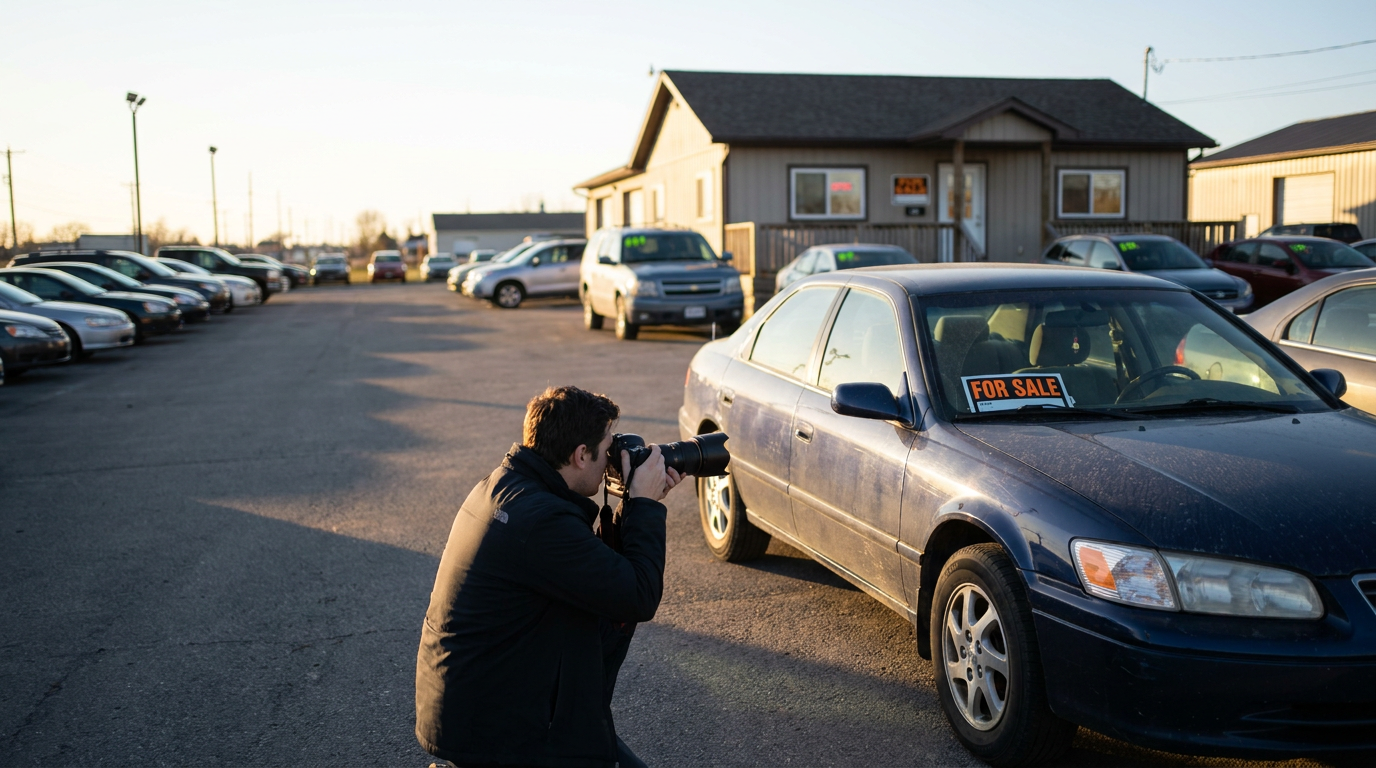
Why Real Photos Outperform Stock Images in Vehicle Listings
Real photographs of actual vehicles consistently outperform stock imagery in conversion rates, buyer engagement, and enquiry quality. When a prospective buyer views a vehicle listing, they are evaluating a specific asset with unique condition, mileage, and provenance. Stock photography, by definition, depicts a different vehicle entirely, creating an immediate trust deficit that undermines the entire sales process. Buyers want to see the exact car, van, or motorbike they might purchase, including its current condition, any imperfections, and how it has been maintained by the dealer.
The disconnect between stock imagery and reality creates friction at every stage of the buyer journey. A potential customer who travels to view a vehicle after seeing stock photos often discovers discrepancies in colour, trim level, wheel design, or condition. This experience damages dealer reputation and wastes time for both parties. Conversely, comprehensive real photography sets accurate expectations, pre-qualifies serious buyers, and demonstrates transparency that builds confidence before the first contact.
The Trust Factor: Authenticity in Online Vehicle Sales
Trust is the fundamental currency in used vehicle transactions. Buyers making four-figure or five-figure purchasing decisions need reassurance that what they see online matches what they will find on the forecourt. Stock photography immediately signals one of two possibilities to experienced buyers: either the dealer does not physically possess the vehicle, or they are unwilling to invest minimal effort in proper presentation. Neither interpretation encourages confidence.
Real photographs communicate that the dealer has the vehicle in stock, has inspected it, and stands behind its condition. This transparency becomes particularly valuable when optimising vehicle listings for AI search engines, where authenticity signals help algorithms assess listing quality and relevance. AI systems increasingly evaluate image metadata, consistency across photos, and visual authenticity as ranking factors.
Dealers who consistently use real photography develop reputational equity. Buyers who have positive experiences share listings with family and friends, knowing the images accurately represent what they saw in person. This word-of-mouth effect multiplies the value of authentic photography far beyond individual transactions.
Conversion Metrics: How Real Photos Impact Buyer Behaviour
Real vehicle photography drives measurable improvements across key performance indicators. Listings with authentic photos generate higher click-through rates from search results, longer time-on-page metrics, and increased enquiry rates compared to stock image equivalents. The visual evidence allows buyers to self-qualify their interest before contacting the dealer, resulting in higher-quality leads from genuinely interested parties.
When buyers can examine actual condition through multiple angles, interior shots, and detail images, they arrive at viewings with realistic expectations and higher purchase intent. The pre-qualification effect reduces time spent with tyre-kickers and increases the proportion of showroom visits that convert to sales. For dealers operating on direct-to-dealer traffic models, this efficiency gain translates directly to improved profitability per listing.
The detail visible in real photography also enables buyers to spot features they value. A well-maintained interior, recently replaced tyres, or optional equipment become selling points that stock imagery cannot convey. These tangible details justify asking prices and differentiate similar vehicles in competitive market segments.
What Buyers Actually Look For in Vehicle Photos
Buyers examining vehicle listings follow predictable visual patterns. They begin with exterior shots to confirm colour, body style, and overall condition. They then scrutinise wheels and tyres for wear indicators, check panel gaps and paintwork for accident damage, and examine glass and lights for chips or condensation. Comprehensive real photography anticipates these concerns and addresses them proactively.
Interior photography reveals the condition that most directly impacts daily ownership experience. Buyers assess seat wear, dashboard condition, steering wheel patina, and cleanliness. They look for signs of smoking, pet damage, or excessive wear inconsistent with stated mileage. When dealers provide clear interior shots, they answer questions before they are asked, reducing friction in the sales process.
Engine bay photos, boot space images, and undercarriage shots (where practical) serve specialist audiences. Enthusiast buyers and trade purchasers use these images to assess maintenance history and identify potential issues. While not every buyer examines every photo, providing comprehensive coverage ensures that detail-oriented customers find the reassurance they need to proceed with confidence.
The Stock Photography Trap: When and Why Dealers Use It
Dealers resort to stock photography for several reasons, most of which reflect operational constraints rather than strategic choices. High-volume operations may struggle to photograph every vehicle promptly, particularly during busy periods or when stock turns over rapidly. Some dealers use stock images as placeholders until vehicles are prepared and photographed, though this practice risks displaying outdated listings.
Cost concerns sometimes drive stock image usage, particularly among dealers unfamiliar with modern smartphone camera capabilities. The perception that professional photography requires expensive equipment or specialist skills leads some to default to manufacturer-supplied stock images. In reality, effective vehicle photography requires only consistent lighting, clean vehicles, and attention to composition, all achievable with standard mobile devices.
Some platforms historically made stock imagery the path of least resistance, pre-populating listings with manufacturer photos based on make, model, and year. This convenience came at the cost of authenticity and conversion performance. Dealers who accepted default settings without considering the impact on buyer trust inadvertently undermined their own sales effectiveness.
Creating Effective Real Photography: Practical Standards
Effective vehicle photography follows straightforward principles that any dealer can implement. Clean the vehicle thoroughly before photography, addressing both exterior and interior presentation. Choose consistent lighting conditions, preferably overcast daylight that minimises harsh shadows and reflections. Select uncluttered backgrounds that keep attention on the vehicle rather than surrounding environment.
Capture a standard set of angles for every vehicle: front three-quarter, rear three-quarter, both side profiles, front and rear straight-on, and interior shots covering dashboard, front seats, rear seats, and boot. This consistency helps buyers compare vehicles and ensures no critical angles are omitted. Additional detail shots highlighting condition issues, service history documentation, or desirable features add value for thorough researchers.
Image quality matters, but perfection is not required. Modern smartphone cameras produce adequate resolution for online listings. Ensure images are sharp, properly exposed, and accurately represent colour. Avoid heavy filters or editing that misrepresents condition. The goal is accurate documentation, not artistic photography. When writing vehicle descriptions that convert, pair honest photography with transparent copy that acknowledges both strengths and any condition notes.
Stock Photos and Brand Perception: The Hidden Cost
Stock photography carries reputational costs that extend beyond individual listings. Buyers who encounter stock images across a dealer's inventory may question whether the business actually stocks vehicles or operates as a broker. This perception is particularly damaging for dealers emphasising their physical presence, preparation standards, and after-sales support.
The use of stock imagery also signals priorities to potential customers. When a dealer invests in real photography, they communicate that presentation matters, details count, and customer experience is valued. Conversely, reliance on generic images suggests a transactional approach focused on volume rather than quality. These subtle signals influence buyer decisions, particularly when comparing similar vehicles from multiple dealers.
For dealers building long-term customer relationships and repeat business, brand perception compounds over time. Customers who purchase based on accurate photography and transparent presentation become advocates. Those disappointed by stock image misrepresentation share negative experiences and damage dealer reputation in local markets and online reviews.
Integration with Modern Vehicle Discovery Platforms
Platforms that prioritise direct dealer connections depend on authentic content to maintain buyer trust. When every click routes directly to dealer websites rather than retaining traffic on a third-party marketplace, the quality of that traffic becomes paramount. Real photography ensures that visitors arriving at dealer sites are genuinely interested in specific vehicles, having already seen accurate representations.
AI-powered search systems increasingly evaluate image authenticity as a quality signal. Platforms using natural language processing and computer vision can detect stock photography and may deprioritise such listings in favour of authentic content. Dealers who invest in real photography position themselves advantageously as search technology evolves, particularly on platforms where AI search is changing vehicle discovery.
Stock feed integrations work most effectively when dealers provide real images through their DMS or website systems. Automated feeds that pull authentic photography maintain consistency across multiple advertising channels while preserving the trust benefits of real imagery. This integration approach supports dealers operating across multiple vehicle body types and stock categories without requiring separate photography workflows.
The Mobile Buyer: Photography for Smartphone Screens
Most vehicle research now occurs on mobile devices, where image quality and loading speed both matter. Real photography optimised for mobile viewing requires adequate resolution without excessive file sizes that slow page loading. Images should remain clear when viewed on smaller screens, with sufficient detail visible in thumbnail previews to encourage click-through.
Mobile buyers often browse listings during commutes, lunch breaks, or evening research sessions. They scroll quickly through multiple options, making snap judgements based on primary images. Real photography that immediately communicates condition and appeal captures attention in ways that generic stock images cannot. The specificity of actual vehicle photos helps listings stand out in crowded search results and social media feeds.
Touch-based interfaces on mobile devices make image galleries particularly important. Buyers expect to swipe through multiple photos, zooming into areas of interest. Comprehensive real photography supports this behaviour, allowing mobile users to conduct thorough inspections remotely before deciding whether to visit in person or request additional information.
Cost-Benefit Analysis: Photography Investment vs Returns
The investment required for real vehicle photography is minimal compared to potential returns. A smartphone with a decent camera, basic cleaning supplies, and 15-20 minutes per vehicle represents the total cost for most dealers. This modest investment generates listings that convert at higher rates, attract more qualified leads, and support premium pricing through transparency and trust.
Compare this to the costs of wasted viewings with unqualified buyers, reputation damage from misrepresented vehicles, or lost sales to competitors using authentic photography. The opportunity cost of stock imagery compounds across every listing, every day vehicles remain unsold, and every potential customer who scrolls past generic photos to find dealers showing real stock.
For dealers concerned about photography time, the process becomes routine with practice. Establishing a dedicated photography area with consistent backgrounds and lighting reduces setup time. Training staff to follow standardised shot lists ensures consistency without requiring specialist skills. The efficiency gains from higher-quality leads and faster sales cycles more than offset the time invested in proper photography.
Regulatory and Ethical Considerations
While not explicitly regulated, the use of stock photography in vehicle listings raises ethical questions around consumer protection and fair trading. Representing a vehicle with images of a different unit could be construed as misrepresentation, particularly if condition, specification, or optional equipment differs materially. Dealers committed to transparent practices avoid this risk entirely by using only authentic photography.
Some advertising platforms and consumer protection frameworks require that listings accurately represent the specific item for sale. As enforcement evolves and consumer expectations increase, reliance on stock imagery may expose dealers to complaints or regulatory scrutiny. Real photography provides clear documentation that listings accurately depicted vehicles as they existed at the time of advertising.
The ethical dimension extends to customer relationships and long-term business sustainability. Dealers who consistently represent vehicles accurately build trust that supports repeat business and referrals. Those who rely on stock imagery may achieve short-term sales but struggle to develop the customer loyalty that sustains dealerships through market cycles and competitive pressure.
Frequently Asked Questions
Can I use manufacturer stock photos if my vehicle is in pristine condition?
No, even pristine vehicles should be photographed individually. Buyers want to verify the specific vehicle's condition, optional equipment, and current state. Manufacturer stock photos cannot show your vehicle's actual mileage, service history documentation, or any dealer preparation work you have completed. Real photos also allow you to highlight any additional features or recent maintenance that justify your asking price and differentiate your stock from similar vehicles.
How many photos should each vehicle listing include?
A minimum of 12-15 photos provides adequate coverage for most vehicles: exterior angles (front three-quarter, rear three-quarter, both sides, front, rear), interior shots (dashboard, front seats, rear seats, boot), and several detail images. Higher-value vehicles or those with unique features merit additional photos. More images generally correlate with higher engagement and conversion rates, provided all photos add genuine value rather than repetitive angles.
What should I do if a vehicle arrives too late for daylight photography?
Wait until the following day for proper natural light photography rather than using stock images or poor-quality artificial light photos. If immediate listing is essential, use well-lit indoor photography with consistent artificial lighting as a temporary measure, then replace with daylight photos as soon as possible. Clearly note in the listing that additional photos are coming. Poor photography is only marginally better than stock imagery and may actually harm conversion by suggesting the vehicle has condition issues you are trying to hide.
Do buyers really notice the difference between stock and real photos?
Experienced vehicle buyers immediately recognise stock photography and adjust their trust accordingly. Even less experienced buyers notice when multiple listings for the same model use identical images, raising questions about which dealers actually have vehicles in stock. The visual inconsistencies between stock images and real vehicles become apparent during viewings, creating negative experiences that damage dealer reputation. Buyers increasingly expect authentic photography as standard practice across online retail categories.
How can I make real photography more efficient across large inventory?
Establish a dedicated photography area with consistent backgrounds and optimal lighting. Create a standardised shot list that staff follow for every vehicle. Use a smartphone with good camera quality rather than complex professional equipment. Consider batch photography sessions where multiple vehicles are prepared and photographed consecutively. Train multiple team members in basic photography principles so the task can be distributed. The process becomes significantly faster with practice and standardisation, typically requiring 10-15 minutes per vehicle once workflows are established.