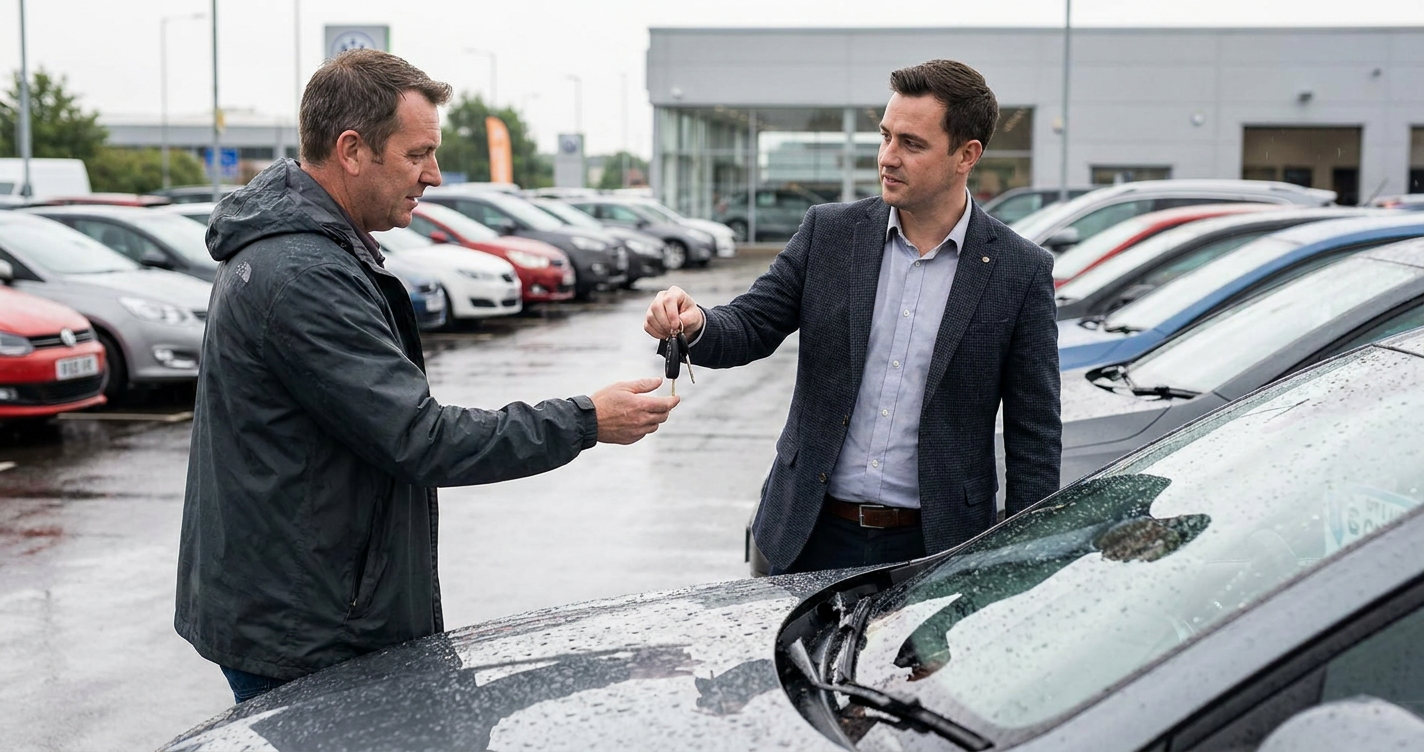
How Dealer-Direct Buying Eliminates Hidden Costs
Dealer-direct vehicle buying removes the intermediary marketplace layer that traditionally sits between you and the seller, eliminating commission fees that can add hundreds or even thousands of pounds to a vehicle's final price. When you connect directly with a dealer rather than through a classified advertising platform, the dealer doesn't need to recover listing fees, monthly subscriptions, or per-sale commissions from the purchase price. This fundamental difference in business model means the same vehicle can cost you less simply because fewer parties are taking a cut of the transaction.
Traditional marketplace platforms operate on commission models that charge dealers either monthly subscription fees, per-listing costs, or percentage-based fees on completed sales. These costs don't disappear into thin air. Dealers are running businesses with tight margins, and they naturally factor advertising expenses into their pricing strategies. A dealer paying £1,000 per month for marketplace visibility across 50 vehicles is effectively adding £20 to the base cost of each car before considering profit margins.
The transparency of direct connections also benefits buyers in less obvious ways. When you're not navigating through a marketplace interface designed to keep you browsing multiple listings, you can focus your attention on the specific vehicles and dealers that match your requirements. This efficiency saves time, which translates to better decision-making and less pressure to settle for a compromise vehicle.
The Real Cost of Marketplace Commission Models
Marketplace commission structures in the UK automotive sector typically follow one of three models: monthly subscription fees, pay-per-listing charges, or percentage-based commission on sales. Monthly subscriptions for premium dealer accounts on major platforms can range from several hundred to several thousand pounds, depending on the number of listings and promotional features included. Pay-per-listing models might seem more affordable at first glance, but dealers with substantial inventory can quickly accumulate costs that exceed subscription alternatives.
Percentage-based commission models, while less common in the UK than in some other markets, take a direct cut of each sale. Even a modest 3-5% commission on a £15,000 vehicle represents £450-£750 that must be recovered from somewhere. Dealers have three options: absorb the cost and reduce profit margins, increase the asking price to maintain margins, or negotiate less aggressively on price knowing they need to cover platform fees.
The hidden costs of marketplace commission models extend beyond the obvious fees. Dealers also invest time managing multiple platform accounts, responding to enquiries that may never convert, and competing with hundreds of similar listings where price becomes the primary differentiator. This competitive pressure can paradoxically drive prices up rather than down, as dealers need to maintain margins while standing out in crowded marketplaces.
When you buy dealer-direct, these costs simply don't exist. The dealer's overhead is lower, their pricing flexibility is greater, and the entire transaction becomes more straightforward. There's no platform algorithm determining which listings you see first, no promoted listings pushing organic results down the page, and no artificial urgency created by marketplace features designed to encourage quick decisions.
How Direct Connections Improve Price Negotiation
Direct dealer relationships fundamentally change the negotiation dynamic in your favour. When you contact a dealer directly rather than through a marketplace enquiry form, you're immediately establishing a relationship that the dealer values more highly. Marketplace leads are often seen as lower quality because the same buyer might be enquiring about ten similar vehicles simultaneously, using the platform's bulk enquiry features. Direct contact signals genuine interest and gives dealers more confidence to invest time in the conversation.
This improved relationship quality translates to better pricing flexibility. Dealers working without marketplace commission overhead have more room to negotiate because they're not calculating whether a discount will eliminate their profit after platform fees are deducted. A dealer who saves £800 in monthly marketplace costs can afford to be £100 more flexible on price while still improving their bottom line compared to the marketplace alternative.
The benefits of direct dealer connections extend to the entire purchase experience, not just the initial price. Dealers who receive direct enquiries through their own websites or direct listing platforms often provide more detailed responses, offer more flexible viewing arrangements, and demonstrate greater willingness to accommodate buyer preferences. They're not competing with dozens of other listings for your attention, so they can focus on building a relationship that might lead to repeat business or referrals.
Transparency in pricing also improves when marketplace pressure is removed. Some dealers maintain different pricing strategies for marketplace listings versus direct enquiries, knowing that marketplace browsers are often comparison shopping primarily on price. Direct buyers who've found the dealer through targeted search or recommendation may receive more honest pricing from the outset, reducing the need for extended negotiation.
Comparing Total Cost: Marketplace vs Direct Purchase
Let's examine a realistic scenario. You're buying a three-year-old family SUV with a typical market value of £18,000. On a traditional marketplace platform, the dealer listing this vehicle is paying approximately £1,200 annually in subscription fees, plus potential promoted listing costs to ensure visibility. With an inventory of 40 vehicles turning over every 60 days on average, this dealer sells roughly 240 vehicles per year, meaning each vehicle carries approximately £5 in platform costs before considering promotional spending.
However, the real impact is more significant than simple division suggests. The dealer knows that buyers on marketplace platforms are typically comparing prices across multiple listings, often sorting by lowest price first. To remain competitive in this environment, the dealer might price the vehicle at £18,495 to appear in relevant search results, knowing they'll likely negotiate down to £17,800-£18,000. The initial asking price includes a negotiation buffer that accounts for both platform costs and expected buyer behaviour.
In a dealer-direct scenario, the same vehicle might be listed at £17,995 from the outset. The dealer has lower overhead, faces less direct price comparison pressure, and can afford to lead with a more competitive price that still maintains healthy margins. The buyer saves £500 immediately, and potentially more through negotiation, simply by avoiding the marketplace ecosystem.
The total cost of ownership considerations for dealers directly influence buyer costs. Dealers using free or low-cost direct listing platforms can operate with leaner cost structures, and competitive markets ensure these savings are at least partially passed to buyers through lower prices or better negotiation flexibility.
Regional Market Advantages of Direct Dealer Access
Buying directly from dealers in your region offers additional cost savings that marketplace platforms can obscure. When you search for vehicles on traditional marketplaces, you're often shown results from across the country, including dealers hundreds of miles away. While this seems like it increases choice, it actually introduces additional costs: travel expenses for viewing, potential delivery fees, and the risk of wasting time on vehicles that don't meet expectations when seen in person.
Direct dealer platforms that prioritise local results help you focus on vehicles you can realistically view and purchase without significant travel investment. A vehicle that's perfect on paper but requires a 300-mile round trip for viewing represents a hidden cost of £60-£100 in fuel alone, plus a full day of your time. If the vehicle doesn't meet expectations upon viewing, you've incurred that cost with nothing to show for it.
Regional vehicle market trends also affect pricing in ways that benefit local buyers. Dealers in areas with lower demand for specific vehicle types may price more competitively to attract buyers, while marketplace platforms' national reach can mask these regional variations. A direct connection to local dealers helps you identify and capitalise on these pricing opportunities.
Local dealer relationships also facilitate easier warranty claims, service history verification, and potential part-exchange arrangements. When you buy from a dealer you can visit easily, you're more likely to return for servicing or future purchases, which dealers value and may reflect in initial pricing or after-sales support.
The Technology Behind Cost-Effective Direct Search
Modern vehicle search technology has evolved to make dealer-direct buying as convenient as marketplace browsing while maintaining the cost advantages. AI-powered search platforms can now aggregate dealer stock feeds directly, presenting comprehensive inventory without the marketplace commission layer. This technology shift is crucial because it addresses the historical justification for marketplace platforms: centralised search across multiple dealers.
When you describe your ideal vehicle using plain English search, AI matching algorithms can interpret your requirements and connect you with relevant dealer stock just as effectively as traditional filter-based marketplace searches. The difference is that your enquiry goes directly to the dealer rather than through a platform intermediary, preserving the cost advantages of direct connection while maintaining search convenience.
The evolution from classifieds to AI-powered discovery has democratised vehicle search technology. Dealers no longer need to pay premium marketplace fees to ensure their inventory is discoverable. Direct listing platforms with sophisticated search capabilities can deliver the same buyer visibility at a fraction of the cost, and these savings flow through to vehicle pricing.
This technological shift also improves search quality. AI-powered platforms can understand context and intent in ways that rigid filter systems cannot. When you search for "reliable family car under £15,000 with low running costs near Birmingham," AI can interpret that you're prioritising dependability and economy over performance or luxury, and match you with appropriate vehicles from dealers in your area. This precision reduces time wasted viewing unsuitable vehicles, which itself represents a cost saving.
Transparency and Trust in Direct Dealer Relationships
Direct dealer connections foster transparency that marketplace intermediaries can sometimes obscure. When you're communicating directly with the business that owns and services the vehicle, you can ask detailed questions about service history, previous ownership, and vehicle condition with confidence that you're receiving information from the source. Marketplace enquiry forms and intermediary communication channels can introduce delays and information loss that complicate the buying process.
This transparency extends to pricing clarity. Direct dealers are more likely to explain their pricing rationale, discuss any reconditioning work performed, and provide detailed information about included warranties or service packages. Marketplace listings often reduce vehicles to a set of specifications and photos, with limited space for the nuanced information that helps buyers make confident decisions.
The ability to verify dealer legitimacy is also simpler with direct connections. You can easily research the dealer's own website, read reviews on independent platforms, and verify their physical location and trading history. Marketplace platforms aggregate dealers of varying quality, and while they typically have verification processes, the sheer volume of listings can make it difficult to distinguish between established, reputable dealers and less reliable operators.
GDPR-compliant data handling is another consideration. When you enquire directly through a dealer's website or a direct listing platform, you're sharing your contact information with fewer parties. Marketplace platforms may share your enquiry with multiple dealers or use your data for marketing purposes beyond the immediate vehicle search, while direct connections limit data exposure to only the relevant dealer.
Making the Switch to Dealer-Direct Buying
Transitioning from marketplace browsing to dealer-direct buying requires a slight shift in approach but delivers immediate cost benefits. Instead of starting your search on a marketplace platform, begin with direct listing services that connect you straight to dealer inventory. These platforms function similarly to marketplaces from a user experience perspective but operate without commission models that inflate costs.
When you identify a vehicle of interest, you're connected directly to the dealer's website or contact information rather than being kept within a marketplace ecosystem. This direct connection means your enquiry is valued more highly, you avoid contributing to the dealer's marketplace costs, and you establish a relationship that can lead to better pricing and service.
For dealers considering the switch, signing up for direct listing platforms eliminates the monthly subscription burden while maintaining online visibility. The cost savings are immediate and substantial, creating pricing flexibility that benefits both the dealership and its customers.
The future of vehicle buying in the UK is moving towards these direct connection models. As search technology improves and buyers become more aware of how marketplace commission affects pricing, the value proposition of dealer-direct buying becomes increasingly compelling. You get the same comprehensive search capabilities, better pricing, and more transparent dealer relationships, all without the hidden costs that traditional marketplaces introduce.
Frequently Asked Questions
Do I get worse selection when buying dealer-direct instead of using marketplaces?
No, modern direct listing platforms aggregate inventory from multiple dealers just like traditional marketplaces, giving you access to thousands of vehicles. The difference is how your enquiry is handled. Direct platforms connect you straight to the dealer rather than keeping you within a marketplace ecosystem, but the initial search breadth is comparable.
How much can I realistically save by avoiding marketplace commission?
Savings vary depending on the vehicle price and the dealer's marketplace costs, but buyers typically save between £200-£800 on a typical used car purchase. This comes from a combination of lower dealer overhead, better negotiation flexibility, and more competitive initial pricing when dealers aren't recovering platform fees.
Are direct dealer listings less trustworthy than marketplace listings?
Direct listings can actually be more trustworthy because you're dealing with the dealer's own information rather than standardised marketplace templates. You can verify the dealer's credentials, read reviews, and research their trading history directly. Reputable direct listing platforms also verify dealer legitimacy before allowing listings.
Can I still compare multiple vehicles when buying dealer-direct?
Absolutely. Direct listing platforms provide the same comparison tools, saved searches, and filtering options as traditional marketplaces. The difference is that when you're ready to enquire or purchase, you connect directly with the dealer rather than through an intermediary platform.
Will dealers negotiate less if they're not competing on a marketplace?
Actually, the opposite is often true. Dealers receiving direct enquiries typically have more pricing flexibility because they're not paying marketplace fees. They also value direct leads more highly because they signal genuine buyer interest rather than casual marketplace browsing, which can lead to more constructive negotiation.
How do I find dealer-direct listings for specific vehicle types?
Use AI-powered search platforms that aggregate dealer stock feeds directly. These services allow you to search by make, model, body type, fuel type, and location just like traditional marketplaces, but connect you directly to dealer inventory. You can also search for specific categories like vans, motorbikes, or electric vehicles using natural language descriptions that AI interprets and matches to available stock.