Understanding Regional EV Demand Patterns in the UK
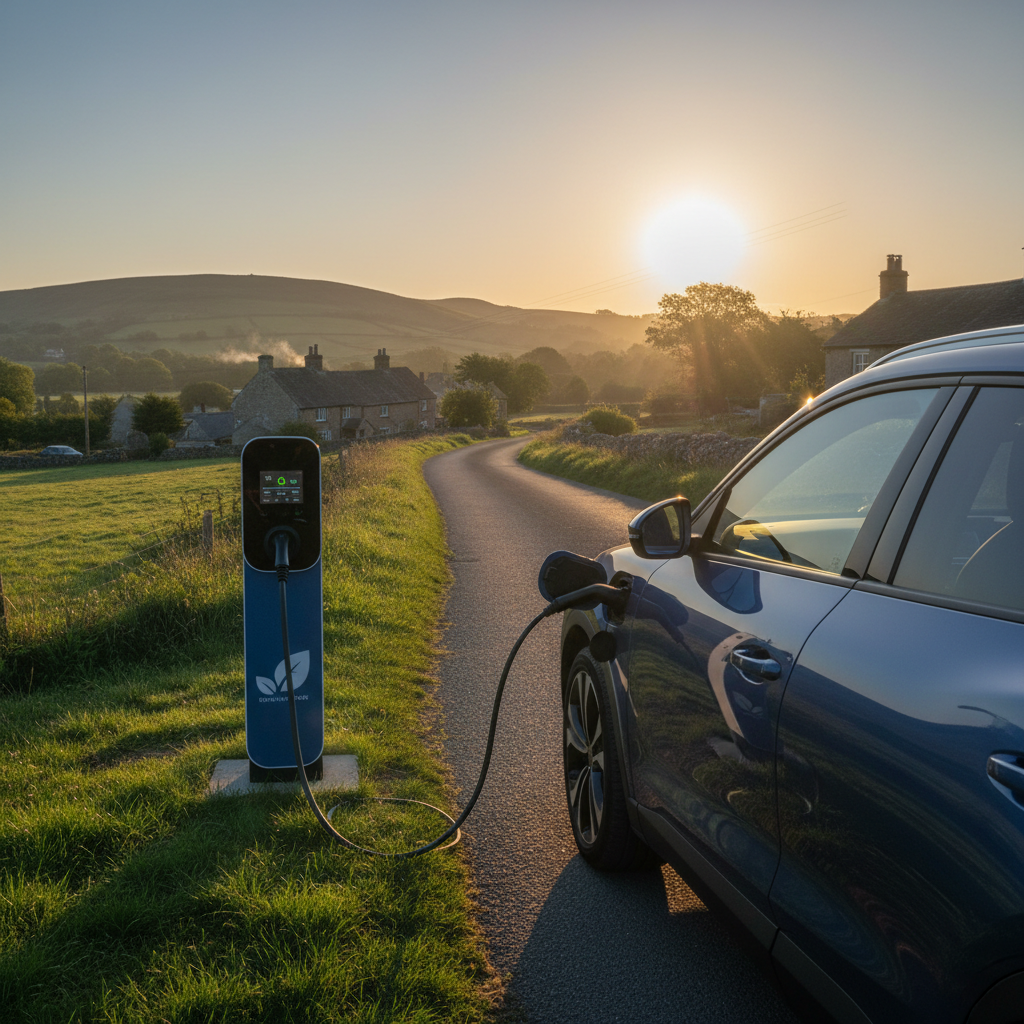
Electric vehicle adoption across the UK varies dramatically by region, driven by differences in charging infrastructure, income levels, environmental policy, and urban density. London and the South East lead national EV demand, accounting for a disproportionate share of electric vehicle registrations, whilst rural areas in Wales, Scotland, and Northern England show slower adoption rates primarily due to charging accessibility concerns. These regional patterns create distinct market opportunities for dealers and influence buying decisions for consumers considering the switch to electric.
The variation in demand is not simply a matter of urban versus rural. Specific counties and metropolitan areas demonstrate unique adoption curves influenced by local government incentives, workplace charging schemes, and the availability of public charging networks. Understanding these patterns helps buyers identify where electric vehicles offer practical advantages and assists dealers in stock planning and regional marketing strategies.
London and the South East: The UK's EV Epicentre
London consistently records the highest concentration of electric vehicle ownership in the UK, driven by the Ultra Low Emission Zone (ULEZ), congestion charge exemptions for zero-emission vehicles, and extensive public charging infrastructure. The capital's combination of environmental policy, high disposable income, and dense charging networks creates ideal conditions for EV adoption. Boroughs such as Westminster, Kensington and Chelsea, and Camden show particularly strong demand for premium electric models.
The South East region surrounding London, including Surrey, Berkshire, and Buckinghamshire, mirrors this high adoption rate. Affluent commuter towns with access to home charging and workplace schemes show robust demand for both new and used electric vehicles. Buyers in these areas typically prioritise range and charging speed less than their rural counterparts, as daily journeys remain shorter and charging options more abundant.
For dealers operating in these regions, stocking a diverse range of electric vehicles, from affordable city cars to premium SUVs, aligns with local demand patterns. The used electric vehicle market in London and the South East remains particularly competitive, with buyers showing greater familiarity with EV technology and less range anxiety than national averages.
Scotland: Urban Concentration and Rural Challenges
Scotland presents a divided picture for electric vehicle demand. Edinburgh and Glasgow demonstrate strong urban adoption, supported by Scotland's commitment to phasing out new petrol and diesel vehicles and investment in charging infrastructure. The Scottish Government's interest-free loans for EV purchases and workplace charging grants have accelerated adoption in metropolitan areas.
However, the Highlands and rural Scotland face significant barriers. Long distances between charging points, harsh winter conditions that reduce battery efficiency, and lower population density create practical challenges for EV ownership. Buyers in these areas remain cautious, often preferring hybrid vehicles as a transitional technology. The difference between urban and rural Scotland creates distinct market segments that dealers must navigate carefully.
Dealers serving Scottish markets benefit from understanding these geographical divisions. Stock strategies that work in Edinburgh may not translate to Inverness or the Western Isles, where range anxiety and charging infrastructure concerns dominate buyer conversations. Regional demand patterns in Scotland highlight the importance of matching vehicle specifications to local infrastructure realities.
Wales: Gradual Adoption with Infrastructure Gaps
Wales shows moderate electric vehicle adoption concentrated primarily in Cardiff, Swansea, and Newport. These urban centres benefit from improved charging networks and local authority support for zero-emission transport. However, rural Wales, particularly mid-Wales and parts of North Wales, lags significantly behind national adoption rates.
The Welsh Government's commitment to installing rapid chargers along major routes has improved confidence, but coverage remains patchy compared to England's motorway network. Buyers in rural Welsh communities often cite charging infrastructure as the primary barrier to EV adoption, preferring to wait until networks expand before making the switch.
For dealers operating in Wales, understanding the regional vehicle market trends helps identify which areas show readiness for electric stock and which remain firmly petrol and diesel territories. The divide between urban and rural Wales creates opportunities for targeted marketing approaches that address specific local concerns.
Northern England: Industrial Cities Lead the Charge
Northern England demonstrates varied adoption patterns, with Manchester, Liverpool, and Leeds showing strong urban demand whilst rural areas of Cumbria, Northumberland, and North Yorkshire remain cautious. Industrial cities benefit from clean air zones, workplace charging schemes, and local authority incentives that encourage electric vehicle uptake.
Manchester's clean air zone and Liverpool's commitment to zero-emission transport have accelerated demand in these metropolitan areas. Buyers in Northern cities increasingly view electric vehicles as practical daily transport, particularly for urban and suburban commuting. The availability of terraced housing with limited off-street parking remains a challenge, but expanding on-street charging solutions gradually address this barrier.
Rural Northern England presents different challenges. Lower population density, longer average journey distances, and fewer public charging points create hesitation among potential buyers. The regional pricing trends for electric vehicles in these areas often reflect lower demand, creating potential opportunities for buyers willing to travel for better deals.
Midlands: Automotive Heritage Meets Electric Future
The Midlands, particularly the West Midlands around Birmingham and Coventry, shows growing electric vehicle adoption influenced by the region's automotive manufacturing heritage. Local employment in the automotive sector creates awareness and interest in electric technology, whilst Birmingham's clean air zone encourages zero-emission vehicle ownership.
The East Midlands demonstrates more moderate adoption, with Nottingham and Leicester leading regional demand. Rural areas of Lincolnshire, Rutland, and Derbyshire show slower uptake, reflecting national patterns where charging infrastructure concerns dominate buyer hesitation.
Dealers in the Midlands benefit from a population increasingly familiar with electric vehicle technology through employment connections, but must still address practical concerns about charging and range. Understanding how to verify dealer legitimacy becomes particularly important as buyers navigate the used electric vehicle market for the first time.
South West England: Tourism and Range Anxiety
The South West, including Devon, Cornwall, Somerset, and Dorset, shows moderate electric vehicle adoption concentrated in larger towns and cities such as Bristol, Exeter, and Plymouth. Bristol's clean air zone and strong environmental policies drive urban demand, but rural Cornwall and Devon lag behind due to infrastructure concerns.
The region's tourism economy creates unique considerations. Visitors require reliable charging networks, and local authorities have invested in coastal and rural charging points to support tourism. However, gaps remain, particularly in remote areas of Exmoor, Dartmoor, and rural Cornwall.
Buyers in the South West often express concerns about range when considering electric vehicles, particularly those living in rural areas or regularly travelling long distances. The public charging network infrastructure in the region continues to expand, but remains less comprehensive than the South East or major metropolitan areas.
East Anglia: Rural Challenges and Urban Pockets
East Anglia, comprising Norfolk, Suffolk, Cambridgeshire, and Essex, demonstrates mixed adoption patterns. Cambridge shows strong demand driven by the city's environmental policies and affluent, educated population. Essex areas close to London benefit from capital overspill and improved charging infrastructure.
However, rural Norfolk and Suffolk show significantly lower adoption rates. Agricultural communities, long distances between towns, and limited public charging create practical barriers. Buyers in these areas often prefer hybrid technology as a stepping stone, maintaining petrol capability whilst reducing emissions.
Dealers serving East Anglia must recognise these divisions and tailor stock accordingly. Urban areas support diverse electric vehicle inventory, whilst rural territories may require different approaches. Understanding battery health assessment becomes crucial for dealers and buyers in regions where vehicles may travel longer distances between charges.
Northern Ireland: Unique Market Dynamics
Northern Ireland presents distinct electric vehicle adoption patterns influenced by different government incentives, charging infrastructure development, and cross-border considerations with the Republic of Ireland. Belfast leads regional demand, but overall adoption rates lag behind Great Britain.
The availability of grants and the development of charging networks continue to influence buyer decisions. Cross-border travel considerations create unique requirements, as buyers assess charging availability on both sides of the border. The smaller geographic area and concentrated population create opportunities for targeted infrastructure development.
Dealers in Northern Ireland face a market still in early adoption phases, requiring greater educational efforts around electric vehicle ownership, charging, and running costs. The used electric van market shows particular potential as businesses seek to reduce operating costs and meet environmental commitments.
Income and Demographic Factors in Regional Demand
Regional income levels significantly influence electric vehicle adoption patterns across the UK. Areas with higher average household incomes show stronger EV demand, reflecting the higher upfront purchase costs of electric vehicles compared to equivalent petrol or diesel models. However, the growing used electric vehicle market gradually addresses this barrier.
Demographic factors also play crucial roles. Younger, environmentally conscious buyers in urban areas show greater willingness to adopt electric vehicles, whilst older demographics in rural areas demonstrate more caution. Education levels, exposure to environmental messaging, and workplace charging availability all correlate with regional adoption rates.
The price drop in used electric vehicles creates opportunities for buyers in regions where new EV adoption remains limited by affordability concerns. As used electric vehicles become more accessible, regional demand patterns may shift, particularly in areas where charging infrastructure continues to improve.
Infrastructure Investment and Future Demand Shifts
Ongoing investment in charging infrastructure will reshape regional demand patterns over the coming years. Government commitments to expanding rapid charging networks along major routes and in rural areas aim to address the primary barrier to adoption in underserved regions.
Local authority initiatives, workplace charging schemes, and on-street residential charging solutions will influence where demand grows fastest. Regions that invest aggressively in infrastructure will likely see accelerated adoption, whilst areas that lag may see continued preference for petrol, diesel, and hybrid vehicles.
Dealers monitoring infrastructure development can anticipate demand shifts and adjust stock strategies accordingly. Understanding which regions show improving infrastructure helps identify emerging markets for electric vehicle inventory before competition intensifies.
Implications for Dealers and Stock Planning
Regional demand patterns create strategic opportunities for vehicle dealers across the UK. Dealers in high-demand urban areas benefit from diverse electric vehicle stock, including premium models and affordable city cars. Those serving rural areas may find success with hybrid inventory or focusing on petrol and diesel vehicles whilst monitoring infrastructure development.
Understanding local buyer concerns, whether range anxiety, charging access, or battery health, allows dealers to address objections effectively and build confidence in electric vehicle ownership. Providing transparent information about battery health and charging solutions helps convert cautious buyers.
Dealers using platforms that route traffic directly to their websites, rather than retaining buyers on third-party marketplaces, benefit from building direct relationships with customers in their specific regional markets. This approach allows tailored messaging that addresses local infrastructure realities and buyer concerns.
FAQ
Which UK region has the highest electric vehicle demand?
London and the South East consistently show the highest electric vehicle demand in the UK, driven by the Ultra Low Emission Zone, extensive charging infrastructure, higher average incomes, and strong environmental policies. These regions account for a disproportionate share of national EV registrations.
Why is electric vehicle adoption lower in rural areas?
Rural areas show lower electric vehicle adoption primarily due to limited charging infrastructure, longer average journey distances, range anxiety concerns, and lower population density making infrastructure investment less economical. Buyers in these areas often cite charging accessibility as the primary barrier to EV ownership.
Are electric vehicle prices different across UK regions?
Electric vehicle prices can vary across UK regions based on local demand levels, dealer competition, and market maturity. High-demand areas like London and the South East may command premium prices, whilst regions with lower adoption rates sometimes offer better value as dealers compete for a smaller buyer pool.
Which UK cities outside London show strongest EV demand?
Bristol, Manchester, Edinburgh, Birmingham, and Cambridge demonstrate the strongest electric vehicle demand outside London, supported by clean air zones, local authority incentives, workplace charging schemes, and relatively comprehensive public charging networks in these urban centres.
How does charging infrastructure affect regional EV demand?
Charging infrastructure directly correlates with regional electric vehicle demand. Areas with extensive public charging networks, workplace charging facilities, and residential charging solutions show significantly higher adoption rates, whilst regions with infrastructure gaps demonstrate buyer hesitation and preference for hybrid or conventional vehicles.