Understanding Dealer Verification in the UK Vehicle Market
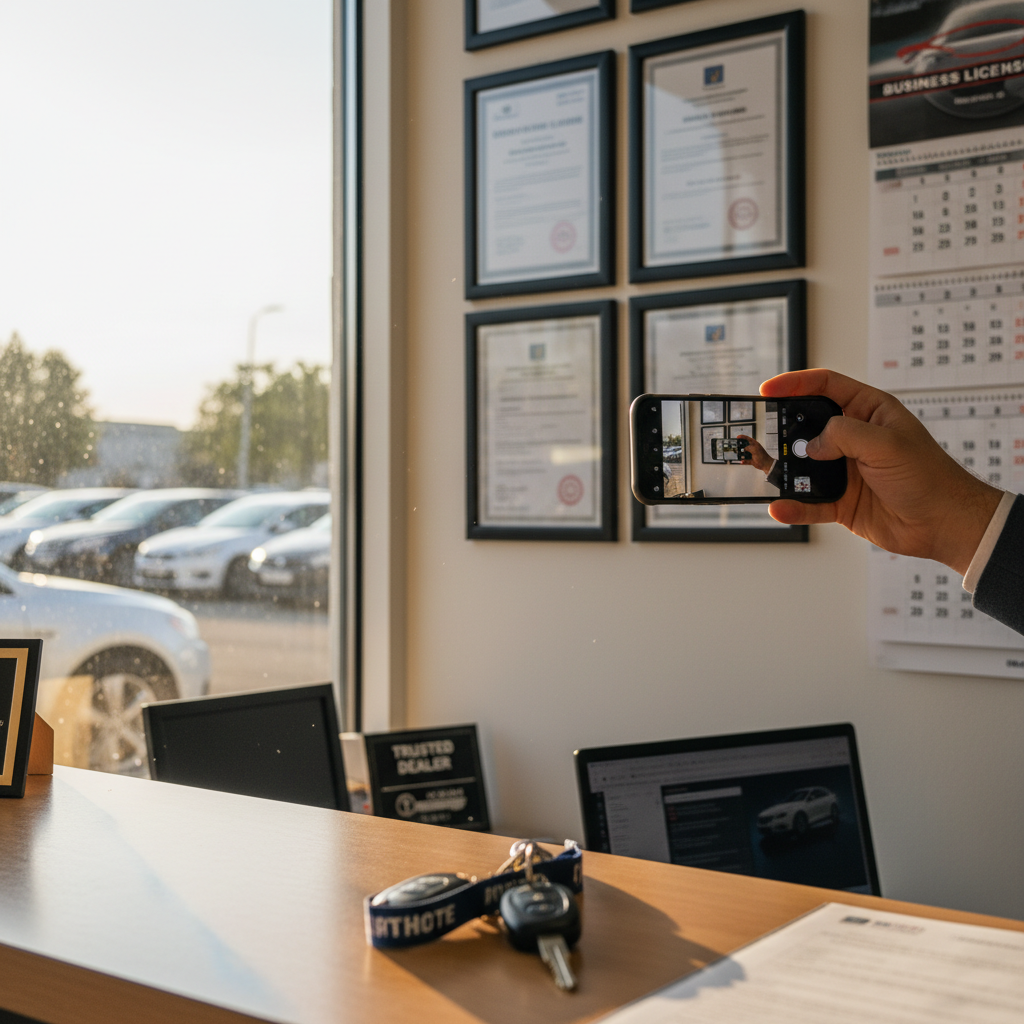
Verifying dealer legitimacy before purchasing a used vehicle online requires checking three core elements: business registration with Companies House, membership in recognised trade bodies (such as the Motor Ombudsman or Scottish Motor Trade Association), and a verified physical trading address. A legitimate dealer will have transparent contact details, a registered company number, and verifiable customer reviews across multiple platforms. This verification process protects buyers from fraud, misrepresentation, and the financial losses associated with purchasing from unregistered or dishonest sellers.
The shift towards online vehicle purchasing has created new opportunities for both legitimate dealers and fraudulent operators. Whilst established dealers have adapted by improving their digital presence, scammers have exploited the distance between buyer and seller to create convincing fake listings. Understanding how to distinguish between the two is essential for anyone considering a vehicle purchase without a physical visit.
The financial stakes are significant. Used vehicle purchases typically represent the second-largest consumer transaction after property, with average used car prices in the UK exceeding £18,000. When buying remotely, the inability to physically inspect premises or meet sellers face-to-face increases risk, making verification checks not just advisable but essential.
Checking Company Registration and Legal Status
Every legitimate UK vehicle dealer operating as a limited company must be registered with Companies House, and this registration can be verified free of charge through the official government website. Enter the dealer's company name or registration number to access their filing history, registered address, director information, and current trading status. Active companies will show recent annual accounts and confirmation statements, whilst dissolved or struck-off companies should trigger immediate concern.
Sole traders and partnerships may not appear on Companies House, but they should still provide verifiable business registration details. Ask for their VAT registration number if they charge VAT, and verify this through HMRC's VAT number validation service. Legitimate sole traders will have business insurance, premises licences where applicable, and a traceable trading history.
The registered address listed on Companies House should match the dealer's advertised trading address. Discrepancies may indicate a virtual office arrangement, which is not inherently suspicious but warrants additional verification. Check whether the address corresponds to an actual dealership premises using Google Street View and cross-reference with the dealer's website location information.
Director information provides another verification layer. Long-serving directors with clean records suggest stability, whilst frequent director changes or individuals associated with multiple dissolved companies may indicate problems. Search director names alongside terms like "complaint" or "fraud" to identify any public warnings or legal actions.
Verifying Trade Body Membership and Accreditation
Membership in recognised automotive trade bodies provides independent verification of dealer standards and offers buyers access to dispute resolution services. The Motor Ombudsman (formerly the Motor Codes) represents the UK's primary automotive dispute resolution scheme, covering sales, service, and warranty work. Members display the Motor Ombudsman logo and can be verified through the organisation's online member directory.
The Scottish Motor Trade Association (SMTA) serves dealers north of the border, whilst the Independent Garage Association (IGA) and Society of Motor Manufacturers and Traders (SMMT) represent specific segments. Each organisation maintains public member lists and requires adherence to codes of conduct. Verify membership directly through these organisations rather than trusting logos on dealer websites, as fraudulent operators frequently display false accreditations.
Consumer codes approved by the Chartered Trading Standards Institute (CTSI) provide additional assurance. The Motor Industry Code of Practice for Vehicle Sales and the Motor Industry Code of Practice for Service and Repair both require members to meet specific standards for transparency, complaint handling, and customer service. Approved code members undergo regular audits and face sanctions for non-compliance.
Be wary of unfamiliar or obscure trade body memberships. Some organisations exist primarily to sell membership badges rather than enforce meaningful standards. Focus on well-established bodies with transparent complaint procedures and regulatory oversight. Understanding how to verify dealer credentials extends beyond simple membership checks to evaluating the substance of these accreditations.
Examining Online Presence and Digital Footprint
A legitimate dealer's online presence extends across multiple platforms with consistent information, professional presentation, and a substantial history. Check how long their website domain has been registered using WHOIS lookup tools; established dealers typically maintain domains for years, whilst scam sites often use recently registered domains. The website should include full contact details, including a landline telephone number, physical address, and company registration information.
Social media profiles provide insight into dealer activity and customer interaction. Look for regular posts, responses to customer queries, and engagement with the broader automotive community. Fake profiles often show minimal activity, stock photos, or copied content from legitimate dealers. Check when accounts were created and whether follower counts align with the dealer's claimed size and market presence.
Google My Business listings offer another verification point. Legitimate dealers maintain claimed and verified listings with accurate opening hours, photographs of premises, and responses to reviews. The listing's creation date and review history provide timeline context. Be suspicious of listings with no reviews, only five-star reviews, or reviews that appear formulaic or fake.
Search the dealer's name alongside terms like "review", "complaint", "scam", and "fraud". Whilst some negative feedback is normal for any business, patterns of serious complaints about misrepresentation, hidden damage, or failure to honour warranties should trigger concern. Check multiple review platforms, including Trustpilot, Google Reviews, and automotive forums, as scammers often cannot maintain fake positive reviews across all channels.
Assessing Physical Premises and Trading Address
The dealer's physical trading address should be a genuine commercial premises, not a residential property, PO box, or virtual office. Use Google Street View to examine the location, looking for visible signage, vehicle stock, and appropriate facilities. Legitimate dealerships invest in premises that reflect their business scale; be wary of dealers claiming to sell dozens of vehicles from locations that appear residential or unsuitable for vehicle storage.
Call the provided telephone number during business hours to verify it connects to the claimed business. Landline numbers provide more assurance than mobile-only contact, as they require a physical installation address. Ask specific questions about their premises, such as opening hours, parking availability, or directions from local landmarks. Evasive answers or reluctance to discuss physical visits may indicate the premises does not exist or differs from advertised.
For dealers operating from industrial estates or business parks, verify the unit number matches the advertised address and that the site permits vehicle sales. Some businesses use storage facilities or shared office spaces whilst claiming to be established dealerships. Cross-reference the address with local authority business rate records where available, as these public records confirm legitimate commercial operation.
Request photographs of the specific vehicle at the dealer's premises, including recognisable background features. Scammers often use stock photographs or images stolen from legitimate listings. Ask for images showing the vehicle from unusual angles or with specific items visible (such as today's newspaper) to confirm the dealer has physical possession.
Identifying Warning Signs and Red Flags
Several red flags should immediately raise suspicion during online vehicle purchases. Prices significantly below market value represent the most common warning sign, as scammers use unrealistic bargains to attract victims. If a vehicle is priced thousands below similar examples without clear explanation (such as accident damage or high mileage), treat the listing with extreme caution.
Pressure to complete transactions quickly, especially before viewing the vehicle, indicates potential fraud. Legitimate dealers understand buyers need time for consideration, vehicle inspection, and financing arrangements. Be wary of sellers who claim multiple interested parties, limited-time offers, or reasons why you cannot visit their premises.
Requests for unusual payment methods should trigger immediate concern. Bank transfers to personal accounts, payment via money transfer services, or cryptocurrency requests all suggest fraud. Legitimate dealers accept standard payment methods, provide proper invoices, and complete transactions through traceable channels. Never pay deposits to personal accounts or send money before seeing the vehicle.
Inconsistent or evasive communication patterns often indicate problems. Legitimate dealers respond promptly to queries with detailed, specific information. Be suspicious of sellers who avoid answering direct questions, provide vague responses about vehicle history, or become defensive when asked about verification. Spotting warning signs when buying used vehicles requires attention to both obvious red flags and subtle inconsistencies.
Poor quality listings with minimal information, stock photographs, or copied descriptions may indicate either a scam or an unprofessional dealer. Whilst listing quality alone does not confirm fraud, it reflects the seller's attention to detail and investment in their business. Legitimate dealers typically provide comprehensive vehicle details, multiple photographs, and transparent disclosure of any issues.
Conducting Vehicle History and Documentation Checks
Vehicle history checks through services like HPI, Experian AutoCheck, or MyVehicle provide independent verification of the car's background, including outstanding finance, insurance write-off status, mileage discrepancies, and stolen vehicle records. Legitimate dealers often provide these reports proactively, but buyers should conduct independent checks rather than relying solely on dealer-supplied information.
Request the vehicle's V5C registration document (logbook) details before purchase. The registered keeper name should match the dealer's business name or, for recently acquired stock, show a recent transfer. Be wary of vehicles where the seller is not the registered keeper and cannot provide a clear explanation. Whilst dealers often sell vehicles before V5C transfer completes, they should provide documentation showing legitimate acquisition.
MOT history, available free through the government's online service, reveals mileage progression and recorded advisories. Compare recorded mileages with the advertised figure to identify potential clocking. Significant gaps in MOT history may indicate periods off-road or undisclosed issues. Advisory items provide insight into vehicle condition and whether reported problems have been addressed.
Service history verification requires examining stamps, invoices, and receipts for authenticity. Contact listed garages to confirm work was completed, checking dates and mileages match documentation. Digital service records through manufacturer portals provide additional verification for newer vehicles. Missing or incomplete service history may not indicate dealer fraud but affects vehicle value and future reliability.
Protecting Yourself During Remote Transactions
When buying vehicles remotely without physical inspection, additional protections become essential. Use vehicle inspection services that send qualified mechanics to examine vehicles on your behalf, providing detailed reports on condition, authenticity, and any concerns. These services typically cost between £100 and £300 but provide invaluable protection against misrepresentation.
Insist on video calls showing the vehicle in real-time, allowing you to direct the seller to show specific areas, start the engine, and demonstrate features. Live video provides more assurance than pre-recorded footage or photographs. Ask the seller to show their premises, business signage, and other stock to verify they operate a legitimate dealership.
Arrange payment through protected methods that offer recourse if problems arise. Credit card purchases over £100 benefit from Section 75 protection, making the card provider jointly liable for breaches of contract or misrepresentation. Avoid debit card payments for large amounts, as they offer less protection. Never send payment before receiving proper documentation and confirming the dealer's legitimacy.
Ensure all agreements are documented in writing, including vehicle description, price, delivery arrangements, and any warranties or guarantees. Legitimate dealers provide proper sales invoices, purchase agreements, and clear terms. Understanding the safe buying process helps protect your interests throughout the transaction.
Using Technology to Verify Dealer Legitimacy
Modern verification tools provide buyers with unprecedented ability to check dealer credentials independently. Reverse image searches through Google Images or TinEye reveal whether vehicle photographs appear elsewhere online, potentially indicating stolen images or misleading listings. Upload listing photos to identify the original source and whether the seller legitimately owns the images.
Website security certificates (the padlock icon in browser address bars) confirm basic legitimacy for dealer websites. Click the padlock to view certificate details, including the registered organisation name, which should match the dealer's claimed identity. Whilst not definitive proof of legitimacy, the absence of proper security certificates on e-commerce sites suggests unprofessional operation.
LinkedIn profiles for dealer principals and staff provide additional verification. Established dealers typically have staff with visible professional profiles, employment histories, and industry connections. The absence of any online professional presence for claimed business owners may indicate false identities.
Automotive forums and community groups often maintain databases of known scammers and problematic dealers. Search for the dealer's name, address, and telephone number in these communities before committing to purchase. Experienced buyers frequently share warnings about fraudulent operations, helping others avoid similar problems.
Understanding Your Legal Rights and Protections
UK consumer law provides substantial protection for vehicle purchases from dealers, regardless of whether transactions occur online or in person. The Consumer Rights Act 2015 requires vehicles to be of satisfactory quality, fit for purpose, and as described. These rights cannot be excluded by dealer terms and conditions, and buyers have 30 days to reject faulty vehicles for a full refund.
The requirement for vehicles to match their description extends to all claims made in listings, conversations, and advertising. If a dealer describes a vehicle as having full service history, one previous owner, or specific features, these claims must be accurate. Misrepresentation provides grounds for rejection and potential legal action.
Distance selling regulations provide additional rights for online purchases. Buyers typically have 14 days to cancel contracts for any reason when purchasing remotely, although this right may not apply to bespoke or personalised vehicles. Dealers must clearly communicate cancellation rights and provide simple cancellation procedures.
Finance agreements carry separate protections, particularly for hire purchase and conditional sale arrangements. Finance providers conduct due diligence on dealers before approving lending, providing an additional verification layer. If problems arise, buyers may have claims against both the dealer and finance provider.
Evaluating Dealer Transparency and Communication
Transparency in communication serves as a reliable indicator of dealer legitimacy. Honest dealers provide comprehensive information about vehicles, including known faults, previous damage, and realistic condition assessments. They answer questions directly, admit when they lack specific information, and encourage independent inspections.
Legitimate dealers explain their business model, stock acquisition methods, and preparation processes. They discuss warranty options, return policies, and complaint procedures without evasion. This openness reflects confidence in their operation and respect for customer rights. Conversely, dealers who avoid discussing business practices or become defensive about verification requests may be concealing problems.
Response times and communication quality provide insight into dealer professionalism. Established businesses respond promptly to enquiries with detailed, personalised answers. Generic responses, significant delays, or communication through personal email addresses rather than business domains suggest unprofessional operation.
Willingness to accommodate reasonable requests indicates dealer confidence and legitimacy. Honest dealers allow independent inspections, provide additional photographs or videos, and facilitate contact with previous customers for references. Refusal to accommodate basic verification requests should trigger serious concern about what the dealer may be hiding.
Leveraging Independent Dealer Verification Platforms
Platforms that connect buyers directly with verified dealers offer built-in legitimacy checks, reducing the burden on individual buyers to conduct comprehensive verification. Services that vet dealers before allowing listings provide a valuable screening layer, though buyers should still conduct their own due diligence.
Dealer verification processes vary by platform. Some conduct basic company registration checks, whilst others require trade body membership, premises verification, and ongoing compliance monitoring. Understanding the platform's verification standards helps buyers assess the level of protection provided. Choosing platforms that prioritise dealer verification adds an important safety layer to online vehicle purchases.
Direct dealer connections, where buyers communicate and transact with dealers rather than through intermediary platforms, provide transparency about who you're buying from. This model allows buyers to verify dealer credentials directly and establish relationships with the actual seller. Platforms that facilitate these direct connections whilst providing verification frameworks offer a balanced approach to online vehicle purchasing.
Buyer review systems on dealer platforms provide crowdsourced verification. Patterns of positive reviews from verified purchasers suggest legitimate operation, whilst the absence of reviews or suspicious review patterns may indicate problems. Look for detailed reviews that discuss specific aspects of the buying experience rather than generic praise.
Making Informed Decisions About Dealer Selection
Selecting a legitimate dealer requires balancing verification thoroughness with practical considerations. Whilst comprehensive checks take time, they protect against potentially catastrophic financial losses. Prioritise dealers who demonstrate transparency, maintain proper credentials, and facilitate verification rather than obstructing it.
Consider the dealer's specialisation and expertise. Dealers focusing on specific vehicle types, brands, or market segments often develop deeper knowledge and more reliable stock sources. Specialist dealers typically invest more in reputation and long-term customer relationships than generalists handling diverse stock.
Local dealers offer advantages for verification and ongoing relationship building. Physical proximity allows in-person visits, easier inspection arrangements, and accountability through local reputation. However, distance should not automatically disqualify dealers who demonstrate legitimacy through other means. Many buyers successfully purchase from distant dealers after thorough verification.
Price considerations must be balanced against verification results. Slightly higher prices from verified, reputable dealers often represent better value than bargains from questionable sources. The cost of resolving problems with illegitimate dealers, including legal fees, lost deposits, and time, far exceeds any initial savings from choosing cheaper options.
Frequently Asked Questions
How can I verify a dealer is legitimate if they only operate online?
Online-only dealers can be verified through the same methods as traditional dealers: check Companies House registration, verify trade body membership through official directories, examine their digital footprint across multiple platforms, and conduct vehicle history checks. Request live video calls showing their premises and stock, use independent vehicle inspection services, and ensure all documentation is proper and complete. The absence of a physical showroom does not indicate fraud, but the dealer must still provide verifiable business credentials and transparent communication.
What should I do if I discover a dealer has provided false information?
If you discover false information before purchase, walk away immediately and report the dealer to Trading Standards and relevant trade bodies. If you've already purchased, document all false claims with screenshots, emails, and written evidence. Contact the dealer in writing requesting resolution under the Consumer Rights Act 2015. If they refuse, consider claims through the Motor Ombudsman (if they're members), small claims court for amounts under £10,000, or consultation with a consumer rights solicitor for larger sums. Report the incident to Action Fraud, the UK's national fraud reporting centre.
Are dealers who sell from home necessarily illegitimate?
Dealing from home is not inherently illegitimate, particularly for small-scale traders or specialists handling limited stock. However, home-based dealers must still have proper business registration, appropriate insurance, and comply with planning regulations for commercial activity. Verify they have permission to operate a vehicle sales business from their address and check local authority records. Be more cautious with home-based dealers claiming to handle large volumes, as this may indicate either false claims about business scale or unlicensed operation.
How do I verify a dealer's claimed membership in trade organisations?
Never rely solely on logos displayed on dealer websites, as these can be copied or falsely claimed. Visit the trade organisation's official website and use their member directory search function. Contact the organisation directly if the dealer does not appear in online directories, as some smaller members may not be listed. Ask the dealer for their membership number and verify this with the organisation. Legitimate trade bodies will confirm or deny membership when contacted by potential customers.
What payment methods offer the best protection when buying from a dealer?
Credit cards offer the strongest protection for purchases over £100 through Section 75 of the Consumer Credit Act, making the card provider jointly liable for breaches of contract or misrepresentation. Bank transfers to business accounts (not personal accounts) provide a traceable payment record but less recourse if problems arise. Avoid cash payments over small amounts, money transfer services, cryptocurrency, or payments to personal accounts. For expensive vehicles, consider using an escrow service that holds funds until you've received and inspected the vehicle, though ensure the escrow provider itself is legitimate and regulated.
Conclusion
Verifying dealer legitimacy when buying used vehicles online requires systematic checks across multiple dimensions: business registration, trade body membership, online presence, physical premises, and communication transparency. Whilst this verification process demands time and attention, it provides essential protection against fraud, misrepresentation, and financial loss. The combination of official record checks, independent vehicle verification, and careful assessment of dealer behaviour creates a comprehensive picture of legitimacy that helps buyers make informed decisions with confidence.