Your Winter Health Check: Prepping Your Used Car for the UK's Cold Months
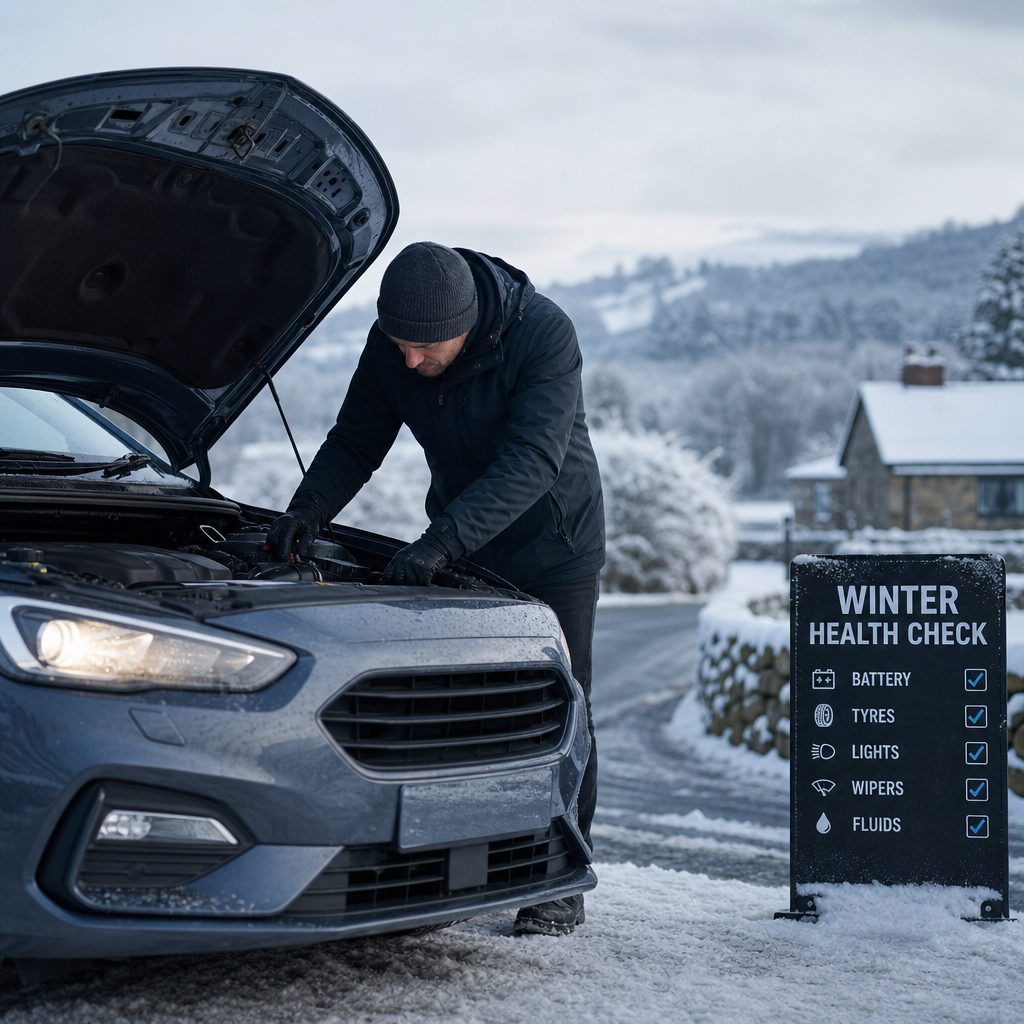
As the nights draw in and the mercury begins its inevitable plummet, the UK’s roads present a unique set of challenges. From torrential rain and biting winds to icy patches and even the occasional snowfall, our unpredictable British winters can be particularly harsh on vehicles. For used car owners, whose vehicles may have already seen a few years of action, a proactive winter health check isn't just a good idea – it's an essential measure for safety, reliability, and preventing costly breakdowns.
Here at CarsLink.ai, we believe in empowering you with the knowledge to keep your vehicle in tip-top condition. Following this comprehensive guide will help ensure your used car is well-prepared to face whatever the cold months throw at it, keeping you safe and on the road.
1. Battery Health: The Heart of Cold-Weather Starting
Picture the scene: a frosty morning, you turn the key, and all you get is a pathetic click or a slow, struggling whirr. A flat battery is one of the most common winter call-outs, and it's especially prevalent in older vehicles or those with an ageing battery. Cold weather significantly reduces a battery's efficiency, while the increased demand from heaters, lights, and demisters puts it under even greater strain.
What to Check:
- Visual Inspection: Pop the bonnet and look for any signs of corrosion on the battery terminals (a white or blue powdery substance). Also, check the battery casing for any bulging or cracks, which could indicate internal damage.
- Age: Batteries typically last between 3-5 years. If your used car's service history doesn't specify when the battery was last replaced, it's worth assuming it might be nearing the end of its life.
- Warning Signs: Slow cranking when you start the engine, dimming headlights when the engine is off, or a battery warning light on your dashboard are all red flags.
- Professional Test: A local garage can perform a comprehensive battery and charging system test. They'll check the voltage and its cranking amps, giving you a definitive answer on its condition.
Cold-Weather Starting Tips:
- Regular, Longer Drives: Short trips don't allow the alternator enough time to fully recharge the battery. Try to incorporate a longer drive (at least 20-30 minutes) regularly.
- Trickle Charger: If your car is often parked for extended periods, especially during winter, a smart trickle charger can keep the battery topped up without overcharging it.
- Turn Off Electrics: Before starting, ensure all non-essential electrics (radio, heater, lights) are switched off to reduce initial demand on the battery.
2. Tyres: Your Only Contact with the Road
Your tyres are the sole point of contact between your car and the road, making their condition absolutely critical in winter. Wet leaves, black ice, slush, and standing water all demand maximum grip. For a used car, tyres might already be nearing their legal limits, or show signs of wear.
What to Check:
- Tread Depth: The legal minimum tread depth in the UK is 1.6mm across the central three-quarters of the tread around the entire circumference. However, for winter conditions, we strongly recommend a minimum of 3mm. You can do a quick check with a 20p coin: if you can see the outer band of the coin when inserted into the main grooves, your tread is likely below 3mm and should be monitored or replaced.
- Tyre Pressure: Correct tyre pressure is vital for optimal grip, handling, and fuel efficiency. Tyre pressure drops in cold weather, so check them monthly, preferably when cold, against the manufacturer's recommendations (found in your owner's manual or on a sticker inside the driver’s door jamb or fuel filler flap).
- Condition: Inspect the tyre walls for any cuts, bulges, cracks, or embedded objects (like nails or stones). Any of these can compromise safety.
Winter Tyre Considerations:
- The 7°C Rule: Winter tyres are made from a softer rubber compound that remains more pliable below 7°C, offering superior grip compared to summer tyres. They also feature more aggressive tread patterns with additional ‘sipes’ (small slits) to evacuate water and bite into snow and ice.
- Benefits in the UK: While not legally mandated here, winter tyres (or good quality all-season tyres) can significantly reduce braking distances and improve handling in cold, wet, or icy conditions – not just deep snow. If you live in a rural area, commute long distances, or simply prioritise maximum safety, they are a worthwhile investment. Remember to factor in the cost of fitting and storage if you switch between summer and winter sets.
3. Fluid Levels: The Lifeblood of Your Engine
Just like our bodies need the right hydration, your car needs the correct fluids at the right levels to function efficiently and prevent damage. This is particularly true in winter, where freezing temperatures can cause catastrophic problems if fluids aren't up to scratch.
What to Check/Top-ups:
- Anti-freeze/Coolant: This is paramount. Anti-freeze prevents the engine's coolant from freezing (which can crack the engine block) and also protects against boiling and corrosion. Check the expansion tank level – it should be between the 'min' and 'max' marks. If it's low, never just top up with water, as this will dilute the protective properties. A garage can test the concentration of your anti-freeze and top it up with the correct blend.
- Engine Oil: Check your oil level using the dipstick (refer to your manual for the correct procedure – usually when the engine is warm but switched off for a few minutes). Ensure it's between the minimum and maximum marks. Cold oil is thicker and harder for the engine to pump efficiently, so maintaining the correct level is crucial.
- Brake Fluid: Check the brake fluid reservoir. The level should be between the 'min' and 'max' indicators. Low brake fluid can indicate a leak or worn brake pads, both of which require immediate attention.
- Screenwash: This is often overlooked but incredibly important for visibility. Ensure your screenwash reservoir is full and, critically, that you're using a concentrated winter-formula screenwash with anti-freeze properties. This prevents the fluid from freezing in the reservoir, the pipes, or on the windscreen itself.
4. Visibility Essentials: See and Be Seen
Winter means shorter daylight hours, more rain, fog, frost, and road spray. Good visibility, both for you and for other road users, becomes even more critical.
What to Check:
- Wiper Blades: Inspect your wiper blades for any splits, tears, or hardening rubber. Worn blades will smear water rather than clear it, significantly impairing your view. Replace them if they leave streaks or judder across the windscreen (typically every 6-12 months). Also, ensure your wiper motor operates smoothly and quietly.
- Lights: Check that all your lights are working correctly – headlights (on both main and dipped beam), tail lights, brake lights, indicators, and front/rear fog lights. Clean the lenses regularly, as mud, salt, and grime can drastically reduce their effectiveness. If your headlights are looking hazy or yellowed, consider a headlight restoration kit or professional service to improve light output.
- Washer Jets: Ensure your windscreen washer jets are not blocked and are aimed correctly to cover the windscreen effectively. A pin can often be used to clear stubborn blockages.
5. Heating and Demister Functionality: Comfort and Clarity
Beyond keeping you warm, your car's heating and demister systems are vital safety features in winter. A misted-up windscreen or windows severely restricts your view and can be incredibly dangerous.
What to Check:
- Heater Output: Turn your heating system to full heat and check that warm air is being produced quickly and consistently from all vents. If it takes a long time to warm up, or only blows cool air, it could indicate issues with your thermostat, coolant level, or even a partially clogged heater matrix.
- Demister Vents: Direct the airflow to your windscreen and side windows. Ensure there's a strong, warm flow of air clearing the glass effectively. Clear any obstructions (e.g., loose papers, air fresheners) that might block the vents.
- Air Conditioning (A/C): Often forgotten in winter, your A/C system plays a crucial role in demisting. It dehumidifies the air, helping to clear misty windows much faster than heat alone. Run your A/C for a few minutes once a week, even in winter, to keep the seals lubricated and the system in good working order.
- Cabin Filter (Pollen Filter): A clogged cabin filter can restrict airflow for heating and demisting, and may also cause a musty smell. Check your car's service schedule for recommended replacement intervals – it's often an inexpensive part to replace but makes a big difference.
Conclusion
Preparing your used car for the UK's winter months doesn't have to be a daunting task. By systematically checking these key areas, you’ll significantly enhance your safety, reduce the risk of breaking down, and extend the lifespan of your vehicle. While many of these checks can be done at home, don't hesitate to book a professional winter health check at a reputable garage for peace of mind. Investing a little time and effort now can save you a lot of hassle and expense later. Drive safely and confidently this winter!