Workhorse Wisdom: Selecting the Right Used Van for Your UK Trade Business
For countless trade professionals across the UK, a van isn't just a vehicle; it's the backbone of their business. It’s a mobile workshop, a secure storage unit, and often the first impression a client gets. Choosing the right used van, however, can be a daunting task given the sheer variety on offer. At CarsLink.ai, we understand that this isn't just a purchase; it's an investment in your livelihood. Getting it right means efficiency, cost-effectiveness, and reliability. Getting it wrong can mean wasted time, money, and missed opportunities.
This guide will walk you through the essential considerations when selecting a used van, ensuring you find the perfect workhorse to drive your trade business forward.
Sizing Up Your Workhorse: Matching Van to Trade
The first and most critical step is to accurately assess your specific business needs. What you carry, how much it weighs, and how often you need to access it will dictate the ideal size, payload, and body type of your van.
Payload Capacity: This is paramount. Every van has a maximum permissible laden mass (MPLM) and an unladen weight. The difference is your maximum payload. Exceeding this is not only illegal and dangerous but can invalidate insurance and cause premature wear.
- Example: An electrician might only need to carry tools, spare parts, and diagnostic equipment, making a smaller van like a Vauxhall Combo or Ford Transit Connect with a 600-800kg payload perfectly adequate. These offer excellent manoeuvrability for urban jobs.
- Example: A plumber, on the other hand, might regularly transport boilers, pipework, and water heaters. A medium van such as a Ford Transit Custom or VW Transporter with a 1000-1400kg payload would be more suitable.
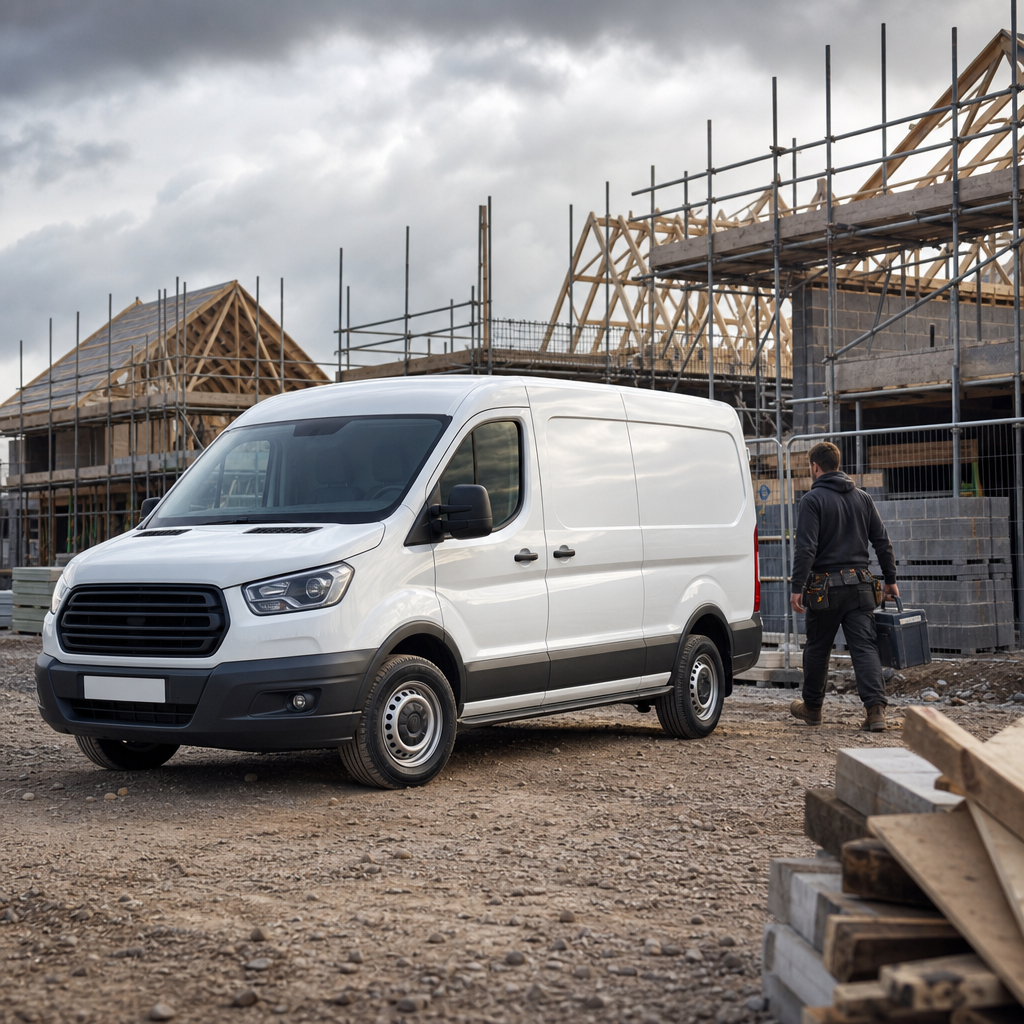
- Example: For builders, landscapers, or those dealing with heavy aggregates, timber, or machinery, a larger panel van like a Ford Transit (full-size), Mercedes Sprinter, or Fiat Ducato with payloads ranging from 1200kg to over 2000kg (in heavier variants) is essential.
Load Volume & Body Type: Don't confuse payload with volume. You might carry light but bulky items.
- Panel Vans: The most common. Available in various wheelbases (SWB - Short, MWB - Medium, LWB - Long, ELWB - Extra Long) and roof heights (Low, Medium, High).
- An SWB, low-roof van is great for urban couriers or trades that need compact manoeuvrability.
- An LWB, high-roof is ideal for carrying long lengths of material (e.g., plumbing pipes, timber) or large items standing upright.
- Crew Vans: These offer a second row of seats, perfect if you regularly transport a team, but they reduce load space.
- Dropside/Tipper Vans: Based on a chassis cab, these are specialist vehicles for builders, landscapers, or waste management, designed for bulk loads that are easier to load/unload from the side or by tipping.
- Luton Vans: Offer maximum enclosed load volume, often with a tail lift, making them ideal for removals or large, light freight.
- Panel Vans: The most common. Available in various wheelbases (SWB - Short, MWB - Medium, LWB - Long, ELWB - Extra Long) and roof heights (Low, Medium, High).
Always measure your typical cargo and compare it against the van's internal dimensions, not just the manufacturer's volume figures.
Powering Your Profits: Diesel vs. Electric & Running Costs
The engine type you choose will significantly impact your day-to-day running costs and environmental footprint.
Diesel Vans: Historically the workhorse favourite, diesels offer strong torque for carrying heavy loads and excellent long-distance fuel economy.
- Pros: Proven reliability, widespread refuelling infrastructure, generally lower purchase price for used models, and greater towing capacities.
- Cons: Increasing scrutiny over emissions, especially with the expansion of Ultra Low Emission Zones (ULEZ) and Clean Air Zones (CAZ) across UK cities. Older diesels that don't meet Euro 6 standards will incur daily charges. Maintenance can be complex, especially with Diesel Particulate Filters (DPFs), which can clog if the van isn't regularly driven on longer runs.
- Best for: Businesses covering long distances, frequently carrying heavy loads, or operating predominantly outside of ULEZ/CAZ areas.
Electric Vans (EVs): A rapidly growing segment, electric vans are becoming increasingly viable for many businesses.
- Pros: Zero tailpipe emissions mean no ULEZ/CAZ charges, significantly lower 'fuel' costs (especially if charging overnight at cheaper tariffs), quieter operation, and fewer moving parts potentially leading to lower long-term maintenance on some components. Government grants (like the OZEV plug-in van grant) may be available for new electric vans, though less so for used. Road tax (VED) is also zero for EVs.
- Cons: Higher upfront purchase price for newer models, range anxiety (though improving, consider your daily mileage), charging infrastructure availability on routes, and longer refuelling times. Payload and towing capacity can sometimes be slightly reduced compared to diesel equivalents due to battery weight.
- Best for: Businesses primarily operating in urban areas, covering predictable daily routes, or those wanting to project an environmentally friendly image. Examples include the Ford E-Transit, Vauxhall Vivaro-e, or the compact Maxus eDeliver 3.
Overall Running Costs: Beyond fuel/electricity, consider:
- Insurance: Commercial van insurance can be significant. Get quotes before buying.
- Road Tax (VED): Varies by emissions for diesels, zero for EVs.
- Maintenance: Factor in servicing, tyres, brakes, and potential DPF issues for diesels.
Equipping Your Enterprise: Essential Features & Customisation
A van needs to be more than just a box on wheels; it needs to be a functional, secure extension of your business.
Internal Racking and Storage Potential: The interior layout is crucial for efficiency and safety.
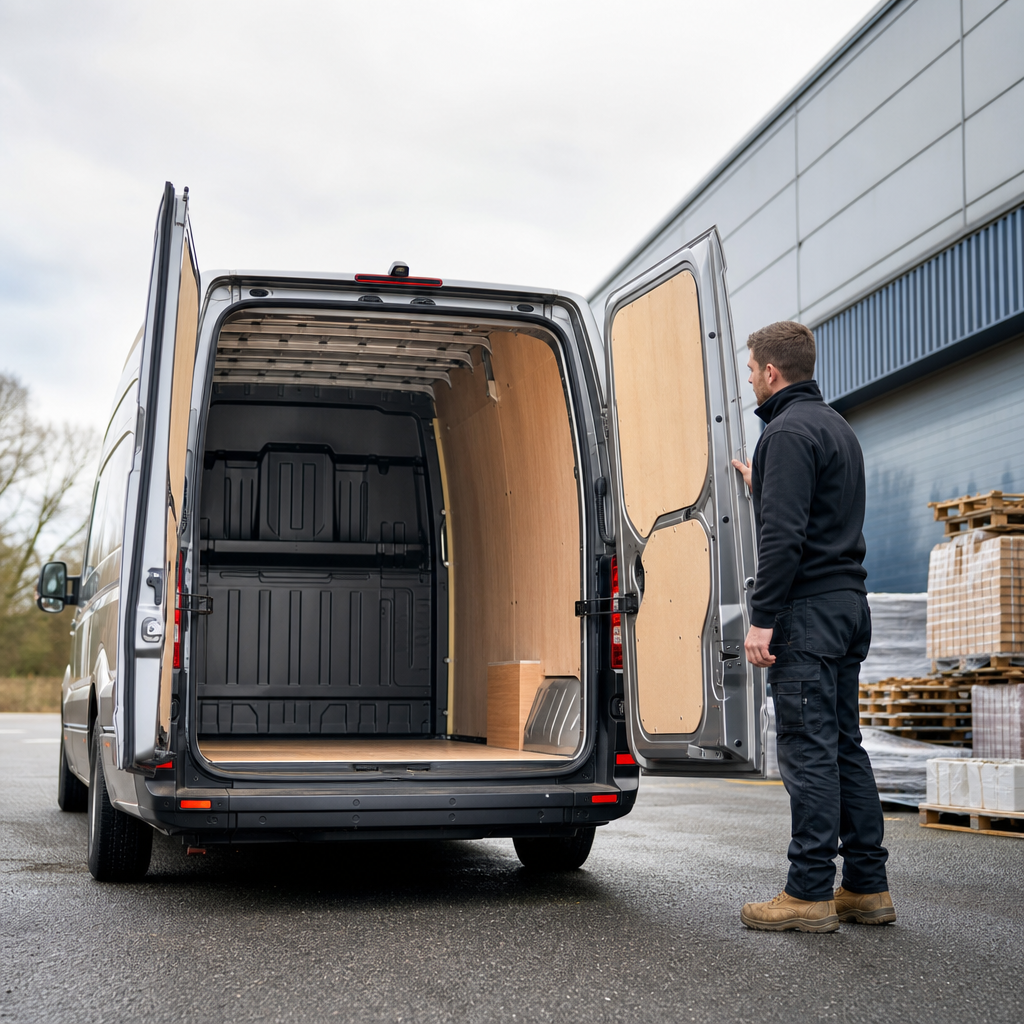
- Look for a van with a flat, robust load floor, and ample tie-down points to secure your cargo.
- A full-height, solid bulkhead is vital for driver safety, protecting occupants from shifting loads.
- Consider the ease of installing aftermarket racking, shelving, and drawer systems. Many popular models, like the Renault Trafic or Nissan Primastar, have excellent aftermarket support for custom fit-outs. Check the internal dimensions to ensure your preferred racking system will fit.
Security Systems: Tools and materials are expensive and highly desirable targets for thieves.
- Factory-fitted immobilisers and alarms are standard on most modern vans, but often basic.
- Additional security is a wise investment:
- Deadlocks/Slamlocks: Provide an extra layer of protection, often automatically engaging when the door is shut.
- Internal panelling/grilles: Protect windows and make forced entry harder.
- Tracker systems: Essential for recovery in case of theft. Many insurance companies require them for high-value vans/contents.
Tow Bar Compatibility: If your business requires towing a trailer, chipper, or additional equipment, a tow bar is essential.
- Check the van's maximum towing weight (braked and unbraked) and ensure it meets your needs.
- Confirm the presence and functionality of the correct electrical hook-ups (7-pin or 13-pin). Aftermarket tow bar fitting can be costly and requires careful installation.
Other Useful Features:
- Parking Sensors/Reversing Camera: Invaluable for manoeuvring large vans in tight urban spaces.
- Air Conditioning: Improves driver comfort and productivity, especially in summer.
- DAB Radio/Bluetooth Connectivity: For communication and entertainment.
- Sat Nav: Integrated systems can be very useful, though smartphone solutions are common.
The Pre-Purchase Prowl: What to Check on a Used Van
Buying a used commercial vehicle requires a more rigorous inspection than a typical car. Vans often lead harder lives.
Comprehensive Service History: This is non-negotiable. A full, documented service history, preferably from a main dealer or reputable specialist, indicates the van has been properly maintained. Pay particular attention to:
- Mileage: High mileage isn't always a deal-breaker if the service history is impeccable, but it should be reflected in the price.
- DPF (Diesel Particulate Filter): For diesels, ensure the DPF has been serviced or replaced if necessary. Blocked DPFs are a common and costly issue for vans used primarily for short, stop-start journeys.
- MOT History: Check online for past MOT advisories and failures. This can reveal recurring issues or neglect.
Bodywork Inspection: Vans pick up knocks, but look for signs of significant damage or neglect.
- Dents, scrapes, rust: Small marks are common, but widespread rust, poorly repaired crash damage, or mismatched paintwork should raise red flags.
- Load Area: Inspect the cargo bay thoroughly. Heavy wear, deep gouges, or damaged tie-down points suggest a hard life and potential structural weakness. Check the floor, side panels, and bulkhead for integrity.
- Doors: Open and close all doors (side and rear) to ensure they operate smoothly, latch securely, and have no sagging hinges.
Interior Condition: The driver’s cabin often shows the true age and care level of a van.
- Driver's Seat: Excessive wear, rips, or collapsing foam on the driver's seat can indicate very heavy use.
- Dashboard & Controls: Check all switches, dials, and warning lights. Look for damage, loose panels, or warning lights that stay illuminated.
- Odour: A persistent damp or chemical smell could indicate underlying issues.
Mechanical Checks & Test Drive: This is where you assess the van's operational health.
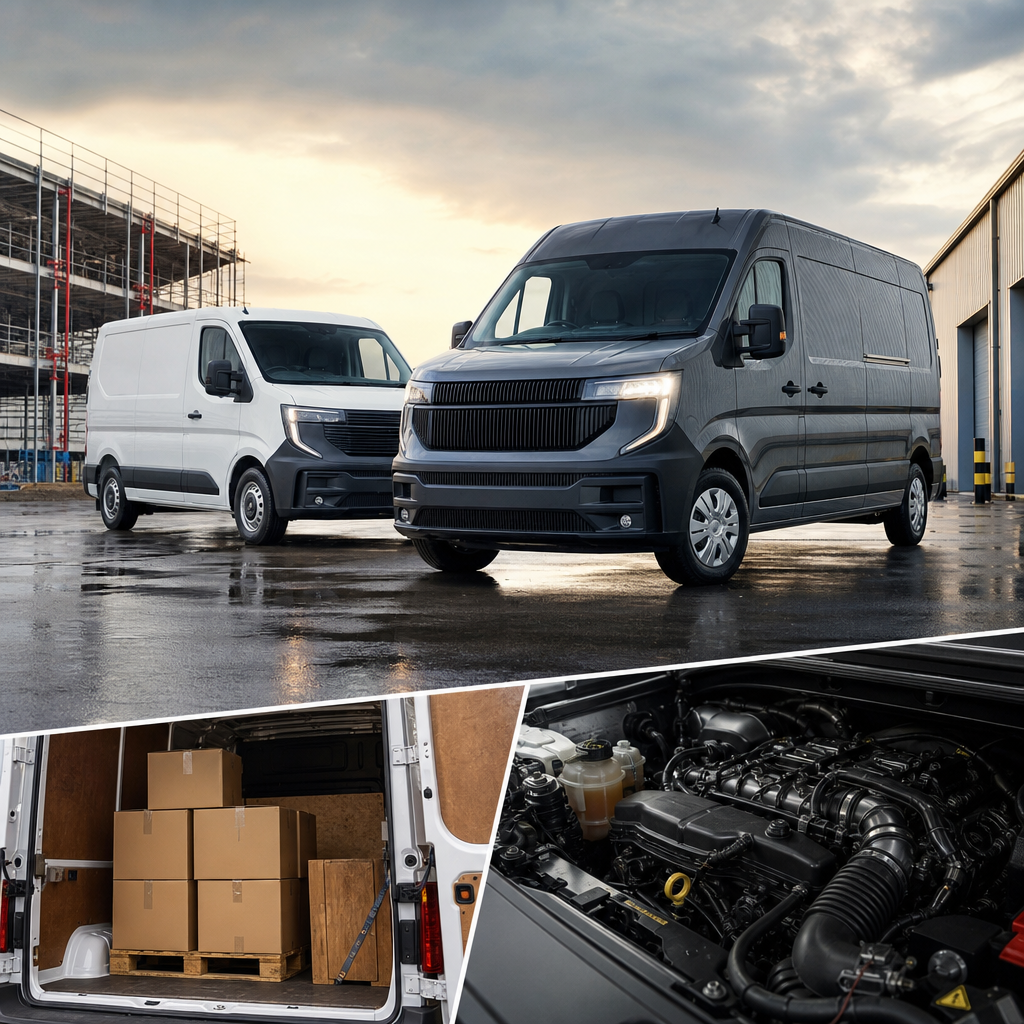
- Engine: Listen for unusual noises (knocks, rattles), check for excessive smoke from the exhaust (especially at start-up), and ensure a smooth idle.
- Gearbox & Clutch: Check for smooth gear changes, no crunching, and that the clutch operates smoothly without slipping or a very high biting point.
- Brakes: Feel for shuddering or pulling during braking.
- Suspension: Listen for knocks or creaks over bumps, which could indicate worn components.
- Tyres: Check tread depth, uneven wear (sign of alignment issues), and ensure all tyres are of the correct size and load rating.
- Test Drive: Drive the van on a variety of roads, ideally replicating your typical usage. Pay attention to how it handles, accelerates, brakes, and changes gear. If possible, test it with a realistic load onboard.
Paperwork:
- V5C (Logbook): Ensure the VIN matches the vehicle and the seller's details are correct.
- HPI Check: Crucial for any used vehicle. This will reveal if the van has outstanding finance, has been stolen, or has been written off.
Your Business on Wheels: Making the Right Choice
Selecting the ideal used van for your UK trade business requires careful thought, research, and a thorough inspection. By meticulously matching the van's capabilities to your operational needs, understanding the long-term running costs of its engine type, prioritising essential features, and conducting a comprehensive pre-purchase check, you'll be well-placed to make an informed decision. Remember, your van is an investment in your future – choose wisely, and it will serve your business reliably for years to come. Visit CarsLink.ai to browse thousands of used vans and find your perfect business partner today.