Payload vs. Performance: Choosing the Right Engine Size for Your Used UK Van
For any tradesperson, courier, or business owner relying on a van, the choice of vehicle is paramount. But beyond the make, model, and body style, there's a crucial decision that can profoundly impact your day-to-day operations and long-term costs: the engine size. It's a delicate balancing act between having enough grunt to haul your gear and not breaking the bank at the fuel pump. Here at CarsLink.ai, we understand this conundrum, which is why we’re diving deep into the world of van engines to help you make an informed choice for your next used UK van.
Understanding the Core: Engine Size, Horsepower, and Torque
Before we delve into specific examples, let's clarify the key terms that define an engine's capability:
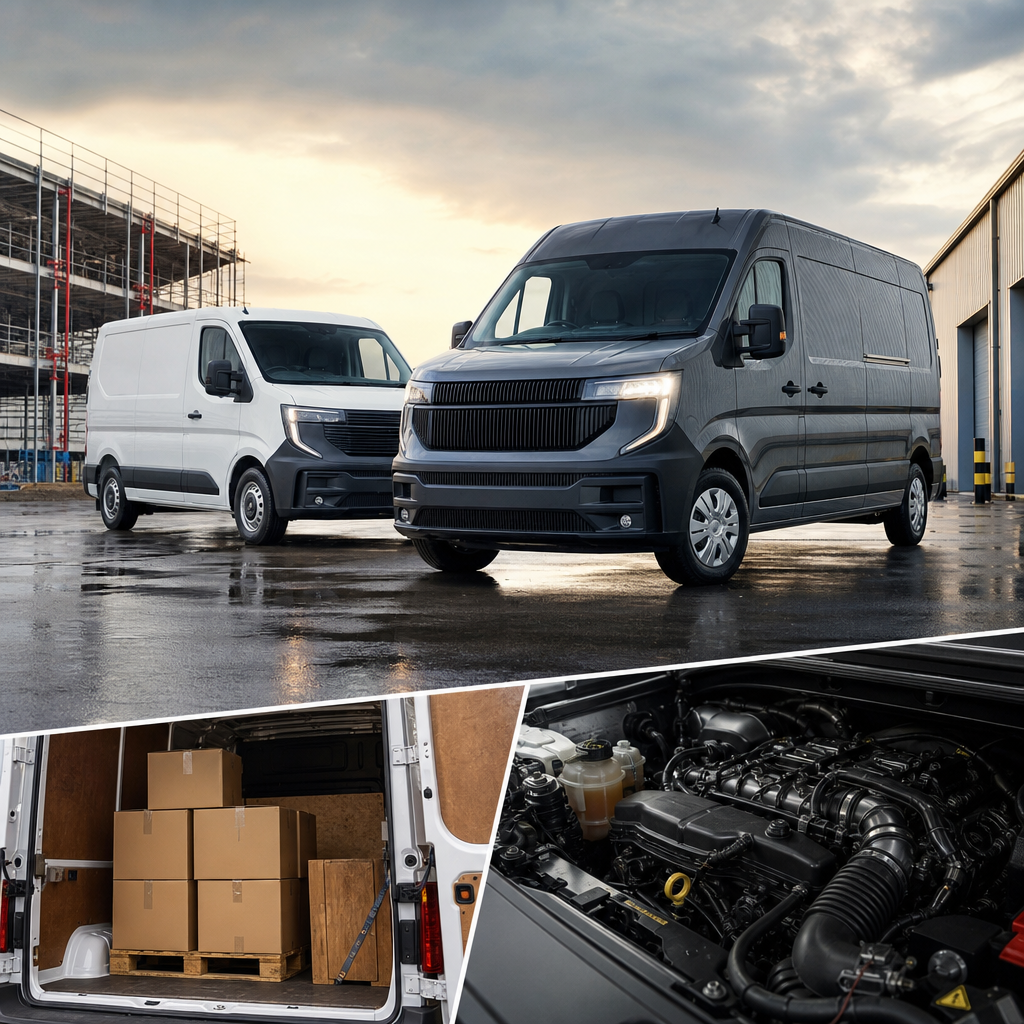
- Engine Size (Displacement): Measured in litres (L) or cubic centimetres (cc), this refers to the total volume swept by all the pistons in one rotation. Generally, a larger engine size means it can burn more fuel and air, potentially generating more power.
- Horsepower (PS/BHP): This is a measure of an engine's maximum power output – essentially, how quickly it can do work. Higher horsepower often translates to faster acceleration and a higher top speed. While useful for sustained motorway cruising or overtaking, it's not the be-all and end-all for heavy lifting.
- Torque (Nm): This is arguably the most critical metric for a working van. Torque represents the rotational force an engine produces, determining its pulling power. Imagine trying to loosen a stubborn nut; a longer spanner (more torque) makes it easier than just applying more rapid force (horsepower). For a van, high torque means it can get heavy loads moving from a standstill and maintain momentum up inclines without constantly revving the engine to its limits. Modern diesel engines, often aided by turbocharging, excel at producing high torque at low RPMs, which is ideal for commercial applications.
The crucial relationship here is that while a larger engine can produce more horsepower and torque, the design and especially the presence of a turbocharger play a massive role. You'll often find a smaller, turbocharged diesel engine outperforming a larger, naturally aspirated (non-turbo) one in terms of torque. For a van, especially one frequently loaded close to its Gross Vehicle Weight (GVW), adequate torque is vital for safe, efficient, and comfortable driving.
Matching Your Engine to Your Mission
The 'right' engine for you hinges entirely on what you'll be asking of your van. Consider your typical usage profile:
Urban Warrior (Light Loads, City Driving): If your van mainly tackles stop-start city routes, perhaps for a florist, small parcel delivery, or a mobile hairdresser carrying lighter tools, a smaller engine might be perfect. A 1.5L or 1.6L diesel (or even a frugal 1.0L/1.2L turbocharged petrol in a compact van like a Ford Transit Connect or VW Caddy) offers better manoeuvrability, lower fuel consumption in traffic, and often cheaper insurance. These engines are designed for efficiency and can handle occasional lighter loads without complaint. Overworking them constantly with heavy loads, however, will negate any fuel savings and lead to premature wear.
Motorway Mile-Muncher (Mixed Use, Medium Loads): For tradespeople like electricians, plumbers, or general builders who cover wider areas, including significant motorway journeys, a mid-range engine makes sense. A 2.0L diesel engine, common in vans like the Ford Transit Custom, Vauxhall Vivaro, or VW Transporter, hits the sweet spot. These engines typically offer various power outputs (e.g., 100PS, 130PS, 170PS). A 130PS or 150PS variant usually provides ample power for comfortable cruising, confident overtaking, and the ability to haul a reasonable payload (tools, materials, parts) without feeling strained. Fuel economy remains respectable on longer runs, especially when not constantly pushed.
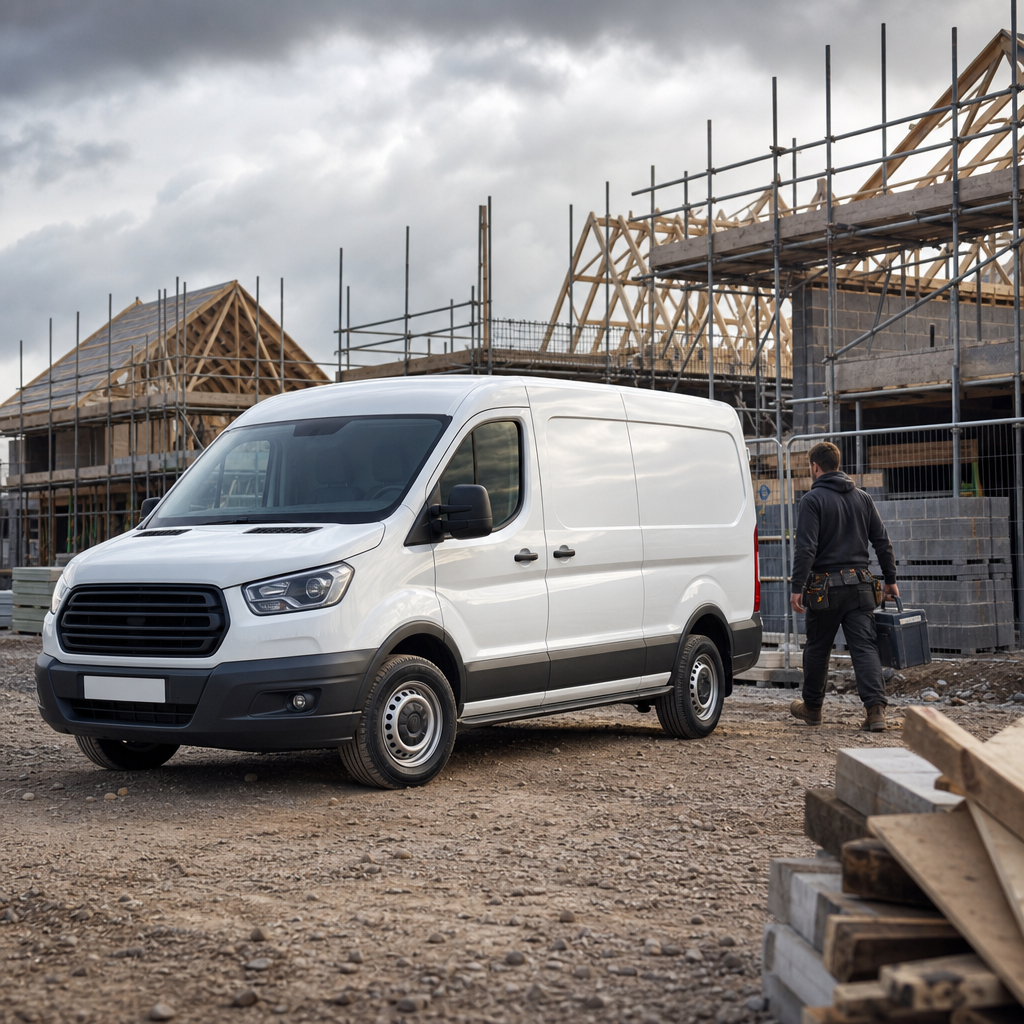
Heavy Hauler & Towing Titan (Constant Heavy Loads, Challenging Terrain): If you're a landscaper, builder, recovery agent, or regularly transport heavy materials (sacks of cement, aggregates, machinery), you'll need serious grunt. This is where the higher power outputs of 2.0L or 2.2L/2.3L diesel engines, often with twin-turbochargers, truly shine. Found in larger vans like the Ford Transit, Mercedes-Benz Sprinter, or Fiat Ducato, these engines are built to pull. The extra torque ensures that even when fully loaded or towing a trailer, the van feels stable, accelerates predictably, and can tackle steep inclines without struggling. While fuel economy will naturally be lower than smaller engines, their efficiency under load can actually be better than a smaller engine constantly redlining.
Common Engine Choices in UK Used Vans
Let's look at some popular UK used van segments and their typical engine offerings:
Compact Vans (e.g., Ford Transit Connect, VW Caddy, Peugeot Partner/Citroën Berlingo):
- Diesel: Common are 1.5L (Ford EcoBlue), 1.6L (older Stellantis/PSA Group), and 2.0L (VW Caddy). Power outputs typically range from 75PS to 120PS. The 1.5L/1.6L diesels are popular workhorses, while the 2.0L in the Caddy offers a more robust feel.
- Petrol: You might find 1.0L EcoBoost (Ford) or 1.2L PureTech (Stellantis) petrol engines, usually for urban-focused, lighter-duty roles.
Medium Vans (e.g., Ford Transit Custom, Vauxhall Vivaro, VW Transporter, Renault Trafic):
- Diesel: The 2.0L diesel is king here. Ford's EcoBlue, Vauxhall/PSA's BlueHDi, VW's TDI – these engines come in a wide range of power outputs (e.g., 100PS, 120PS, 130PS, 150PS, 170PS, 190PS). For most medium duties, a 130PS or 150PS variant offers the best blend of performance and economy. The 100PS models can feel a bit underpowered when fully laden on the motorway.
Large Vans (e.g., Ford Transit, Mercedes-Benz Sprinter, Fiat Ducato, VW Crafter):
- Diesel: Engines generally start from 2.0L and go up to 2.2L or 2.3L. Again, multiple power outputs are available, from around 110PS up to 190PS or even higher for specific models. The higher power outputs (e.g., 170PS+) are highly desirable for maximum payload, frequent heavy loads, or long-distance hauling.
While electric vans are becoming more prevalent, for the used market, especially for higher payload applications, diesel remains the dominant and most practical choice due to range and rapid refuelling.
The Long Game: Running Costs, Reliability, and Resale
Choosing the right engine isn't just about initial performance; it's about the total cost of ownership over your van's working life.
- Fuel Economy: A smaller engine might offer better official WLTP figures, but if you're constantly pushing it to its limits with heavy loads, its real-world consumption can soar. A larger, more powerful engine, when operating within its comfortable range, might actually be more efficient for your specific heavy-duty task. Consider your load profile carefully – a van that's consistently overloaded will burn more fuel regardless of engine size.
- Insurance & Road Tax (VED): Generally, larger, more powerful engines can sometimes attract higher insurance premiums. Road Tax for vans registered after March 2017 is a flat rate (£290 for most diesel/petrol light goods vehicles), but older vans might have different rules.
- Maintenance & Reliability: An engine that is constantly overworked will experience more wear and tear on components like the clutch, gearbox, and engine internals. This can lead to premature failures and costly repairs. Opting for an engine that comfortably handles your typical payload means less stress on the drivetrain, potentially extending the lifespan of your van and reducing unexpected maintenance bills. Look for a comprehensive service history, regardless of engine size.
- Resale Value: A van with an engine that is well-suited to its likely workload will often be more attractive on the used market. Buyers will appreciate a vehicle that hasn't been thrashed and still has plenty of life left.
Conclusion
Selecting the ideal engine for your used UK van boils down to an honest assessment of your business needs. Don't be swayed solely by a low purchase price or seemingly better official fuel economy figures. Prioritise torque for heavy loads, consider your typical routes (city vs. motorway), and always factor in the long-term running costs and potential reliability benefits of an engine that's not constantly under strain.
By carefully considering payload requirements against engine performance, you can choose a used van that not only performs reliably day-in, day-out but also contributes positively to your bottom line. Browse CarsLink.ai today to compare vans and find the perfect engine-payload combination for your next workhorse.