Picking the Right Panels: A UK Buyer's Guide to Used Panel Vans for Business
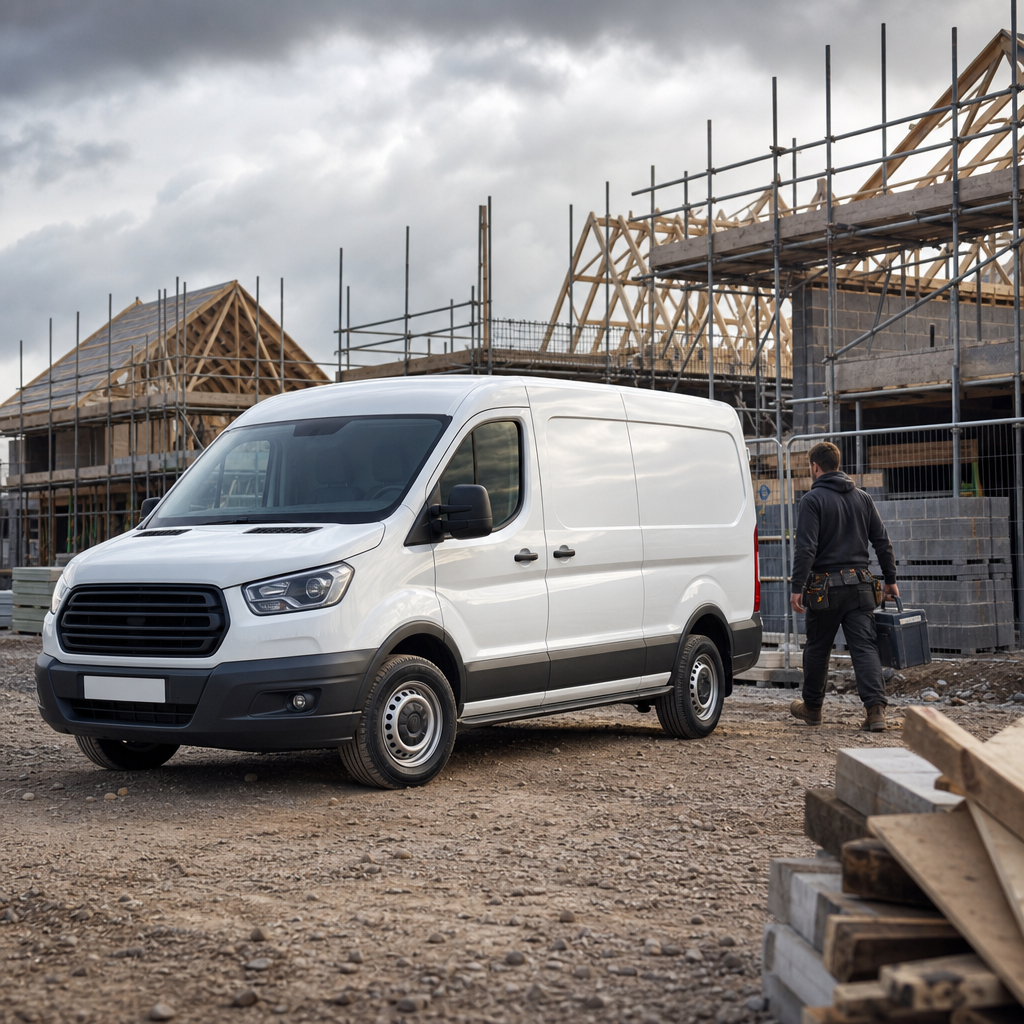
For countless UK businesses, from plumbers and electricians to couriers and florists, a panel van isn't just a vehicle; it's the backbone of their operations. It’s a mobile workshop, a moving warehouse, and often the first impression a client gets. While a brand-new van might be tempting, the used market offers incredible value, allowing businesses to acquire a reliable workhorse without the hefty upfront cost or rapid depreciation.
However, navigating the used van market can be daunting. With so many makes, models, and specifications available, how do you ensure you pick the right panels for your purpose? This guide from CarsLink.ai will walk you through the essential considerations to help your UK business make a smart, informed decision.
Assessing Your Business Needs – More Than Just a Box on Wheels
Before you even start browsing listings, a thorough self-assessment of your business requirements is paramount. Think beyond simply needing "a van."
Payload Capacity: This is arguably the most critical factor. Payload refers to the maximum weight your van can legally carry, including its driver, passengers, fuel, and all goods/equipment. Overloading is not only dangerous but also illegal and can lead to hefty fines, insurance invalidation, and points on your licence.
- Example: A plumber carrying heavy tools, copper pipes, and a water heater will need a significantly higher payload than a baker delivering light pastries. Check the van’s VIN plate for its Gross Vehicle Weight (GVW) and deduct the kerb weight (the van’s empty weight) to find its true payload.
Load Volume: While payload is about weight, load volume concerns the physical space available. How bulky are your typical items? Do you transport long lengths of timber, tall fridges, or numerous smaller boxes? Consider the internal dimensions – length, width (especially between wheel arches), and height – to ensure everything fits without forcing.
- Example: A removals firm needs maximum volume, often opting for a high-roof, long-wheelbase model, whereas a mobile mechanic might prioritise a smaller, more secure space for tools.
Typical Routes: Where will your van spend most of its time?
- Urban Driving: If you operate primarily in cities, manoeuvrability, compact dimensions, and excellent fuel economy are key. You'll also need to consider compliance with Low Emission Zones (LEZ) and Clean Air Zones (CAZ) popping up across the UK, which often penalise older, less eco-friendly diesels.
- Motorway Miles: For long-distance haulage, comfort, cruising ability, and robust engines are more important. Larger vans often offer a more stable and less fatiguing drive on motorways.
Understanding Panel Van Sizes – From City Slicker to Motorway Workhorse
Panel vans broadly fall into three categories, each serving different needs:
Small Vans: These compact, nimble vans are perfect for city driving, light loads, and businesses where parking is a constant challenge. They are typically economical to run and easier to navigate narrow streets.
- Popular Models: Ford Transit Connect, Vauxhall Combo, Citroën Berlingo, Peugeot Partner, Toyota Proace City.
- Applications: Couriers delivering small parcels, florists, mobile valeters, small tradespeople with minimal equipment.
Medium Vans: This segment represents the sweet spot for many UK businesses, offering an excellent balance of load capacity, driving dynamics, and everyday practicality. They often come with various wheelbases and roof heights to tailor to specific needs.
- Popular Models: Ford Transit Custom, Volkswagen Transporter, Vauxhall Vivaro, Renault Trafic, Nissan NV300.
- Applications: General trades (electricians, plumbers, carpenters), medium-sized delivery businesses, photographers, event support. The Ford Transit Custom, in particular, has been the UK's best-selling vehicle (not just van!) for years, underscoring its versatility.
Large Vans: When maximum payload and load volume are non-negotiable, large vans step up. While less agile in urban environments, they are indispensable for heavy-duty tasks and long-distance transport. Like medium vans, they offer multiple configurations, including extra-long wheelbases and jumbo roof heights.
- Popular Models: Ford Transit, Mercedes-Benz Sprinter, Volkswagen Crafter, Fiat Ducato, Peugeot Boxer, Citroën Relay, Renault Master.
- Applications: Removal companies, scaffolders, large-scale building contractors, multi-drop delivery for bulky goods.
Key Features to Look For – Optimising Your Mobile Workspace
Beyond size and capacity, specific features can dramatically impact a van's usability, security, and your daily productivity.
Load Access: How easily can you get items in and out?
- Side Loading Doors: Most panel vans feature at least one side loading door, with many medium and large vans offering twin side doors for maximum flexibility, especially in tight spaces.
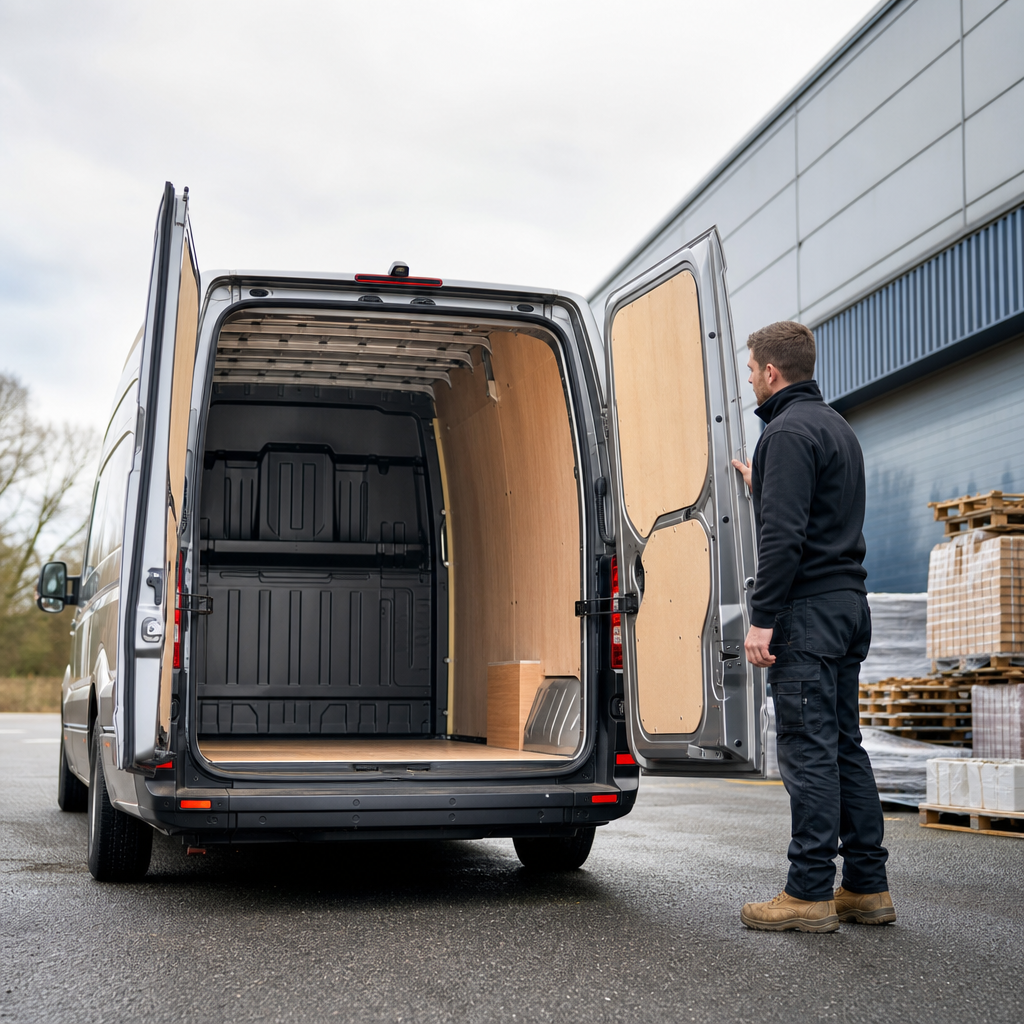
- Rear Doors: Barn doors (two doors opening outwards) are standard and generally preferred for easy forklift loading or when backing up to a loading bay. Tailgates (a single door opening upwards) are less common on panel vans but can provide shelter in bad weather.
- Loading Height: Consider the height from the ground to the load floor. A lower loading height makes it easier to manually lift heavy items.
Security: Your van is your livelihood. Protecting its contents is paramount.
- Factory-Fitted Alarms and Immobilisers: Check if these are present and functioning.
- Deadlocks: Aftermarket deadlocks are a wise investment, providing an extra layer of physical security.
- Bulkhead: A full-height steel bulkhead between the cabin and load area is essential, protecting the driver from shifting loads and deterring thieves by preventing access to the cabin from the rear.
- Discreet Appearance: Avoid advertising your van's contents with flashy branding. A plain white van is often less of a target.
Interior Racking and Lining:
- Ply-lining: Essential for protecting the van's interior from dents and scratches, preserving its resale value. Ensure it’s in good condition or budget for a replacement.
- Racking/Shelving: Pre-fitted racking can be a bonus, but ensure it suits your specific tools or goods. If not, factor in the cost of custom solutions from specialists like Tevo or Sortimo.
- Tie-down Points: Robust lashing points in the load floor are crucial for securing cargo.
Cabin Comfort & Technology: If you spend hours in your van, a comfortable cabin is vital. Look for air conditioning, Bluetooth connectivity for hands-free calls, and a decent infotainment system. Parking sensors or a reverse camera are invaluable, especially on larger models, making tight manoeuvres much safer and less stressful.
The Mileage-Condition Conundrum – Finding a Reliable Used Van
Mileage on a commercial vehicle can be misleading. A well-maintained van with 150,000 miles can be a far better buy than one with 80,000 miles that has been neglected.
Service History is King: A full, verifiable service history (FSH) is non-negotiable. Look for evidence of regular oil changes, filter replacements, and scheduled maintenance. This indicates a previous owner who cared for the vehicle, suggesting a longer, trouble-free life for you. Don't be afraid to ask for garage invoices.
Overall Condition: Conduct a thorough inspection:
- Bodywork: Check for excessive dents, scrapes, and rust, especially around wheel arches, sills, and door bottoms. Minor blemishes are acceptable for a workhorse, but significant damage could indicate neglect or prior accidents.
- Interior: Look at the driver's seat, steering wheel, and pedals for excessive wear. A clean, tidy cabin suggests a respected vehicle.
- Tyres: Ensure tyres are from a reputable brand, have ample tread depth (at least 3mm for vans), and show even wear. Uneven wear can indicate alignment issues.
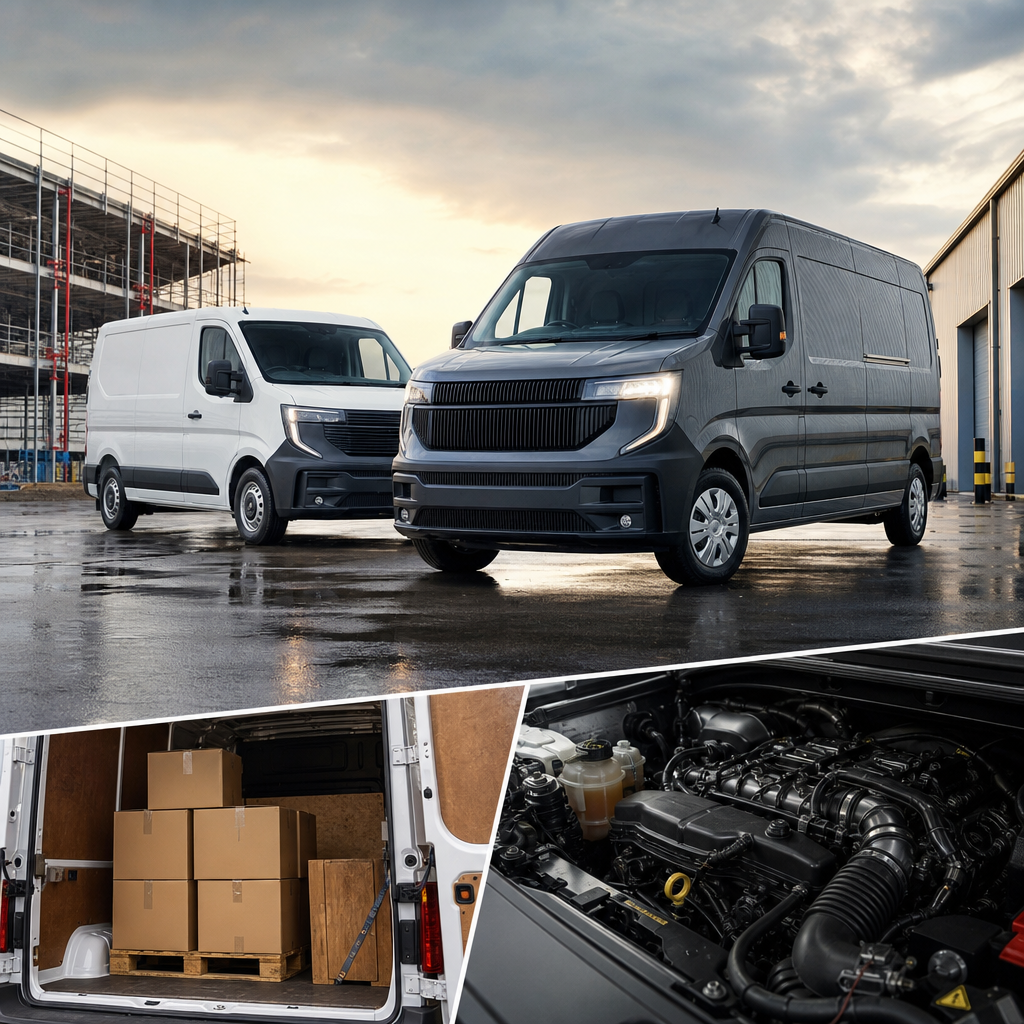
- Under the Bonnet: Look for fluid leaks, frayed belts, or any signs of amateur repairs.
- Test Drive: Listen for unusual noises from the engine, gearbox, and suspension. Check the brakes, steering, and clutch. Does the van pull to one side? Are there any warning lights on the dash?
MOT History: Utilise the free online MOT history checker provided by the UK government (gov.uk/check-mot-history). This will show you past advisories and failures, revealing recurring issues or potential future maintenance needs.
Popular Used Panel Van Models and Their UK Reliability
The UK market is rich with used panel vans, many of which have proven track records for reliability and robustness.
- Ford Transit Custom: Unbeatable popularity for a reason. Excellent to drive, reliable engines, strong dealer network, and fantastic payload/volume balance. Parts are readily available and generally affordable.
- Volkswagen Transporter: Often considered the premium choice. Known for solid build quality, refined engines, and strong residual values. Can be pricier, but often worth it for longevity and driving experience.
- Vauxhall Vivaro/Renault Trafic/Nissan NV300: These vans share the same platform and offer a practical, cost-effective solution. They provide good payloads and are widely available. Parts are shared, making maintenance straightforward.
- Mercedes-Benz Sprinter/Volkswagen Crafter (older models): Dominant players in the large van segment. Renowned for durability, high mileage capability, and driver comfort. Maintenance can be more expensive than Ford or Vauxhall, but they are built to last.
- Citroën Berlingo/Peugeot Partner/Vauxhall Combo/Toyota Proace City: Excellent small vans, now sharing a common platform across generations. They offer superb fuel economy, surprisingly good payloads for their size, and agile handling, making them ideal for urban operators.
When choosing, research specific engine variants and common issues for the model year you're considering. Forums and owner groups can be invaluable resources for real-world reliability insights.
Conclusion
Picking the right used panel van for your UK business is a significant decision that impacts efficiency, costs, and even your brand image. By diligently assessing your business needs, understanding the various van sizes and features, and conducting a thorough inspection with an eye on service history, you can confidently navigate the used market. Invest your time wisely at the research stage, and you'll undoubtedly find a reliable, cost-effective workhorse that serves your business well for years to come. Happy hunting on CarsLink.ai!