Winterising Your Ride: Essential Checks for Storing Your Used UK Motorcycle
As the vibrant colours of autumn fade and the chill of winter creeps in, many UK motorcyclists face the inevitable decision: brave the elements or tuck their beloved two-wheeled companion away until spring. While the lure of crisp winter rides is undeniable for some, the reality of icy roads, persistent rain, and road salt often makes seasonal storage the most sensible choice. But simply parking your bike in the shed for a few months isn’t enough; proper winterisation is crucial to protect your investment, ensure a hassle-free start in spring, and maintain its resale value.
At CarsLink.ai, we understand that your used motorcycle is more than just transport – it's a passion. That's why we've put together this comprehensive guide to help you prepare your bike for its winter hibernation, covering everything from cleanliness and battery care to tyre and fuel system maintenance, and vital security measures.
Preparing Your Motorcycle for Seasonal Storage: Cleanliness and Protection
The first, and arguably most important, step in winterising your motorcycle is a thorough clean. Neglecting this allows road grime, corrosive salts, and general muck to linger, potentially causing irreparable damage over the storage period.
Start by giving your bike a comprehensive wash. Pay particular attention to the underside, wheel arches, and any hidden nooks where dirt can accumulate. Use a dedicated motorcycle cleaner and a soft brush or sponge. While a pressure washer can be tempting, use it sparingly and with caution around electrical components, seals, and bearings to avoid forcing water into places it shouldn't be. Once washed, dry your bike completely – a leaf blower can be surprisingly effective for this, or simply take it for a short ride on a dry day to evaporate residual moisture.
Once sparkling clean and dry, it’s time for protection. Apply a good quality wax or polish to all painted surfaces. For chrome and polished metal, a dedicated metal polish will protect against tarnish. The real hero for winter protection, especially in our damp UK climate, is a corrosion inhibitor like ACF-50 or XCP Rust Blocker. Spray this liberally over all metallic parts, including the engine fins, frame, and suspension components, avoiding brake discs and tyres. These products create a protective film that actively repels moisture and prevents rust.
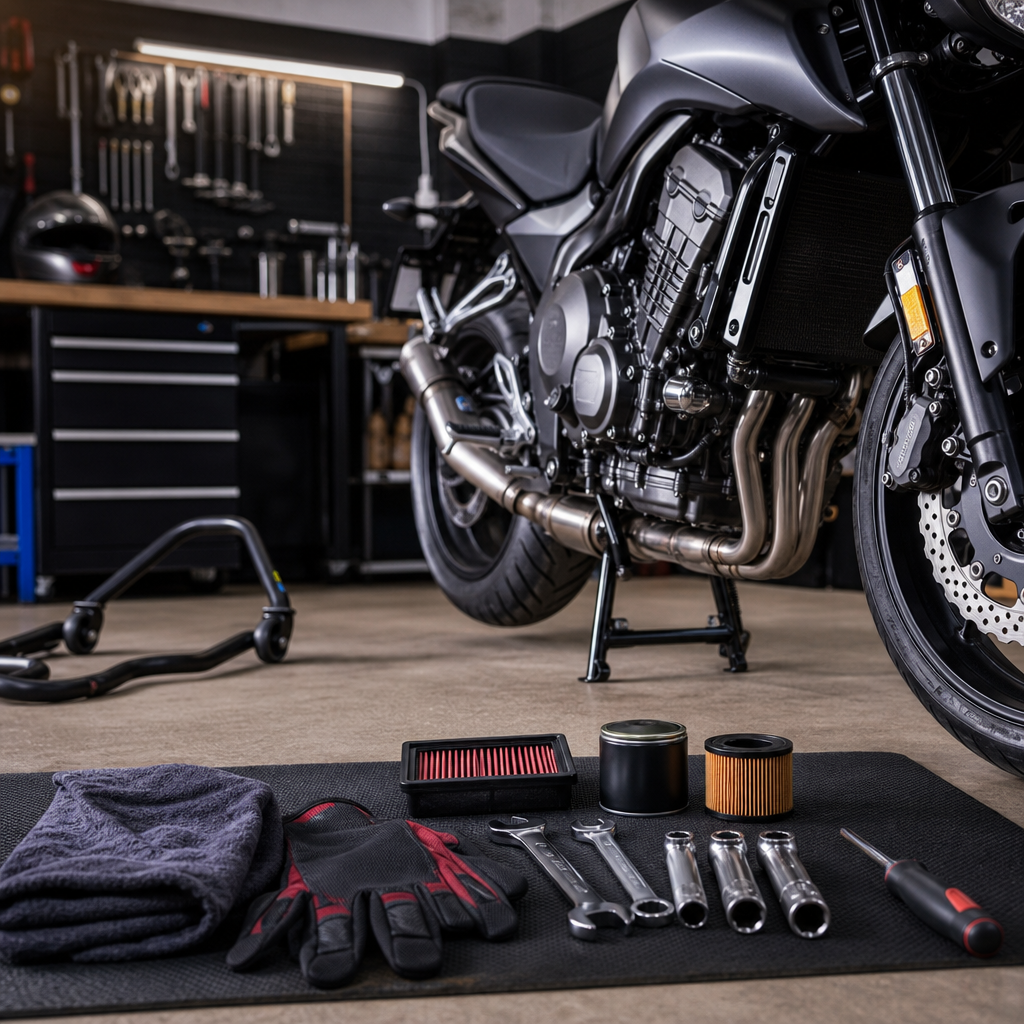
Don't forget lubrication. Your chain should be cleaned and re-lubricated with a high-quality chain wax or lube. While you're at it, lubricate cables (clutch, throttle) to prevent them seizing up over winter. A small amount of grease on pivot points like levers and footpeg hinges will also go a long way. This meticulous attention now will save you headaches and potentially costly repairs in the spring.
Battery Maintenance: Keeping Your Power Pack Primed
The battery is often the biggest culprit when it comes to post-winter starting issues. Left unchecked, it will slowly discharge, potentially leading to sulphation and a significantly reduced lifespan, or even complete failure.
The simplest and most effective solution is to connect your battery to a trickle charger or 'smart' charger (like an OptiMate or CTEK). These devices monitor the battery's charge level and maintain it at optimum capacity without overcharging. If you don't have access to power in your storage area, the next best option is to remove the battery entirely.
To remove it, always disconnect the negative (-) terminal first, followed by the positive (+). Once removed, clean the terminals thoroughly with a wire brush to remove any corrosion. Store the battery indoors in a cool, dry place, ideally on a non-conductive surface. Even if stored indoors, connecting it to a trickle charger for a day or two every few weeks will help maintain its charge. If you have an older, maintainable lead-acid battery, check the electrolyte levels and top up with distilled water if necessary before charging.
Tyre Care and Fuel System Preparation: Preventing Stagnation and Flat Spots
Your tyres and fuel system require specific attention to ensure they remain in prime condition during prolonged inactivity.
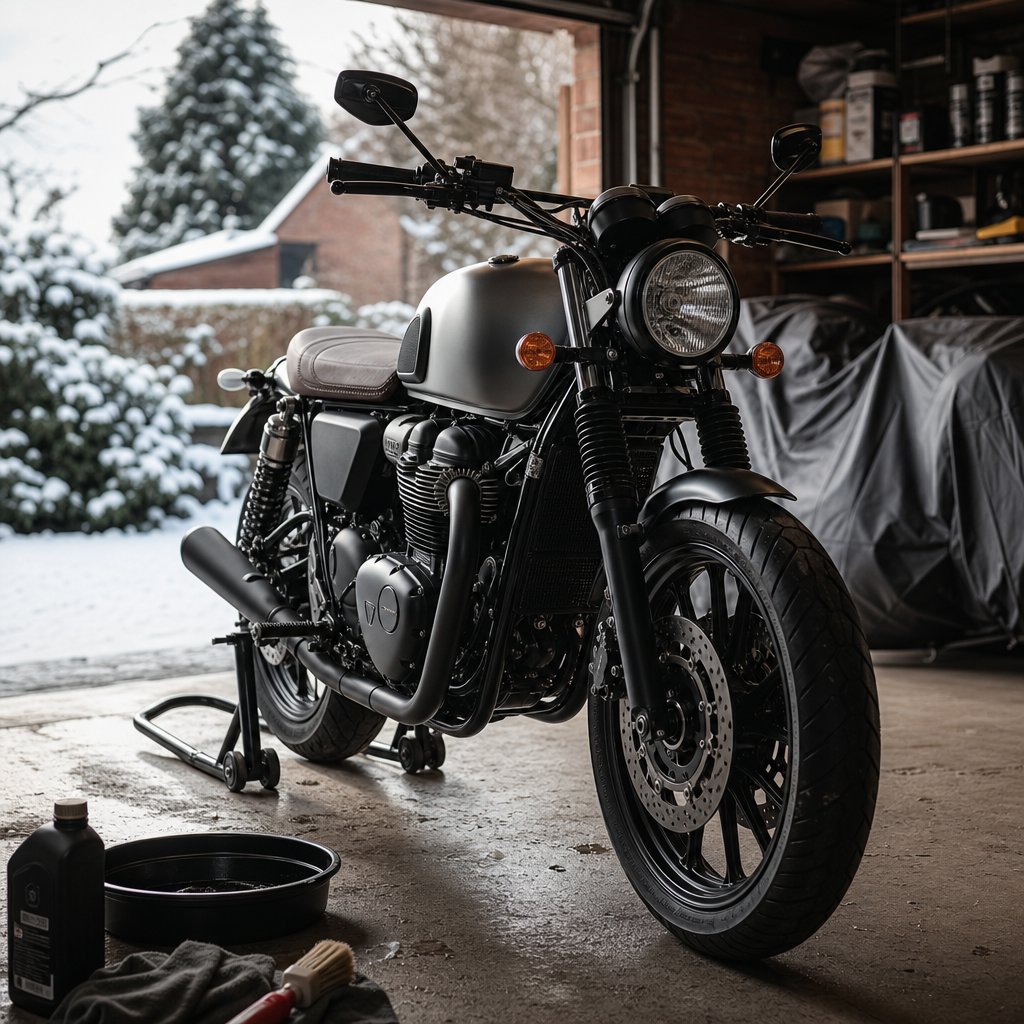
Tyre Care: Tyres can develop 'flat spots' if left stationary under the bike's weight for several months, leading to an uncomfortable and potentially unsafe ride when you finally hit the road. To prevent this, inflate your tyres to the manufacturer's recommended pressure plus an additional 5-10 psi. Better still, get the weight off the tyres entirely. A paddock stand (front and rear) or a centre stand is ideal for this. If neither is an option, rotate the wheels every few weeks to vary the contact patch. Before storing, give the tyres a good clean with warm soapy water to remove any road grime or oils, but avoid using silicone-based dressings on the tread, as these can reduce grip.
Fuel System Preparation: Modern fuels, especially E10 petrol, degrade surprisingly quickly, forming gums and varnishes that can clog carburettors, fuel injectors, and fuel lines. They can also attract moisture, leading to rust in metal tanks. You have two main approaches here:
- Fill and Stabilise: This is generally the preferred method for most modern bikes. Fill your fuel tank to the very brim with fresh petrol and add a reputable fuel stabiliser (e.g., Sta-Bil). Filling the tank minimises the air space, reducing condensation. Run the engine for 5-10 minutes after adding the stabiliser to ensure it circulates throughout the fuel system. This method is crucial for bikes with metal tanks to prevent internal rust.
- Drain (less common): For older carburetted bikes, some purists prefer to drain the fuel tank and carburettors completely. This ensures no old fuel can cause issues. However, it's a more involved process, can expose the tank's interior to air (leading to potential rust in metal tanks), and for most modern, fuel-injected bikes, the "fill and stabilise" method is sufficient and safer.
Whichever method you choose, inspect your fuel lines for any cracks or leaks before storage, as these can worsen over time.
Security and Optimal Storage Environment: Peace of Mind for the Winter Months
The right storage environment combined with robust security measures will give you peace of mind that your bike is safe from the elements and opportunistic thieves.
Ideally, your motorcycle should be stored in a dry, well-ventilated garage or shed. Avoid damp areas, as this will undo all your hard work with corrosion inhibitors. Once clean, protected, and prepared, cover your bike with a breathable motorcycle cover. Crucially, avoid non-breathable plastic sheeting, as this can trap moisture and cause condensation, leading to corrosion and mould. A breathable fabric cover allows air circulation while protecting against dust and minor knocks.
Consider pest control. Small rodents can cause significant damage by chewing through wiring or nesting in exhaust pipes. Block the exhaust outlet and air intake with a rag or mesh (remember to remove these in spring!). You might also place some rodent deterrents around the storage area.
Even if stored in a locked garage, don't skimp on security. Ground anchors, hefty chains and padlocks, and robust disk locks are all vital layers of defence. Position your bike so it's difficult to move and ideally out of sight from windows or doors. If your bike has an alarm system, ensure it's active. Consider a motion-activated CCTV camera if security is a major concern. Inform your insurance provider of the storage location, as this might affect your policy or offer specific benefits. Keep all your motorcycle documentation stored securely indoors.
Conclusion
Winterising your used UK motorcycle might seem like a chore, but it's an investment that pays dividends. A few hours of preparation now will protect your bike from the ravages of our winter weather, prevent common mechanical headaches, and ensure it fires up eagerly when the first signs of spring appear. By following these essential checks, you'll not only prolong your motorcycle's life and preserve its value but also guarantee that your first ride of the new season is one of pure, unadulterated joy. Ride safe, and we'll see you on the road next spring!