Winter Ready Wheels: Essential Pre-Storage Checks for Your Used UK Motorcycle
As the days shorten, the temperature drops, and the inevitable chill of a British winter creeps in, many of us face the melancholic task of parking up our beloved motorcycles. While the thought of a winter riding hiatus might sting, taking the time now to properly prepare your used UK motorcycle for storage is one of the smartest investments you can make. It’s not just about keeping your bike looking good; it’s about preventing costly damage, ensuring reliability, and guaranteeing a hassle-free return to the road when spring eventually rolls around.
Ignoring proper winterisation can lead to flat tyres, corroded components, a dead battery, and a myriad of other headaches come March. Think of it as a preventative health check for your two-wheeled companion. This comprehensive guide from CarsLink.ai will walk you through the essential pre-storage checks, ensuring your used motorcycle emerges from its hibernation in prime condition, ready for the open road.
Immaculate Preparation: Cleaning and Rust Prevention
The first, and arguably most critical, step in winterising your motorcycle is a thorough clean, followed by meticulous rust prevention. Accumulated road grime, mud, and crucially, road salt, are corrosive agents that will silently eat away at your bike over months of inactivity.
Start with a comprehensive wash. Use a good quality motorcycle-specific cleaner and a soft sponge or mitt, paying close attention to every nook and cranny. Degrease the engine, swingarm, and chain area to remove built-up oil and dirt. Don't forget the underside of mudguards and areas around the suspension linkages where grime loves to hide. For spoke wheels, a dedicated wheel brush can work wonders.
Drying is paramount. Any lingering moisture will become a breeding ground for rust. After rinsing, use a leaf blower or an air compressor to force water out of difficult areas like switchgear, electrical connectors, and cooling fins. Follow up with microfibre cloths to hand-dry all surfaces. Take your time with this – a damp spot left unattended can cause significant problems.
Once dry, it’s time for protection. Apply a good quality wax or polish to all painted surfaces and chrome. For exposed metal components, fasteners, and electrical connectors, a dedicated corrosion inhibitor like ACF-50 (Anti-Corrosion Formula) or Scottoiler FS 365 is invaluable. These products create a protective film that repels moisture and prevents rust. Don’t be shy with them, especially around the engine casing, exhaust welds, and underbody. Finally, clean your chain thoroughly and apply a generous coat of chain lube – this will prevent it from seizing and rusting during storage. As a final flourish, consider fitting an exhaust bung to prevent moisture and unwanted critters from taking up residence in your pipes.
Fuel & Power: Safeguarding the Heart of Your Bike
Two of the most common issues encountered after winter storage are stale fuel and a flat battery. Addressing these now will save you a world of frustration in the spring.
Fuel System Care: Modern petrol, especially E10, can degrade quite rapidly, forming gummy deposits that can clog fuel injectors or carburettor jets. To combat this, add a high-quality fuel stabiliser, such as Sta-Bil or Lucas Fuel Stabilizer, to your fuel tank. Follow the manufacturer's instructions for the correct dosage. Then, run the engine for 10-15 minutes to ensure the stabilised fuel circulates throughout the entire fuel system.
For bikes with a metal fuel tank, it's crucial to fill the tank to the brim with fuel after adding the stabiliser. This minimises the air space, which in turn reduces the likelihood of condensation forming inside the tank and causing rust. If your bike has carburettors, some experts recommend draining the float bowls after running the stabiliser through, as this is where fuel is most likely to degrade and cause blockages. Consult your bike's manual for specific instructions.
Battery Maintenance: A motorcycle battery left unattended over winter will invariably discharge and potentially suffer permanent damage. The best course of action is to remove the battery from the bike, clean its terminals, and connect it to a smart charger or trickle charger designed for motorcycles (e.g., OptiMate, CTEK, or Oxford Oximiser). These intelligent chargers maintain the battery's charge without overcharging, extending its lifespan. Store the battery in a cool, dry place away from direct sunlight and extreme temperatures. If removing the battery isn't feasible, ensure the bike is in a secure location where it can be safely connected to a charger.
Tyre & Suspension TLC: Preventing Flat Spots and Wear
Your motorcycle's tyres and suspension system also require specific attention to prevent long-term damage during storage.
Tyre Pressure Management: Tyres can develop flat spots when a bike is left stationary for an extended period, especially under its own weight. To mitigate this, inflate your tyres to the manufacturer's recommended pressure, and then add an additional 5-10 PSI. This extra pressure helps maintain the tyre's shape. Ideally, the best solution is to get both wheels off the ground using front and rear paddock stands. This completely removes pressure from the tyres and suspension, ensuring they remain perfectly round. If paddock stands aren't an option, try to move the bike every few weeks, rolling it a quarter turn to change the contact patch. Before storing, give the tyres a good clean to remove any road grime or brake dust, which can accelerate rubber degradation.
Suspension Protection: Just like your tyres, suspension components can suffer from being static. Clean the exposed chrome fork stanchions and rear shock shafts thoroughly. Apply a thin film of silicone spray or a dedicated fork oil to these surfaces. This lubricates the seals, preventing them from drying out and cracking, and helps protect the chrome from pitting. Getting the bike on paddock stands also benefits the suspension by relieving sustained compression, which can lead to premature wear or uneven pressure on springs and seals.
Secure Sanctuary: Storage Environment and Insurance Considerations
Finally, where and how you store your motorcycle is as important as the preparation itself.
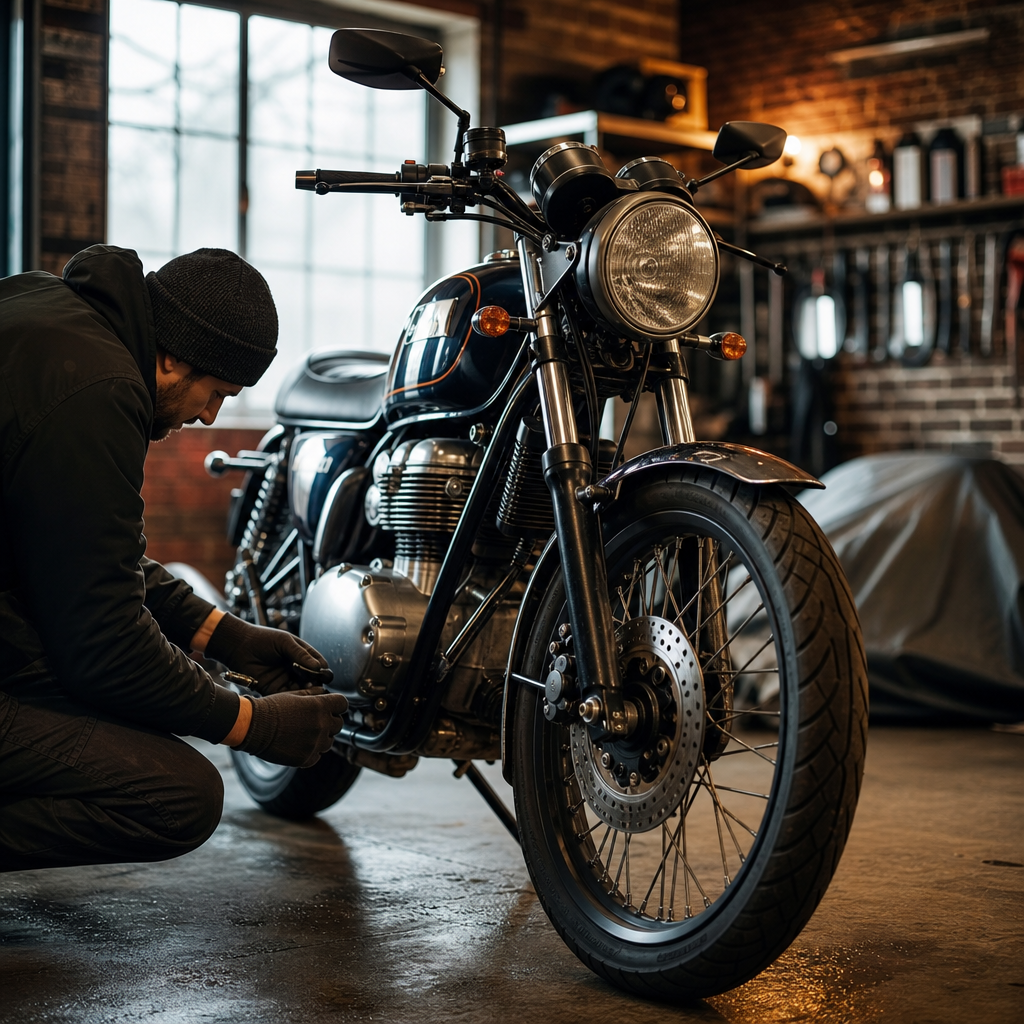
Storage Location: The ideal location is a dry, cool, well-ventilated garage. Avoid damp sheds, unheated outbuildings with wide temperature fluctuations, or areas exposed to direct sunlight. A consistent, moderate temperature is best. Once cleaned and protected, cover your motorcycle with a breathable, waterproof cover. Avoid non-breathable plastic tarpaulins directly on the bike, as these can trap moisture and accelerate corrosion. A good quality, purpose-made motorcycle cover will protect against dust, condensation, and minor bumps.
Pest Control: Garages can become attractive homes for rodents during winter. Mice, in particular, love to chew through wiring, create nests in airboxes, or block exhaust pipes. To deter them, plug any open orifices like the exhaust outlet and air intake with steel wool (remember to remove it in the spring!). Consider using rodent repellents or traps if you have a known pest problem in your storage area.
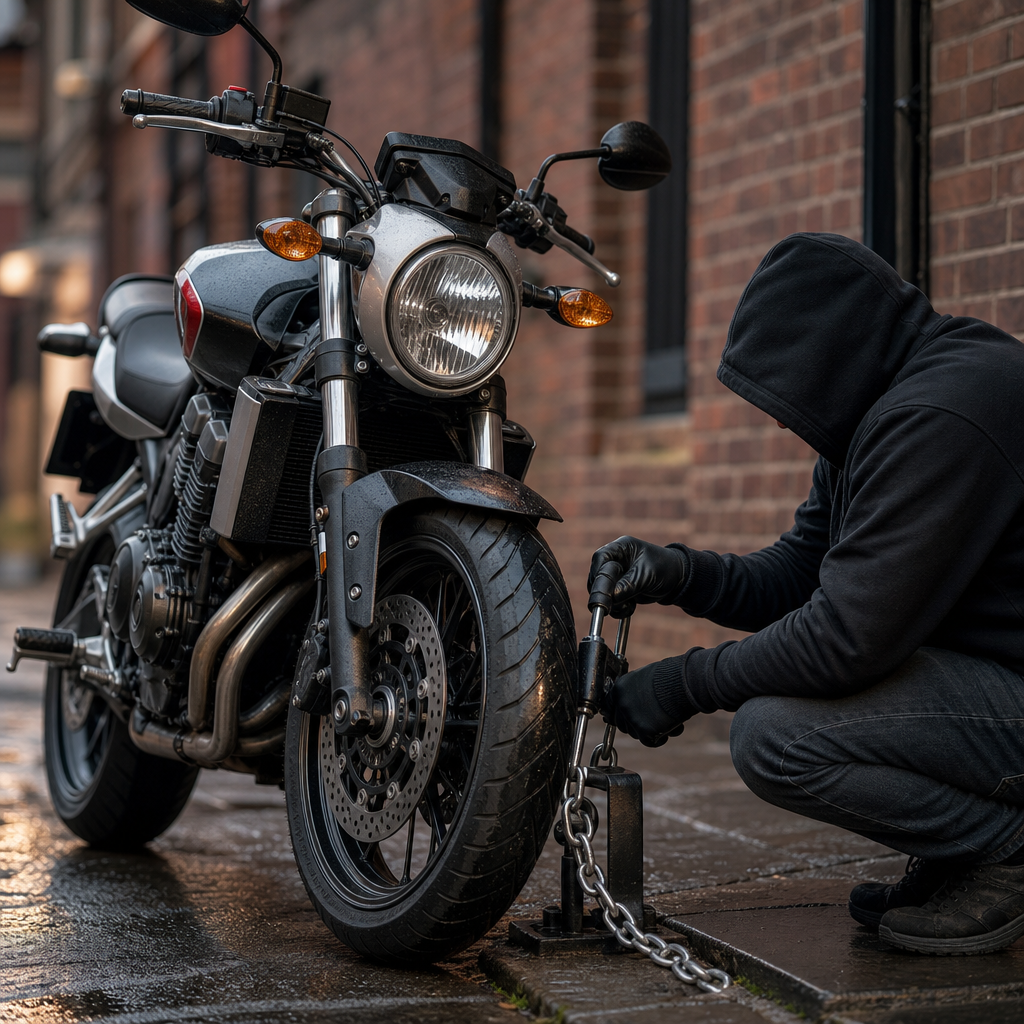
Insurance Considerations: This is a crucial, often overlooked, step. Always inform your insurance provider that your motorcycle will be off-road and in storage for an extended period. Many insurers offer "laid-up" or "storage" cover, which is typically cheaper than a full riding policy but still protects against fire, theft, and vandalism. This can save you money while ensuring your valuable asset remains protected. Check your policy documents carefully and confirm with your provider what level of cover you have and if any specific security measures (e.g., ground anchor, alarmed garage) are required for your storage location to remain valid.
By dedicating a few hours now to these essential pre-storage checks, you're not just putting your bike away for winter; you're investing in its longevity and your peace of mind. Come spring, instead of tackling a list of repairs and remedial work, you'll be able to uncover your gleaming, healthy motorcycle, ready to hit the open road and rediscover the joy of two-wheeled freedom. Happy winterising, and we look forward to seeing you back on the road in the spring!