Understanding Your Dashboard Warning Lights: A UK Used Car Driver's Manual
The sudden illumination of a warning light on your dashboard can strike fear into the heart of any driver. For those of us navigating the roads in a used car, where history and mileage can be a little more varied, this moment can be even more unsettling. Is it a minor glitch, a sign of impending doom, or simply a reminder to top up your screen wash?
At CarsLink.ai, we believe that understanding your vehicle's language is key to safe, economical, and stress-free motoring. Your dashboard isn't just a fancy display; it's a vital communication hub, alerting you to potential issues before they escalate into costly repairs or dangerous situations. This UK used car driver's manual will demystify those enigmatic symbols, guide you on what to do when they appear, and help you prevent unexpected surprises.
Decoding Common Warning Light Symbols
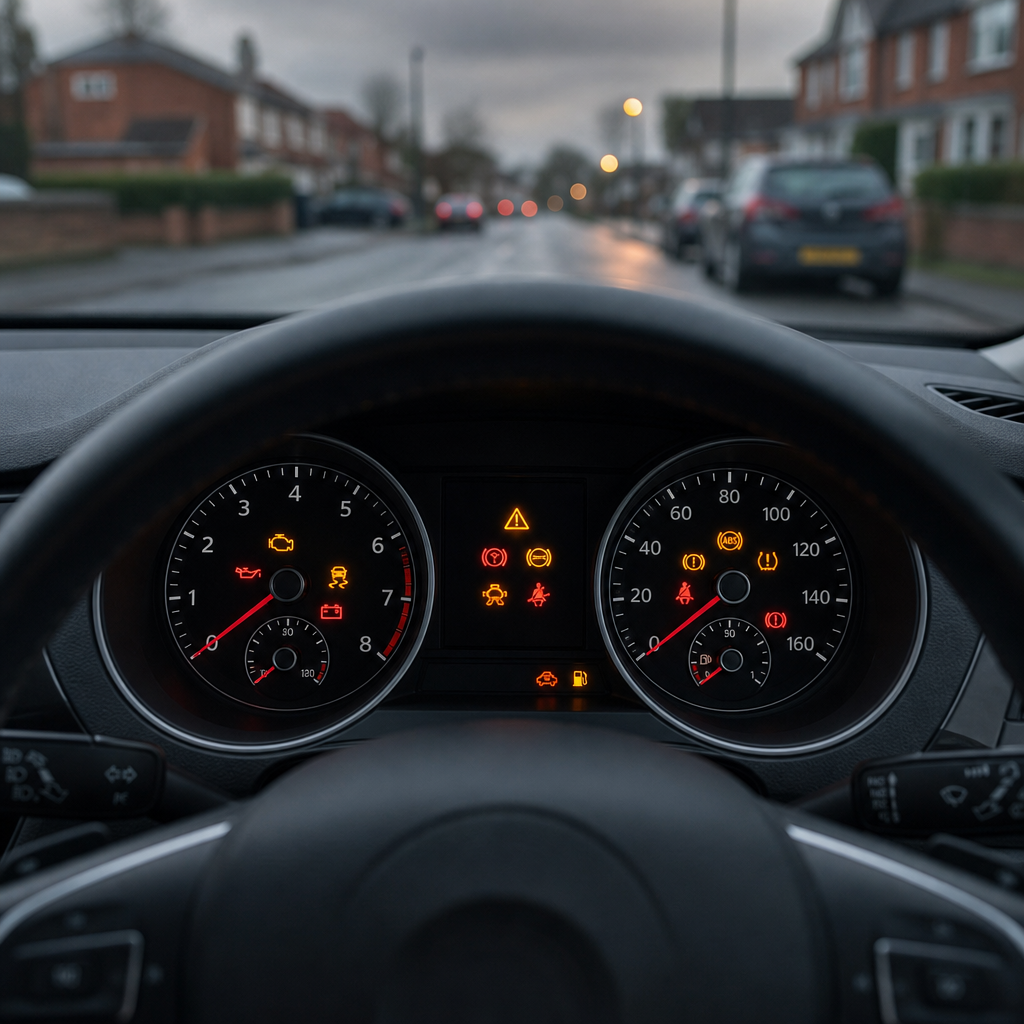
The first step to effective communication with your car is understanding the universally recognised colour code of warning lights. Think of it like a traffic light system:
- Red Lights: These are serious. They indicate a potentially dangerous fault that requires immediate attention. Ignoring a red light could lead to significant damage, a breakdown, or a safety hazard. Stop as soon as it's safe to do so.
- Amber/Orange Lights: These signify a less critical, but still important, issue or malfunction that needs checking soon. While you might be able to continue your journey carefully, it's wise to get the problem diagnosed without undue delay.
- Green/Blue Lights: These are purely informational, letting you know a system is active (e.g., headlights on, indicators flashing, full beam engaged, cruise control active). Nothing to worry about here!
Let's look at some of the most common symbols you're likely to encounter:
Red Warning Lights (STOP IMMEDIATELY IF SAFE):
- Engine Oil Pressure (Oil Can Symbol): This is one of the most critical. It means your engine has insufficient oil pressure, which could rapidly lead to catastrophic engine damage. Pull over immediately and switch off the engine. Do not restart.
- Battery/Charging System (Battery Symbol): Indicates a fault with your car's charging system, possibly the alternator, battery, or drive belt. Your car might run for a while on battery power alone, but it will eventually die.
- Brake System Warning (Circle with an Exclamation Mark or "P" inside): This can mean your handbrake is engaged, your brake fluid level is critically low, or there's a serious fault with your braking system. If the handbrake isn't on, pull over immediately and check your brake fluid. Do not drive if the pedal feels spongy or if the light persists.
- Engine Coolant Temperature (Thermometer Symbol): Your engine is overheating. Continuing to drive will likely cause severe and irreversible engine damage. Stop, switch off, and let it cool. Do not open the radiator cap when hot.
- Airbag Warning (Person with a Circle/Airbag Symbol): Indicates a fault in the airbag system. In an accident, the airbags may not deploy, or they could deploy unexpectedly. Get this checked promptly.
Amber/Orange Warning Lights (CHECK SOON):
- Check Engine/Malfunction Indicator Lamp (MIL) (Engine Outline Symbol): This is a generic warning for a wide range of engine-related issues, from a loose fuel cap to a serious emissions system fault. While your car might feel normal, it's important to get the fault codes read by a mechanic soon. Ignoring it can lead to increased fuel consumption, higher emissions, and potential damage.
- Anti-lock Braking System (ABS) (Circle with "ABS" inside): This light means there's a fault with your ABS. Your regular brakes will still work, but the anti-lock function won't be operational, meaning your wheels might lock up under hard braking. Exercise caution, especially in wet conditions, and get it checked.
- Tyre Pressure Monitoring System (TPMS) (Flat Tyre Symbol with Exclamation Mark): Your tyre pressure is low in one or more tyres. Pull over safely and check all your tyre pressures. Inflate to the correct level as soon as possible to prevent tyre wear and potential blowouts.
- Electronic Stability Programme (ESP)/Traction Control (Car Skidding Symbol): This light will flash when the system is actively helping to prevent a skid. If it stays on continuously, there's a fault with the system. Your car will still drive, but you won't have the benefit of these stability aids.
- Low Fuel (Fuel Pump Symbol): You're running low on fuel. Find a petrol station!
- Washer Fluid (Windscreen with Spray Symbol): Your windscreen washer fluid is low. Top it up at your earliest convenience for clear visibility.
What to Do When a Light Comes On: Urgency and Immediate Actions
Knowing what the lights mean is one thing; reacting appropriately is another. Your immediate actions can make a huge difference to safety and repair costs.
For Red Warning Lights:
- Stop Safely: As soon as it's safe to do so, pull over to the side of the road, switch on your hazard warning lights, and turn off the engine. Do not continue driving.
- Consult Your Owner's Manual: Even for a used car, if you have the manual (or can find a digital version online for your specific make and model), it will provide precise details for your vehicle and recommended actions.
- Do Not Restart (Unless Advised): For lights like the oil pressure or overheating warning, restarting the engine could cause irreversible damage.
- Call for Assistance: If you're unsure or the fault is critical, call your breakdown recovery service. A professional assessment is vital.
For Amber/Orange Warning Lights:
- Assess the Situation: Consider how the car feels. Are there any strange noises, smells, or changes in performance (e.g., loss of power, difficulty steering)?
- Check Simple Things: For a TPMS light, visually inspect your tyres. For a low washer fluid light, check the reservoir.
- Drive with Caution: If the car feels otherwise normal, you can usually continue your journey, but avoid high speeds or demanding driving conditions. Plan to get it checked out as soon as possible.
- Consult Manual: Again, your owner's manual will provide specific advice for each amber warning light.
- Book a Mechanic: Don't delay in booking your car into a reputable garage for diagnosis. Ignoring amber lights can lead to more serious (and red light-worthy) problems down the line.
When to Seek Professional Help from a Mechanic
While some minor issues (like low screen wash) can be resolved at home, the vast majority of warning lights, particularly red and persistent amber ones, warrant professional attention.
- Red Lights: Always, without exception, involve a mechanic or breakdown service. These are critical issues that require immediate expert diagnosis and repair. Driving with a red warning light illuminated is not only risky but could also invalidate your insurance in the event of an accident or further damage.
- Persistent Amber Lights: If an amber light, especially the dreaded "Check Engine" light, stays on after you've checked the obvious (like tightening your fuel cap) or reappears after being reset, it's time for a professional. Modern cars rely on complex electronic systems, and mechanics use specialised diagnostic equipment (OBD-II scanners) to read 'fault codes' stored in your car's computer. These codes pinpoint the exact system or component that's causing the issue, which is something a home mechanic typically can't do accurately.
- Safety-Critical Systems: Lights related to ABS, ESP, power steering, or airbags should always be handled by a professional. These systems are crucial for your safety and the safe behaviour of your vehicle on the road.
- Unusual Behaviour: If your car is making strange noises, smells unusual, feels different to drive, or shows any signs of impaired performance alongside a warning light, do not hesitate to seek expert advice.
Ignoring warning lights, even amber ones, can lead to more extensive and expensive repairs later, potential MOT failures, and significantly compromise your safety. A small issue with a sensor, if left unaddressed, could lead to damage to catalytic converters or engine components, costing hundreds, if not thousands, to rectify.
Preventative Checks to Avoid Unexpected Warning Light Surprises
The best way to deal with warning lights is to prevent them from appearing in the first place. Regular maintenance and a few simple checks can go a long way in ensuring your used car remains reliable.
- Stick to the Service Schedule: This is paramount for a used car. Regular servicing, as per the manufacturer's recommendations (or even more frequently for older, higher-mileage vehicles), ensures that vital fluids are changed, filters are replaced, and key components are inspected for wear and tear. This proactive approach catches potential issues before they become warning-light worthy.
- Check Fluid Levels Regularly:
- Engine Oil: Check weekly or fortnightly using the dipstick (ensure car is on level ground and engine is cold or has sat for 10-15 mins).
- Coolant: Check the expansion tank when the engine is cold. Never open a hot radiator cap.
- Brake Fluid: Check the reservoir; it should be between the min and max marks. A drop could indicate worn pads or a leak.
- Power Steering Fluid (if applicable): Check the reservoir.
- Screen Wash: Keep it topped up, especially in winter.
- Monitor Tyre Pressures and Condition: Check your tyre pressures monthly (including the spare!) and before long journeys. Under-inflated tyres can trigger the TPMS light, reduce fuel economy, and compromise handling. Also, regularly inspect tyres for cuts, bulges, and tread depth.
- Listen and Feel for Changes: Pay attention to your car. Any new noises (squeals, grinding, knocks), vibrations, smells, or changes in how the car drives should be investigated. Often, these are early warning signs of an issue that hasn't yet triggered a dashboard light.
- Battery Health Check: While modern batteries often fail without much warning, ensure the terminals are clean and corrosion-free. If your car struggles to start, get the battery's health tested, particularly as winter approaches.
- Observe Dashboard Light Up Sequence: When you turn the ignition key (before starting the engine), most cars will briefly illuminate all warning lights as a self-test. This is a good habit to observe. If a critical light doesn't come on during this test, it could indicate a faulty bulb masking an underlying problem!
Conclusion
Your car's dashboard warning lights are not there to scare you; they are your car's way of communicating its health and needs. For UK used car drivers, understanding and reacting appropriately to these signals is an essential part of responsible vehicle ownership. By knowing what each light means, taking immediate action when necessary, seeking professional help when warranted, and conducting preventative checks, you can significantly reduce the likelihood of breakdowns, avoid costly repairs, and ensure safer, more confident journeys.
Don't let a flashing light leave you stranded. Empower yourself with knowledge and keep your used car running smoothly. For more guides and to browse our extensive range of reliable used cars, visit CarsLink.ai today.