Tyre Pressure Monitoring Systems: Understanding Your Used Car's TPMS in the UK
When you’re browsing the vast selection of used cars on CarsLink.ai, you’ll notice that almost every modern vehicle comes equipped with a feature that was once a luxury: a Tyre Pressure Monitoring System, or TPMS. Since November 2014, TPMS has been a mandatory safety feature for all new cars sold in the EU and, by extension, the UK. This means most used cars you consider from that era onwards will have one.
But what exactly is TPMS, and why is it so important for your safety and wallet? In essence, it’s your car’s way of keeping a watchful eye on your tyres, alerting you if pressure drops below optimal levels. Understanding how your used car’s TPMS works, how to interpret its warnings, and how to maintain it can save you from costly repairs, improve fuel efficiency, and most importantly, keep you safer on the road. Let’s demystify this essential system.
How TPMS Works: Direct vs. Indirect Systems Explained
Not all TPMS are created equal. There are two primary types you’ll encounter in used cars, each with its own method of detecting pressure drops.
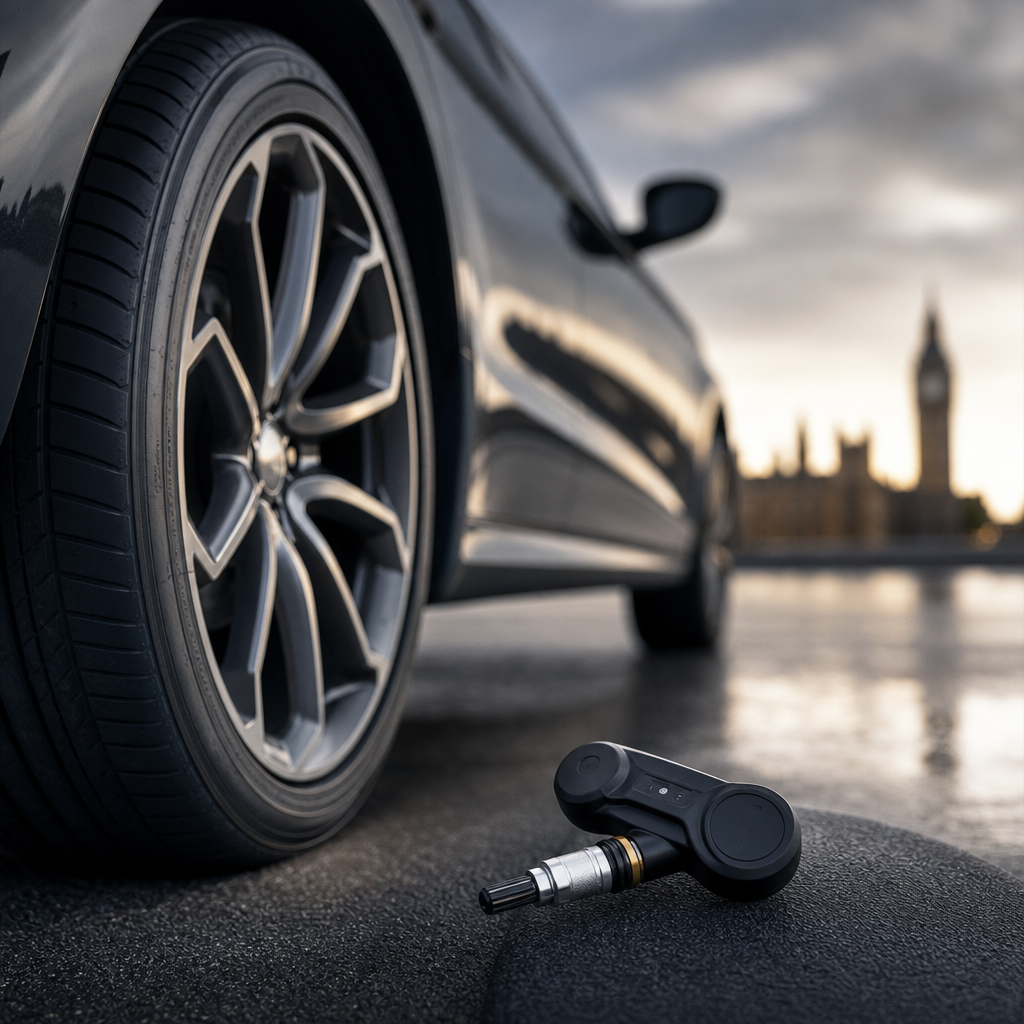
Direct TPMS This is often considered the more sophisticated system. Direct TPMS uses individual pressure sensors mounted inside each tyre, typically integrated into the valve stem. These sensors constantly monitor the exact pressure and temperature of each tyre and wirelessly transmit this data to your car's onboard computer.
- Pros: Highly accurate, provides real-time pressure readings, often identifies which specific tyre is under-inflated, and can detect slow leaks very quickly. You might even see individual tyre pressures displayed on your dashboard in some premium models.
- Cons: More complex and expensive to maintain. The sensors contain batteries that eventually run out (typically 5-10 years), requiring the entire sensor unit to be replaced. They can also be damaged during tyre fitting if technicians aren't careful.
- Examples: Often found in higher-spec models or newer vehicles from manufacturers like BMW, Mercedes-Benz, and many Asian brands.
Indirect TPMS This system is simpler and generally less expensive to manufacture, often found in more entry-level or older compliant vehicles. Instead of dedicated pressure sensors, indirect TPMS leverages your car’s existing Anti-lock Braking System (ABS) and Electronic Stability Control (ESC) wheel speed sensors.
- How it works: When a tyre loses pressure, its circumference slightly reduces, causing it to spin at a slightly different speed compared to the other tyres over the same distance. The indirect TPMS detects these differences in rotational speed and interprets them as a sign of under-inflation.
- Pros: Simpler design, no dedicated sensors mean lower maintenance costs (no batteries to replace), and it’s generally more robust.
- Cons: Less accurate than direct systems, it doesn't provide exact pressure readings, and it's slower to detect significant pressure drops. For the system to calibrate correctly, all tyres must be correctly inflated before resetting. It also cannot identify which specific tyre is affected, only that a tyre (or multiple tyres) is losing pressure.
- Examples: Common in many vehicles from manufacturers like Volkswagen (e.g., some Golf models), Ford, and Skoda.
Identifying Common Warning Signs and Basic Troubleshooting
The most common sign of a TPMS issue is a dashboard warning light. This distinctive symbol typically looks like a cross-section of a tyre with an exclamation mark inside (often amber or yellow).
- Solid Warning Light: If the TPMS light illuminates and stays solid, it usually means one or more of your tyres is significantly under-inflated – typically by 25% or more below the manufacturer’s recommended pressure. This requires immediate attention.
- Flashing Warning Light: A TPMS light that flashes for a few seconds upon starting the car and then remains solid, or flashes continuously, generally indicates a system malfunction. This could be due to a faulty sensor (e.g., a dead battery in a direct TPMS), a wiring issue, or a problem with the TPMS control module itself.
Basic Troubleshooting Steps:
- Stop Safely: If the light comes on while driving, find a safe place to pull over.
- Check All Tyre Pressures Manually: Do not rely solely on the TPMS light for diagnosis. Use a reliable tyre pressure gauge to check all four tyres, and don't forget the spare if your vehicle is equipped with a full-size spare and it has a sensor (though most space-saver spares do not).
- Inflate to Recommended Pressure: Top up any under-inflated tyres to the manufacturer's recommended pressure. You'll typically find these figures on a sticker inside the driver’s door jamb, in the owner's manual, or on the fuel filler flap. Remember to check both the 'normal load' and 'full load' pressures.
- Drive and Observe: After inflating, drive for 10-15 minutes at a steady speed (e.g., 30-50 mph). This allows the system to re-learn the new pressures. In most cases, the warning light should extinguish.
- If the Light Persists or Flashes: If the light stays on after correct inflation and driving, or if it's flashing, it indicates a fault within the TPMS itself. At this point, it’s best to consult a professional mechanic or tyre specialist.
The Importance of Correct Tyre Pressure for Safety and Fuel Efficiency
Beyond the dashboard warning, maintaining correct tyre pressure is fundamental to your driving experience and the operational costs of your used car.
- Enhanced Safety: Correctly inflated tyres provide optimal grip, ensuring precise handling, shorter braking distances, and greater stability, especially in adverse weather conditions like rain. Under-inflated tyres can lead to sluggish steering, reduced grip, and an increased risk of hydroplaning and blowouts, which can be extremely dangerous. Over-inflated tyres can reduce grip and make your ride harsher.
- Improved Fuel Efficiency: Tyres that are under-inflated create more rolling resistance, meaning your engine has to work harder to move the car. This directly translates to increased fuel consumption, costing you more at the petrol pump. By keeping your tyres properly inflated, you can significantly reduce your fuel bill over the lifespan of your ownership.
- Extended Tyre Lifespan: Incorrect tyre pressure leads to uneven wear. Under-inflated tyres wear more heavily on their outer edges, while over-inflated tyres wear excessively in the centre. Maintaining the correct pressure ensures the tyre makes even contact with the road, distributing wear uniformly and extending the life of your tyres, saving you money on premature replacements.
When and How to Reset Your TPMS After Inflation or Tyre Changes
After adjusting tyre pressures or having new tyres fitted, you’ll almost certainly need to reset or recalibrate your TPMS. This tells the system to recognise the new 'correct' pressures as its baseline.
When to Reset:
- After manually adjusting tyre pressures to the recommended levels.
- After rotating your tyres.
- After replacing one or more tyres.
- After installing a spare tyre (if it has a sensor and you intend to drive on it for an extended period).
How to Reset (General Guidance – Always Check Your Owner's Manual!):
- For Direct TPMS: In many cars with direct TPMS, the system will automatically re-learn the new pressures after you've driven for a short period (e.g., 10-20 minutes at a consistent speed) following inflation. Some vehicles, however, may have a manual reset button (often found in the glovebox, under the dashboard, or accessed via the infotainment system's settings menu). For a full sensor replacement or significant system work, a specialist diagnostic tool might be required to re-register new sensors.
- For Indirect TPMS: Resetting an indirect TPMS is usually a manual process.
- Ensure all tyres are inflated to the manufacturer's recommended pressure.
- Park the car safely, engage the handbrake.
- Turn the ignition on (engine can be off).
- Locate the TPMS reset button. This is commonly found near the gearstick, in the glovebox, on the dashboard, or sometimes within the infotainment system or steering wheel controls.
- Press and hold the button until the TPMS warning light flashes a few times or you hear a confirmation beep.
- Drive the vehicle for a period (e.g., 10-15 minutes) to allow the system to complete its learning cycle. The warning light should then go out.
Always refer to your car's specific owner's manual for precise instructions, as the location and method can vary significantly between manufacturers and models.
Maintenance Tips and Understanding Sensor Replacement Costs
Like any part of your car, your TPMS requires a little attention to ensure it functions reliably.
General Maintenance:
- Regular Manual Checks: Even with TPMS, it’s good practice to manually check your tyre pressures once a month with a reliable gauge. This gives you an early heads-up and confirms your TPMS is working.
- Inform Tyre Technicians: When having new tyres fitted or punctures repaired, always inform the technician that your car has TPMS. They need to be extra careful to avoid damaging the internal sensors, especially with direct TPMS. They should also replace the valve stem components (like the cap and core) that often come as a TPMS service kit.
- Valve Caps: Ensure your TPMS valve stems have caps. These protect the valve from dirt, moisture, and road salt, which can cause corrosion and lead to leaks or sensor failure.
Sensor Replacement Costs (Direct TPMS): The batteries within direct TPMS sensors are typically sealed units and are not independently replaceable. When a sensor battery dies (usually after 5-10 years), the entire sensor needs replacing. This often coincides with needing new tyres anyway, as the lifespan is similar.
- Sensor Cost: A single TPMS sensor can cost anywhere from £30 to £100+ in the UK, depending on the car manufacturer and whether you opt for an OEM (Original Equipment Manufacturer) or aftermarket part.
- Labour and Re-calibration: Fitting a new sensor requires removing the tyre from the wheel, fitting the sensor, re-seating and balancing the tyre, and then pairing the new sensor to your car’s TPMS control unit. This process typically involves specialist tools and labour, adding another £20-£50+ per wheel.
- Total Cost: For a single sensor replacement, you could be looking at a total cost of £50 to £150+. If multiple sensors fail around the same time (which is common due to similar battery life), the cost can quickly add up. It’s often sensible to replace all sensors if one fails and they are all of similar age, to avoid repeated visits to the garage.
For indirect TPMS, sensor replacement isn’t an issue as it doesn’t use dedicated sensors. However, if the TPMS warning light is flashing, it could indicate an issue with the ABS/ESC sensors, which are more complex and costly to replace.
Conclusion
Your used car's Tyre Pressure Monitoring System is far more than just another dashboard light; it’s a crucial safety and economy feature. Whether your car uses a sophisticated direct system or a simpler indirect one, understanding its operation and how to respond to its warnings is essential for any responsible driver.
By regularly checking your tyre pressures, resetting the system correctly after maintenance, and addressing any persistent warning lights promptly, you’ll ensure your tyres are always performing at their best. This not only enhances your safety on the UK’s roads but also contributes to better fuel efficiency and extends the life of your tyres, saving you money in the long run. Don’t ignore your TPMS – it’s a valuable guardian for your journey.