The Silent Contender: What to Look for When Buying a Used Hybrid Car in the UK
The automotive landscape is evolving at a rapid pace, and for many UK drivers, the humble hybrid has become a compelling bridge between traditional petrol power and the fully electric future. Offering a blend of lower running costs, improved environmental credentials, and often exemption from charges like the ULEZ, a used hybrid can be a remarkably smart purchase.
However, a hybrid isn't just a standard car with an electric motor tacked on. It's a sophisticated piece of engineering with unique components that require specific attention when buying second-hand. Here at CarsLink.ai, we believe in empowering you with the knowledge to make an informed decision. Let's delve into what you need to look for when eyeing up a used hybrid in the UK market.
Decoding the Hybrid Landscape: Mild, Full, and Plug-in
Before you even start inspecting a vehicle, it's crucial to understand that not all hybrids are created equal. They fall into three main categories, each with different implications for ownership and what to check.
Mild Hybrids (MHEV): These are the simplest form of hybrid. An MHEV typically uses a small 48-volt battery and an integrated starter generator to assist the internal combustion engine (ICE) during acceleration and to improve the efficiency of the stop-start system. Crucially, a mild hybrid cannot drive on electric power alone.
- Implications for used buyers: MHEVs are the most similar to conventional petrol or diesel cars. The hybrid system is less complex, meaning there's less to worry about regarding significant battery degradation. Examples include some Suzuki Swifts, Hyundai Tucson MHEVs, and certain Audi and Mercedes-Benz models. You'll get a modest fuel economy boost, but don't expect silent, electric-only driving.
Full Hybrids (FHEV/HEV): Also known as self-charging hybrids, these vehicles feature a larger battery and a more powerful electric motor, allowing them to drive short distances (typically up to a few miles) purely on electric power, particularly at lower speeds. The battery is recharged by the ICE and through regenerative braking.
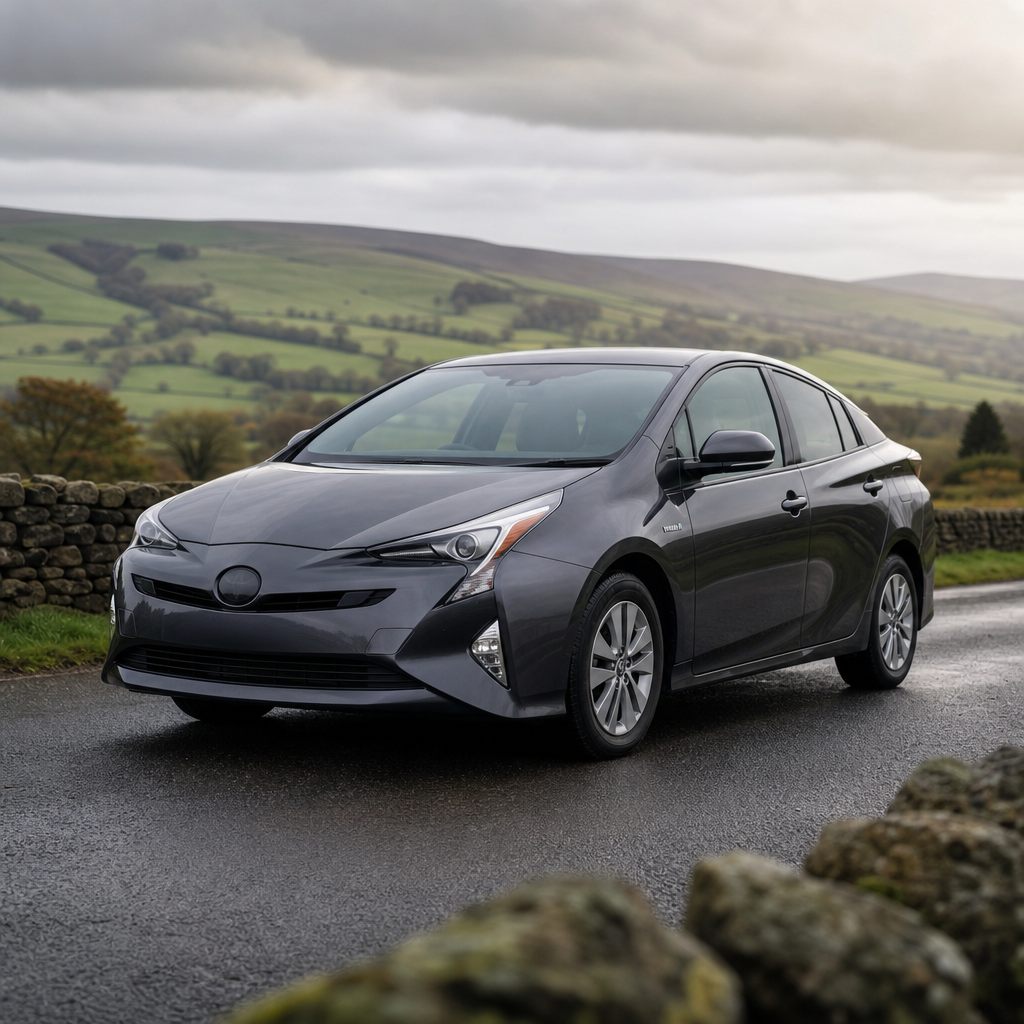
- Implications for used buyers: This is where battery health starts to become a more significant concern. Full hybrids offer noticeable fuel savings, especially in urban stop-start traffic. Think popular models like the Toyota Yaris Hybrid, Toyota Prius, Honda Jazz Hybrid, and various Lexus models. Their greater complexity means a more thorough inspection is warranted.
Plug-in Hybrids (PHEV): The most advanced of the bunch, PHEVs combine a conventional engine with a large battery and powerful electric motor, allowing for significant electric-only range – typically 20 to 50+ miles on a full charge. As the name suggests, they need to be plugged into an external power source to fully recharge their battery, just like an electric car.
- Implications for used buyers: PHEVs offer the potential for exceptionally low running costs if you can charge regularly and most of your journeys fall within the electric range. However, they are also the most complex and expensive to buy new, and this translates to greater scrutiny required in the used market. Examples include the Mitsubishi Outlander PHEV, BMW 330e, and VW Golf GTE. Battery health is paramount here, as is understanding the previous owner's charging habits.
Assessing the Heart of the Hybrid: The Battery System
The hybrid battery is arguably the most critical and potentially expensive component in any full or plug-in hybrid. While they are designed for longevity, degradation does occur over time and mileage.
Signs of Degradation:
- Reduced EV range: For PHEVs and FHEVs, if the car's electric-only range is significantly lower than its original advertised figures (accounting for external factors like temperature), it could indicate battery degradation.
- More frequent ICE engagement: In FHEVs, if the petrol engine kicks in more often or earlier than expected, even at low speeds or gentle acceleration, it suggests the battery isn't holding or delivering charge as effectively.
- Poor fuel economy: If the car isn't relying on its electric power as much, its overall fuel economy will suffer.
- Dashboard warning lights: Any illuminated warning lights related to the hybrid system or battery are an immediate red flag and warrant professional investigation.
How to Check (Practically):
- Test drive: During your test drive, pay close attention to how the car switches between electric and petrol power. Does it feel smooth? Does the battery hold charge as expected? For a PHEV, try to test it with a full charge to assess its EV range.
- Service history: This is crucial. Look for evidence of regular hybrid system checks or any battery-related maintenance. Some manufacturers, like Toyota, offer specific hybrid health checks and extended battery warranties if these checks are performed annually.
- Specialist inspection: The most definitive way to assess battery health is through a diagnostic tool that can read the battery's 'State of Health' (SoH). This is typically something a hybrid-specialist garage would perform as part of a pre-purchase inspection. It's a worthwhile investment.
Warranty Considerations:
- Manufacturer warranty: Hybrid batteries and components typically come with a separate warranty, often 5-8 years or 100,000 miles, whichever comes first. Check if the used car is still within this period. This can provide significant peace of mind.
- Extended warranties: Some manufacturers offer extended battery warranties, sometimes contingent on regular hybrid health checks. Inquire about this.
- Aftermarket warranties: If the manufacturer warranty has expired, check what an aftermarket warranty specifically covers regarding hybrid components – many may have exclusions for battery degradation.
Beyond the Battery: Motor, Inverter, and Regenerative Braking
While the battery often gets the most attention, other crucial hybrid components also warrant a thorough check.
Electric Motor: Generally very robust with fewer moving parts than an ICE, electric motors are usually trouble-free. However, listen for any unusual whining, grinding, or buzzing noises during electric-only driving or when transitioning from EV to ICE. The power delivery should feel smooth and consistent.
Inverter/Power Control Unit (PCU): This vital component converts the battery's DC power into AC for the electric motor and vice versa during regenerative braking. It's a complex, high-voltage unit.
- Signs of fault: Warning lights on the dashboard, loss of power, or erratic behaviour of the hybrid system. A failing inverter can be very expensive to replace, so ensure the service history doesn't indicate any past issues with this part.
Regenerative Braking System: A key feature of hybrids, this system uses the electric motor to slow the car down, generating electricity to recharge the battery in the process. It works in conjunction with the conventional hydraulic braking system.
- What to check:
- Braking feel: The brakes should feel consistent and smooth. Any sponginess, excessive grab, or inconsistent feel, especially at lower speeds where regenerative braking is most active, could indicate an issue.
- Energy flow display: During your test drive, observe the energy flow monitor (usually on the infotainment screen or driver's display). When you lift off the accelerator or brake gently, you should see energy flowing back into the battery. If this isn't happening, or it's inconsistent, it's a concern.
- Brake pad wear: Due to regenerative braking, hybrid brake pads often last significantly longer than those on conventional cars. However, still inspect them for uneven wear or signs of neglect.
Cooling Systems: Remember that high-voltage hybrid components (battery, inverter) often have their own dedicated cooling systems separate from the engine's. Ensure these are maintained according to the service schedule – check coolant levels and condition for these specific systems.
Real-World Economy: Bridging the Gap from Advertised Figures
One of the primary motivations for buying a hybrid is improved fuel economy. However, it's essential to manage your expectations when looking at a used model.
WLTP vs. Real-World: Official WLTP (Worldwide Harmonised Light Vehicle Test Procedure) figures are laboratory tests, useful for comparing cars but rarely achieved in everyday driving. For used hybrids, minor battery degradation or general wear and tear might further impact these figures.
Factors Influencing Hybrid Economy:
- Driving style: Aggressive acceleration and harsh braking will negate most hybrid benefits. Smooth, anticipatory driving is key to unlocking the best efficiency.
- Journey type: Hybrids excel in urban, stop-start traffic where they can maximise electric-only driving and regenerative braking. Long motorway cruises are less efficient, as the ICE does most of the work. For PHEVs, long journeys without charging can result in worse economy than a conventional car, as the heavy, depleted battery is simply carried along.
- Temperature: Cold weather reduces battery efficiency and range, and the ICE will run more frequently to warm up the cabin and itself.
- Maintenance: A well-maintained ICE and hybrid system, including correctly inflated tyres, will always perform better.
- Previous owner's habits (PHEVs especially): If a PHEV's previous owner rarely charged it, they were essentially driving a heavier, less efficient car. The on-board computer might give an average MPG figure that doesn't reflect optimal usage.
Estimating Real-World:
- Owner forums and reviews: These are invaluable resources. Look up actual MPG figures reported by owners of the specific make and model you're considering.
- Ask the seller: While taking their figures with a pinch of salt, ask them about their typical fuel economy and driving habits.
- Consider your own usage: If you predominantly do long motorway journeys, a hybrid's fuel savings might not be as significant as if you do a lot of town driving.
Conclusion
A used hybrid can be an incredibly sensible, economical, and environmentally conscious choice for many UK drivers. They offer a sophisticated blend of technologies that can genuinely reduce your running costs and environmental impact, particularly in our increasingly congested urban environments.
However, their unique engineering means that a superficial inspection won't cut it. By understanding the different hybrid types, scrutinising the battery's health, checking key components like the motor and inverter, and setting realistic expectations for fuel economy, you'll be well-equipped to find a reliable and efficient used hybrid. Always consider a pre-purchase inspection from a reputable mechanic with hybrid expertise to ensure complete peace of mind. With the right knowledge, your 'silent contender' will serve you well for years to come.