The Self-Employed's Steed: Choosing a Used Van with Tax Efficiency in Mind for UK Businesses
For the self-employed in the UK, a van isn't just a vehicle; it's a mobile workshop, a rolling office, and often the very backbone of their business. From plumbers and electricians to florists and mobile dog groomers, the right van can make all the difference to productivity and profitability. But beyond the practicalities of payload and reliability, understanding the tax implications of buying and running a used van can unlock significant savings, directly boosting your bottom line.
Here at CarsLink.ai, we know that every penny counts. That's why we’ve put together this comprehensive guide to help UK sole traders and small business owners navigate the world of used vans, with a keen eye on tax efficiency.
Navigating VAT on Used Commercial Vehicles
One of the first financial considerations when buying a used commercial vehicle is Value Added Tax (VAT). For many VAT-registered businesses, reclaiming VAT on a van purchase is a significant benefit.
When you buy a new van in the UK, VAT at the standard rate (currently 20%) is almost always charged and is fully reclaimable by VAT-registered businesses, provided the van is used solely for business purposes. The situation with used vans, however, can be a little more nuanced.
- Buying from a VAT-Registered Business: If you purchase a used van from a VAT-registered dealership or business, they will typically charge VAT on the sale price. As a VAT-registered business yourself, you can usually reclaim this VAT in full, just as you would with a new vehicle. It’s crucial to ensure you receive a proper VAT invoice that clearly shows the VAT amount, as this is your evidence for HMRC. For example, if a VAT-registered builder buys a used Ford Transit Custom for £12,000 (plus £2,400 VAT) from a dealer, they can reclaim that £2,400, effectively reducing the van's cost to £12,000.
- Buying from a Private Seller: If you buy a used van from a private individual who is not VAT-registered, they cannot charge you VAT. Consequently, there will be no VAT for you to reclaim. While the headline price might appear lower, remember that you're not getting any VAT back. This often makes buying from a dealer more tax-efficient for VAT-registered businesses, despite the potentially higher initial price.
- The Flat Rate Scheme: If your business operates under the VAT Flat Rate Scheme, the rules for reclaiming VAT on purchases are different. Generally, you cannot reclaim VAT on individual purchases (including vans) unless it's a capital asset costing over £2,000 (including VAT) and meets specific criteria. Most businesses on the Flat Rate Scheme find it more complex to reclaim VAT on van purchases, so it's always worth consulting an accountant if this applies to you.
Understanding these distinctions is paramount. Always confirm whether VAT is included and reclaimable before committing to a purchase.
Capital Allowances: Accelerating Your Tax Relief
Beyond VAT, one of the most powerful tax reliefs for UK businesses buying a van is Capital Allowances. These allow you to deduct the value of business assets, like vans, from your taxable profits, significantly reducing your tax bill.
The primary mechanism for this is the Annual Investment Allowance (AIA). The AIA allows businesses to deduct 100% of the cost of qualifying plant and machinery (which includes vans) from their profits in the year of purchase, up to a generous annual limit (currently £1 million). This means if you buy a van for £25,000, you can reduce your taxable profits by that full £25,000 in the same tax year, rather than depreciating it over many years.
How the AIA works for your van:
- Eligibility: Your business must be a sole trader, partnership, or limited company, and the van must be purchased for qualifying business use. Used vans qualify for AIA, making them an excellent choice for businesses looking to maximise immediate tax relief.
- Significant Savings: For a typical self-employed individual, purchasing a van for £15,000 means their taxable profit for that year is reduced by £15,000. At a basic rate of income tax, this represents a saving of £3,000. For higher earners, the savings are even greater.
- Beyond the AIA Limit: Should your business purchase assets exceeding the AIA limit in a single year (unlikely for most self-employed van purchases but possible for larger enterprises), the excess amount would then fall under Writing Down Allowances (WDAs), typically at a rate of 18% per year on a reducing balance basis. However, for the vast majority of used van purchases by the self-employed, the AIA provides immediate, full relief.
It's important to note that schemes like the Super-deduction and Full Expensing, while highly beneficial, were primarily for new qualifying plant and machinery. For used vans, the AIA remains your most effective tool for immediate tax relief. Always keep detailed records of your purchase, including invoices, to support your capital allowance claim.
Private Use and Fuel Benefit: Avoiding Tax Traps
While vans offer excellent tax advantages, these benefits can be compromised if the vehicle is also used for significant private journeys. HMRC has clear rules to differentiate between a "car" and a "van" for tax purposes, and how private use is treated.
For tax purposes, a van is generally defined as a vehicle "primarily suited for the conveyance of goods or burden" and typically with an unladen weight not exceeding 3,500kg. This definition is crucial.
- Van Benefit Charge (VBC): If a van is available for an employee's (or director's) private use, a fixed annual Van Benefit Charge applies. However, for sole traders, this is usually less relevant as you're not an "employee" of your own business in the same way. The bigger concern is if the van is available for insignificant private use.
- Insignificant Private Use: This is where the magic happens. If private use of your van is genuinely insignificant – meaning it's limited to ordinary commuting and de minimis private use (like stopping at a shop on the way home, or a diversion to drop off children at school, provided it's minor and irregular) – then there is no Van Benefit Charge and crucially, no Fuel Benefit Charge if the business pays for fuel.
- Fuel Benefit Charge (FBC): This is a fixed annual charge applied if the business pays for any private fuel. For vans, this charge is much lower than for cars, but if private use is genuinely insignificant, you can avoid it entirely.
- The Trap: If your van is regularly used for significant private journeys (e.g., family holidays, weekend leisure trips that aren't minor detours), then both the VBC and FBC will apply. This can significantly erode your tax savings.
- Sole Traders and Expenses: As a sole trader, you can claim the actual costs of running your van (fuel, insurance, repairs, MOT, etc.) against your profits. However, if there's any private use, you must deduct the proportion of those costs that relate to private mileage. For instance, if 10% of your total mileage is private, you can only claim 90% of your running costs. Keep a detailed mileage log to accurately calculate this.
Practical Advice: To maintain optimal tax efficiency, minimise private use of your business van. If significant private use is unavoidable, ensure you accurately apportion costs and be aware of potential benefit charges. Crew vans, with their extra seating, sometimes blur the lines and can be reclassified as cars for tax purposes if not primarily used for goods, so proceed with caution.
Choosing Your Workhorse: Van Type, Size and Tax Synergy
The "right" van isn't just about what fits your tools; it's also about how it aligns with your business's needs and tax strategy. Used vans come in all shapes and sizes, each offering different advantages.
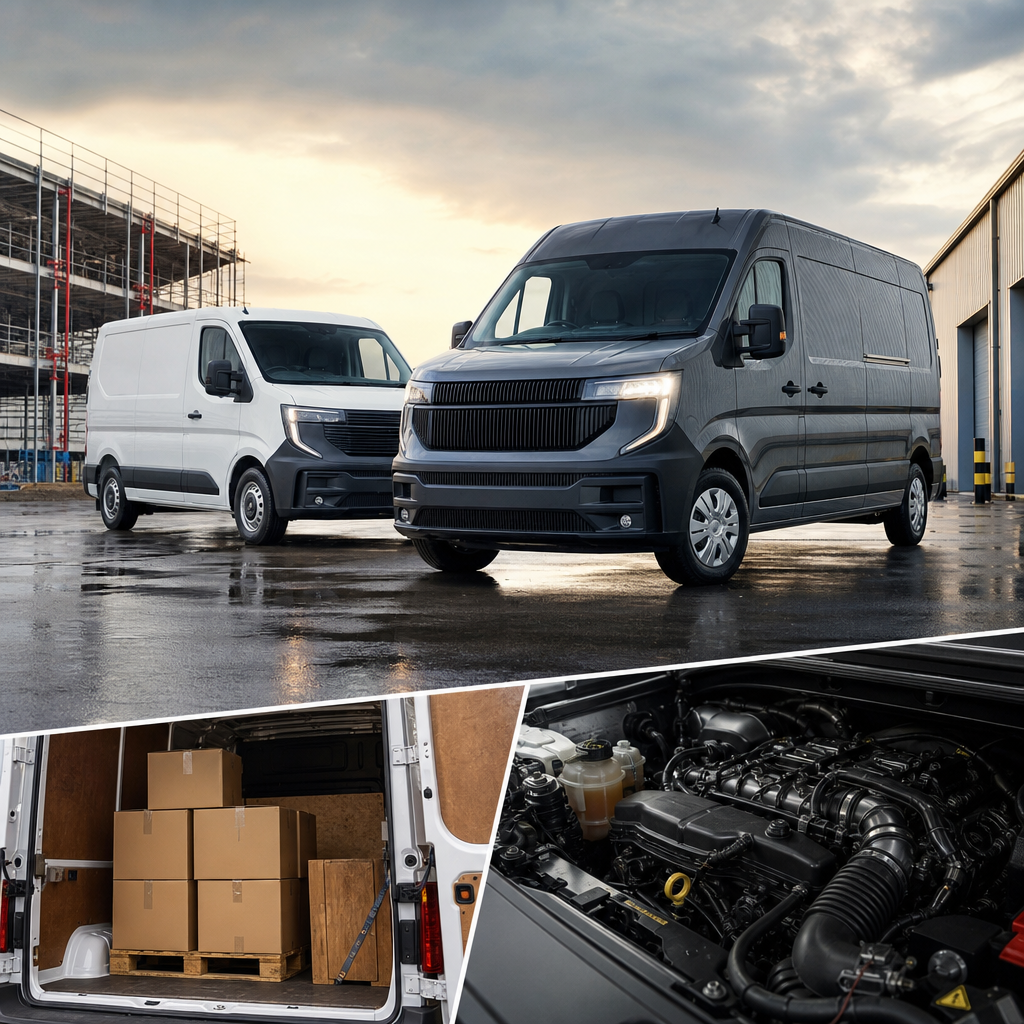
- Small Vans (e.g., Ford Transit Connect, VW Caddy, Vauxhall Combo Cargo):
- Pros: Generally cheaper to buy used, excellent fuel economy, easier to manoeuvre and park in congested urban areas. Ideal for light trades, couriers, florists, mobile hairdressers, or anyone needing to transport smaller items.
- Tax Synergy: Lower initial purchase cost means the Annual Investment Allowance will easily cover the full amount, providing immediate and complete tax relief. Lower running costs also mean smaller ongoing expenses, which are fully deductible (minus any private use).
- Medium Vans (e.g., Ford Transit Custom, Vauxhall Vivaro, VW Transporter, Renault Trafic):
- Pros: The sweet spot for many UK trades. Offers a versatile balance of cargo space, payload capacity, and manageability. Great for plumbers, electricians, carpenters, and small-scale builders. The used market for these is vibrant, offering excellent value.
- Tax Synergy: Still typically well within the AIA limit, ensuring 100% tax relief in year one. Their popularity and robust build quality often mean lower depreciation over time, preserving your investment.
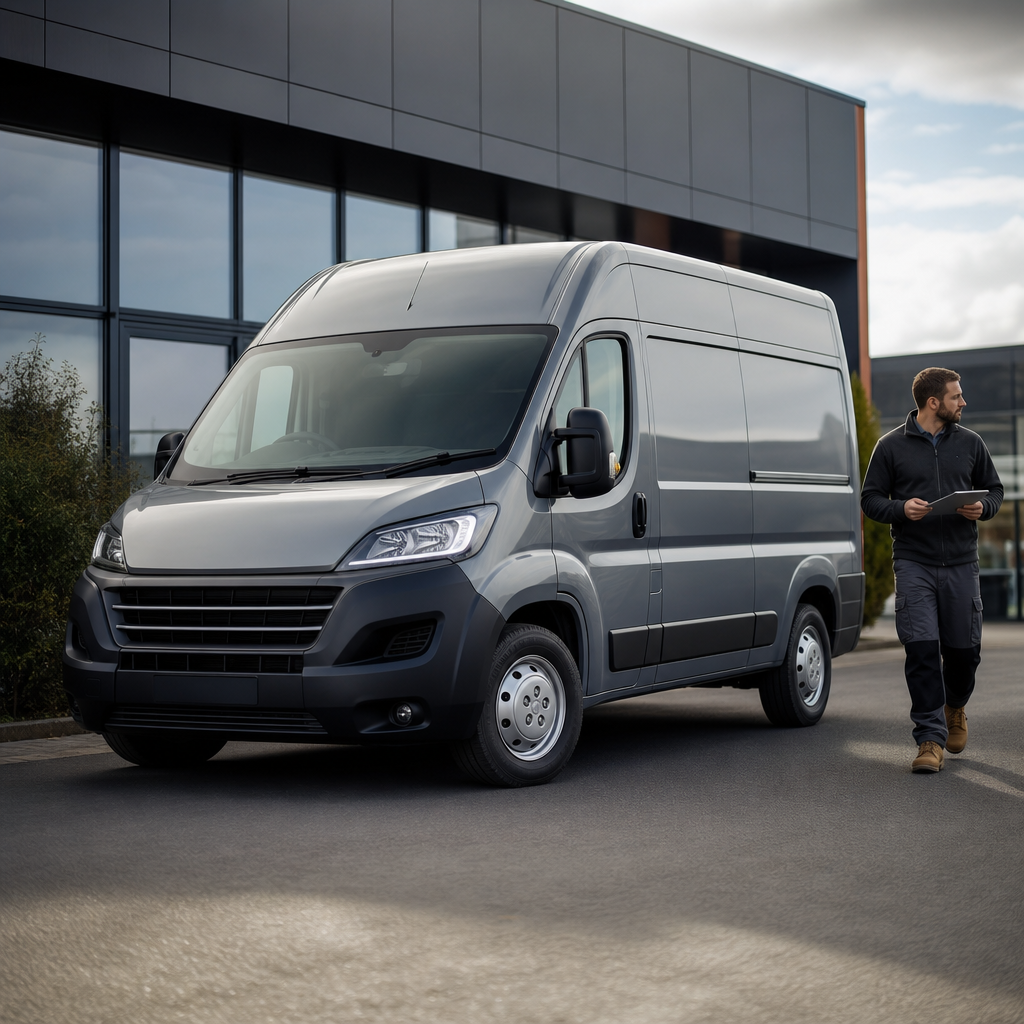
- Large Vans (e.g., Ford Transit, Mercedes Sprinter, VW Crafter, Fiat Ducato):
- Pros: Maximum cargo volume and payload, essential for larger equipment, bulkier materials, or multi-drop delivery routes. Ideal for removal companies, large construction firms, or businesses transporting specialist gear.
- Tax Synergy: Used prices for large vans can still be substantial, making the AIA particularly valuable for reclaiming the full cost upfront. Remember to factor in potentially higher running costs (fuel, tyres) when budgeting, as these are also tax-deductible.
- Crew Vans vs. Panel Vans: Be extremely careful with crew vans (vans with additional rows of seats and often windows). While practical for carrying a team and tools, HMRC may sometimes classify them as cars for tax purposes if their primary purpose is deemed to be passenger transport rather than goods. This would mean losing out on the favourable van tax treatment (e.g., benefit charges would revert to car rates, and capital allowances might differ). For clear-cut tax benefits, a standard panel van is generally the safest bet.
Consider factors like Gross Vehicle Weight (GVW) and payload capacity to ensure the van meets your practical needs. Don't forget to check ULEZ compliance if you operate in or around major cities. Diesel vans remain popular for their fuel economy on longer runs, but petrol and electric options are growing for urban operations and offer potential environmental benefits and tax incentives (e.g., lower road tax, grants for electric).
Your Smart Van Purchase Starts Here
Choosing a used van for your self-employed business in the UK doesn't have to be a daunting task. By carefully considering the tax implications – from reclaiming VAT where applicable and maximising Capital Allowances through the AIA, to diligently managing private use – you can turn your van purchase into a savvy financial decision.
Remember to keep meticulous records, consult with an accountant if you have complex circumstances, and always ensure your chosen vehicle aligns with both your operational needs and your tax strategy. With the right research, your next used van from CarsLink.ai will not only be a reliable workhorse but also a powerful asset for your business's financial health. Start browsing our extensive listings today and find your perfect, tax-efficient business companion!