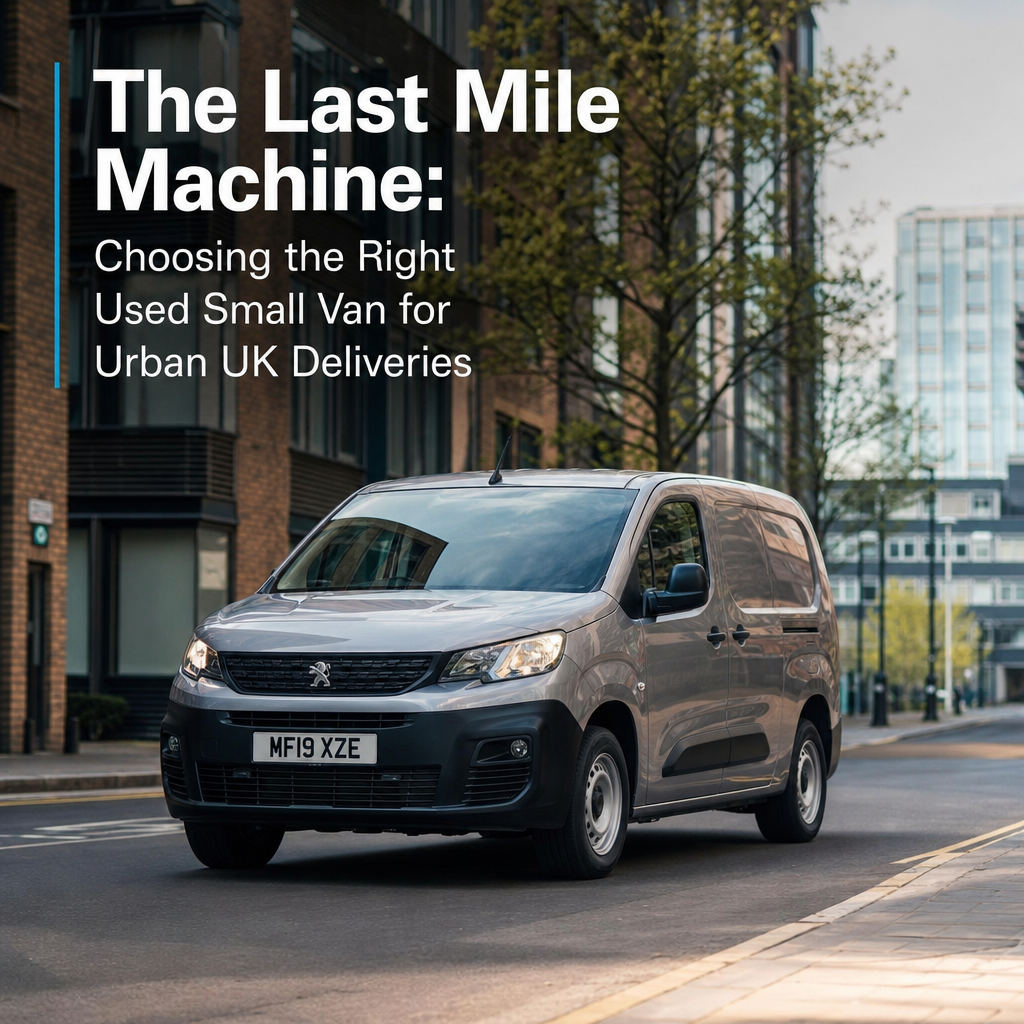
The Last Mile Machine: Choosing the Right Used Small Van for Urban UK Deliveries
In today's fast-paced world, the humble delivery van has become the unsung hero of our urban economy. From hot food takeaways and independent florists to online retailers and mobile tradespeople, countless businesses rely on efficient, nimble vehicles to navigate the labyrinthine streets of UK cities. For many, a new van simply isn't an option, making the used market a fertile ground for finding that perfect "last mile machine."
But choosing a used small van for urban deliveries isn't as simple as picking the cheapest option. It requires a strategic eye, balancing a myriad of factors unique to city driving. As your trusted automotive journalists at CarsLink.ai, we're here to guide you through the crucial considerations to ensure your next used van is a savvy investment, not a costly headache.
Navigating the Urban Jungle: Size, Manoeuvrability & Emissions
The UK's urban landscape presents a unique set of challenges for any vehicle, let alone one tasked with frequent stops and tight deadlines.
Size and Manoeuvrability: This is paramount. Narrow terraced streets, congested high streets, and limited parking spaces demand a van that's compact yet practical. While a large panel van might offer immense carrying capacity, it can be a nightmare to manoeuvre in central London or even a busy market town. Look for models with a tight turning circle, decent visibility, and compact external dimensions. Features like reversing sensors or a camera, often standard or optional on newer models, can transform daily operations, saving precious time and preventing costly bumps. A Ford Transit Connect, for example, feels much like driving a large car, offering excellent agility compared to its bigger siblings.
Emissions Compliance (ULEZ/Clean Air Zones): This is arguably the most critical factor for any business operating in a UK city. Urban areas across the country are increasingly implementing Ultra Low Emission Zones (ULEZ), Clean Air Zones (CAZ), and Low Emission Zones (LEZ) to tackle air pollution. Driving a non-compliant vehicle within these zones incurs a daily charge, which can quickly erode profits and render a seemingly cheap van uneconomical.
Generally, this means looking for Euro 6 compliant diesel engines (typically found in vans registered from September 2016 onwards) or petrol engines that are Euro 4 compliant (from around 2006 for vans, though most small petrol vans post-2011 are generally compliant). It is absolutely essential to check a van's specific compliance using the official government checker (gov.uk/check-vehicle-compliance-clean-air-zones) before parting with any cash. While electric small vans offer the ultimate future-proofing against emissions charges, their used price point can still be a significant barrier for many small businesses.
Top Contenders: Popular Small Vans for UK Urban Deliveries
The used market for small vans is robust, offering plenty of choice. Here are some of the standout models ideal for urban delivery routes:
- Ford Transit Connect: A perennial favourite, and for good reason. The Connect drives like a car, offers a comfortable cabin, and boasts a good range of efficient engines. Parts are readily available, and it holds its value well. Various body lengths and heights mean you can often find one tailored to your specific needs.
- Vauxhall Combo / Peugeot Partner / Citroën Berlingo: These three are siblings, sharing a common platform and many components since 2018 (prior to that, the Berlingo/Partner shared a platform, and Combo was based on the Fiat Doblo). They offer excellent fuel economy, practical load spaces, and often come with innovative features like "Moduwork" bulkheads that allow longer items to be loaded. They represent fantastic value on the used market.
- VW Caddy: For those seeking a slightly more premium feel, the Caddy delivers. It offers robust build quality, a quieter cabin, and refined driving dynamics often associated with VW passenger cars. While potentially pricier on the used market, its strong residual values and reliability make it a solid investment.
- Renault Kangoo: Another popular choice, the Kangoo offers a good balance of practicality and economy. They often come well-specified and can be found at competitive prices on the used market, particularly older models, though remember to check emissions compliance for those.
The Business Bottom Line: Efficiency, Payload & Running Costs
For any small business, the van is not just transport; it's a vital tool with a direct impact on profitability.
Fuel Efficiency: Every mile costs, so good fuel economy is crucial. While manufacturer MPG figures are useful for comparison, it's worth researching real-world fuel consumption reviews. City driving, with its constant stop-start nature, will invariably consume more fuel than motorway cruising. Smaller, turbocharged diesel engines (like the 1.5-litre in the PSA vans or Ford's 1.5-litre EcoBlue) often strike the best balance between power and economy.
Payload Capacity: How much can your van actually carry? This isn't just about cubic metres; it's about weight. Exceeding your van's maximum payload (Gross Vehicle Weight or GVW minus the van's kerb weight) is illegal, unsafe, and will rapidly accelerate wear and tear on components like brakes, tyres, and suspension. Always check the van's specific payload rating in its documentation. Consider the typical weight of your deliveries – are you carrying light parcels or heavy tools?
Running Costs: Beyond the purchase price and fuel, other expenses add up:
- Insurance: Varies hugely based on driver age, location, no-claims bonus, and van model. Obtain quotes before buying.
- Servicing & Maintenance: Vans working hard in urban environments need regular servicing. Ford and Vauxhall models generally benefit from widely available parts and experienced technicians, potentially offering lower labour costs at independent garages. Don't skimp on servicing; preventative maintenance is cheaper than reactive repairs.
- Tyres: Frequent stopping, starting, and turning in city traffic can lead to faster tyre wear. Budget for replacements.
- Road Tax (VED): Typically a flat rate for commercial vehicles, but check the specific van.
- Unexpected Repairs: Even with a good service history, used vans can throw up surprises. Factor a contingency fund into your budget.
Smart Shopping: Pre-Purchase Checks for a Used Delivery Van
Buying any used vehicle requires diligence, but a used delivery van warrants extra scrutiny due to the demanding life it's likely led.
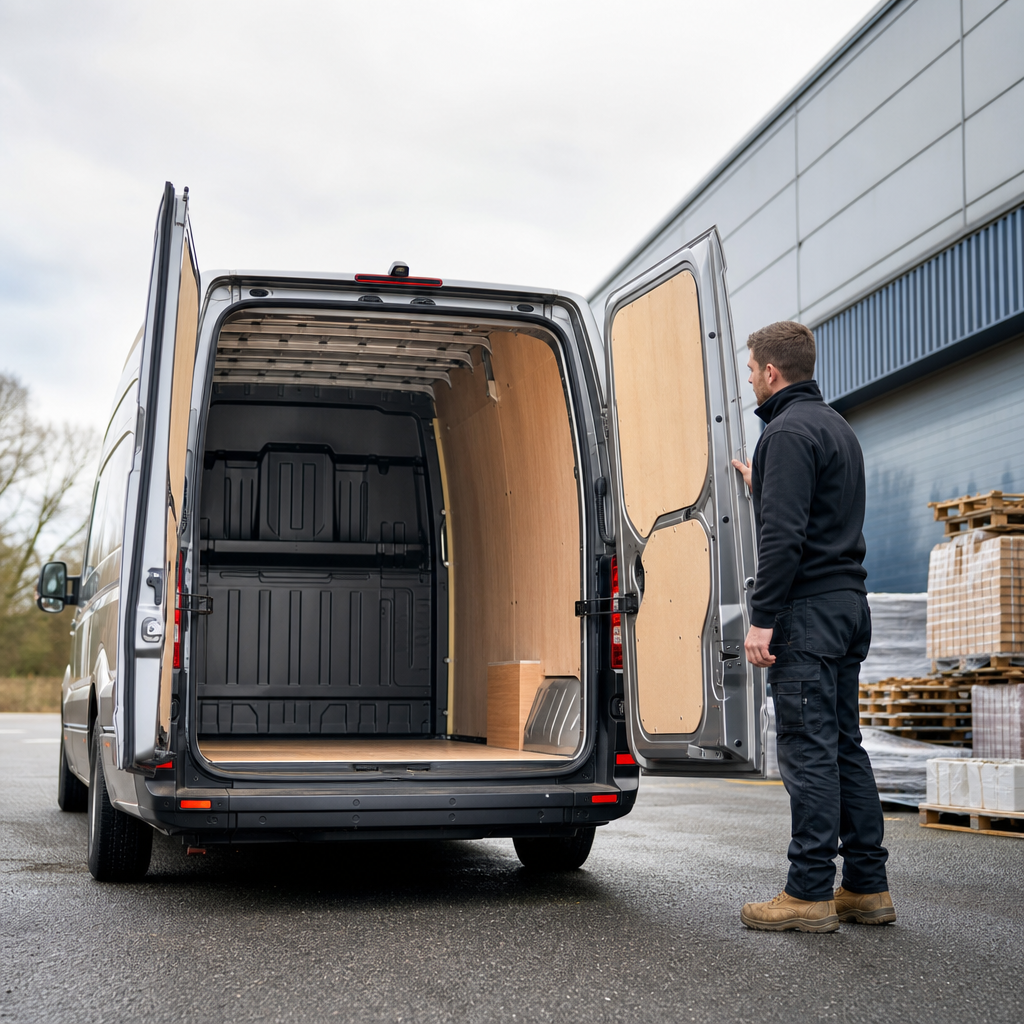
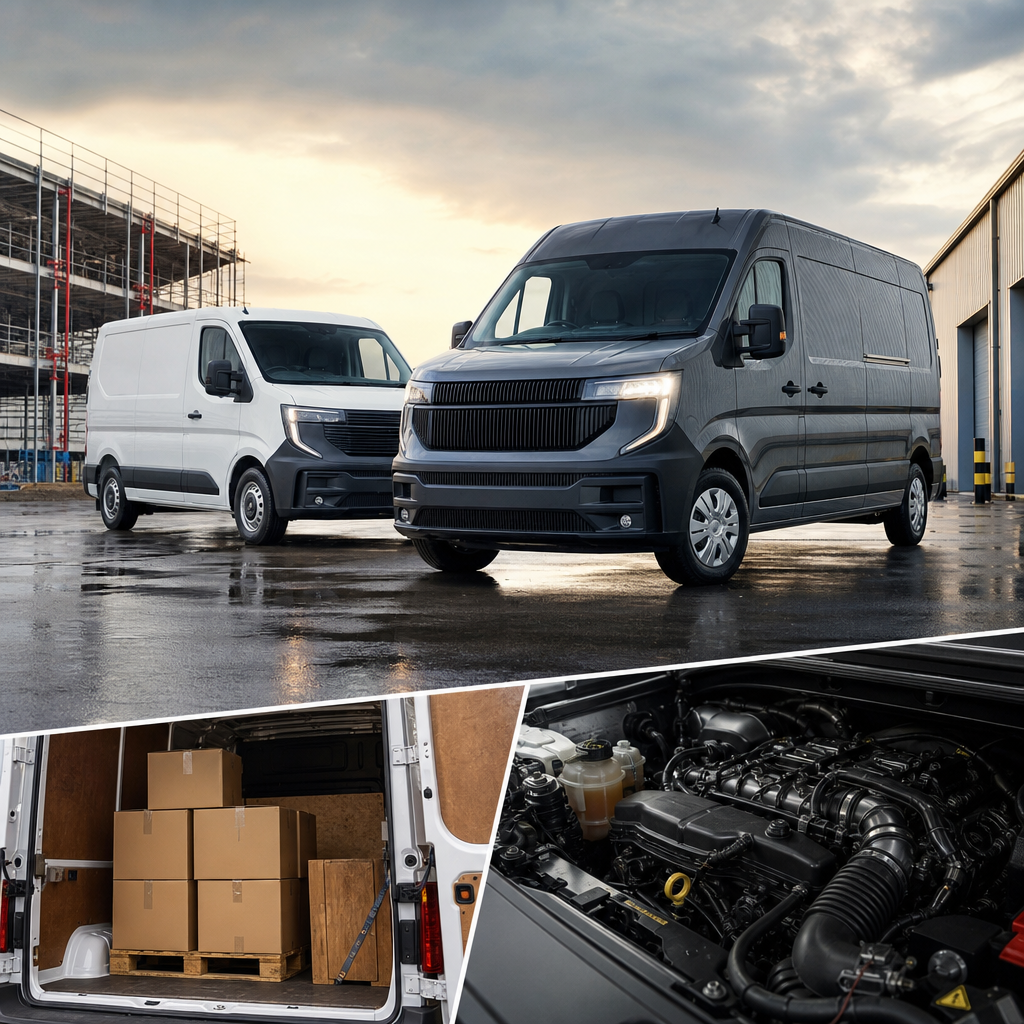
- Loading Area Condition: This is your first port of call. Lift any ply-lining or rubber mats if possible. Look for deep scratches, dents, or signs of heavy impact on the floor, sides, and especially the bulkhead. A heavily battered load bay suggests the van has carried unrestrained or very heavy items, which can put strain on the chassis. Check the rear door hinges and latches – are they robust and smooth?
- Clutch Health: City driving involves constant gear changes. Test the clutch carefully. Does it bite very high? Does it slip under acceleration, especially in a higher gear at low revs? Any juddering or a very heavy pedal could indicate a clutch nearing the end of its life, which can be an expensive repair.
- Brakes & Suspension: Listen for knocks or creaks from the suspension over bumps, particularly if the van has regularly carried heavy loads. Check for uneven tyre wear, which can point to alignment or suspension issues. Test the brakes for feel and stopping power – a spongy pedal or grinding noise is a red flag.
- Engine & Gearbox: Look for any excessive smoke from the exhaust (blue for oil, thick black for DPF issues on diesels). Listen for unusual engine noises. Test all gears for smooth engagement. A comprehensive service history is crucial, especially for high-mileage vans, ensuring oil changes and critical maintenance (like timing belt replacements) have been carried out.
- Exterior & Interior Wear: Small vans are often parked in tight spots; look for kerbed alloy wheels, dents, and scrapes that might suggest a lack of care. Inside, check the driver's seat for excessive wear, and ensure all electrical components, lights, and heating/air conditioning work as they should.
- Paperwork: Always conduct an HPI check to ensure there's no outstanding finance or accident history. Verify the V5C registration document matches the vehicle and the seller's details.
Conclusion
Choosing the right used small van for your urban delivery operations is a decision that can significantly impact your business's efficiency and profitability. By carefully considering emission zone compliance, the specific demands of city driving, the running costs, and conducting thorough pre-purchase checks, you can find a reliable and economical workhorse.
Don't rush the process. Take your time, do your research, and inspect prospective vans diligently. A well-chosen 'last mile machine' isn't just a vehicle; it's a foundation for your urban success. Explore the extensive range of used small vans available on CarsLink.ai today and find the perfect partner for your business.