Spruce Up to Sell: Low-Cost Fixes That Boost Your Used Car's UK Resale Value
Selling a used car in the UK market can be a competitive business. With so many options available, potential buyers are increasingly discerning, looking for value, reliability, and peace of mind. While the core mechanics and age of your vehicle are fixed, there’s a significant amount you can do, often with minimal financial outlay, to dramatically improve its appeal and, crucially, its resale value. The key lies in understanding what catches a buyer's eye – and what turns them off – right from the first impression.
From a quick tidy-up to addressing those niggling little issues, a small investment of time and money can yield a significant return, potentially adding hundreds of pounds to your car's sale price and speeding up the selling process. This guide from CarsLink.ai will walk you through the most effective, low-cost strategies to make your used car stand out from the crowd.
First Impressions Count: Tackling Cosmetic Blemishes
A car that looks well-cared for immediately suggests it has been mechanically well-maintained too. Buyers instinctively associate a gleaming exterior and tidy interior with a reliable vehicle. Therefore, addressing minor cosmetic flaws should be at the top of your to-do list.
Exterior Fixes: Small scratches, scuffs, and stone chips are inevitable over a car's lifetime, but they are also immediate red flags to a potential buyer, providing them with bargaining ammunition.
- Touch-Up Paint Kits: For minor stone chips and light scratches, a genuine touch-up paint kit (often available from main dealers or online auto parts stores for under £20-£30) can work wonders. Follow the instructions carefully for best results.
- Scratch Remover Pens/Compounds: For surface-level scuffs that haven't broken through the clear coat, a good quality scratch remover compound or pen can often minimise their appearance significantly. Look for products from brands like T-Cut or Meguiar's.
- Alloy Wheel Refurbishment Kits: Scuffed alloy wheels are common and detract from a car's appearance. Simple DIY kits for minor kerb damage can be bought for around £20-£40 and can greatly improve their look.
- Headlight Restoration: Oxidised, cloudy headlights not only look bad but also impair light output. Restoration kits, typically £15-£30, can restore clarity and significantly modernise the car's front end.
Interior Refresh: The interior is where the buyer spends their time during a test drive. Stains, unpleasant odours, and general grubbiness are immediate turn-offs.
- Upholstery Cleaning: Invest in a good fabric cleaner for cloth seats or a leather cleaner and conditioner for leather interiors. Tackle any visible stains. A cheap wet/dry vacuum can also be excellent for deep cleaning carpets.
- Trim and Dashboard: Use an interior detailer spray and a microfibre cloth to wipe down all hard surfaces, removing dust, grime, and fingerprints. Pay attention to door cards, the centre console, and air vents.
- Odour Elimination: Lingering smells (pets, smoke, damp) are a major deterrent. Air fresheners only mask them. A thorough clean, airing out the car, and possibly using an odour neutraliser or a professional "smoke bomb" eliminator (around £10-£20) can make a huge difference.
Beyond the Shine: Addressing Common MOT Advisories
The UK's MOT test is a crucial measure of a vehicle's roadworthiness. While a valid MOT certificate is essential, outstanding advisories can give a buyer pause – and a reason to demand a lower price. Tackling these issues beforehand demonstrates diligence and removes a significant bargaining chip.
Understand Advisories: An MOT advisory means a component is nearing the end of its life or requires attention, but isn't yet a failure. Ignoring them suggests a lack of care.
- Worn Tyres: While the legal limit is 1.6mm of tread depth, tyres with only 2-3mm remaining will soon need replacing. Fitting new tyres, or even just replacing the two most worn, can be a major selling point. It shows you've invested in safety and saves the buyer an immediate cost. A good mid-range tyre can cost £60-£100 per corner, but the return in buyer confidence is invaluable.
- Wiper Blades: Worn or perished wiper blades are cheap to replace (often less than £20 for a pair) and instantly improve visibility and the perceived condition of the car. Streaky wipers are irritating and unsafe.
- Blown Bulbs: A non-functioning headlight, brake light, or indicator bulb is often flagged as an advisory or even a minor fault. Replacement bulbs are very inexpensive (£5-£15) and easy to fit for most car owners. This simple fix ensures your car looks complete and roadworthy.
- Minor Fluid Leaks: If the advisory is for a minor oil weep or a slight leak from a power steering hose, sometimes a thorough engine bay clean, followed by a check to ensure it’s not an active, significant leak, is sufficient. If it’s a simple fix like a loose hose clamp, it's worth addressing.
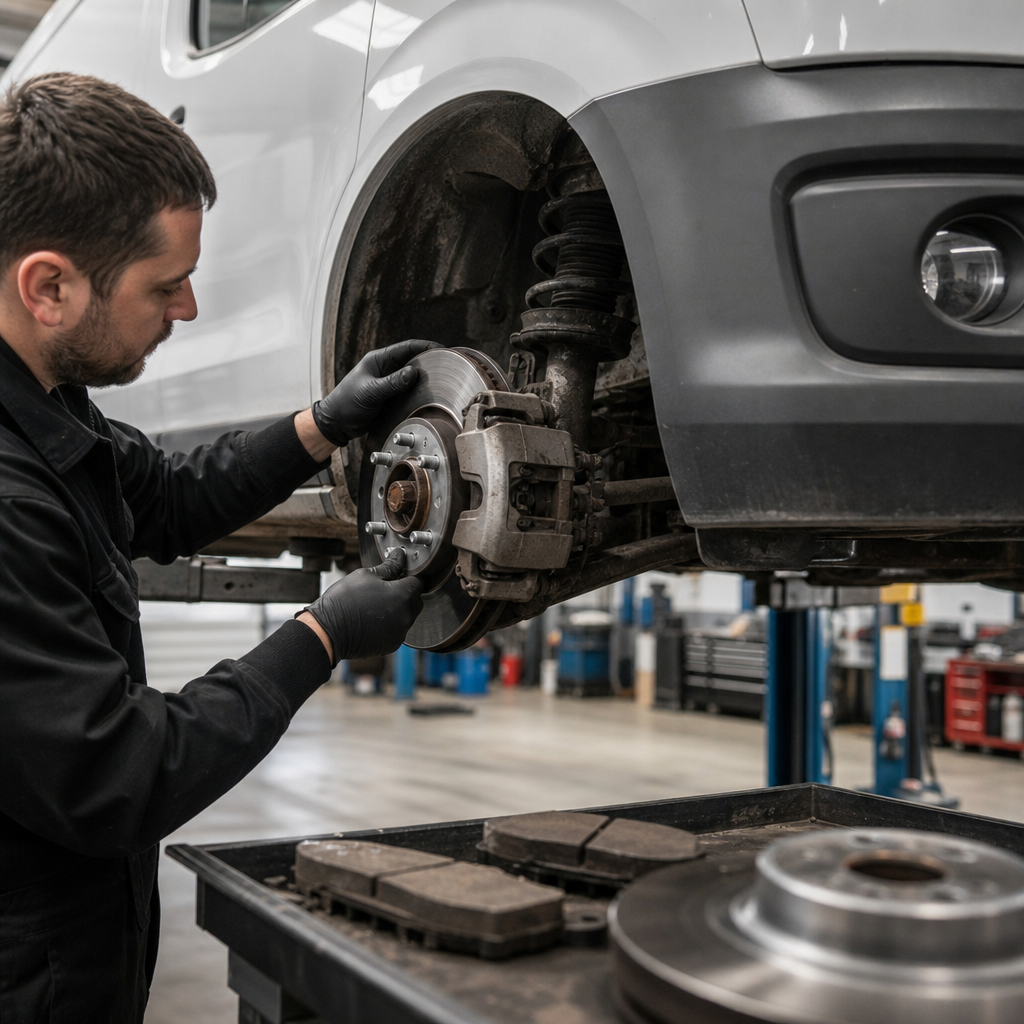
- Brake Pads/Discs: If pads are getting low (but not yet failing the MOT), replacing them can be a strong selling point, showing the car is ready for immediate use without additional expense.
By addressing these common advisories, you present a car that is not only roadworthy but also free from immediate concerns, instilling greater confidence in the buyer.
The Power of a Professional Polish: Valeting and Detailing
While DIY cleaning is a great start, a professional valet or detailing service takes presentation to another level and often offers an excellent return on investment. These services go beyond a standard car wash, meticulously cleaning areas often overlooked.
Valet vs. Detailing:
- Full Valet (typically £50-£150): This usually includes a comprehensive exterior wash, wax, tyre dressing, interior vacuum, dash/trim wipe-down, and window cleaning. It addresses the main aesthetic points.
- Detailing (typically £150+): This is a more intensive process, often including paint correction (removing swirl marks, light scratches), deep interior shampooing, leather cleaning/conditioning, and engine bay cleaning. While more expensive, for higher-value cars, it can make a significant difference.
Why it Works: A professionally cleaned car simply looks newer and better maintained. The deep clean removes embedded dirt, revitalises plastics, and often leaves a pleasant scent. Buyers notice the shine on the paintwork, the spotless upholstery, and the attention to detail in areas like door shuts and the boot lining.
Hidden Benefits: A professional clean can uncover minor issues you might have missed (e.g., a small tear in upholstery that can be repaired, a loose trim piece). It also gives the impression that the car has been cherished, making buyers more willing to pay your asking price. Eliminating pet or smoke odours, in particular, is an area where professional services excel and can be a deal-breaker for many.
Under the Bonnet & On the Road: Prepping for the Test Drive
The test drive is the make-or-break moment for many buyers. A smooth, confident drive, free of unexpected issues, will seal the deal. This requires ensuring the car is not just clean, but also mechanically ready for inspection.
- Fluid Levels: Before any viewing, check and top up all essential fluid levels:
- Engine Oil: Ensure it's between min and max markers. A clean dipstick shows good maintenance.
- Coolant: Top up to the correct level.
- Screenwash: A full reservoir is a small but noticeable detail.
- Brake Fluid: Check the level and ensure it’s not too low.
- Power Steering Fluid: If applicable, ensure it’s at the correct level.
- These are all visible checks a buyer might make, and incorrect levels imply neglect.
- Tyre Pressure: Correctly inflated tyres ensure optimal handling, safety, and fuel efficiency during the test drive. Visually, correctly inflated tyres look better and prevent the impression of a slow puncture.
- Warning Lights: Crucially, ensure no dashboard warning lights are illuminated (e.g., Engine Management, ABS, Airbag, Tyre Pressure Monitoring System). If any are on, investigate and rectify the underlying issue. A car with an illuminated warning light is immediately suspicious and will deter almost all buyers.
- Battery Condition: Ensure the car starts without hesitation. Clean any corrosion from the battery terminals. A sluggish start can immediately create doubt.
- General Tidiness: Give the engine bay a quick wipe-down. While not a deep clean, removing major dust and debris suggests pride of ownership.
A test drive where the car starts reliably, drives smoothly, brakes effectively, and has no alarming noises or warning lights will significantly increase buyer confidence and your chances of a quick, profitable sale.
The Paper Trail: Documentation for Trust and Value
Even the most immaculate car can struggle to sell if its history is opaque. Comprehensive documentation builds trust, provides evidence for your asking price, and streamlines the ownership transfer process. This costs nothing but a bit of organisation.
- Full Service History (FSH): This is gold dust for a used car. Gather all service stamps and invoices from main dealers or reputable independent garages. Present them in chronological order. A well-documented service history proves the car has been maintained according to manufacturer specifications and can add significant value.
- MOT Certificates: Keep all previous MOT certificates, alongside the current valid one. These provide a valuable historical record of advisories and any work done, showing transparency.
- V5C Logbook: This is the official vehicle registration document. Ensure all details are correct and that you have it readily available for the transfer of ownership. It's illegal to sell a car without providing the new keeper with the V5C.
- Owner's Manuals and Handbooks: A complete set of original manuals and the car's handbook in their original wallet adds to the perceived completeness and care of the vehicle.
- Spare Keys: Crucially, have all original keys, including any spare or valet keys. Missing a spare key can knock hundreds of pounds off the asking price, as replacing modern coded keys is expensive.
- Receipts for Recent Work: If you've recently had major components replaced (e.g., new clutch, cambelt, brakes, tyres), gather those receipts. They demonstrate proactive maintenance and justify your asking price.
Presenting a meticulously organised folder of documentation alleviates buyer concerns about a car's past, proving its authenticity and confirming its maintenance schedule. It significantly reduces perceived risk, making the buyer more comfortable with proceeding at your asking price.
Conclusion
Maximising your used car's resale value doesn't require a lottery win; it simply demands a strategic approach to presentation and preparation. By investing a small amount of time and money in these low-cost fixes – from tackling minor cosmetic issues and addressing MOT advisories to ensuring a pristine interior, preparing for a smooth test drive, and organising your paperwork – you’ll transform your vehicle from just another used car into a compelling proposition.
Remember, buyers are looking for value, reliability, and peace of mind. A clean, well-maintained, and thoroughly documented car ticks all these boxes, instilling confidence and significantly boosting its appeal. Follow these practical steps, and you'll not only achieve a quicker sale but also secure the best possible price for your cherished vehicle on CarsLink.ai.