Silent Thrills: A UK Buyer's Guide to Used Electric Motorcycles
The rumble of a petrol engine has long been synonymous with motorcycling, a visceral experience that defines the open road for many. Yet, a new kind of thrill is silently gaining momentum: the electric motorcycle. With impressive instant torque, a serene ride, and significantly lower running costs, these two-wheeled pioneers are increasingly appearing on the used market, offering an exciting and sustainable alternative.
For the savvy UK buyer, diving into the world of used electric motorcycles presents a fantastic opportunity. You can often find well-maintained bikes with plenty of life left in them, sidestepping the higher depreciation of new EVs. However, understanding the nuances of electric power is key to making an informed purchase. This guide from CarsLink.ai will navigate you through the essential considerations for buying a used electric motorcycle in the UK, from battery health to riding dynamics and everyday practicality.
Battery Health, Range, and Degradation: The Electric Heartbeat
When buying any used electric vehicle, the battery is arguably the most critical component, and motorcycles are no exception. It’s the single most expensive part to replace, making its condition paramount.
State of Health (SOH): This metric tells you how much of the original battery capacity remains. Ideally, a used electric motorcycle should have its SOH assessed by a certified dealer before purchase. Some modern bikes, like certain Zero models, might display an estimated SOH on their dashboard or through a connected app, but a professional diagnostic is always best. Look for a bike with an SOH of 80% or more; anything significantly below that indicates substantial degradation, which will impact range and potentially resale value.
Manufacturer's Warranty: A significant advantage of buying a relatively newer used electric bike is the remaining battery warranty. Brands like Zero Motorcycles typically offer a 5-year, unlimited mileage warranty on their power packs, while LiveWire also provides a strong warranty package. A bike still under warranty offers considerable peace of mind, covering potential catastrophic battery failures. Always check the transferability and remaining term of any warranties.
Real-World Range: Don't just rely on the manufacturer's stated 'new' range figures. Battery degradation, riding style, ambient temperature, rider weight, and terrain all affect real-world range. A bike showing an original quoted range of 100 miles might now only comfortably achieve 70-80 miles due to age and usage. Ask the seller about their typical range experience and how they charged the bike. Frequent DC fast charging, while convenient, can accelerate degradation compared to slower AC charging. Prolonged storage at very high or very low states of charge can also harm a battery.
Powering Up: Charging Solutions for Your Electric Two-Wheeler
Understanding how you'll charge your electric motorcycle is crucial for daily usability. Unlike petrol bikes, you can "fuel up" at home, which is a major convenience for many riders.
Home Charging is King:
- Standard 3-pin Plug (Level 1): Every electric motorcycle can charge via a standard domestic 13A socket. This is the slowest method, often taking 8-12 hours or more for a full charge, making it ideal for overnight top-ups.
- Dedicated Wallbox (Level 2/Type 2): For faster home charging, a professionally installed 7kW wallbox is recommended. These units, costing around £300-£1,000 to install (with some government grants historically available, though changing), can significantly reduce charging times – often fully charging a typical electric motorcycle in 2-4 hours. The Type 2 connector is the standard for AC charging in the UK and Europe. Bikes like the Zero SR/F or Energica Eva Ribelle can benefit greatly from a wallbox, as they have higher onboard charger capacities.
Public Charging Infrastructure: The UK's public charging network, while primarily designed for cars, can be utilised by electric motorcycles. Apps like Zap-Map and PlugShare are invaluable for locating charging points.
- AC Chargers (Type 2): These are widely available, often found at supermarkets, car parks, and public amenities. Most electric motorcycles can use these points.
- DC Fast Chargers (CCS/CHAdeMO): Less common for motorcycles, but high-performance models like the LiveWire ONE and some Energica bikes (Ego, Eva Ribelle) support DC rapid charging, allowing for significant range replenishment in under an hour. However, these are often expensive to use and their cables can be cumbersome for bikes in car-focused bays.
When evaluating a used electric motorcycle, consider your typical daily mileage and how easily you can integrate charging into your routine. For city commuters, home charging might suffice entirely, while touring riders will need to plan routes around public fast chargers.
The Unique Ride: Performance and Experience on Two Electric Wheels
Riding an electric motorcycle is a distinct experience that often converts even the most ardent petrolheads. It’s a combination of exhilaration and serenity that’s hard to match.
Instant Torque and Smooth Power: This is the defining characteristic. From a standstill, an electric motor delivers 100% of its torque immediately, resulting in blistering acceleration and an incredibly smooth, linear power delivery. There are no gear changes, no clutch, and no power bands – just seamless, continuous thrust. A Zero SR/F, for instance, can hit 60mph in under 3.5 seconds with minimal fuss. This makes for an effortless ride in traffic and an incredibly engaging one on the open road.
Eerie Silence: The absence of engine noise is profound. At low speeds, you hear primarily the whirring of the motor and the chain/belt. As speed increases, wind noise and tyre roar become the dominant sounds. This quietness can be incredibly liberating, allowing for greater awareness of your surroundings and a more immersive riding experience. However, it also means pedestrians and other road users might not hear you approaching, necessitating a more attentive riding style.
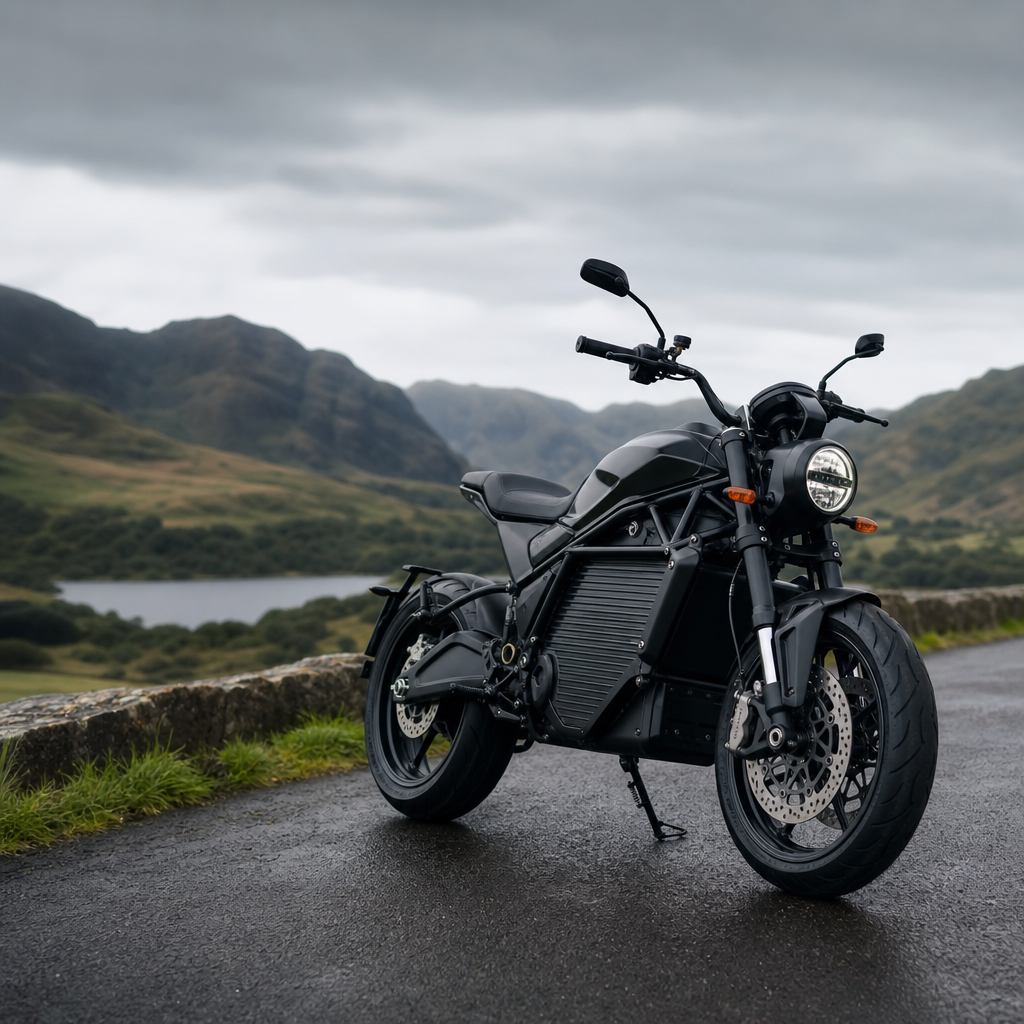
Simplified Control and Handling: With no clutch lever and no gear shifter, electric motorcycles offer a 'twist-and-go' simplicity akin to an automatic scooter, but with far greater performance. This reduces rider fatigue in stop-start traffic and can be particularly appealing to newer riders. The heavy battery pack is typically mounted low in the chassis, contributing to a low centre of gravity. This often makes electric bikes feel remarkably stable and nimble despite their weight, providing confident handling characteristics. Many also feature regenerative braking, which helps recover energy while also acting like engine braking, further smoothing the ride.
Navigating the Used Market: Popular Electric Motorcycle Models
The UK used market for electric motorcycles is growing, with several key players offering a range of styles and performance levels.
- Zero Motorcycles: As one of the pioneers, Zero offers the broadest range of used electric motorcycles.
- SR/F & SR/S: High-performance naked streetfighters (SR/F) and sport-tourers (SR/S), known for their power, range, and advanced tech. Expect premium pricing, even used.
- S & DS: More commuter-focused street (S) and dual-sport (DS) models. Older versions might have smaller battery capacities, so check the year and battery size carefully. Great for everyday use.
- FX & FXE: Lightweight supermoto/trail-style bikes, incredibly nimble and fun for urban commuting or light off-road adventures.
- Super Soco: An excellent entry point for electric motorcycling, particularly for urban dwellers and learners.
- TC Max: A retro-styled 125cc equivalent, popular for its learner-friendly nature and removable batteries for easier charging.
- CPx: A maxi-scooter with practical features and good city range.
- Energica: Hailing from Italy, Energica offers high-performance electric motorcycles with impressive specifications.
- Eva Ribelle & Ego: Powerful streetfighters (Eva Ribelle) and superbike-level performance (Ego). These bikes often feature DC fast charging and advanced electronics, but come with a higher price tag, even used.
- LiveWire ONE (formerly Harley-Davidson LiveWire): A premium offering with distinctive styling, robust performance, and excellent build quality. Used prices are starting to become more accessible, offering a chance to own a high-end electric machine.
When considering a specific model, research its common issues, parts availability, and dealer network in the UK.
Beyond the Fuel Pump: Maintenance and Running Costs
One of the most compelling reasons to choose an electric motorcycle is the dramatically reduced running costs and simpler maintenance schedule compared to their petrol counterparts.
Reduced Maintenance: Electric motors have far fewer moving parts than internal combustion engines. This translates into:
- No oil changes, spark plugs, or air filter replacements.
- No clutch plates or timing belts to worry about.
- Brakes last longer due to the assistance of regenerative braking, which reduces wear on pads and discs.
- Maintenance typically focuses on consumables like tyres, brake fluid, suspension, and chain/belt adjustments (if applicable). An annual check-up by a specialist is still recommended for battery health diagnostics and software updates.
Lower Running Costs:
- Fuel Savings: Electricity is significantly cheaper than petrol. Charging at home during off-peak hours (e.g., on an EV-friendly tariff) can reduce your per-mile cost to just a few pence. Compare this to the 15-20 pence per mile often seen with petrol bikes.
- Road Tax (VED): Zero-emission vehicles are currently exempt from Vehicle Excise Duty (road tax) in the UK, saving you money annually.
- ULEZ/CAZ Exemptions: Electric motorcycles are exempt from charges in London’s Ultra Low Emission Zone (ULEZ) and other Clean Air Zones (CAZs) across the UK, making city commuting much cheaper.
- Insurance: Insurance costs can be comparable to petrol bikes, but some advanced safety features and lower theft risk for certain models might lead to competitive quotes. Always get a specific quote for the bike you’re interested in.
While the initial purchase price of a used electric motorcycle might still be higher than an equivalent petrol model, the substantial savings on maintenance and 'fuel' can quickly balance the books over time.
Conclusion
Embracing a used electric motorcycle offers a unique blend of cutting-edge technology, thrilling performance, and unparalleled practicality for the modern UK rider. By carefully assessing battery health, understanding charging requirements, appreciating the distinct riding experience, and selecting from reputable models, you can find a fantastic deal on a bike that offers silent thrills and significantly reduced running costs. The future of two-wheeled travel is quiet, powerful, and electrifying – and it's readily available on the used market today.