Silence is Golden: Tackling Common Noises in Your Used UK Car Before the MOT
There’s a certain symphony to a well-maintained car – a harmonious hum of the engine, the subtle whir of tyres on tarmac, and... well, mostly silence. But sometimes, this peaceful soundtrack is interrupted by an unwelcome cacophony: a groan, a clunk, a squeal, or a persistent rattle. While these noises might seem like minor irritations, especially in a used car, they are often your vehicle’s way of signalling a potential problem. And with the annual MOT looming for most UK motorists, ignoring these auditory warnings can lead to costly failures and unnecessary stress.
At CarsLink.ai, we understand that understanding your car is key to its longevity and your safety. This guide will help you identify common car noises, link them to potential mechanical issues, and equip you with the knowledge to either address them yourself or know when to call in the professionals – all with the aim of ensuring a smoother MOT pass and a quieter, safer driving experience.
Listening In: Identifying the Soundtrack of Trouble
The first step in diagnosing any car problem is often the simplest: listening. Pay close attention to when and where a noise occurs. Does it happen over bumps, when braking, turning, or just idling? The circumstances surrounding the sound provide vital clues.
- Squeaks: These high-pitched noises are often linked to friction.
- Brakes: A common culprit, especially when braking. Could be worn pads, rusty discs, or simply cheap aftermarket pads.
- Belts: A constant squeal from under the bonnet, especially on cold starts or when turning the steering wheel, often points to a worn or loose auxiliary belt.
- Suspension: Can manifest as a creaking or groaning over speed bumps or uneven surfaces, often indicating worn bushes.
- Interior: Less critical for the MOT, but trim panels, seat frames, or even loose items in the glovebox can squeak.
- Rattles: These can be frustratingly elusive but usually signify something is loose.
- Exhaust System: Heat shields commonly rattle, especially at idle, due to rusted mounting points. Internal silencer baffles can also come loose.
- Suspension: Worn anti-roll bar (ARB) drop links are notorious for a persistent rattling over uneven roads.
- Under the Bonnet: Loose engine covers, air filter boxes, or even battery clamps can cause rattles.
- Grinding: A much more serious sound, often indicative of metal-on-metal contact.
- Brakes: A deep, abrasive grinding when braking means your brake pads are completely worn, and the metal backing plate is now scoring the brake disc. This needs immediate attention.
- Wheel Bearings: Can manifest as a low-pitched grinding or humming that changes with speed or when turning.
- Gearbox/Clutch: Less common but a serious grinding when changing gears or pressing the clutch can indicate internal transmission issues.
- Clunks/Bangs: Typically a sign of significant play or a component hitting something.
- Suspension: A single, sharp clunk over potholes or speed bumps often points to a worn bush (e.g., wishbone bush) or a faulty ball joint. Repeated clunks could be worn shock absorber mounts or ARB links.
- Exhaust: A loose exhaust pipe hitting the chassis, particularly when going over bumps or under acceleration.
Deciphering the Din: Linking Noises to Mechanical Woes
Once you've identified the type of noise, it’s time to connect it to the likely culprit. Many of these issues are direct MOT failure points, so understanding the link is crucial for pre-MOT peace of mind.
Brake Noises:
- High-pitched Squeal (light braking): Often a wear indicator on brake pads, signalling they are approaching their limit. Can also be glazed pads or discs.
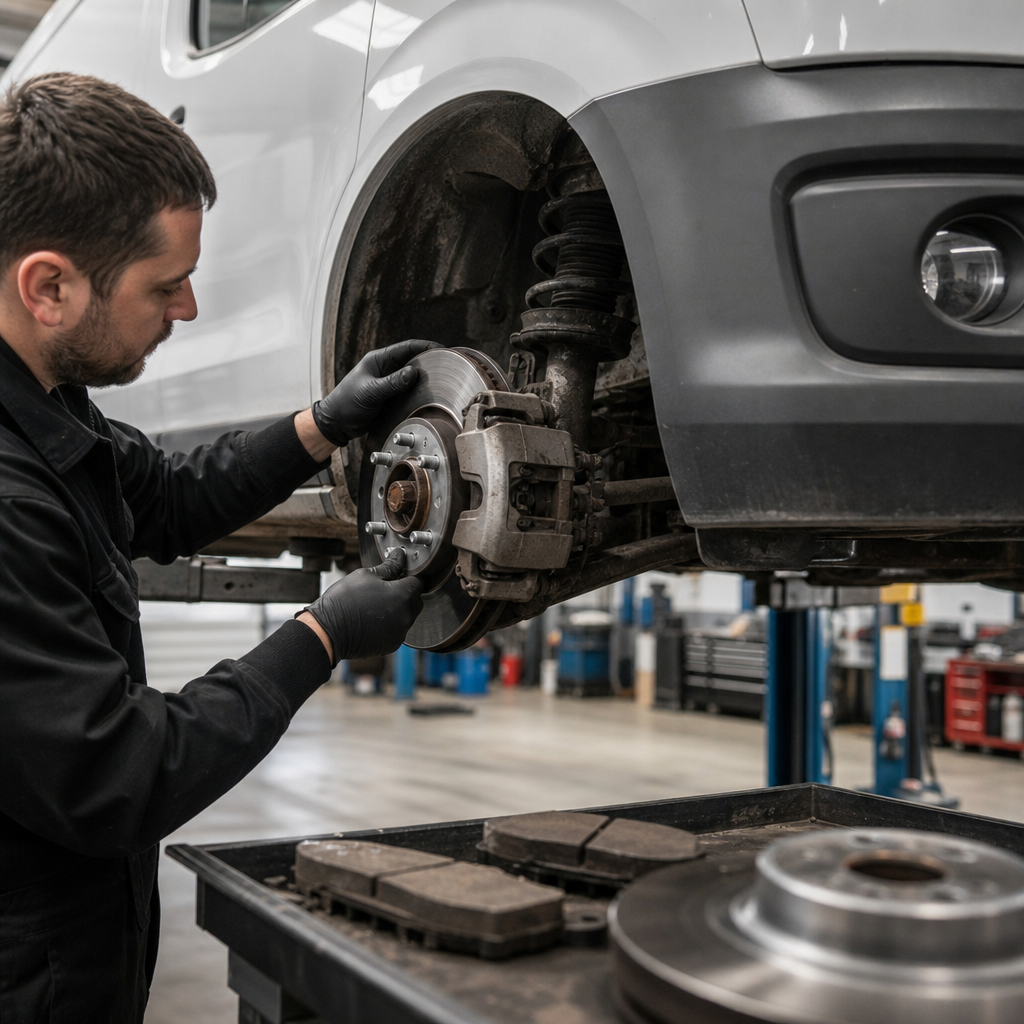
- Persistent Grinding (firm braking): This is critical. It means your pads are completely worn, and the metal backing plate is grinding against the brake disc. This severely compromises braking efficiency and will be an immediate MOT failure, requiring new pads and likely discs.
- Clunk/Knock (when applying/releasing brakes): Could indicate excessive play in the brake calliper, worn calliper guide pins, or severely worn pads shifting within the calliper.
- MOT Relevance: Brake efficiency is paramount. Worn pads/discs, seized callipers, or fluid leaks are automatic failures.
Suspension & Steering Noises:
- Clunks/Rattles over bumps: This is a classic symptom of worn anti-roll bar (ARB) drop links or wishbone bushes. These components absorb road imperfections and keep the car stable. Excessive play will fail the MOT.
- Creaks/Groans over bumps: Often points to worn or dry suspension bushes (e.g., wishbone bushes, subframe bushes). While not always an immediate failure, excessive wear will lead to one.
- Clicking/Clunking (when turning on full lock): A strong indicator of a worn CV (Constant Velocity) joint on the driveshaft. If the rubber boot is split, dirt and water ingress will quickly destroy the joint. A split boot or excessive play is an MOT failure.
- Hum/Growl (changes with speed/turning): This is often a failing wheel bearing. It starts subtle but gets progressively louder and can cause vibration. A noisy wheel bearing is an MOT advisory, and excessive play is a definite failure.
- MOT Relevance: All suspension and steering components are thoroughly checked for wear, corrosion, and security.
Exhaust System Noises:
- Rattling (especially at idle or low revs): Almost invariably a loose heat shield. These protective plates, usually under the car, rust at their mounting points. While not an MOT failure per se if it's merely rattling, if it's detached and posing a hazard or likely to fall off, it can fail.
- Loud Roaring/Hissing (from under the car): A clear sign of an exhaust leak. This could be a hole in the pipe, a faulty gasket at a joint, or a cracked manifold. Leaks before the catalyst will affect emissions, leading to an MOT failure. Any significant leak is likely to fail.
- MOT Relevance: Exhaust security, leaks, and emissions are key checks.
DIY Detective Work & When to Call in the Pros
Some noises can be diagnosed and even fixed with a bit of DIY prowess, but others absolutely require a qualified mechanic. Safety is paramount when working on your car.
Simple DIY Checks (Always Safely!):
- Visual Inspection: Park your car on a level surface. Look under the bonnet for obvious loose items or leaks. Check brake discs for deep scoring or grooves; inspect visible brake pads for thickness. Examine exhaust pipes for holes or dangling heat shields.
- Bounce Test: Push down firmly on each corner of the car and release. The car should bounce once or twice and then settle. If it bounces excessively, your shock absorbers may be worn.
- Wiggle Test (on the ground): Grab the top of each front tyre and try to rock it side-to-side (checking for wheel bearing play) and top-to-bottom (checking for ball joint play). There should be minimal movement.
- Listen while stationary: With the engine running, open the bonnet and try to pinpoint squealing belts. Ask a helper to gently press the brake pedal while you listen for sounds around the wheels.
- Exhaust Shake (when cold!): Gently rock the exhaust system. If you hear rattles, check heat shield mounts.
When to Call a Professional:
- Grinding Brakes: Any grinding from the brakes warrants immediate professional inspection. It's a critical safety issue.
- Persistent Clunks/Bangs from Suspension: While you can diagnose, repairing suspension components like bushes, ball joints, or drop links often requires specialist tools (e.g., presses) and knowledge of torque settings.
- Steering Play or Severe Vibrations: These are highly dangerous and require expert assessment of steering racks, linkages, and wheel balancing/alignment.
- Engine Noises (Knocks, Ticks that don't go away): Engine internals are complex and expensive. Let a specialist diagnose these.
- Warning Lights: If a noise is accompanied by a dashboard warning light (especially ABS, engine management, or brake warning), it's time for the garage.
- If in Doubt: If you’re unsure, uncomfortable, or lack the necessary tools, always err on the side of caution and consult a trusted mechanic. Your safety and the safety of others depend on it.
Proactive Maintenance: Your Wallet and Your MOT will Thank You
Addressing these noises proactively isn't just about passing the MOT; it's about sound financial management and road safety.
- Significant Cost Savings: A small, ignored problem invariably escalates into a larger, more expensive repair. For example, a squealing brake pad wear indicator (a cheap and easy fix) if ignored will lead to metal-on-metal grinding, damaging the brake disc, which means replacing both pads and discs – a much costlier job. Similarly, a noisy wheel bearing, if left too long, can seize and potentially cause a wheel to come loose.
- Smoother MOT Pass: Many of the noises described above directly relate to components checked during the MOT. By tackling them beforehand, you avoid the stress of an MOT failure, re-test fees, and the scramble to get repairs done under pressure. It's about preventative maintenance rather than reactive crisis management.
- Enhanced Safety: Worn brakes, compromised suspension, or faulty steering components are not just annoying; they are safety hazards. Ensuring these systems are in good working order protects you, your passengers, and other road users.
- Improved Driving Experience: A car free from persistent rattles, squeaks, and clunks is simply more pleasant to drive. It also helps maintain your vehicle's resale value.
Conclusion
Your used car communicates with you, and often, its language is sound. Don't dismiss those unusual squeaks, rattles, grinding, or clunks as mere quirks of an older vehicle. Instead, listen carefully, interpret the signs, and take appropriate action. Basic listening and visual checks can go a long way, but knowing when to call in the professionals is paramount. By being proactive and addressing these auditory warnings before your MOT, you'll not only save money and avoid re-test stress, but you'll also ensure your vehicle remains safe, reliable, and, crucially, quiet on the UK's roads. Happy motoring from CarsLink.ai!