Second-Hand EVs for City Living: Your Guide to Beating Charges and Range Woes
The urban landscape of the UK is constantly evolving, and with it, the way we commute. For city dwellers, rising costs, environmental concerns, and the ever-present congestion are daily realities. However, there's a compelling solution gaining traction that addresses many of these pain points: the second-hand electric vehicle (EV). Far from being a niche luxury, a pre-owned EV can be a shrewd, practical, and enjoyable choice for navigating Britain's bustling towns and cities.
At CarsLink.ai, we understand that making the switch can raise questions, particularly around range anxiety and the intricacies of urban charging. But fear not! This guide will demystify the world of used EVs, demonstrating how they offer a significant advantage for city living, from sidestepping punitive charges to providing surprisingly robust daily performance.
Navigating Urban Zones: ULEZ, CAZ, and the EV Advantage
One of the most immediate and tangible benefits of owning a second-hand EV in the UK is the financial relief it offers from urban emission charges. Across the country, local councils are implementing Clean Air Zones (CAZ) and Ultra Low Emission Zones (ULEZ) to combat air pollution. While these schemes are excellent for public health, they can be a significant daily burden for owners of older, more polluting petrol or diesel vehicles.
Take London's ULEZ, for instance, which now covers most of Greater London. Non-compliant vehicles face a daily charge of £12.50. Other cities like Birmingham, Bath, Bristol, Sheffield, and Glasgow operate various forms of CAZs, with daily charges ranging from £8 to £60 for non-compliant vehicles. The good news? All fully electric vehicles, regardless of their age, are exempt from these charges. This means that a used Nissan Leaf from 2013 is just as exempt as a brand-new Tesla. Over the course of a year, these savings can amount to thousands of pounds, making a significant dent in your overall motoring costs.
Furthermore, EVs currently enjoy an exemption from the London Congestion Charge (currently £15 per day) until 25th December 2025. This suite of exemptions provides city EV owners with peace of mind, fewer fines, and substantial long-term savings – an unbeatable economic argument for going electric, even if it’s a pre-loved model.
Realistic Range for Older EVs in the Urban Jungle
"Range anxiety" is a term often heard when discussing EVs, particularly older ones. The fear of running out of charge mid-journey is a legitimate concern for some, but it’s often overstated, especially in a city context. In fact, city driving is arguably the most efficient environment for an EV. The stop-start nature of urban traffic allows electric cars to frequently utilise regenerative braking, where kinetic energy that would typically be lost during deceleration is converted back into electricity and stored in the battery. This effectively extends your range in heavy traffic, a stark contrast to internal combustion engine vehicles, which are at their least efficient when idling or crawling.
When considering a second-hand EV, battery degradation is a factor. Batteries naturally lose some capacity over time and use. A 5-7 year old EV might typically see a 5-15% reduction in its original range. For example, an early 24 kWh Nissan Leaf, which might have had an original advertised range of around 80-90 miles, could now offer a real-world city range of 60-70 miles. While this might sound modest, consider the average daily commute in a UK city, which is often well under 20 miles. Even a degraded older EV battery can comfortably cover multiple days of typical urban driving.
For newer used models, such as a 40 kWh Nissan Leaf or a Renault Zoe, you could easily expect 120-150 miles of city range, providing even greater flexibility. Crucially, when buying a used EV, always inquire about the battery's State of Health (SoH), often reported as a percentage of its original capacity. This gives you a clear indication of its remaining useful range.
Charging Solutions for the City Dweller
One of the most common concerns for urban EV owners without a dedicated driveway or garage is charging. While having off-street parking for home charging (which is the cheapest and most convenient, especially with a smart energy tariff) is ideal, it’s far from a prerequisite for city EV ownership. The UK's charging infrastructure, while still developing, is increasingly catering to urban residents.
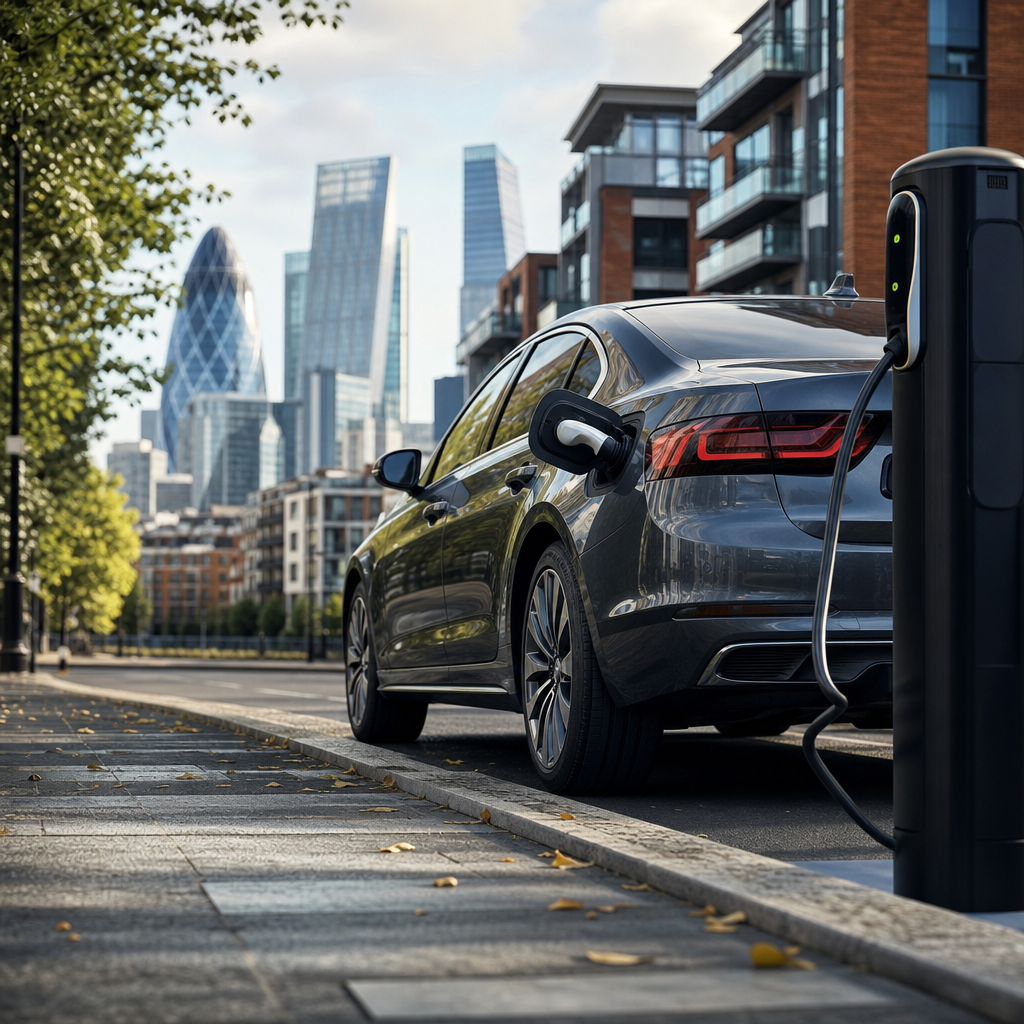
- On-street Residential Charging: Many city councils are installing charging points directly on the street, often integrated into lamp posts or dedicated EV parking bays. Services like Source London in the capital, or similar initiatives in cities like Glasgow and Manchester, provide networks of accessible chargers. While these might not offer rapid charging speeds, they are perfect for 'top-up' charging overnight or during the working day.
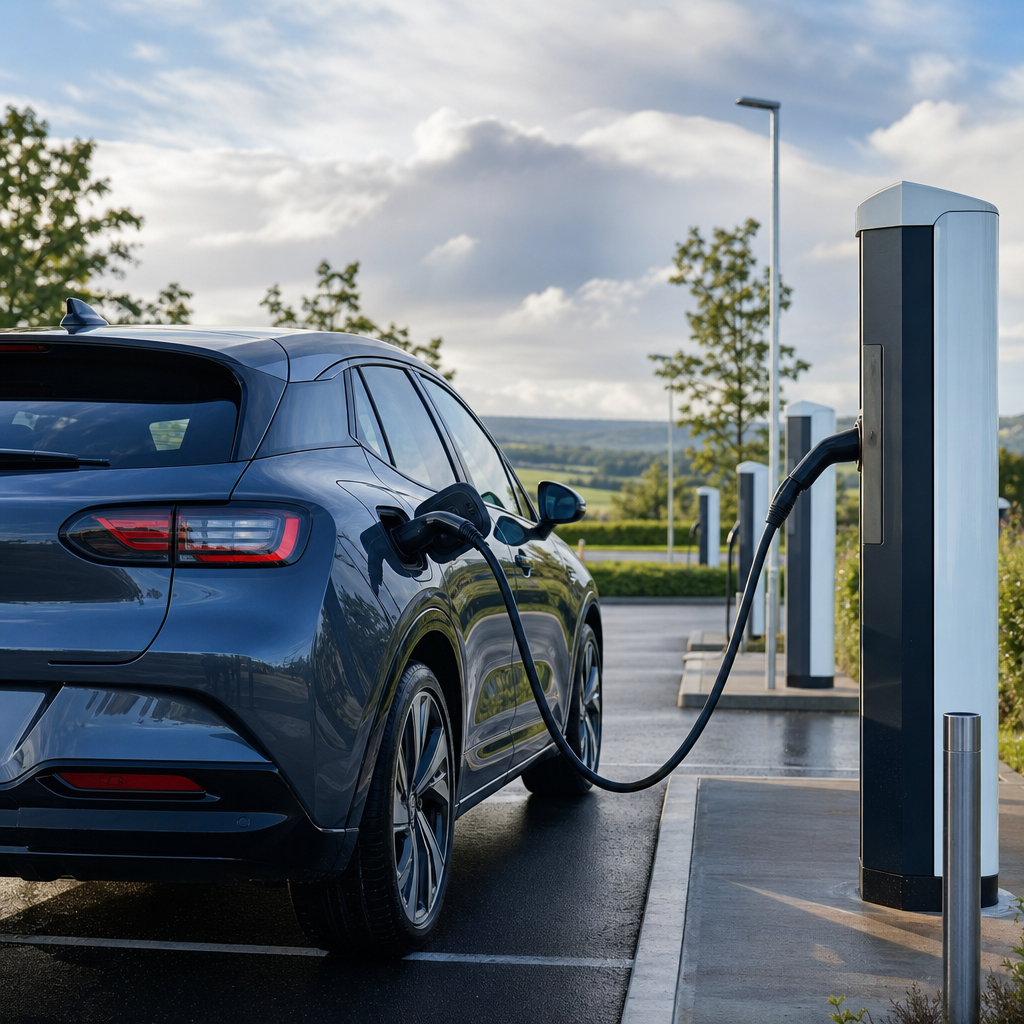
- Destination Charging: Think about where you already spend time. Supermarket car parks (Tesco, Sainsbury's, Aldi, Lidl), leisure centres, shopping centres, and multi-storey car parks are increasingly equipped with charging points. Plug in while you shop, exercise, or see a film, and return to a significantly topped-up battery.
- Public Rapid Chargers: For occasional longer trips out of the city, or when a quick boost is needed, rapid chargers (50 kW and above) are available at motorway service stations and dedicated charging hubs. While less frequently needed for daily city driving, they offer reassurance for more extensive journeys.
The key to successful city EV charging is planning and utilising charging apps like Zap-Map or PlugShare. These apps provide real-time information on charger availability, types, and costs, allowing you to seamlessly integrate charging into your daily routine. Most city drivers don't need a full battery every morning; smart, opportunistic topping up is often all that's required.
The Economic Edge: Savings Beyond the Pump
Beyond the exemption from urban emission charges, second-hand EVs offer a raft of other financial benefits that contribute to a lower total cost of ownership for city dwellers.
- Fuel (Electricity) Costs: This is where the biggest savings lie. Charging an EV at home on a cheap off-peak electricity tariff (often 7-15p per kWh) can equate to just a few pence per mile – significantly less than the equivalent cost for petrol or diesel. Even public charging, while more expensive, typically remains cheaper than fossil fuels, especially for rapid chargers.
- Road Tax (VED): Currently, all zero-emission vehicles, regardless of age, pay £0 Vehicle Excise Duty (Road Tax) in the UK. This exemption is set to change in 2025, when EVs will pay standard rates, but for now, it's another welcome saving.
- Maintenance: EVs have significantly fewer moving parts than internal combustion engine cars. There's no engine oil to change, no spark plugs, no fuel filters, and often less brake wear due to regenerative braking. This generally translates to lower servicing costs and fewer unexpected mechanical failures. While specialist EV diagnostics can be pricier, the overall maintenance burden is typically reduced.
- Insurance: While EV insurance premiums were historically higher, the market is becoming increasingly competitive as more EVs hit the road and insurers gain data. Shopping around can yield competitive rates.
When all these factors are combined – zero ULEZ/CAZ charges, significantly cheaper 'fuel', zero road tax, and lower maintenance – the economic argument for a second-hand EV in the city becomes incredibly compelling.
Top Compact Used EVs for Urban UK Driving
If you're now convinced that a used EV is your next city companion, which models should you be looking for on CarsLink.ai? Here are some top compact choices ideal for navigating tight streets and parking spaces:
- Nissan Leaf (First and Second Generation): The original mass-market EV pioneer, the Leaf is plentiful on the used market and offers excellent value. Early 24 kWh models are great for shorter city commutes, while the later 30 kWh and 40 kWh versions provide more flexible range. They are surprisingly spacious for their class.
- Renault Zoe: A popular choice for European cities, the Zoe is nimble, stylish, and often offers better real-world range than early Leafs for its size. Look for Q210 (early), R90, or R110 motor options and varying battery capacities (22 kWh, 41 kWh, 52 kWh) to match your range needs.
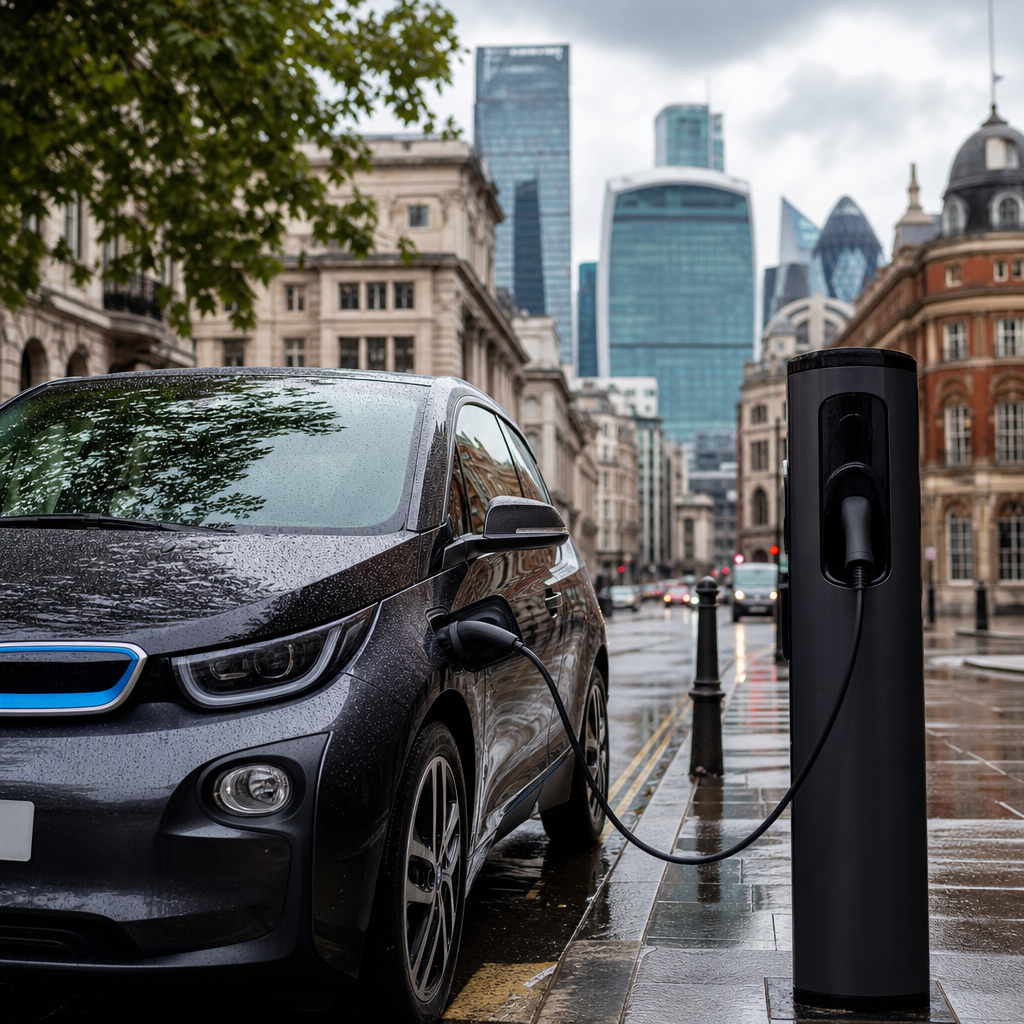
- BMW i3: With its distinctive design, premium feel, and unique carbon fibre construction, the i3 is a genuinely innovative EV. Its tight turning circle makes it incredibly agile in urban environments. Early models had a 22 kWh battery, with later versions offering 33 kWh and 42 kWh. The Range Extender (REX) petrol engine option also alleviates any lingering range anxiety for some buyers.
- VW e-Up! / Skoda Citigo-e iV / SEAT Mii Electric: These identical triplets are fantastic compact city cars. While early e-Up! models had a smaller 18.7 kWh battery, newer (but still used) versions boast a much more capable 36.8 kWh battery, offering a very respectable city range. They are surprisingly practical despite their diminutive footprint.
When inspecting any of these models, remember to check the battery health (SoH), service history, and general condition, just as you would with any used car purchase.
Conclusion
Embracing a second-hand EV for city living in the UK is not just a nod to environmental responsibility; it's a smart, pragmatic choice that offers tangible financial benefits and a stress-free driving experience. From effortlessly navigating emission zones and benefiting from significant savings on fuel and road tax, to enjoying the quiet, smooth ride of electric power, a pre-owned EV is perfectly suited to the demands of urban life.
Don't let perceived limitations hold you back. The used EV market is maturing, offering a wealth of reliable and capable options for every budget and requirement. Explore the extensive range of second-hand electric vehicles available on CarsLink.ai today, and discover how an EV can transform your city commute for the better. The future of urban mobility is here, and it's more accessible than you think.