Rubber Meets Road: Essential Tyre Care for Your Used UK Vehicle's Safety and Longevity
In the world of motoring, few components are as critical, yet as often overlooked, as your vehicle's tyres. They are, after all, the sole point of contact between your car and the road – a patch of rubber no larger than your hand at each corner. For owners of used vehicles, understanding and practicing proper tyre care isn't just about passing an MOT; it's fundamental to safety, driving performance, fuel efficiency, and ultimately, the longevity of your investment.
At CarsLink.ai, we believe in empowering you with the knowledge to keep your used car running safely and efficiently. This guide delves into the crucial aspects of tyre maintenance, offering practical advice that could save you money, points on your licence, and potentially, your life.
The Invisible Handshake: Mastering Tyre Pressure
Correct tyre pressure is the cornerstone of effective tyre care. It's an unseen force, yet its impact on your driving experience is profound, influencing everything from handling and braking to fuel consumption and how long your tyres last.
Why it matters:
- Safety: Properly inflated tyres maintain optimal contact with the road, ensuring maximum grip for steering, acceleration, and most critically, braking. Under-inflation can lead to poor handling, increased stopping distances, and a heightened risk of blowouts due due to excessive heat build-up. Over-inflation, conversely, reduces the contact patch, leading to less grip and a harsher ride.
- Fuel Efficiency: Under-inflated tyres increase rolling resistance, forcing your engine to work harder and consume more fuel. Maintaining correct pressure can significantly reduce your fuel bill over time.
- Even Wear: Correct pressure ensures the tyre's tread wears evenly across its surface. Under-inflation causes accelerated wear on the outer edges (shoulders), while over-inflation leads to premature wear down the centre of the tread.
How to check: Make it a habit to check your tyre pressures at least once a month, and always before a long journey. Ensure the tyres are 'cold' – meaning the car hasn't been driven for at least a couple of hours, or only for a very short distance. You'll find the correct pressure settings for your vehicle in your owner's manual, on a sticker inside the driver's door pillar, or sometimes on the fuel filler flap. Remember, these figures often include different pressures for front and rear tyres, and sometimes for varying loads (e.g., fully laden with passengers and luggage). Don't forget to check your spare tyre too, if your vehicle has one.
Decoding the Tread: Wear, Limits, and Legalities
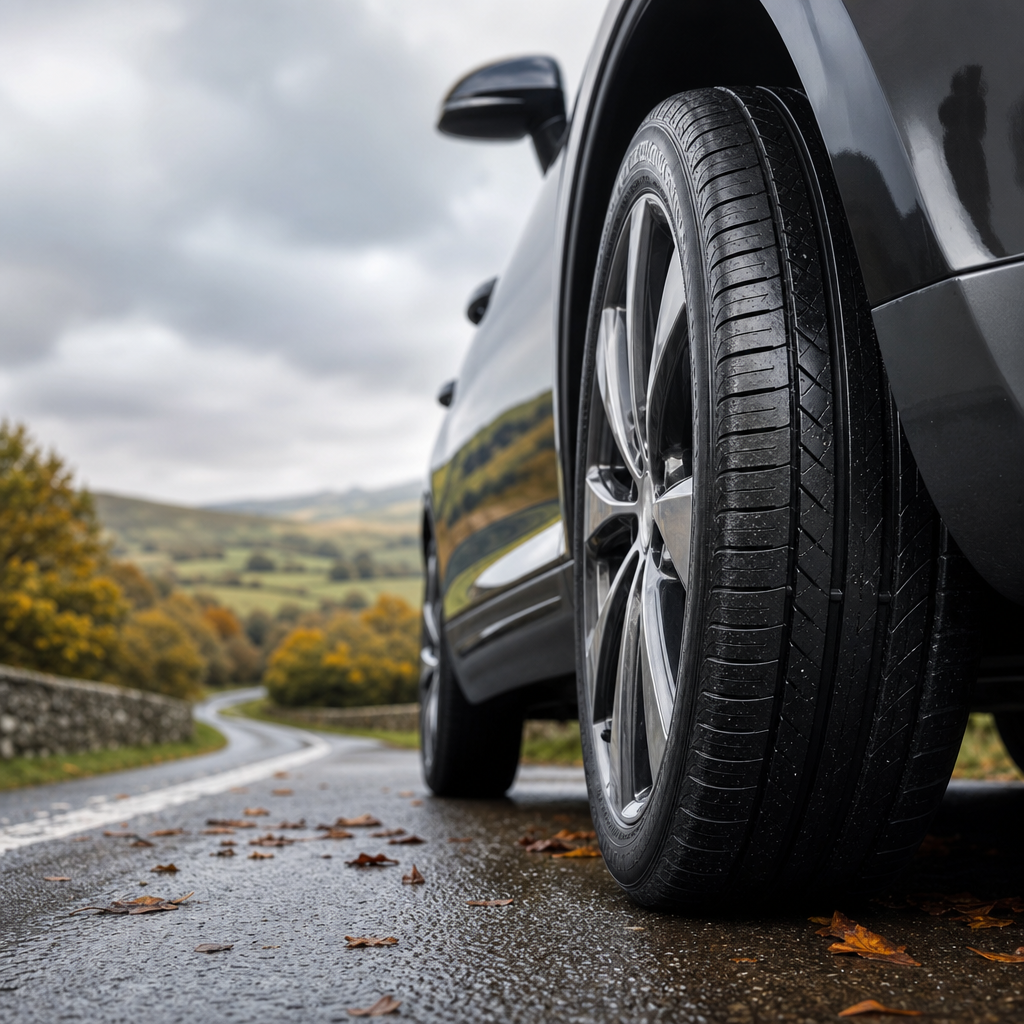
The tread pattern on your tyres isn't merely decorative; it's meticulously designed to provide grip, especially in wet conditions by channelling water away from the contact patch. Understanding tread wear is vital for both safety and legal compliance in the UK.
Recognising wear: The easiest way to assess your tyre's tread depth is by using a tread depth gauge, or more commonly, the "20p test". Simply insert a 20 pence piece into the main tread grooves of your tyre. If the outer band of the 20p coin is visible, your tyres may be below the legal limit and need replacing.
Another key indicator is the "Tread Wear Indicator" (TWI). These are small raised blocks found in the main grooves of the tyre. When the tread has worn down to the level of these indicators, the tyre has reached its minimum legal depth and must be replaced immediately.
The UK Legal Limit: In the UK, the law stipulates a minimum tread depth of 1.6mm across the central three-quarters of the tread width and continuously around the entire circumference of the tyre. Driving with tyres below this limit is not only incredibly dangerous – significantly increasing braking distances and the risk of aquaplaning in wet weather – but also carries severe penalties. You could face a fine of up to £2,500 and three penalty points per tyre. This means a single stop by the police could cost you £10,000 and 12 points, leading to a driving ban. Your insurance policy could also be invalidated.
While 1.6mm is the legal minimum, many experts, including us, recommend replacing tyres when they reach 3mm of tread. The difference in stopping power between a tyre with 3mm and one with 1.6mm, especially in the notoriously wet UK climate, is substantial and could be the difference between avoiding an accident and being involved in one. Also, keep an eye out for uneven wear patterns, as these can indicate underlying issues such as incorrect wheel alignment, imbalanced wheels, or worn suspension components.
Adapting to the UK Climate: The Case for Specialist Tyres
The UK's weather is famously unpredictable and often mild, leading many drivers to stick with standard "summer" tyres year-round. However, for optimum safety and performance, especially during the colder months, considering specialist tyres can be a wise move.
Summer Tyres: These are designed for temperatures above 7°C. Their harder rubber compound provides excellent grip and handling on dry and wet roads in warmer conditions, and they're generally more fuel-efficient. Most used cars in the UK will come fitted with summer tyres as standard.
Winter Tyres: This is where the UK often falls short in tyre choice. Winter tyres aren't just for snowy conditions; they are specifically engineered for temperatures below 7°C. Their softer rubber compound remains flexible in the cold, offering superior grip, while their distinctive tread patterns with numerous sipes (small cuts) are designed to bite into snow, ice, and cold, wet asphalt, effectively displacing slush and water. While significant snowfall is less common across much of the UK, cold, damp, and icy conditions are a regular feature of our winters. Switching to winter tyres from October to March can dramatically improve safety, handling, and braking performance when temperatures drop.
All-Season Tyres: For those who don't want the hassle or expense of switching tyres twice a year, all-season tyres offer a compromise. They combine features of both summer and winter tyres, aiming to provide adequate performance in a wider range of conditions. While they are a good "jack of all trades", they won't offer the dedicated performance of a true summer tyre in hot weather, nor the grip of a dedicated winter tyre in severe cold or snow. They are a suitable choice for drivers in areas with generally milder winters and those who do not regularly face extreme conditions.
The initial outlay for a second set of wheels and tyres for winter can seem significant, but they can actually extend the life of your summer tyres by reducing their mileage, making the long-term cost potentially comparable to buying new summer tyres more frequently.
Maximising Your Mileage: Longevity and Pre-MOT Checks
Beyond pressure and tread depth, there are several other practices that can significantly extend your tyre life, ensure your vehicle handles correctly, and help you sail through your MOT.
Tyre Rotation: Tyres on different axles of your car wear differently. Front tyres, for instance, bear more weight during braking and are subjected to steering stresses, often leading to faster wear on the shoulders. Rotating your tyres every 5,000 to 10,000 miles (or as per your car's manual) helps ensure more even wear across all four tyres, thus maximising their lifespan and maintaining balanced performance.
Wheel Alignment (Tracking): If your wheels are misaligned, your tyres won't be pointing in the correct direction relative to the road. This leads to rapid and uneven tyre wear, often visible as feathering or wear on one side of the tread, and can also affect your car's handling, making it pull to one side. Always get your wheel alignment checked after hitting a significant pothole, replacing suspension components, or fitting new tyres.
Wheel Balancing: Tyres and wheels aren't perfectly uniform in weight distribution. Imbalance causes vibration through the steering wheel (especially at higher speeds) and leads to uneven, premature tyre wear. Whenever you have new tyres fitted or a puncture repaired, they should always be balanced.
Regular Visual Inspection: Beyond tread depth, routinely check your tyres for any signs of damage:
- Bulges or Lumps: These indicate internal structural damage and are highly dangerous, increasing the risk of a sudden blowout.
- Cuts or Cracks: Sidewall damage can compromise the tyre's integrity. Even small cuts can deepen and lead to failure.
- Embedded Objects: Nails, screws, or sharp stones can lead to slow punctures or sudden deflation. Remove them carefully if they haven't penetrated too far, otherwise, seek professional help.
- Tyre Age (DOT Code): Tyres degrade over time, even if they have good tread and appear sound. Look for the DOT code on the sidewall – the last four digits represent the week and year of manufacture (e.g., "1222" means the 12th week of 2022). Most manufacturers recommend replacing tyres that are 6-10 years old, regardless of tread depth, due to rubber degradation.
Pre-MOT Tyre Checklist: Before your annual MOT, give your tyres a thorough inspection. Ensure:
- All tyres meet the 1.6mm legal tread depth.
- There are no cuts, bulges, or cracks on the sidewalls or tread.
- All valve caps are present.
- The tyres are the correct size and type for your vehicle and are free from any foreign objects.
Conclusion
Your tyres are the unsung heroes of your used car, tirelessly working to keep you safe and your vehicle performing at its best. Neglecting them is a false economy that can lead to increased running costs, dangerous driving conditions, and hefty penalties. By regularly checking your tyre pressure, monitoring tread depth, considering specialist options for UK weather, and practising smart maintenance habits, you're not just extending the life of your tyres; you're significantly enhancing your safety and getting the most out of your used vehicle. Make tyre care a priority – it's an investment that truly pays off on the road.