Navigating the MOT: Common Failures and How to Avoid Them for Your Used Car
The annual MOT test is a rite of passage for every vehicle on UK roads over three years old. More than just a bureaucratic hurdle, it's a vital safety check designed to ensure your vehicle meets minimum roadworthiness and environmental standards. For used car owners, understanding the MOT and proactively addressing potential issues can save you time, money, and the stress of a failed test.
At CarsLink.ai, we believe in empowering you with the knowledge to keep your vehicle in top condition. This guide will walk you through the most common MOT failure points and, crucially, provide practical steps you can take yourself to improve your chances of a first-time pass.
1. Lights, Wipers, and Horn: The Low-Hanging Fruit of MOT Checks
It might sound obvious, but a significant proportion of MOT failures stem from easily rectifiable issues with exterior lights, windscreen wipers, and the horn. These are simple checks you can carry out in minutes on your driveway.
Practical Checks:
- All Lights: Ask a friend or family member to help you check every single light bulb. This includes headlights (dip and full beam), front and rear indicators, brake lights (including any high-level third brake light), reverse lights, front and rear fog lights, and even your number plate lights. Ensure they are all working, are the correct colour, and aren't obscured or cracked. A common miss is a blown bulb that's been out for a while. If you're checking alone, park facing a garage door or reflective surface to see your lights.
- Wipers and Washers: Check that your front (and rear, if applicable) windscreen wipers sweep effectively across the glass, clearing water without streaking or juddering. Look for perishing or tears in the rubber blades – they're cheap to replace. Crucially, ensure your washer jets work and are aimed correctly, and that your washer fluid reservoir is topped up. You’d be surprised how many cars fail simply because of an empty washer bottle!
- Horn: Give your horn a quick blast. It needs to be loud and clear, and easily operable from the driver's seat.
How to Avoid Failure: Make these checks a regular part of your car maintenance routine, perhaps once a month, not just before the MOT. Blown bulbs or worn wiper blades are inexpensive and quick to fix, saving you from a retest fee.
2. Tyre Condition: Your Car's Only Contact with the Road
Your tyres are fundamental to safety, affecting braking, handling, and stability. Unsurprisingly, they are a frequent cause of MOT failures. The good news is that assessing their condition is straightforward.
What to Check:
- Tread Depth: The legal minimum tread depth is 1.6mm across the central three-quarters of the tread around the entire circumference of the tyre. While tyre wear indicators can help, the easiest way to check is with a 20p coin. Insert the coin into the main grooves of your tyre. If you can see the outer band of the 20p coin, your tread is likely below the legal limit and your tyres need replacing. Check several points around each tyre.
- Pressure: Incorrect tyre pressure doesn't just impact fuel efficiency; it also affects handling and causes uneven wear, which could lead to an MOT failure. Refer to your car's manual or a sticker inside the door jamb or fuel filler flap for the correct pressures for your specific vehicle and load. Check pressures regularly, ideally when the tyres are cold.
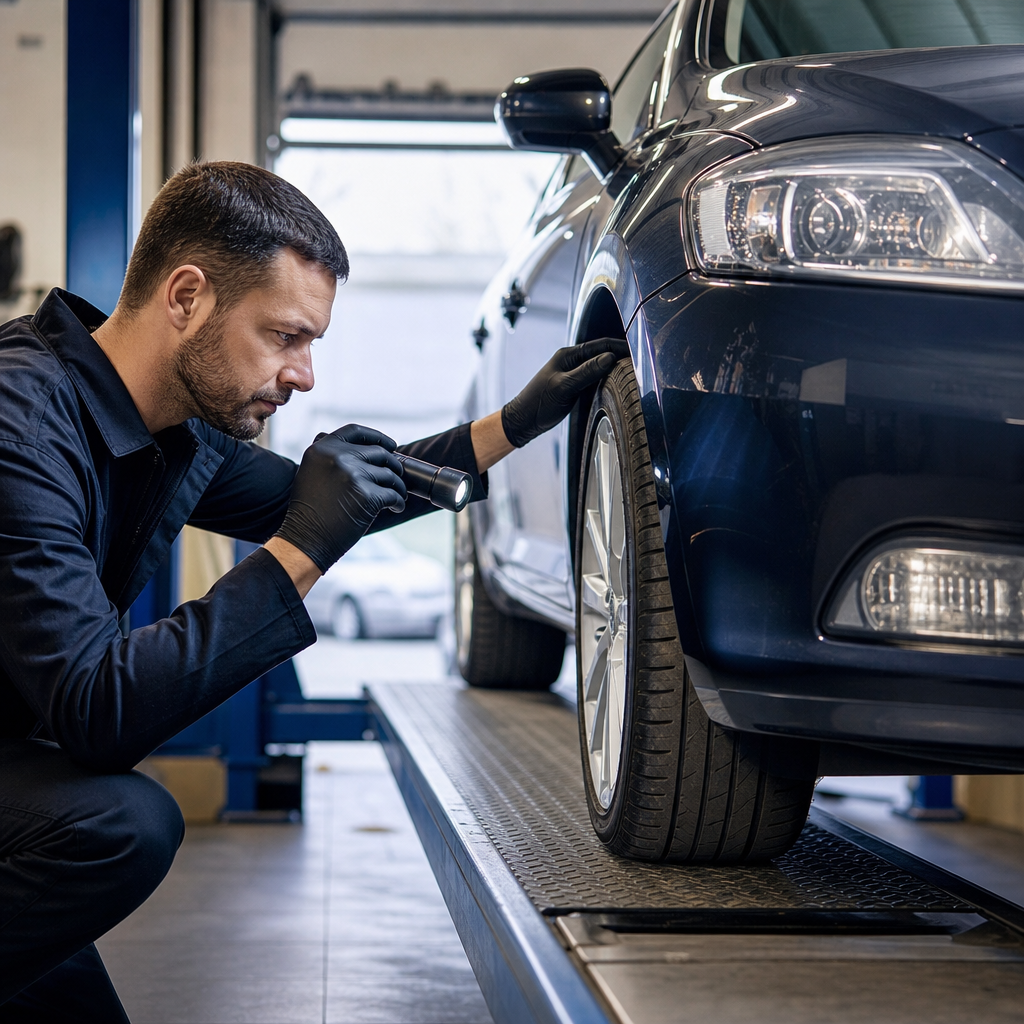
- Damage: Carefully inspect the sidewalls and tread of each tyre for any cuts, bulges, cracks, or embedded objects (like nails or screws). Bulges indicate internal damage and are extremely dangerous, requiring immediate tyre replacement. Any significant cut over 25mm or that exposes the cord of the tyre will result in a failure. Don't forget to check your spare tyre or puncture repair kit if you have one.
How to Avoid Failure: Regularly check your tyres for damage and tread depth. Invest in a good quality tyre pressure gauge and use it monthly. Replace worn or damaged tyres promptly – it’s a crucial safety measure that also prevents MOT heartache.
3. Brakes: Essential for Control and Stopping Power
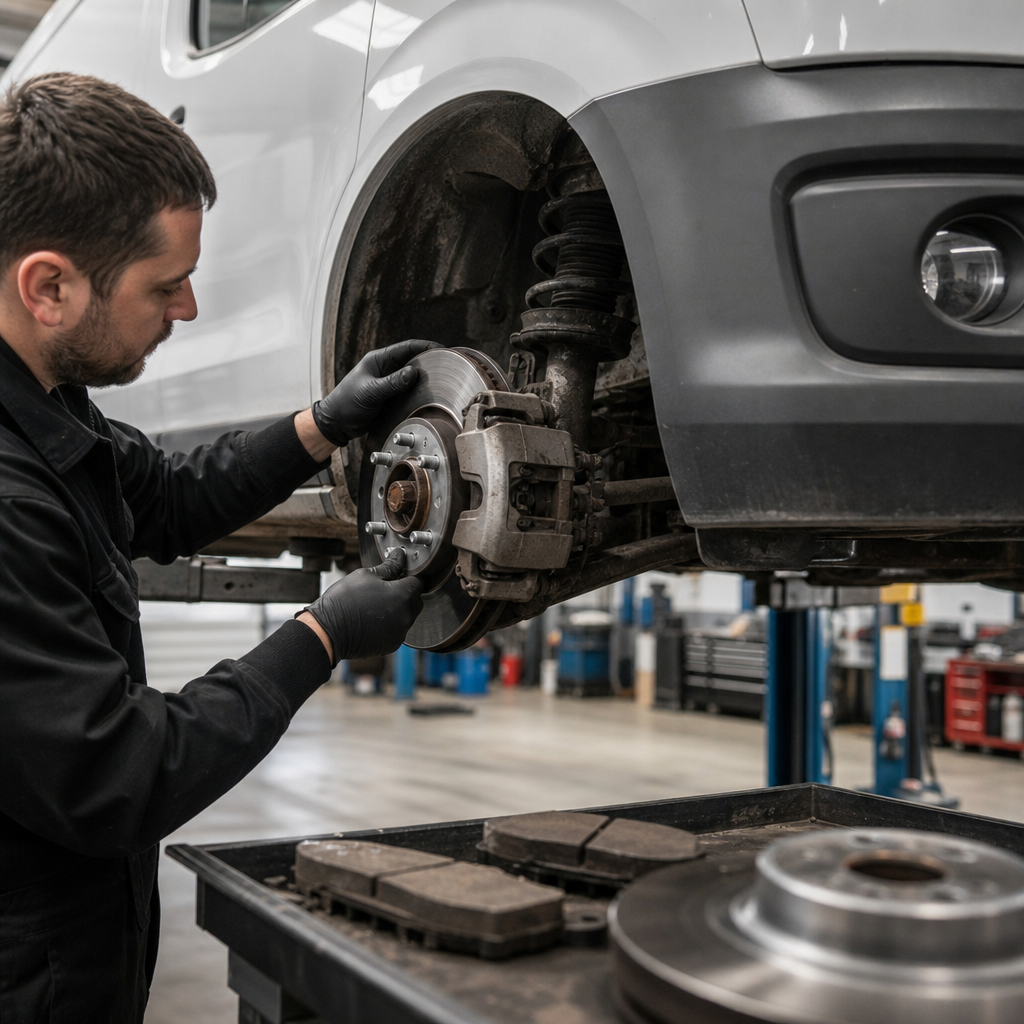
Brakes are perhaps the most critical safety system on your car. Any issues here are taken very seriously during an MOT and will almost certainly result in a failure. While a mechanic will perform a thorough inspection, you can look out for warning signs.
Warning Signs and Checks:
- Responsiveness: Does the brake pedal feel spongy or does it go too far to the floor before engaging? Does the car pull to one side under braking? These are strong indicators of a problem with the hydraulic system or uneven brake wear.
- Noises: Grinding, squealing, or scraping noises when braking are usually signs of worn-out brake pads, or potentially discs. Don't ignore these sounds; they often indicate metal-on-metal contact, which rapidly damages brake discs.
- Fluid Levels: Locate your brake fluid reservoir (usually a small, translucent container under the bonnet with a symbol resembling a circle with parentheses). Ensure the fluid level is between the 'min' and 'max' markers. A low level can indicate a leak in the system or severely worn brake pads.
- Warning Lights: Any brake-related warning light on your dashboard (e.g., ABS light, handbrake light, brake system warning light) will result in an automatic MOT failure.
How to Avoid Failure: At the first sign of any braking issue, have it professionally inspected. Regular servicing often includes brake checks, but if you notice symptoms between services, don't delay. Prompt action can prevent minor issues from becoming major, costly repairs.
4. Emissions: Keeping Our Air Clean (and Your Car on the Road)
With increasing environmental scrutiny, emissions tests are a significant part of the MOT, particularly for modern vehicles. Failure here often points to underlying engine issues that can be expensive to rectify if left unaddressed.
Common Causes of Failure:
- Diesel Particulate Filter (DPF) Issues: For diesel cars, a clogged or removed DPF is a common failure point. Short journeys at low speeds often prevent the DPF from regenerating effectively. A DPF that has been tampered with or removed will result in an immediate fail.
- Catalytic Converter Problems: Both petrol and diesel cars have catalytic converters to reduce harmful emissions. If it's faulty, damaged, or its efficiency has dropped, your car will likely fail the emissions test.
- Lambda (Oxygen) Sensor Faults: These sensors monitor the exhaust gases and help the engine management system maintain the correct fuel-air mixture. A faulty sensor can lead to incorrect fuel metering, resulting in high emissions.
- Excessive Smoke: Blue smoke (burning oil), black smoke (rich fuel mixture), or excessive white smoke (often coolant related) will cause a failure.
- Engine Management Light (EML): If your EML is illuminated, it often indicates an emission-related fault and will result in an MOT failure.
How to Mitigate Failures:
- Regular Servicing: Adhering to your car's service schedule ensures components like spark plugs, air filters, and fuel filters are in good order, directly impacting combustion efficiency.
- 'Italian Tune-Up': Before the MOT, take your car for a good run on a motorway or dual carriageway. Driving at higher RPMs for 20-30 minutes can help clear out carbon deposits from the engine and exhaust system, potentially helping a marginal car pass. This is especially useful for diesel cars with DPFs, as it can initiate regeneration.
- Quality Fuel: Using reputable fuel can help keep your engine and fuel system cleaner.
- Address Warning Lights: Never ignore an illuminated Engine Management Light. Get it diagnosed by a professional as soon as possible.
5. Understanding Common Advisories vs. Outright Failures
It's crucial to distinguish between an MOT failure and an advisory notice.
- Outright Failure: Means your vehicle has a defect that makes it unsafe or unroadworthy according to the current MOT standards. You cannot legally drive the car on public roads until the failure items are repaired and it passes a retest (unless you're driving it directly to a repair centre for those repairs).
- Advisory Notice: These are items identified by the MOT tester that are not yet serious enough to warrant a failure but need attention in the near future. Examples include tyres nearing the legal limit, minor corrosion on a non-structural component, slight play in a steering component, or a slightly worn bush.
Why Advisories Matter: While an advisory won't prevent your car from passing the MOT, ignoring them is a false economy and a risk to safety. An advisory on 'tyres nearing legal limit' means you'll likely need new tyres soon. Addressing these issues proactively, before they become a failure, can save you money (e.g., avoiding an MOT retest fee) and ensures your car remains safe. Keep a record of advisories and plan to address them before your next MOT or service.
Conclusion
Preparing your used car for its MOT doesn't have to be a daunting task. By taking a proactive approach and conducting these simple checks yourself, you can significantly increase your chances of a first-time pass. More importantly, you'll be ensuring your vehicle remains safe and reliable on UK roads. The MOT is there for your safety and the safety of others – treat it as an annual health check for your vehicle.
Don't wait until the last minute. Get familiar with your car, perform these preventative checks, and consult a trusted mechanic for any issues you can't resolve yourself. A little preparation goes a long way in ensuring peace of mind and hassle-free motoring.