Pre-Ride Prowess: Essential Checks Before Buying a Used Motorcycle in the UK
The thrill of acquiring a new-to-you motorcycle is undeniable. The wind in your hair, the open road ahead, the roar of the engine – it’s a unique freedom. But before you get carried away by the shiny chrome and the promise of adventure, remember that buying a used bike requires a sharp eye and a methodical approach. In the UK, the used motorcycle market is vibrant, offering everything from commuter scooters to powerful superbikes. However, without a thorough inspection, that dream machine could quickly become a mechanical nightmare.
This guide from CarsLink.ai is designed to equip you with the knowledge to perform essential checks, ensuring you make an informed decision and ride away safely and happily. Forget those rose-tinted glasses for a moment; it’s time to get practical.
The Initial Walk-Around: A Visual Deep Dive
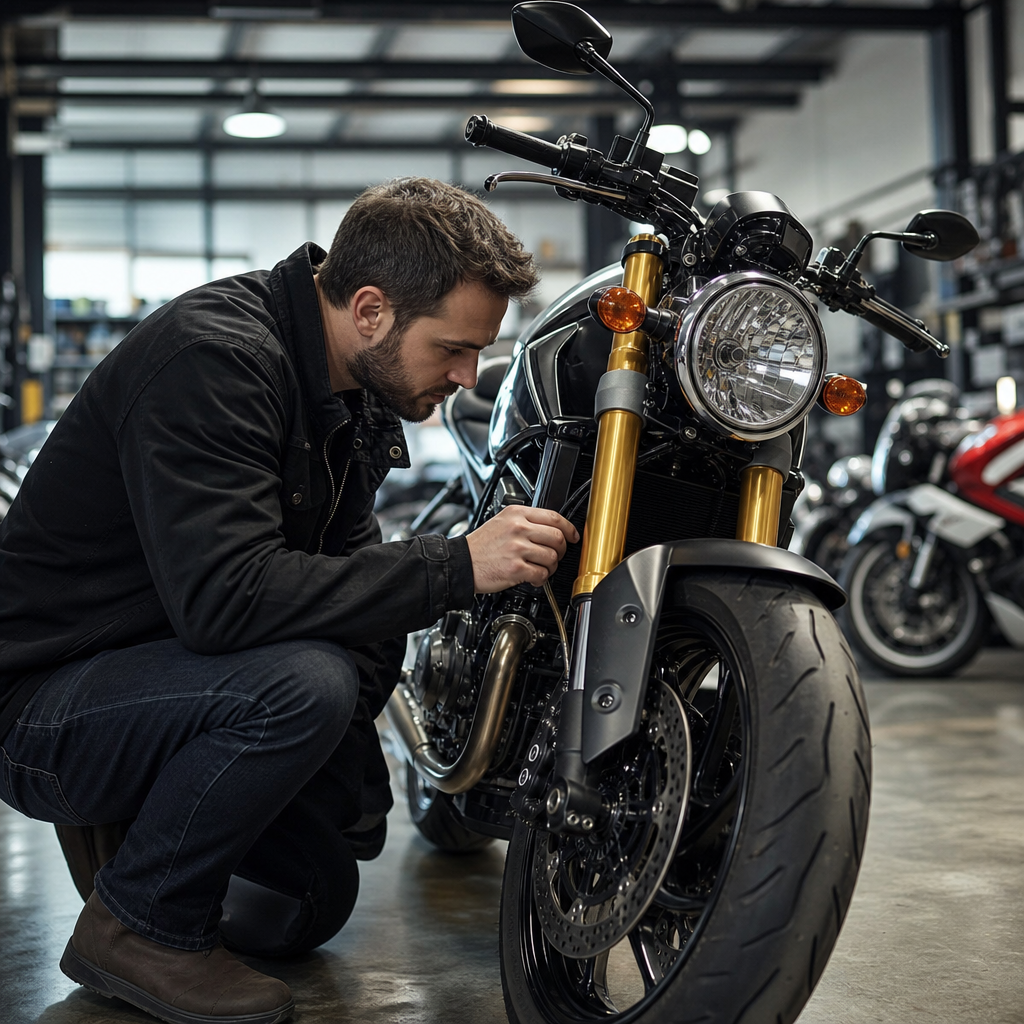
Your first impression is critical, but don't stop there. A meticulous visual inspection can reveal a multitude of sins or provide reassurance about the bike's history and care.
- Frame & Fairings: Begin by scrutinising the frame for any signs of damage. Look for bent sections, scrapes, cracks, or unusual welds that might indicate a previous accident. Pay particular attention to the steering head and engine mounts. On bikes with fairings, check for cracks, scrapes, or misaligned panels. Minor cosmetic scuffs might be acceptable, but widespread damage or poor repair work could hint at a serious spill. Ensure all fairing bolts are present and secure.
- Tyres: Tyres are your primary contact with the road, so their condition is paramount. Check the tread depth across the entire surface – the legal limit in the UK is 1mm across three-quarters of the tyre's width, but you'll want significantly more for optimal safety and longevity. Look for any cracks, bulges, or perishing, especially on the sidewalls. Also, check the manufacturing date (a four-digit DOT code) to ensure they aren't ancient, even if the tread looks decent. Mismatched tyres (different brands/models front and rear) can sometimes affect handling, so inquire why.
- Chain, Sprockets & Drive: If the bike has a chain drive, inspect the chain for rust, stiff or 'kinked' links, and correct tension. Pull the chain back from the rear sprocket at the 3 o'clock position – if you can see more than half a tooth, the chain and sprockets are likely worn out and will need replacing (an expensive job). For shaft-driven bikes, check for any oil leaks around the final drive housing.
- Leads, Hoses & General Condition: Take a moment to examine all visible electrical leads and fluid hoses for cracks, fraying, or leaks. A bike that appears meticulously clean often indicates a caring owner. Conversely, excessive grime might suggest neglect or an attempt to conceal issues. Look under the tank and seat too.
Listening to the Heartbeat: Engine and Exhaust Checks
This is where the bike truly reveals its character. Always insist on seeing the bike started from cold. A warm engine can cleverly mask starting problems or excessive smoke.
- The Cold Start Test:
- Does it fire up quickly and easily? Excessive cranking could point to battery, starter motor, or fuelling issues.
- Listen for any immediate clunks, rattles, or grinding noises that dissipate as the engine warms.
- Engine Noises: Once running, listen carefully to the engine. A healthy engine should have a relatively smooth hum.
- Ticking/Tapping: Often indicative of valve clearances needing adjustment. While not always critical, it's an expense.
- Rattling: Could be a loose cam chain tensioner, a common issue on some models.
- Deep knocking/clunking: A more serious sign, potentially pointing to worn crankshaft bearings (big end/main bearings), which signifies a major, costly repair.
- Exhaust Smoke:
- Blue smoke: This is a clear indicator of burning oil. It could be due to worn piston rings, valve stem seals, or turbocharger issues (on turbocharged bikes). This is a red flag.
- Persistent white smoke: While some white smoke is normal condensation on a cold start, if it persists and has a sweet smell, it suggests burning coolant, often a sign of a blown head gasket.
- Black smoke: Usually means the engine is running too rich, possibly due to fuelling issues (carburettor or injector problems).
- Idle and Throttle Response: Allow the engine to settle into its idle. Is it smooth and consistent? Gently blip the throttle – the engine should rev freely and smoothly without hesitation, coughing, or flat spots. Look for any oil or coolant leaks around engine casings, the radiator, or oil cooler while it's running.
The Ride & Feel: Brakes, Suspension, and Electrics
If you're comfortable and, crucially, insured, a test ride is invaluable. It’s the only way to truly assess how the bike handles and performs under load.
- Brakes:
- Front Brake: Pull the lever firmly. It should feel progressive and firm, not spongy or vague. Check the discs for deep scoring, grooves, or warping (which can cause pulsing at the lever). Inspect pad thickness.
- Rear Brake: Apply the pedal. Similar checks apply.
- ABS (if fitted): Ensure any ABS warning lights illuminate upon ignition and then extinguish once the bike moves.
- Suspension:
- Front Forks: With the bike on its wheels, push down firmly on the handlebars. The forks should compress smoothly and rebound without excessive bounce or clunking. Look for any oil leaks around the fork seals – streaks of oil indicate worn seals that will need replacing.
- Rear Shock: Sit on the bike and push down on the seat. The rear suspension should react similarly to the front. Look for leaks around the shock absorber.
- On the Test Ride: Does the suspension feel firm but compliant? Does the bike dive excessively under braking or feel overly bouncy over bumps? Any unusual noises from either end?
- Electrics: Before or during the ride, confirm all electrical components are functioning:
- Headlight (high and low beam), tail light, brake light (operated by both front and rear brakes).
- Indicators, hazard lights.
- Horn.
- Dashboard lights, speedometer, rev counter, and fuel gauge should all work correctly. Check that any warning lights (oil, battery, engine management) illuminate briefly upon ignition and then go out.
- Steering: On the test ride, does the bike track straight? Does the steering feel light and free, or heavy and notchy? If you hold the front wheel and try to rock it back and forth with the forks held firm, any play could indicate worn headstock bearings – another costly fix.
The Paper Trail: Essential Documentation
A bike's history isn't just told by its mechanics; it's also documented in its paperwork. Don't skip this crucial step.
- V5C Logbook (Registration Document): This is paramount. It proves ownership. Ensure the seller’s name and address match the V5C. Crucially, verify the Vehicle Identification Number (VIN) on the V5C matches the VIN stamped on the bike’s frame and engine. Check for the number of previous owners – while more isn't necessarily bad, many owners in a short period might be suspicious. Also, look out for "Cat S" (structurally damaged, repairable) or "Cat N" (non-structurally damaged, repairable) markers, formerly Cat C and D respectively, which indicate the bike has been an insurance write-off. Avoid Cat A or B bikes, which are total write-offs for scrap.
- MOT Certificate: Confirm the MOT is valid. Review any "advisories" listed on previous certificates – these highlight issues that weren't serious enough to fail the MOT but will require attention soon. You can easily check a bike's full MOT history and mileage online for free using its registration number on the Gov.uk website. Look for consistent mileage readings; a sudden drop in mileage is a major red flag for 'clocking'.
- Service History: A comprehensive service history is golden. Look for a stamped service book, invoices for parts, and receipts for maintenance work. This demonstrates the bike has been looked after properly, with regular oil changes, filter replacements, and scheduled servicing. If the bike has missed services, factor in potential future expenses.
- Owner's Manual & Keys: While not essential, the presence of an owner's manual suggests a fastidious owner. Ensure you receive all available keys, especially if the bike has an immobiliser or alarm system, as replacements can be expensive.
Conclusion
Buying a used motorcycle can be an incredibly rewarding experience, opening up a world of adventure without the new bike price tag. However, approaching the purchase with diligence and a methodical checklist is vital. Don't feel pressured, take your time, and if you're unsure, consider bringing a knowledgeable friend or even a professional mechanic along for a second opinion. By performing these essential checks, you significantly reduce the risk of unforeseen problems, ensuring your new-to-you motorcycle delivers many miles of safe and enjoyable riding. Happy hunting, and ride safe!