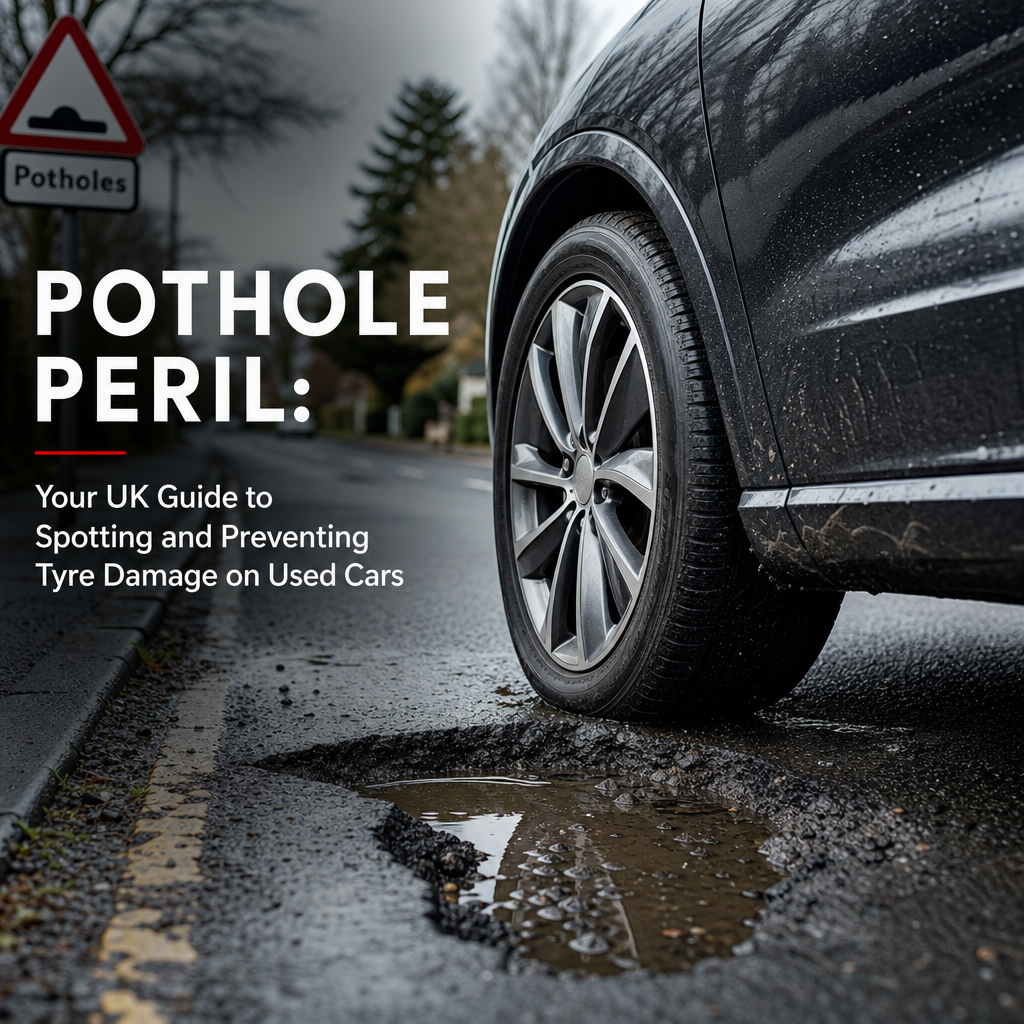
Pothole Peril: Your UK Guide to Spotting and Preventing Tyre Damage on Used Cars
Ah, the great British road network. While it connects our towns and cities, it often does so with a generous peppering of potholes, cracks, and uneven surfaces that can wreak havoc on your vehicle. For owners of used cars, in particular, understanding tyre health isn't just about passing your MOT; it's fundamental to safety, performance, and keeping running costs down. At CarsLink.ai, we believe informed buyers and owners are happy drivers, which is why we've put together this essential guide to spotting and preventing tyre damage, keeping your wheels rolling smoothly and safely.
The Scars of the Road: Common Types of Tyre Damage
Our roads are a minefield for tyres, and regular inspection is key to catching problems before they escalate. Here are the most common types of damage you might encounter:
- Sidewall Bulges: This is arguably the most dangerous type of damage and a clear indicator of a severe impact, typically from hitting a pothole, kerb, or speed bump at an awkward angle. A bulge, often resembling a small bubble or tennis ball on the tyre's sidewall, signifies that the internal plies (the structural cords within the tyre) have been fractured. These plies are crucial for maintaining the tyre's integrity under pressure. Once compromised, a bulge creates a weak spot that could lead to a sudden and catastrophic blow-out, especially at speed. If you spot a bulge, the tyre needs immediate replacement, regardless of its remaining tread.
- Cracks and Perishing: Over time, exposure to UV light, harsh weather conditions, and general ageing can cause the rubber compound of a tyre to dry out and develop fine cracks. These are often most visible in the grooves of the tread and on the sidewall. While minor surface cracking might not be an immediate danger, deep or widespread perishing indicates the tyre's rubber is losing its elasticity and strength. This increases the risk of punctures, tread separation, and blow-outs. Tyres with significant cracking, particularly on the sidewall, should be replaced.
- Uneven Wear: Ideal tyre wear is even across the tread pattern. Uneven wear, however, can signal underlying issues with your vehicle.
- Centre Wear: If the centre of the tread is more worn than the edges, it usually means the tyre has been consistently overinflated. This reduces the contact patch, leading to poorer grip and premature wear.
- Edge Wear: Conversely, if both edges of the tread are more worn than the centre, it indicates underinflation. This causes the tyre to sag, putting more pressure on the shoulders, again compromising grip and fuel efficiency.
- Feathering or Scalloping/Cupping: These patterns, where the tread blocks appear feathered or scooped out, often point to mechanical issues like incorrect wheel alignment, worn suspension components (e.g., shock absorbers, bushes), or unbalanced wheels. These issues not only reduce tyre life but also affect handling, braking, and ride comfort. Addressing the underlying mechanical fault is crucial, alongside replacing the damaged tyres.
- Cuts and Punctures: While punctures are often immediately noticeable due to rapid air loss, smaller cuts or embedded debris might go unnoticed. Deep cuts on the tread or sidewall, even without an immediate puncture, can compromise the tyre's structural integrity, making it unsafe. Be vigilant for any foreign objects embedded in the tread.
The Foundation of Tyre Health: Pressure and Tread Depth
Preventing serious damage and ensuring optimal performance starts with two simple yet critical habits: regular pressure checks and monitoring tread depth.
- The Power of Pressure: Correct tyre pressure is paramount. It directly influences your car's handling, braking, fuel economy, and tyre lifespan. Under-inflated tyres generate more heat, increase rolling resistance (meaning higher fuel consumption), and wear excessively on the shoulders. Over-inflated tyres reduce the contact patch, leading to harsher rides, poorer grip, and centre tread wear.
- How often? Check your tyre pressures at least once a month and always before a long journey. Don't forget the spare tyre too, if your car has one!
- Where to find the correct pressure? Look for a sticker inside your driver's door jamb, in the car's manual, or on the fuel filler flap. It will specify pressures for normal loads and full loads. Always check when the tyres are cold, ideally before driving or after a short trip.
- Tread Depth – The Legal Minimum vs. Safety Optimum: In the UK, the legal minimum tread depth is 1.6mm across the central three-quarters of the tread width and around the entire circumference of the tyre. Driving with tyres below this limit is illegal, punishable by fines and penalty points.
- How to check? Most tyres have built-in tread wear indicators (small raised bars in the main grooves). If your tread is flush with these indicators, it's time for new tyres. You can also use a dedicated tread depth gauge or the famous 20p coin test: insert a 20p coin into the main tread grooves. If you can see the outer band of the coin, your tyres might be close to or below the legal limit and should be checked by a professional.
- Beyond the Legal Limit: While 1.6mm is the legal minimum, many experts and motoring organisations like the RAC recommend replacing tyres when the tread reaches 3mm. Below 3mm, a tyre's ability to disperse water and maintain grip, particularly in wet conditions, significantly diminishes. This means longer braking distances and an increased risk of aquaplaning – a critical safety concern on our often-damp UK roads.
When to Replace and How to Choose Wisely
Understanding when to replace your tyres, and then choosing the right ones, is a crucial part of responsible used car ownership.
- When to Replace:
- Illegal Tread Depth: As discussed, anything below 1.6mm across the central 3/4 is illegal.
- Visible Damage: Any bulges, deep cuts exposing the internal cords, or significant cracking/perishing necessitate immediate replacement. If in doubt, have a professional inspect it.
- Age: Even if a tyre looks fine and has legal tread, rubber degrades over time. Most manufacturers and safety experts recommend replacing tyres that are 5-6 years old, regardless of wear, and definitely those over 10 years old. You can find the manufacturing date (DOT code) on the sidewall – it's a four-digit number, e.g., "3220" means the 32nd week of 2020.
- Punctures: Not all punctures are repairable. Punctures to the sidewall or close to it, and those larger than 6mm in diameter, typically cannot be safely repaired.
- Choosing Suitable Replacements:
- Match Them Up: Ideally, all four tyres on your car should be the same type, but at a minimum, tyres on the same axle (front or rear) should be identical in terms of brand, pattern, size, and speed/load rating. Mixing different tyre types on the same axle can severely affect handling.
- Size, Load, and Speed Ratings: Always stick to the size, load index, and speed rating specified by your car's manufacturer. This information can be found on the tyre placard (door jamb, fuel flap) or in your owner's manual. For example, "205/55 R16 91V" – 91 is the load index, V is the speed rating. Using tyres with lower ratings than specified is illegal and dangerous.
- Budget vs. Premium: While budget tyres might save you money upfront, premium brands often offer superior performance, especially in wet braking, handling, and fuel efficiency. They can also last longer, potentially offsetting the initial cost difference. Look at the EU tyre labelling system for guidance on fuel efficiency, wet grip, and noise levels. For a used car, a reputable mid-range tyre often provides an excellent balance of performance and value.
- Seasonal Tyres: Consider if all-season tyres might be suitable for the UK's varied climate, offering a balance between summer and winter performance without needing to swap sets.
The Wider Impact: Safety, Economy, and Your MOT
Ignoring tyre health has far-reaching consequences that impact every aspect of your driving experience.
- Safety First: This is non-negotiable. Worn or damaged tyres drastically increase braking distances, especially in wet conditions. Poor grip leads to reduced handling, making your car less responsive in emergency manoeuvres. The risk of aquaplaning, where the tyre loses contact with the road due to a layer of water, rises sharply with reduced tread depth. And, as mentioned, a tyre blowout from a neglected bulge can be catastrophic.
- Fuel Economy: Under-inflated tyres increase rolling resistance, meaning your engine has to work harder, consuming more fuel. Even slightly under-inflated tyres can add noticeable pounds to your annual fuel bill. Maintaining correct pressure is a simple way to save money.
- MOT Pass Rates: Tyres are one of the most common reasons for MOT failures. Issues like insufficient tread depth (below 1.6mm), bulges, cord exposure, deep cuts, or incorrectly sized/rated tyres will all result in an immediate fail. Rectifying these issues can be costly and inconvenient, so preventative checks are always best. Remember, an MOT failure on tyres can also lead to an advisory for those close to the legal limit, prompting you to change them soon.
Conclusion
Your tyres are the only part of your car that touches the road – they are literally your connection to safety and control. For used car owners, the initial condition of the tyres might vary, making vigilance even more important. Regular visual inspections for damage, monthly pressure checks, and knowing when to replace them are not just good practice; they are essential for your safety, your wallet, and ensuring your vehicle passes its annual MOT with flying colours. Don't underestimate the humble tyre; treat it well, and it will serve you safely mile after mile on Britain's challenging roads. Drive safe!