Plugging In: Demystifying Used EV Charging Options and Costs for UK Drivers
The UK's roads are seeing an electric revolution, and the used EV market is booming. With a growing array of fantastic electric cars and vans becoming more affordable and accessible, more drivers than ever are considering making the switch. However, for many, the world of EV charging can seem like a daunting maze of jargon, connectors, and varying costs. How do you charge it? Where? And how much will it really cost?
Fear not. As your trusted UK automotive journalist from CarsLink.ai, I’m here to demystify the process. This comprehensive guide will break down everything a prospective used EV owner in the UK needs to know about charging, helping you hit the road with confidence and a full 'tank' of electrons.
Decoding Charging Methods: Home, Public AC, and Rapid DC
Understanding the different ways to 'fill up' your electric vehicle is fundamental. Broadly, charging falls into three categories, each with its own benefits and considerations.
1. Home Charging: The Ultimate Convenience For most EV owners, home charging is the cornerstone of their electric motoring experience. It’s the cheapest, most convenient, and most common method.
- 3-pin plug (Trickle Charging): This is your standard household socket. While technically possible, charging via a 3-pin plug (around 2.3kW) is incredibly slow. Expect a full charge to take well over 24 hours for most EVs. It's best reserved for emergencies or if you only drive very short distances.
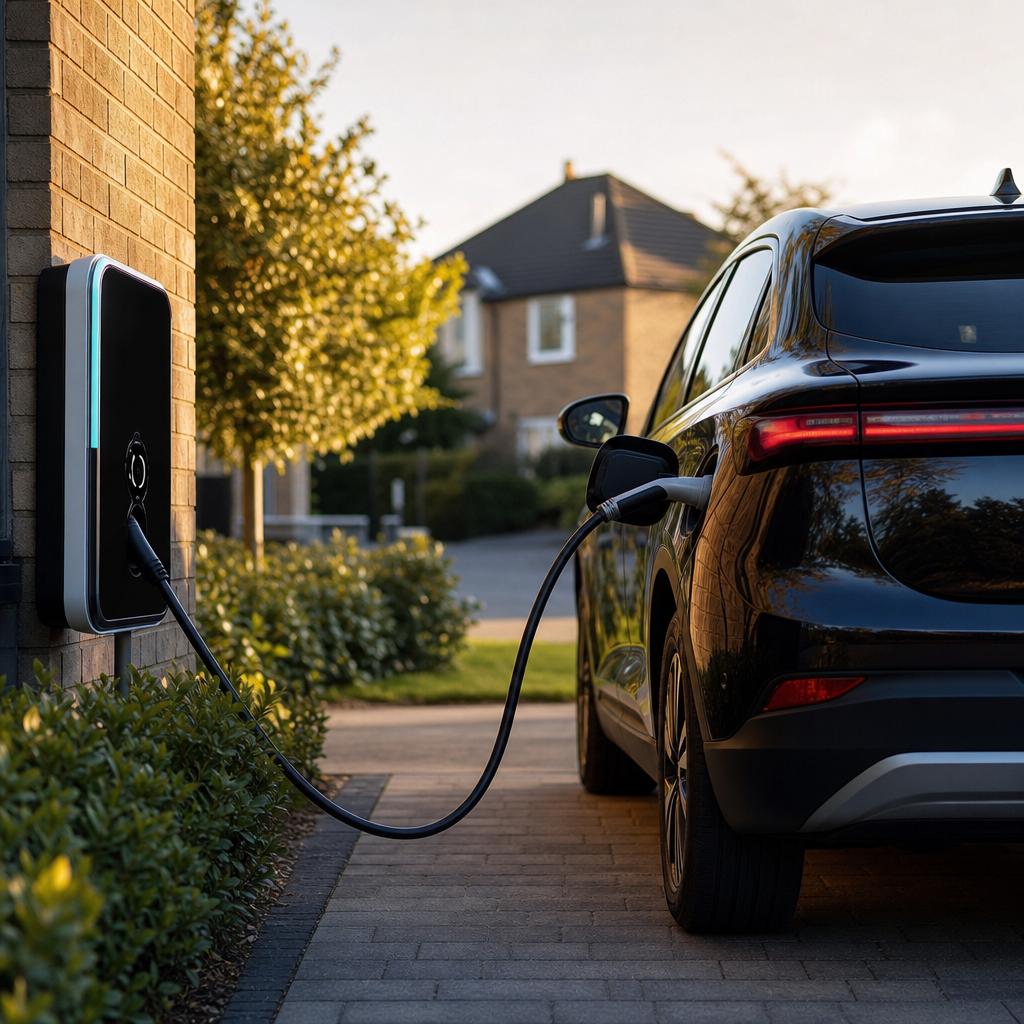
- Dedicated Wallbox (AC): This is the recommended solution for home charging. A professionally installed wallbox (often 7kW, though 22kW three-phase options exist for homes with the right power supply) allows for significantly faster charging. A typical 7kW wallbox can fully charge most EVs overnight (e.g., an average 60kWh battery would take around 8-9 hours). Many smart wallboxes offer features like scheduled charging to take advantage of cheaper off-peak electricity tariffs, further reducing your running costs. While government OZEV grants for home charger installation are now more restricted, it remains a worthwhile investment.
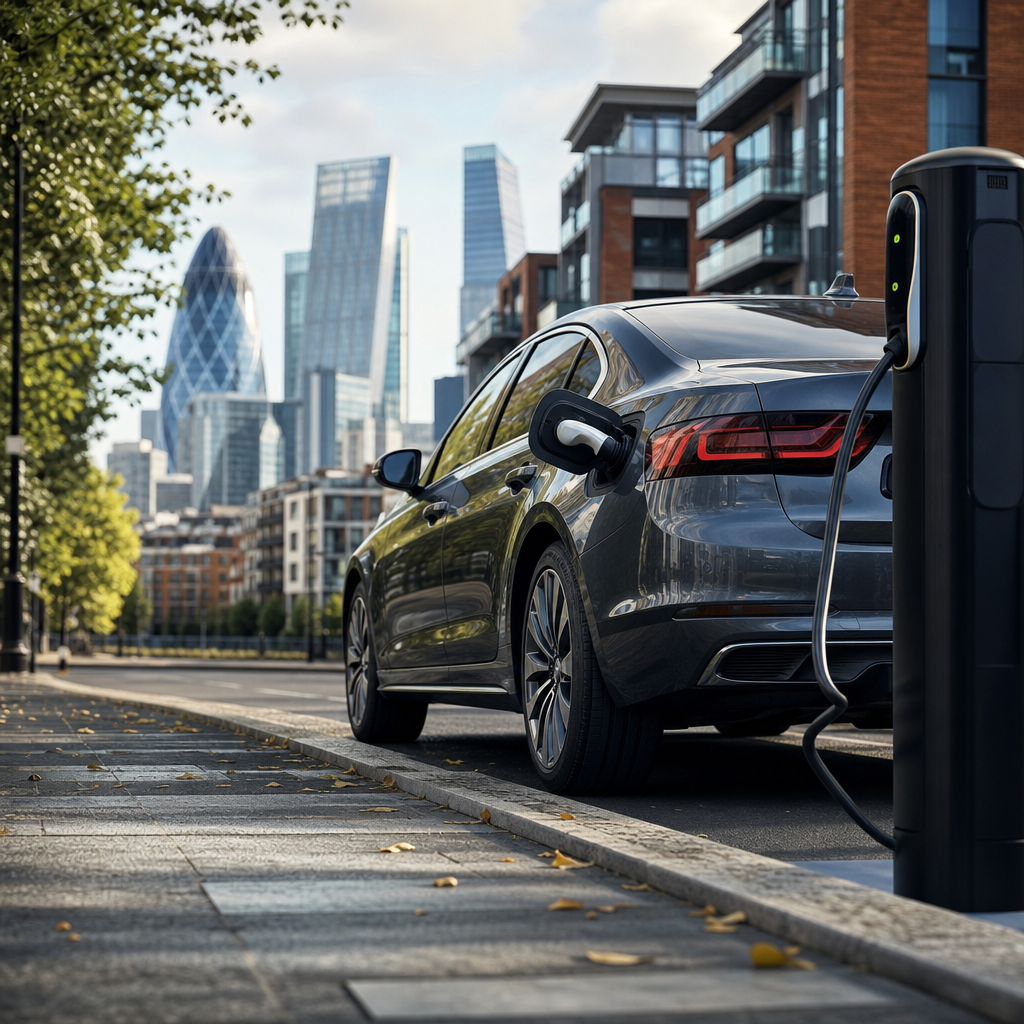
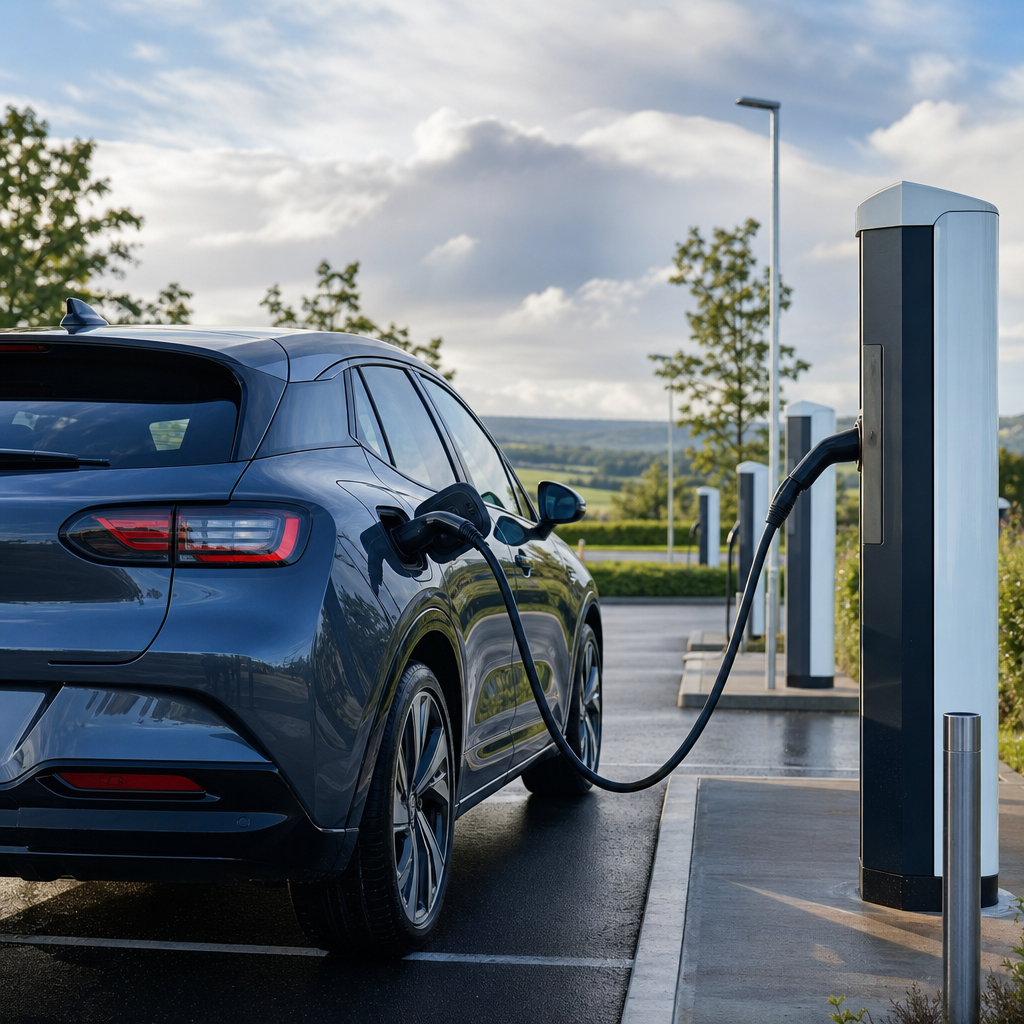
2. Public AC Charging: Topping Up on the Go Public AC chargers are found in numerous locations, including supermarkets, public car parks, workplaces, and leisure centres. They typically offer speeds of 7kW, 11kW, or 22kW. These are excellent for topping up your battery while you're parked for an extended period, perhaps during a shopping trip or a day at work. They’re generally slower than rapid DC chargers but faster than a domestic 3-pin plug. Costs vary significantly between networks and locations.
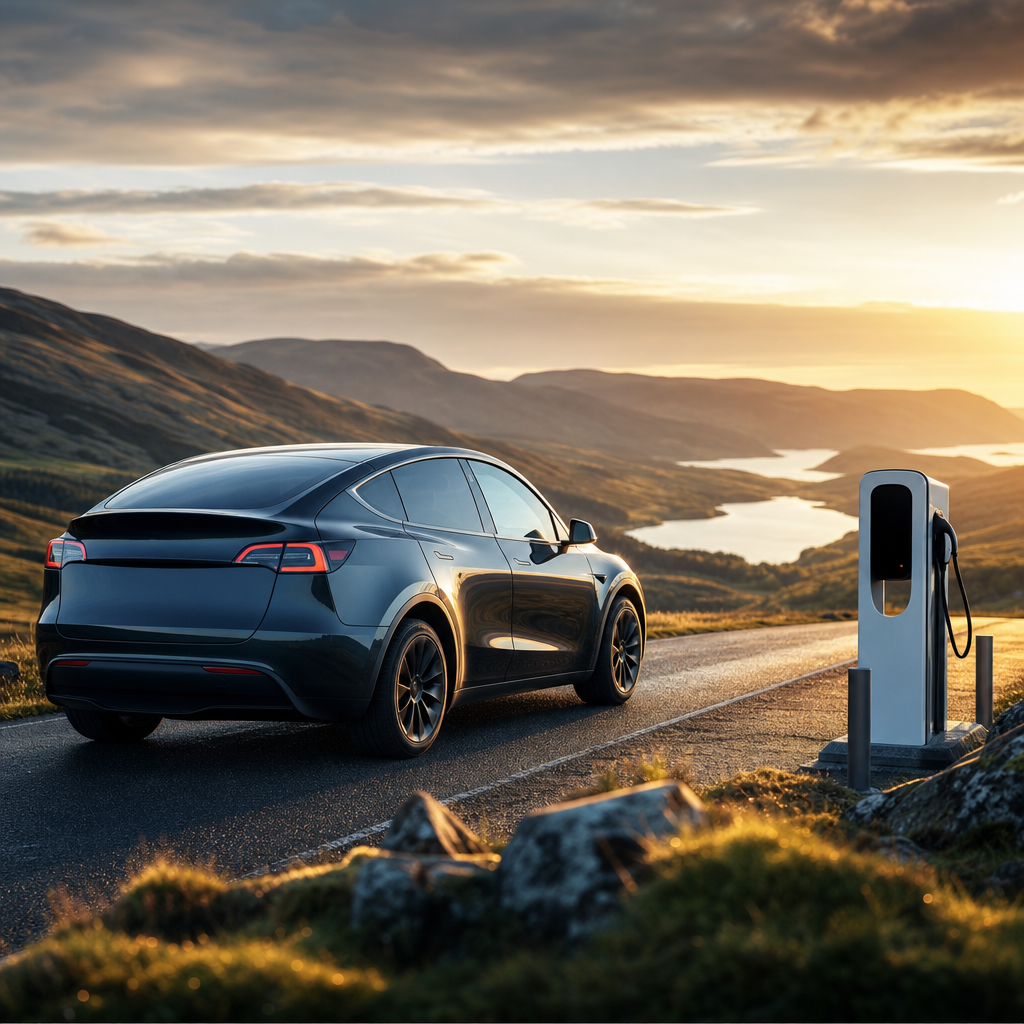
3. Rapid DC Charging: The Long-Distance Saviour When you need to charge quickly, perhaps on a long journey along a motorway or a major A-road, rapid DC (Direct Current) chargers are your go-to. These units deliver power much faster, with common speeds ranging from 50kW to 350kW+. A 50kW rapid charger can typically add around 100 miles of range in 20-30 minutes, while ultra-rapid chargers (150kW+) can do it in as little as 10-15 minutes, depending on your vehicle's charging capabilities and battery state. Rapid charging is the most expensive option, but invaluable for minimizing journey times. It’s also important to remember the 'charging curve' – an EV will charge fastest when its battery is low (e.g., 10-20%) and slow down significantly as it approaches 80% to protect the battery.
Navigating UK Charging Connectors: Type 2, CCS, CHAdeMO
Just as petrol and diesel cars have different nozzles, EVs have different charging connectors. Knowing which ones your used EV uses is crucial for seamless charging.
- Type 2 (Mennekes): This is the European standard for AC charging. You'll find a Type 2 port on virtually all modern EVs sold in the UK, used for both home wallboxes and public AC chargers. Most EVs come with a cable that has a Type 2 connector at both ends.
- CCS (Combined Charging System): The dominant rapid DC charging standard in Europe. A CCS connector is essentially a Type 2 connector with two additional larger pins below it, allowing for DC rapid charging. Most new EVs from manufacturers like Volkswagen, Audi, BMW, Mercedes-Benz, Hyundai, Kia, and Tesla (newer models) use CCS for rapid charging. When you pull up to a rapid charger, you'll simply plug the charger's tethered CCS cable directly into your car.
- CHAdeMO: Predominantly found on older Japanese EVs, most notably the immensely popular Nissan Leaf (up to 2024 models) and Mitsubishi Outlander PHEV. CHAdeMO is a rapid DC charging standard, but its prevalence on new rapid chargers is declining in favour of CCS. However, if you're buying a used Leaf, you'll still find plenty of CHAdeMO rapid chargers available across the UK. Chargers often have both CCS and CHAdeMO cables.
- Tesla Superchargers: Tesla's own proprietary rapid charging network initially used a unique connector for older Model S/X vehicles. However, newer Model 3 and Model Y vehicles sold in the UK typically feature a CCS port for Supercharging. Crucially, a growing number of Tesla Supercharger sites are now open to non-Tesla EVs, which will use the CCS connector.
Always double-check your vehicle’s specifications or consult its manual to confirm which connectors it uses.
Crunching the Numbers: Real-World EV Charging Costs
One of the most appealing aspects of owning an EV is the potential for significant running cost savings. However, the price you pay per kWh can vary dramatically depending on where and when you charge.
1. Home Charging: Your Cheapest Option This is where you'll see the biggest savings.
- Standard Rate: On a typical domestic energy tariff, you might pay around 25-35 pence per kWh (p/kWh). For a 60kWh battery, a full charge would cost £15. Assuming 200 miles of range, that's 7.5p per mile.
- Off-Peak Tariffs: The real game-changer. Energy suppliers like Octopus Energy (e.g., Octopus Go, Intelligent Octopus) offer specialised EV tariffs with dramatically reduced rates during off-peak hours (typically 00:30-04:30). These rates can be as low as 7.5-15p/kWh. Charging a 60kWh battery at 10p/kWh costs just £6, or 3p per mile! This is significantly cheaper than petrol or diesel.
2. Public AC Charging: A Step Up Public AC chargers generally cost more than home charging, but less than rapid DC. Expect to pay anywhere from 30p/kWh to 50p/kWh, depending on the network and location. Some networks offer subscription models or memberships that provide discounted rates.
3. Rapid DC Charging: The Premium for Speed The fastest charging comes at the highest price. Rapid and ultra-rapid DC chargers typically cost between 60p/kWh and 85p/kWh, with some urban rapid chargers exceeding £1/kWh. While more expensive, remember you're paying for convenience and speed. For instance, charging a 60kWh battery at 70p/kWh would cost £42, or 21p per mile. While higher, this often remains competitive with, or only slightly more expensive than, filling up a comparable petrol car for the same range, especially considering the efficiency of EVs. Be aware of "idle fees" – some rapid charger networks charge a penalty if your car remains connected after it has finished charging, to encourage movement and improve availability.
Practical Tips for Utilising Public Charging Infrastructure Across the UK
Navigating the UK's growing public charging network is far simpler than it first appears, especially with a few handy tips.
1. Essential Charging Apps: Your smartphone will become your best friend. Download apps like Zap-Map and PlugShare. These invaluable tools show you every public charger in the UK (and beyond), indicating connector types, speeds, availability, pricing, and crucially, recent user reviews about reliability. You'll also likely need specific apps for major networks like BP Pulse, InstaVolt, Gridserve, Shell Recharge, and Source London to initiate charges and make payments.
2. Plan Your Route: Before a long journey, use in-car navigation (if your used EV supports integrated charging stops) or a dedicated app like Zap-Map to plan where you'll stop to charge. Identify chargers with your car's connector type and sufficient speed. Always have a backup charging location in mind in case your primary choice is out of order or occupied.
3. Understand Payment Methods: Charging networks use various payment methods. Many now support contactless bank card payments directly on the charger, making it very straightforward. Others require their own RFID cards or payment via their smartphone app. It’s worth having a few key network apps downloaded and accounts set up to avoid fumbling when you need to charge quickly.
4. Check Reliability and Availability: Public chargers, like any technology, can sometimes be out of order. Before heading to a charger, check Zap-Map or PlugShare for recent user comments – they're a goldmine of information about whether a charger is working or busy.
5. Observe Charger Etiquette: The EV community generally has excellent etiquette. Once your car is charged, especially on rapid chargers, move it promptly to allow others to use the bay. Never unplug someone else's car unless there's an emergency or explicit permission (e.g., from a shared office charger).
Conclusion
Embracing a used electric vehicle in the UK is an exciting step towards more sustainable and often cheaper motoring. While the concept of charging might initially seem complex, it quickly becomes second nature. With the convenience of cheap home charging, the flexibility of public AC points, and the speed of rapid DC networks, plugging in your used EV is now easier and more accessible than ever. By understanding your charging options, connector types, and the varying costs, you'll be well-equipped to enjoy the silent, swift, and cost-effective journey that awaits you. Happy motoring, and happy charging!