Plug-in Perks: Unpacking the Benefits and Pitfalls of Used PHEVs for UK Drivers
The automotive landscape is evolving at a blistering pace, with electric vehicles (EVs) making headlines and hybrids becoming a common sight. But nestled in between the traditional petrol/diesel cars and full EVs lies a category that offers a compelling blend of both worlds: the Plug-in Hybrid Electric Vehicle (PHEV). For UK drivers eyeing the used car market, PHEVs present a fascinating proposition, promising lower running costs and reduced emissions without the range anxiety often associated with pure electric models.
However, like any sophisticated technology, understanding the nuances of a used PHEV is crucial before committing. At CarsLink.ai, we’re here to help you navigate the potential benefits and pitfalls, ensuring you make an informed choice that suits your driving habits and budget.
Understanding the Blend: How Plug-in Hybrid Electric Vehicles (PHEVs) Work
At its heart, a PHEV is designed to offer the best of both worlds. It combines a conventional internal combustion engine (ICE) – typically petrol, though some diesel PHEVs exist – with an electric motor and a larger battery pack than a standard 'self-charging' hybrid. This crucial distinction means that, unlike a regular hybrid, a PHEV can be plugged into an external power source to recharge its battery.
The beauty of a PHEV lies in its versatility. For shorter journeys, you can often drive purely on electric power, enjoying silent, emission-free motoring. Once the battery depletes, or if you demand more power (e.g., for accelerating hard or cruising at motorway speeds), the petrol engine seamlessly kicks in. Many PHEVs also allow you to choose different driving modes – from electric-only to hybrid, or even modes that preserve battery charge for later use in urban zones.
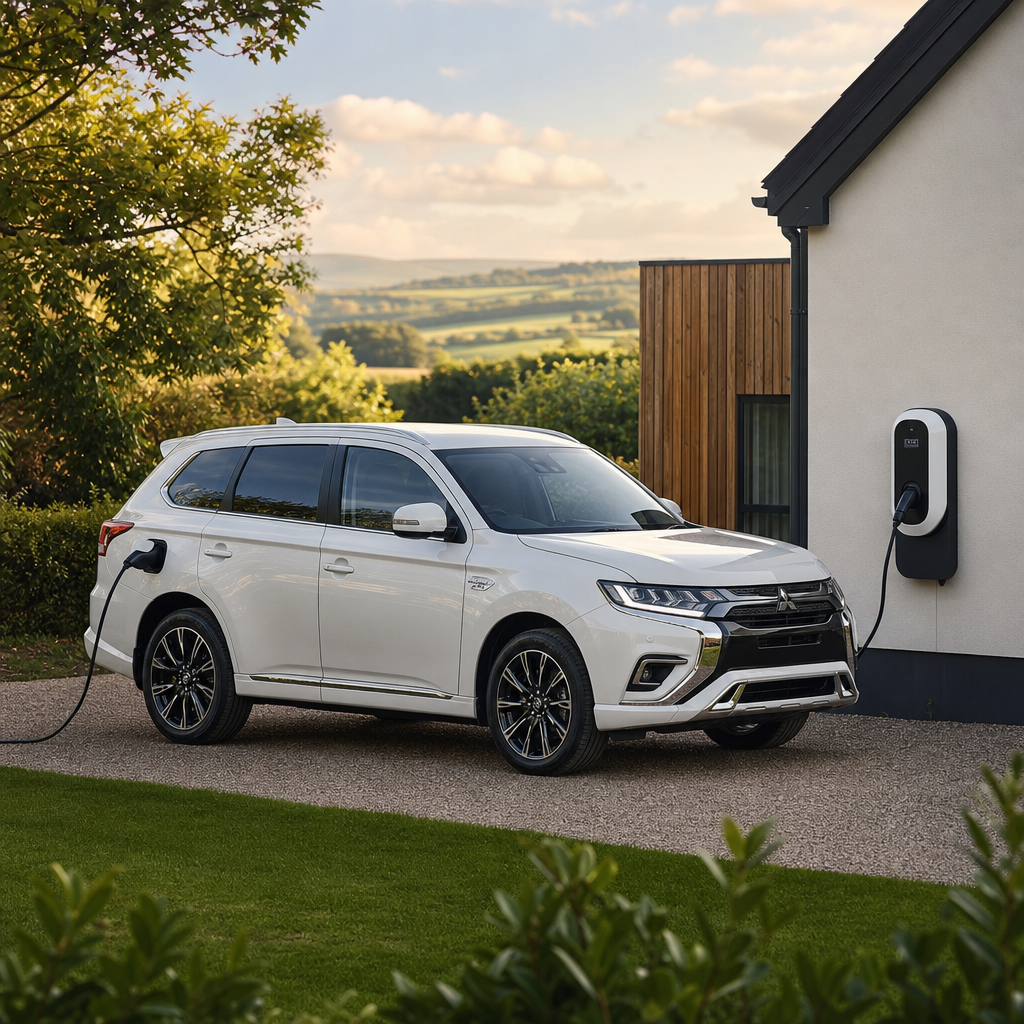
Popular examples of used PHEVs in the UK market include the ubiquitous Mitsubishi Outlander PHEV, the stylish Volvo XC90 T8 Twin Engine, the sporty Volkswagen Golf GTE, and more recently, models like the Kia Niro PHEV and BMW 330e. Their ability to switch between power sources, coupled with regenerative braking (which captures energy typically lost during deceleration and braking to recharge the battery), makes them incredibly adaptable to various driving scenarios.
Battery Health and Realistic Electric Range Expectations for Used Models
One of the primary concerns when buying a used PHEV is the health of its high-voltage battery. The electric range is a cornerstone of the PHEV experience, and a degraded battery can significantly diminish its appeal and efficiency.
Over time, all lithium-ion batteries experience some degree of degradation. Factors contributing to this include age, the number of charge/discharge cycles, exposure to extreme temperatures, and how frequently the battery has been fully depleted or charged to 100%. While modern PHEV batteries are designed to be robust and are often liquid-cooled to manage temperature, a 3-5 year old model won't offer the same range as it did when new.
Assessing Battery Health:
- Service History: Look for comprehensive service records. Some manufacturers or dealerships may offer battery health reports or checks as part of their servicing.
- Test Drive: Pay close attention to the indicated electric range on a full charge. While not a definitive diagnostic, compare it against the original WLTP (Worldwide Harmonised Light Vehicle Test Procedure) figure. If an original range was 30 miles and it's consistently showing 18-20 miles after a full charge, that suggests significant degradation.
- Manufacturer Warranty: Most PHEV batteries come with a separate, longer warranty – often 8 years or 100,000 miles. Check if the vehicle you’re interested in is still covered, as this can offer peace of mind.
Realistic Expectations: Manufacturers' WLTP figures are achieved under controlled conditions. In real-world UK driving, especially with varying temperatures, hilly terrain, and accessory use (heating/AC), you should always expect slightly less. For a used PHEV, subtract another 10-20% from the original real-world range to get a more accurate picture of what you might achieve. For example, a PHEV with a new WLTP range of 30 miles might realistically offer 20-25 miles when new, and perhaps 15-20 miles after several years of use. This is still ample for many daily commutes.
Charging Practicalities: Home vs. Public Charging Infrastructure in the UK
To truly unlock the economic and environmental benefits of a PHEV, regular charging is essential. Understanding the charging landscape in the UK, both at home and on the go, is key.
Home Charging: The Most Convenient Option For most PHEV owners, home charging will be the primary method.
- Standard 3-pin Plug (Type G): You can plug a PHEV into a regular domestic socket using the 'granny cable' supplied with the car. This is the slowest method, typically delivering around 2.3kW, meaning a full charge could take 4-8 hours or more depending on battery size. It's best reserved for occasional or overnight charging.
- Dedicated Wallbox (7kW): This is highly recommended for faster, safer, and more efficient charging. A 7kW wallbox can fully charge most PHEVs in 1.5-3 hours. Installation costs typically range from £800-£1,200. While OZEV grants for home charge points are generally tied to new EV purchases, some grants may be available for the installation itself regardless of vehicle age, so it's worth checking the latest government guidance. Many energy providers also offer specific EV tariffs (like Economy 7 or 10) which provide cheaper electricity rates during off-peak hours, significantly reducing your charging costs.
Public Charging Infrastructure: For Top-Ups and Longer Journeys The UK's public charging network is growing rapidly, but it's important to understand its nuances for PHEVs.
- Connectors: Most PHEVs use a Type 2 connector for AC charging. While full EVs increasingly utilise CCS or CHAdeMO for rapid DC charging, the vast majority of PHEVs cannot rapid charge using DC. They typically max out at 3.7kW or 7kW AC, making them unsuitable for quick motorway rapid charges.
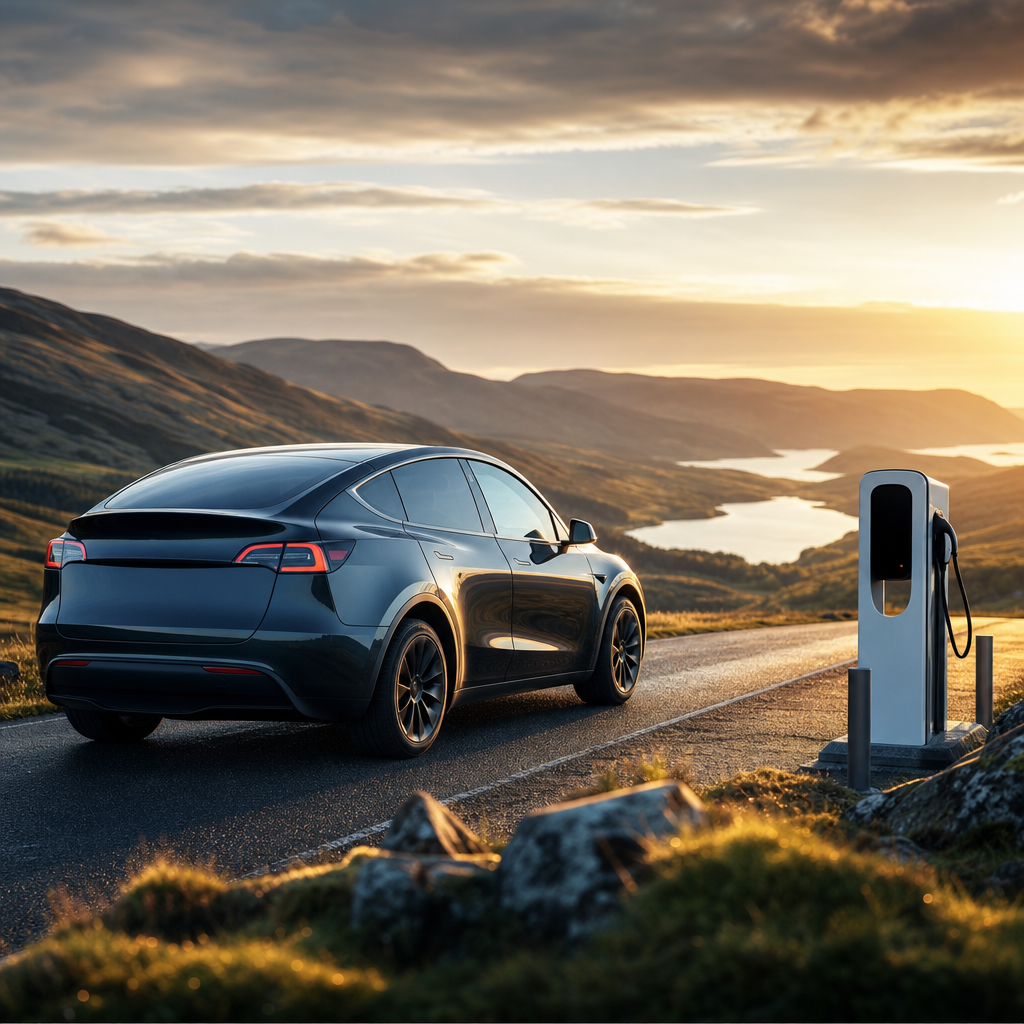
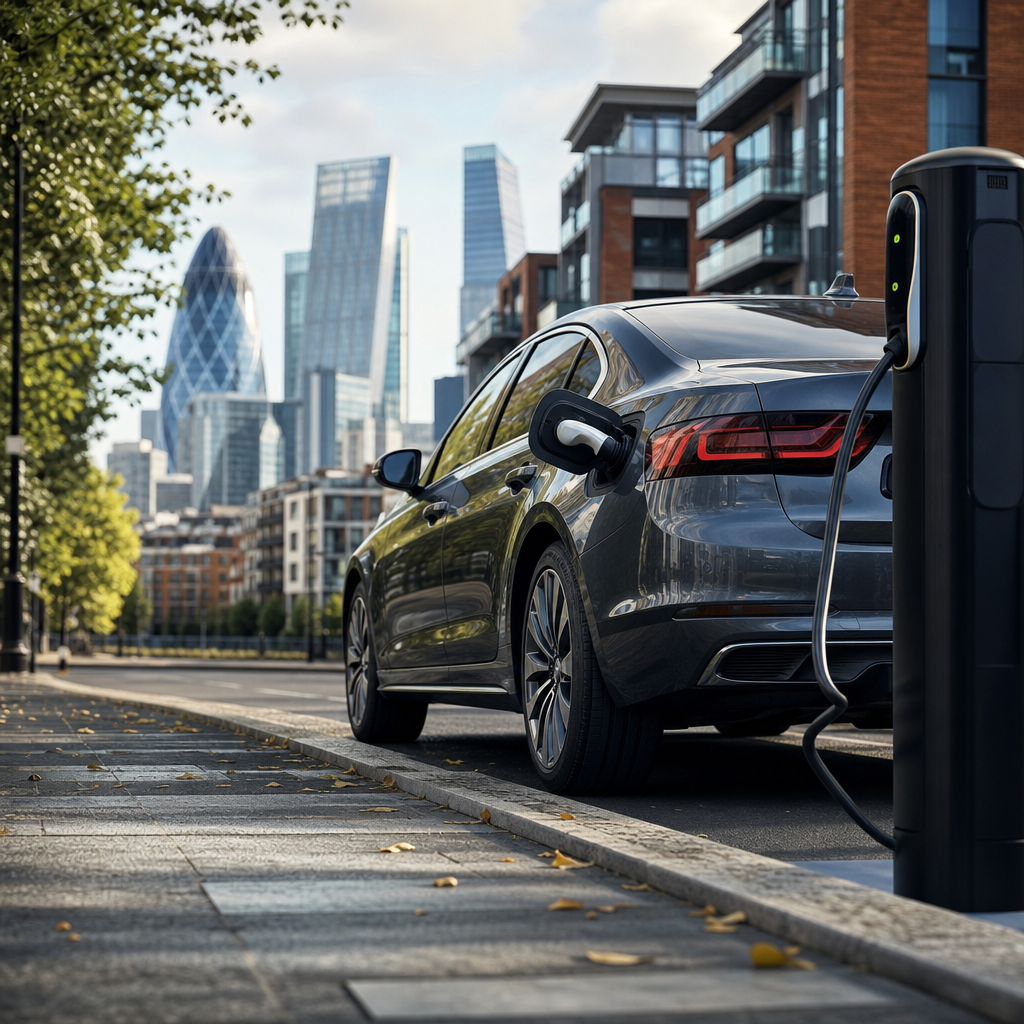
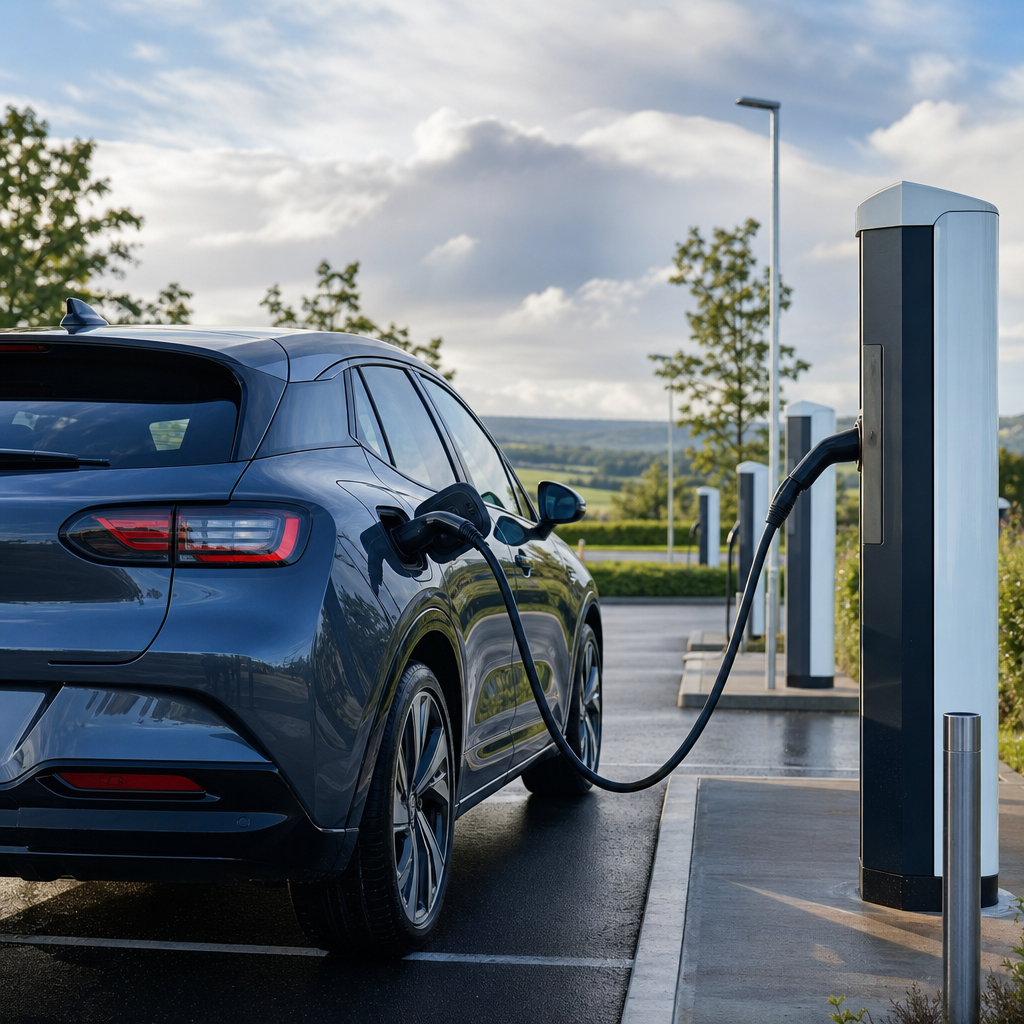
- Availability: Apps like Zap-Map or PlugShare are invaluable for locating charge points. You'll find them at supermarkets, leisure centres, public car parks, and service stations.
- Costs: Public charging costs vary widely. Some are free (e.g., at certain supermarkets), others charge per kWh, per minute, or require a subscription. It's almost always more expensive than home charging.
- Etiquette: Always be mindful of others. Move your car once charged, and avoid blocking charging bays if you’re not charging.
For PHEV drivers, public charging is best viewed as a top-up solution rather than a primary charging method. Your daily routine should ideally involve charging at home overnight.
Real-World Fuel Economy and Potential Savings
This is where the rubber truly meets the road for PHEVs. Their real-world fuel economy and potential for savings are highly dependent on your driving style, commute length, and – crucially – how diligently you charge.
The Ideal Scenario: Short Commutes, Regular Charging If your daily commute is within the electric range of the PHEV (e.g., 15-20 miles) and you faithfully plug it in every night, a PHEV can be incredibly economical. You'll effectively be running on electricity for most of your daily driving, with the petrol engine only kicking in for longer weekend trips or occasional bursts of acceleration. In this scenario, you could see petrol consumption drop dramatically, potentially yielding hundreds of miles per gallon equivalent, and significantly lower fuel bills compared to a petrol or diesel car.
The Less Ideal Scenario: Long Commutes, Infrequent Charging Herein lies the potential pitfall. If you frequently undertake long journeys beyond the electric range, or if you simply forget (or can't) charge regularly, a PHEV can become less efficient than a comparable petrol or diesel car. When the battery is depleted, you’re essentially lugging around the extra weight of the electric motor and battery pack without utilising their benefits. This can lead to the petrol engine working harder, resulting in worse fuel economy than a non-hybrid equivalent. We've seen owners lament poor MPG figures because they treat their PHEV like a regular hybrid, never plugging it in.
Potential Savings:
- Fuel Costs: As explained above, significant savings are possible if you maximise electric driving. Electricity is generally cheaper per mile than petrol.
- VED (Road Tax): While the VED system changed in April 2017, used PHEVs registered before this date may still benefit from lower or even zero road tax due to their lower CO2 emissions. Post-2017 PHEVs will pay a flat rate, but still benefit from the £10 annual discount for alternatively fuelled vehicles (AFVs) in the standard rate band.
- ULEZ/CAZ Compliance: Most PHEVs meet the Euro 6 emissions standard, making them exempt from charges in Urban Low Emission Zones (ULEZ) in London and Clean Air Zones (CAZ) in cities like Birmingham and Bristol, regardless of whether they are running on electric or petrol. This can amount to substantial savings for city drivers.
- Company Car Tax (Benefit-in-Kind): While most relevant for new car buyers, low CO2 emitting PHEVs offer very attractive Benefit-in-Kind (BiK) rates, making them a popular choice for company car drivers. This can influence the used market by increasing supply.
Conclusion: Is a Used PHEV Right for You?
Used PHEVs offer a compelling proposition for the savvy UK driver. They provide a stepping stone into electric motoring, delivering significant fuel savings and environmental benefits, particularly for those with predictable, shorter daily commutes and the ability to charge at home. The freedom from range anxiety on longer journeys is a definite advantage over a pure EV.
However, it's vital to approach a used PHEV purchase with a clear understanding of its mechanics. Diligently research battery health, assess your charging capabilities, and be honest about your driving habits. For the right owner – someone committed to plugging in regularly and making the most of the electric range – a used PHEV from CarsLink.ai could be the perfect blend of practicality, economy, and environmental responsibility. Do your homework, test drive thoroughly, and embrace the plug-in lifestyle.