Payload Protection: Keeping Your Used Van's Suspension and Brakes in Top Shape for UK Work
For countless UK businesses, the humble van is the absolute backbone of daily operations. From electricians and plumbers to couriers and builders, these workhorses tirelessly ferry tools, materials, and goods across our towns and motorways. But this relentless dedication comes at a cost, particularly for used vans that have already put in significant mileage. The constant presence of a payload, often heavy and sometimes uneven, places immense and consistent strain on two critical systems: the suspension and the braking components.
Neglecting these vital areas isn't just a matter of reduced comfort; it's a direct threat to safety, efficiency, and ultimately, your business's bottom line. Understanding how payload impacts your van and what you can do to mitigate the wear is paramount, especially when investing in a used vehicle. Here at CarsLink.ai, we believe in empowering you with the knowledge to make your used van a reliable asset for years to come.
The Relentless Strain: How Payload Impacts Your Van's Core Systems
Think of your van's suspension and brakes as the unsung heroes constantly battling gravity and momentum. Every kilo added to the load compartment intensifies their workload.
Suspension System: A van's suspension is designed to support weight, absorb road shocks, and maintain tyre contact with the road. When consistently carrying a payload:
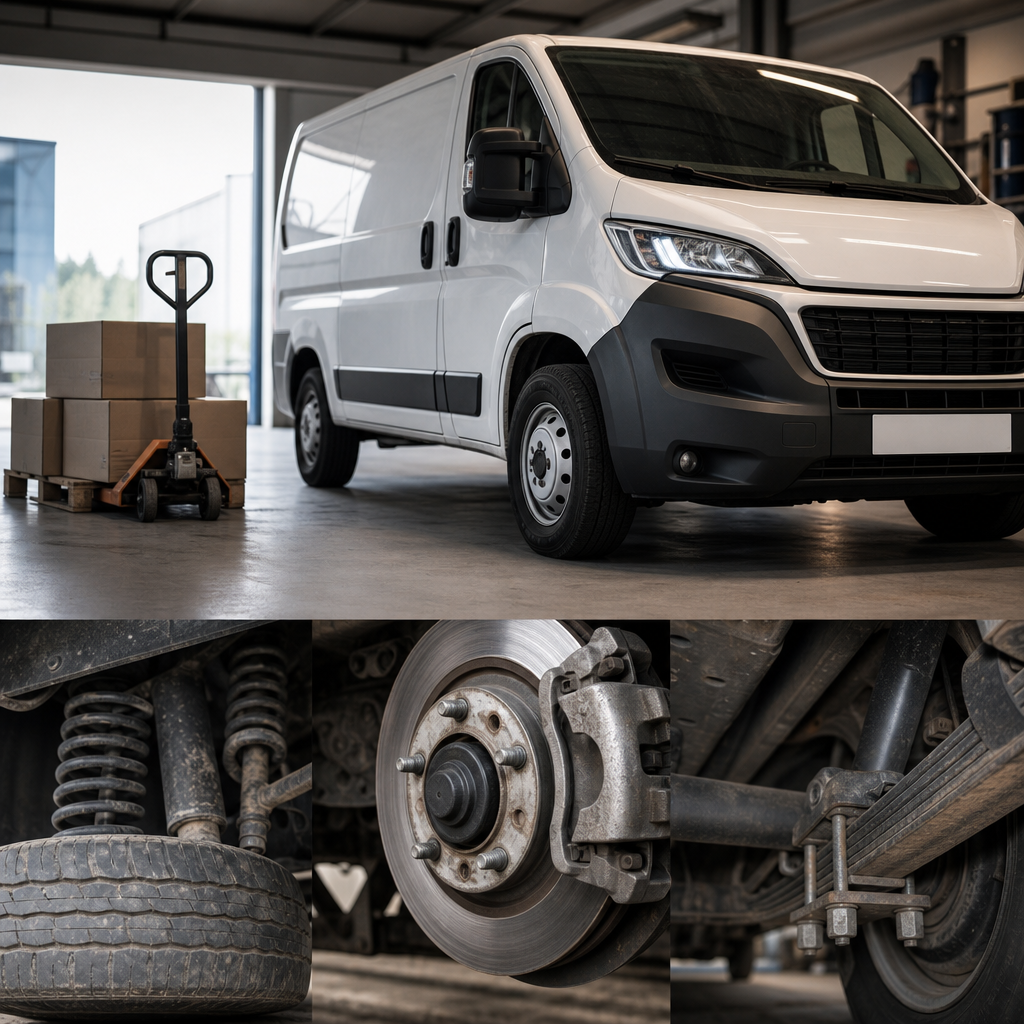
- Springs (Leaf or Coil): These are under constant compression. Over time, heavy loads can cause springs to sag, losing their original height and stiffness. Leaf springs, common in larger vans, can flatten or even crack under prolonged strain. This loss of 'springiness' means less clearance and an increased risk of 'bottoming out' – where the chassis hits the axle – particularly over speed bumps or potholes.
- Shock Absorbers (Dampers): These control the oscillation of the springs. With a heavier load, the dampers have to work harder to control body movement, especially over rough British roads. This increased effort generates more heat, which can degrade the internal fluid and seals, leading to reduced effectiveness and premature failure. A failing damper allows excessive bouncing, making the van less stable and harder to control.
- Bushes and Mounts: Rubber components throughout the suspension (e.g., control arm bushes, anti-roll bar bushes) are subjected to greater forces. This accelerates their perishing and cracking, leading to knocking noises, vague steering, and poor wheel alignment.
Braking System: Stopping a heavy vehicle requires significantly more effort than stopping an empty one.
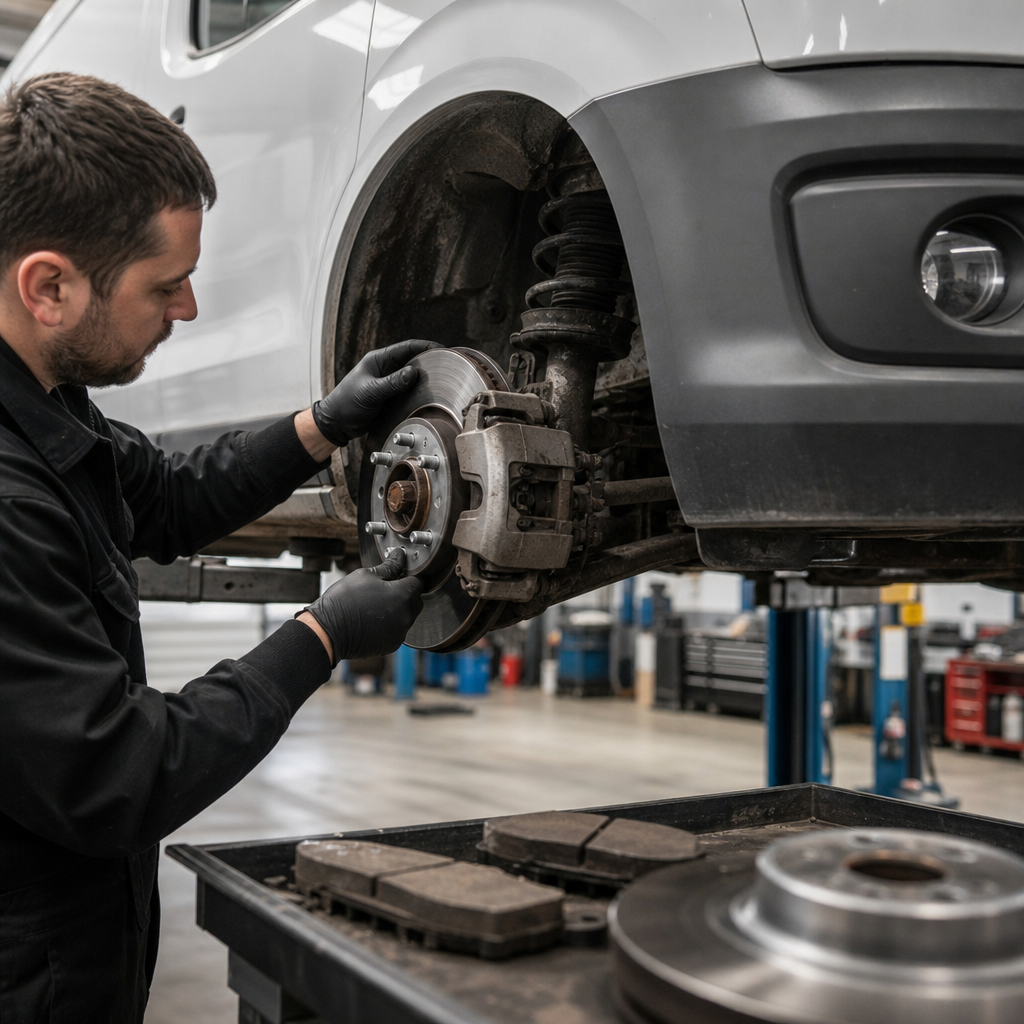
- Pads and Discs: A van with a full payload possesses much more kinetic energy. To bring it to a halt, the brake pads and discs must generate considerably more friction and dissipate a greater amount of heat. This accelerates wear on both components. Imagine a fully loaded builder's Transit needing to emergency brake on a busy roundabout – the sheer force and heat generated are immense compared to an empty run.
- Brake Fluid: The increased heat from the pads and discs can transfer to the brake fluid. If the fluid gets too hot, it can boil, creating air bubbles. Air in the brake lines is compressible, leading to a spongy pedal and significantly reduced braking efficiency – a dangerous phenomenon known as brake fade.
- Calipers and Hoses: The entire braking system, including the calipers that clamp the pads onto the discs, and the hoses that carry the hydraulic fluid, experiences higher pressures and greater thermal stress. This can lead to caliper seizing or hose degradation over time.
Spotting Trouble: Key Signs of Wear and Tear
Being observant can catch issues before they escalate into costly repairs or dangerous situations. Look out for these tell-tale signs:
Suspension System:
- Sagging or Uneven Stance: Does your van sit noticeably lower than it used to, particularly at the rear? Is one side lower than the other, even when empty? This often indicates tired or broken springs.
- Excessive Bouncing or Body Roll: After hitting a bump, does the van continue to bounce more than once or twice? Does it lean excessively in corners, or 'nose-dive' heavily under braking? These are classic symptoms of worn-out shock absorbers.
- Fluid Leaks: Inspect the shock absorber bodies for any oily residue – a clear sign of a leaking damper.
- Unusual Noises: Clunking, creaking, or groaning sounds coming from the wheel arches, especially over bumps, can point to worn bushes, damaged springs, or failing suspension mounts.
- Uneven Tyre Wear: While not exclusive to suspension, irregular tyre wear patterns (e.g., feathering, wear on one edge) can indicate misaligned wheels or worn suspension components.
Braking System:
- Reduced Braking Performance: Does your van take longer to stop, or do you have to press the pedal harder than before? This is a serious red flag.
- Squealing, Grinding, or Scraping Noises: Squealing often indicates worn brake pads reaching their wear indicators. Grinding usually means the pads are completely worn, and you're hearing metal-on-metal contact – this damages the discs rapidly.
- Vibrations: A pulsing or vibrating sensation through the brake pedal or steering wheel when braking suggests warped or heavily worn brake discs.
- Spongy or Hard Brake Pedal: A spongy pedal can mean air in the system or failing fluid. A very hard pedal might indicate an issue with the brake servo or a blockage.
- Van Pulling to One Side: If the van consistently pulls to the left or right during braking, it could be a seized caliper, unevenly worn pads, or a hydraulic issue on one side.
- Visible Disc Damage: Inspect the brake discs for deep grooves, scoring, cracks, or discolouration (blue spots indicate severe overheating).
Proactive Protection: Routine Maintenance for Heavy-Duty Use
Standard manufacturer service schedules are often designed for average use. For vans consistently carrying significant payloads, a more rigorous and frequent maintenance regime is crucial.
- Tailored Service Intervals: Speak to your mechanic about adjusting service intervals based on your van's actual usage. It might be prudent to have specific checks performed more frequently, even if a full service isn't due.
- Suspension Checks:
- Visual Inspections: Regularly inspect springs, especially leaf springs, for cracks, signs of fatigue, or significant sagging. Check shock absorbers for leaks and bent rods.
- Bush and Mount Inspection: During tyre rotations or other under-vehicle checks, have your mechanic visually inspect all rubber bushes and mounts for perishing, cracking, or excessive play.
- Wheel Alignment: Heavy loads and worn suspension can quickly knock your wheels out of alignment. Regular checks (e.g., every 6-12 months or if you notice uneven tyre wear) will protect your tyres and improve handling.
- Brake Checks:
- Frequent Pad and Disc Inspections: Don't wait for a service. When your wheels are off for rotation, or even during a quick visual check, inspect pad thickness and disc condition.
- Brake Fluid Flushes: Brake fluid is hygroscopic, meaning it absorbs moisture over time. This reduces its boiling point and can lead to internal corrosion. For heavy-duty vans, consider flushing and replacing your brake fluid every two years, or even more frequently depending on manufacturer recommendations and usage.
- Hose and Line Inspection: Have brake hoses and hard lines checked for cracks, bulging, chafing, or corrosion, which can lead to leaks or sudden failure.
- Calipers: Ensure calipers are functioning correctly – lubricate slide pins and check for even pad wear to prevent seizing.
Always use reputable garages and qualified technicians. They have the expertise and specialist tools to identify subtle issues and perform the necessary repairs correctly, using appropriate heavy-duty parts where available.
Load Smart, Live Longer: Proper Loading and Avoiding Overloading
Perhaps the most impactful factor within your control is how you load your van. Understanding and respecting its capabilities is non-negotiable for safety and component longevity.
- Understand Your Van's Capacity: Every van has a Maximum Authorised Mass (MAM) or Gross Vehicle Weight (GVW), which is the maximum permissible weight of the van plus its load. Crucially, it also has maximum axle loads. These figures are usually found on a plate inside the driver's door jamb, under the bonnet, or on the V5C logbook. Exceeding these limits is illegal, dangerous, and can invalidate your insurance.
- Even Weight Distribution: This is absolutely critical.
- Heaviest Items Low and Central: Place the heaviest goods on the van floor, ideally between the front and rear axles. This keeps the centre of gravity low, improving stability and reducing stress on specific suspension points.
- Secure Your Load: Unsecured items can shift during transit, creating dynamic overloading on one side or axle, and becoming dangerous projectiles in the event of an accident or sudden stop. Use load securing straps, internal racking, and bulkheads to prevent movement. Imagine a heavy pallet shifting to one side on a tight corner – this momentarily overloads that side's suspension and can severely compromise handling.
- Consequences of Overloading: Beyond the legal and insurance ramifications (fines, points, potential prosecution, invalid insurance), consistent overloading:
- Accelerates Wear: Every component, from springs and dampers to brakes, tyres, and even the drivetrain, wears out significantly faster.
- Compromises Safety: Overloaded vans have dramatically longer stopping distances, poor handling, increased risk of tyre blowouts, and are much more prone to rolling over.
- Increased Running Costs: More frequent repairs, higher fuel consumption, and faster tyre wear will quickly erode any perceived savings from carrying more than the van is designed for.
- Practical Tips:
- Weigh Your Load: If you frequently carry variable or heavy loads, consider using a local public weighbridge to get an accurate reading of your van's actual weight. Many recycling centres or truck stops offer this service.
- Factor in Permanent Fixtures: Don't forget the weight of internal racking, toolboxes, and even a full tank of fuel when calculating your available payload.
- Invest in Proper Storage: Purpose-built racking and storage solutions not only organise your tools but also help distribute weight more effectively.
Conclusion
Your used van is an investment, a vital tool that directly impacts your business's ability to operate efficiently and reliably. The constant demands of payload place immense stress on its suspension and braking systems. By understanding these pressures, diligently looking for signs of wear, committing to proactive and tailored maintenance, and always adhering to safe and legal loading practices, you can significantly extend your van's lifespan, reduce running costs, and most importantly, ensure the safety of yourself and other road users.
Treating your van's suspension and brakes with the respect they deserve isn't just good practice; it's smart business. For a wide selection of used vans, many with detailed service histories, visit CarsLink.ai – where your next reliable workhorse awaits.