No Driveway, No Problem? Your UK Guide to Charging a Used EV Without Off-Street Parking
The appeal of a used electric vehicle (EV) is undeniable. Lower running costs, a quieter drive, and a greener footprint make them an increasingly popular choice for UK motorists. However, a common misconception, particularly for those living in flats, terraced houses, or urban areas without dedicated off-street parking, is that EV ownership is simply out of reach. The image of plugging in overnight on a driveway is often seen as the only viable charging solution.
But times are changing – and rapidly. The UK's charging infrastructure is evolving at pace, offering a multitude of solutions that make EV ownership viable, practical, and even convenient, even without a private charging point. If you're considering a used EV from CarsLink.ai but are worried about where you'll plug in, this guide is for you. We’ll delve into how you can make a used EV work for your lifestyle, no matter your parking situation.
The Urban EV Challenge: Dispelling Driveway Dependence
For many, the dream of charging an EV at home is intrinsically linked to having a private driveway or garage. This ideal scenario allows for convenient, often cheaper, overnight charging, ensuring a full battery every morning. Without it, prospective EV owners often fret about range anxiety, the perceived high cost of public charging, and the sheer inconvenience of finding a reliable power source.
These concerns are valid but increasingly outdated. While home charging remains the most convenient and cost-effective method, it’s far from the only option. The UK's diverse housing landscape means a significant portion of the population doesn't have off-street parking, and the charging industry is actively addressing this. From rapid motorway chargers to discreet kerbside solutions, a robust ecosystem is emerging to support urban EV drivers. The key to success lies in understanding and leveraging the options available, shifting from a mindset of 'charging at home' to 'charging where you are'.
Mastering the Public Charging Network: Your On-the-Go Power Ups
The backbone of non-driveway EV ownership is undoubtedly the public charging network. It's a vast and growing infrastructure, but it pays to understand its nuances.
Types of Chargers:
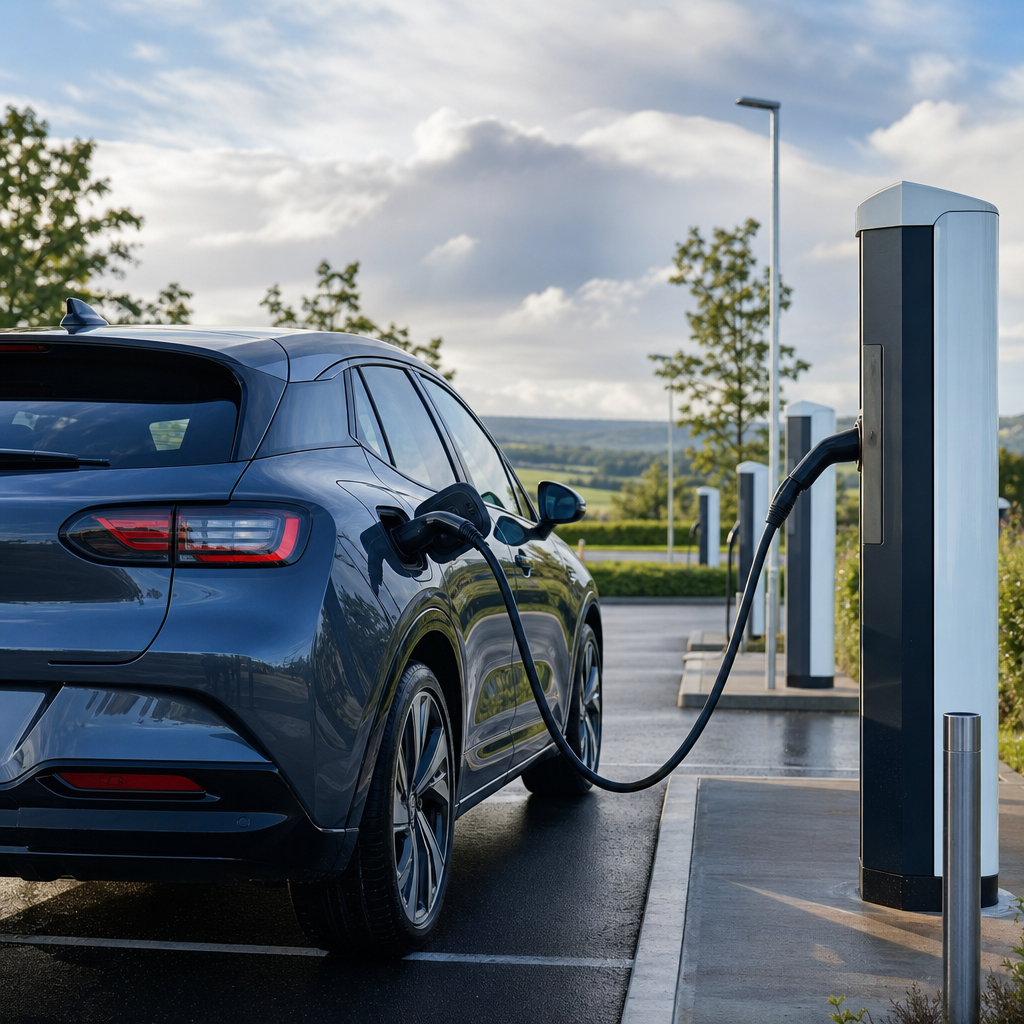
- Slow (AC – 3-7kW): Ideal for long stays, such as overnight or during a full workday. Often found at car parks, leisure centres, and increasingly, lampposts. A typical EV might gain 15-25 miles of range per hour.
- Fast (AC – 7-22kW): Common at supermarkets, public car parks, and some workplaces. Perfect for topping up while you shop or spend a few hours somewhere. Expect 25-75 miles of range per hour.
- Rapid (DC – 50kW+): The go-to for quick top-ups, particularly on longer journeys or when you need a significant boost in a short time. Found at motorway services and dedicated charging hubs. These can get most EVs from 20% to 80% in 20-40 minutes, depending on the car and charger speed.
- Ultra-Rapid (DC – 100kW+): The newest generation, offering incredible speeds of 150kW, 200kW, or even 350kW. These can add hundreds of miles of range in minutes, assuming your EV can accept such high power. Gridserve Electric Forecourts are prime examples.
Payment and Planning: Managing multiple networks can seem daunting initially. Key players include BP Pulse, Instavolt, Gridserve, Shell Recharge, Pod Point, and Osprey. Many require dedicated apps or RFID cards, though contactless payment is becoming more widespread, especially on newer rapid chargers.
Your essential tool will be Zap-Map. This fantastic app provides a live map of all public charge points, showing their type, availability, pricing, and user reviews – invaluable for planning your journeys and avoiding out-of-order chargers. Familiarise yourself with a few key networks that operate in your usual haunts and download their apps in advance.
Reliability and Cost: While reliability has been a sore point in the past, significant investment is improving the network. However, checking Zap-Map for live status is always recommended. In terms of cost, public charging is generally more expensive than home charging (which benefits from cheaper off-peak electricity tariffs). Rapid charging, in particular, can range from £0.50 to £0.80 per kWh, while slower AC charging might be £0.30-£0.50 per kWh. While more costly than home charging, it often remains significantly cheaper than petrol or diesel.
Beyond the Kerb: Workplace, Destination, and Community Charging
Your charging strategy shouldn't solely rely on dedicated public chargers. There are several other avenues to explore that can integrate seamlessly into your daily life.
Workplace Charging: If your employer offers EV charging, consider yourself lucky. This is often heavily subsidised, or even free, and can significantly reduce your running costs. It’s an ideal solution for urban commuters, allowing you to top up your battery while your car is parked for several hours. If your workplace doesn't currently offer it, it’s worth asking – many companies are exploring options, sometimes with government grants to help with installation.
Destination Chargers: Think of places you regularly visit.
- Supermarkets: Major chains like Tesco, Sainsbury's, Aldi, and Lidl frequently have Pod Point or other network chargers in their car parks. A weekly shop could easily net you 20-50 miles of range.
- Shopping Centres, Gyms, Cinemas: Many now provide charging points as an amenity.
- Hotels: If you travel for work or leisure, many hotels now offer EV charging, often integrated into their parking fees. This is a perfect way to ensure a full battery for your onward journey.
Community Charging Hubs: These are becoming increasingly popular in urban and suburban areas. Rather than scattered individual points, these are dedicated sites with multiple rapid and ultra-rapid chargers, often alongside amenities like coffee shops or toilets. Gridserve Electric Forecourts are prime examples, offering a comprehensive and reliable charging experience. These hubs are designed to be a convenient "fill-up" station, much like a traditional petrol station, but for EVs.
The Kerbside Revolution: Future-Proofing Urban EV Ownership
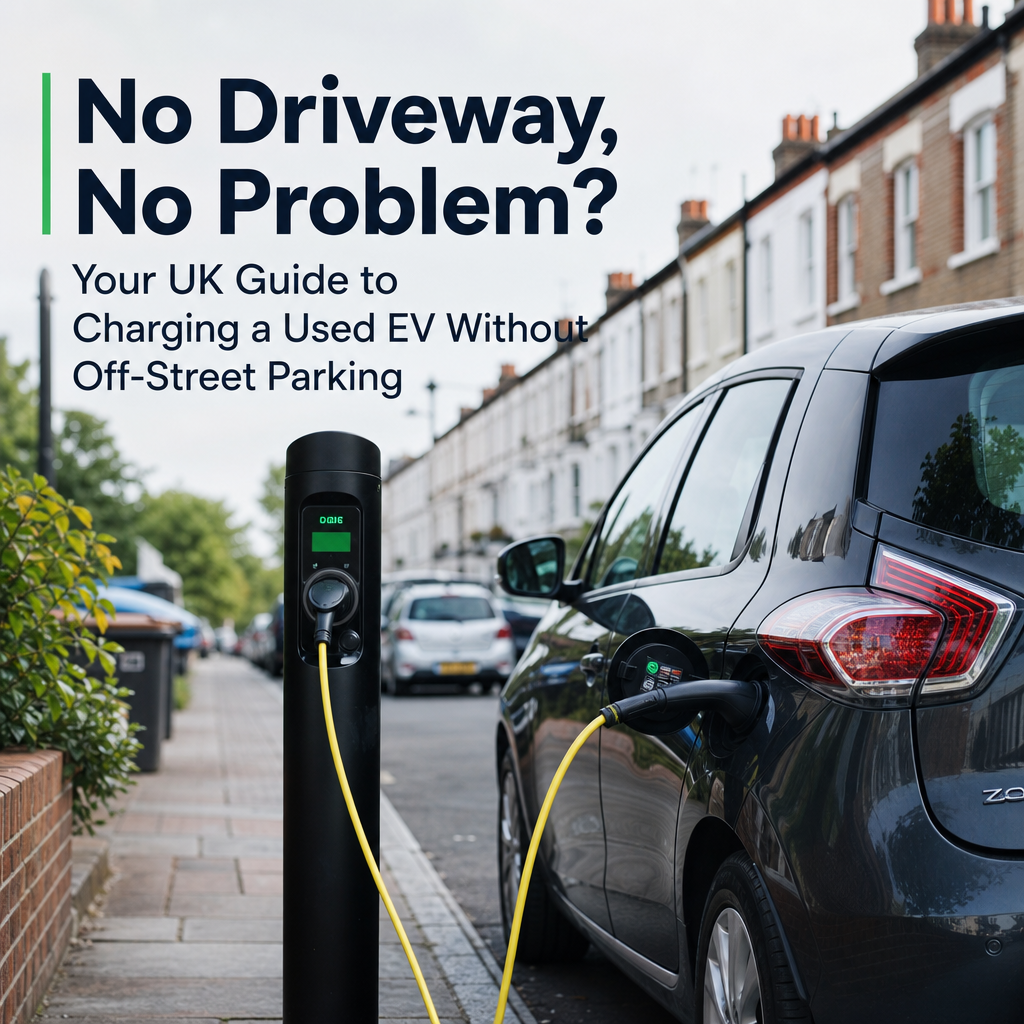
Perhaps the most exciting development for those without a driveway is the emergence of kerbside charging solutions, often driven by local council initiatives. These aim to bring charging closer to residents' homes, effectively creating "virtual driveways" on residential streets.
Emerging Solutions:
- Lamppost Chargers: Discreet and integrated into existing street furniture, these are a game-changer for terraced streets. Companies like Ubitricity and char.gy convert streetlights into charging points, offering 5-7kW AC charging. Perfect for overnight charging if you can park nearby regularly.
- Pop-up Bollards: Chargers that retract into the pavement when not in use, only emerging when needed. This preserves pavement aesthetics and accessibility.
- Gully Chargers: Less common, but innovative solutions that utilise existing street drainage systems to provide power.
Local Council Initiatives: Many local authorities are actively installing these kerbside solutions, often supported by grants from the Office for Zero Emission Vehicles (OZEV) On-Street Residential Chargepoint Scheme (ORCS). Resident demand plays a crucial role; if you're keen to see more chargers in your area, contact your local council. They often have dedicated EV strategies and portals where you can express interest or request installations.
While these kerbside solutions are generally slower, they provide a reliable, accessible option for daily top-ups, allowing you to charge your used EV while it's parked overnight, much like a traditional home charger, but on the street.
The Numbers Game: Cost-Benefit of Public Charging
One of the biggest concerns for non-driveway EV owners is the cost. While public charging is generally more expensive than dedicated home charging, it’s crucial to look at the bigger picture: the total cost of ownership compared to a petrol or diesel car.
Let's do some quick maths (figures are illustrative and vary):
- Petrol/Diesel Car: Covering 200 miles might cost you £30-£45+ in fuel, depending on your car's efficiency and current fuel prices.
- Used EV (Public Rapid Charging): A modern used EV (e.g., a Nissan Leaf or a Renault Zoe) typically consumes around 0.2-0.3 kWh per mile. For 200 miles, you'd need 40-60 kWh. At £0.70/kWh (a high estimate for rapid charging), this would cost £28-£42.
- Used EV (Public Slow/Fast Charging): If you can consistently use slower public chargers at £0.40/kWh, 200 miles would cost £16-£24.
Even at the higher end of public rapid charging, the cost can be comparable to, or even less than, petrol or diesel. When you factor in other EV benefits:
- Zero VED (Road Tax) for most used EVs registered before April 2017 or brand new until 2025.
- Exemptions from ULEZ, CAZ, and LEZ charges in cities across the UK, saving you £12.50 or more per day.
- Lower maintenance costs due to fewer moving parts.
- Potential for higher resale value as demand for EVs grows.
The long-term savings often outweigh the premium paid for public charging. It's about finding the right balance of charging speeds and costs that fit your driving habits and budget.
Conclusion
The notion that EV ownership is exclusive to those with a private driveway is firmly outdated in the modern UK. With a rapidly expanding and diversifying public charging network, alongside innovative kerbside solutions and opportunistic charging points at workplaces and destinations, owning a used electric vehicle without off-street parking is not just possible, but increasingly practical and convenient.
A little planning, savvy use of apps like Zap-Map, and an understanding of the available infrastructure can unlock the significant benefits of EV ownership for urban dwellers and those in flats or terraced homes. Don't let a lack of a driveway deter you from exploring the excellent range of used EVs available on CarsLink.ai. Your next car could easily be electric – and effortlessly charged.