Keeping Your Workhorse Running: Essential Maintenance for Your Used UK Van
For countless tradespeople, small businesses, and delivery drivers across the UK, a van isn't just a vehicle; it's the beating heart of their operation. It’s a mobile office, a storage unit, and the trusty workhorse that gets the job done, day in and day out. While buying a new van offers peace of mind with a fresh warranty, opting for a used van presents excellent value – provided you commit to its ongoing care.
A well-maintained used van can serve you reliably for years, saving you a small fortune in the long run. Neglect, however, can quickly turn your practical investment into a costly liability. This guide from CarsLink.ai will walk you through the essential maintenance practices for your used UK van, ensuring it remains reliable, efficient, and ready for whatever the British roads throw at it.
Understanding Commercial Service Intervals
Unlike a passenger car that might see light use, your commercial van is often subjected to heavier loads, longer hours, and more demanding driving conditions. Consequently, commercial vehicles typically have more stringent and frequent service schedules. It's crucial not to treat your Ford Transit Custom, Vauxhall Vivaro, or VW Caddy like a family hatchback.
Manufacturer guidelines, found in your van's handbook, are the ultimate authority. While some vans might recommend an oil change every 12,000 miles or annually, factors like payload weight, frequent stop-start urban driving, or extended motorway mileage will influence how often your specific vehicle truly needs attention. For instance, a delivery van constantly navigating congested city streets carrying heavy parcels will likely require servicing more frequently than a van used for occasional weekend trips to the tip.
Regular servicing isn't just about an oil change. It encompasses comprehensive checks of vital fluids, brakes, suspension, tyres, and critical safety systems. Sticking to these intervals, or even shortening them slightly if your van is under heavy load, will catch minor issues before they escalate into expensive breakdowns, extend component life, and maintain your van's efficiency.
Identifying Common Wear and Tear Points
Used vans often show their age and mileage in specific areas that bear the brunt of their working life. Knowing where to look for potential problems can help you anticipate repairs and prevent unforeseen expenses.
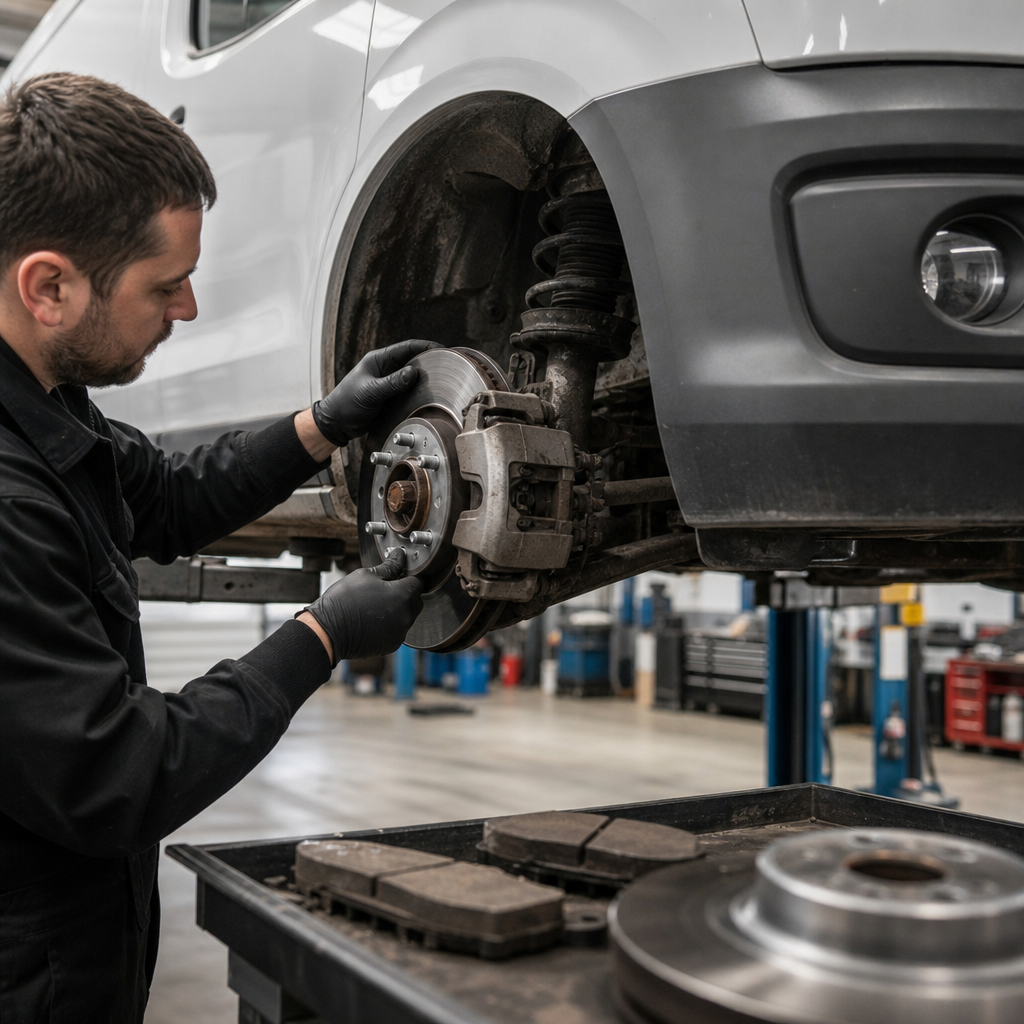
Brakes: Due to the sheer weight of a van, especially when fully loaded, and the constant stopping and starting common in commercial use, brakes wear out significantly faster than in a car. Pay attention to:
- Squealing or grinding noises: Often indicates worn-out brake pads.
- Reduced stopping power or a spongy pedal: Could point to air in the system, fluid leaks, or severely worn components.
- Vibrations through the pedal or steering wheel: A common sign of warped brake discs. Regularly checking pad thickness and disc condition is vital for safety and performance.
Suspension: Heavy loads and the UK's often challenging road surfaces place immense stress on a van's suspension system. Key components to monitor include:
- Springs and shock absorbers: Look for signs of corrosion, leaks from shocks, or sagging.
- Suspension bushes and ball joints: These can wear, leading to knocking noises, vague steering, or uneven tyre wear.
- Symptoms: Excessive bouncing after hitting a bump, an uncomfortable ride, strange noises when going over uneven ground, or your van pulling to one side. Addressing these promptly ensures proper handling, tyre longevity, and safety.
Exhaust Systems: Exhausts are vulnerable to both corrosion (thanks to our damp climate and road salt) and physical damage from speed bumps, kerbs, or uneven terrain.
- Symptoms: An unusually loud engine, rattling noises from underneath (often a loose hanger or heat shield), or the smell of exhaust fumes in the cabin.
- Checks: Visually inspect the exhaust pipe for excessive rust, cracks, or holes. A failing exhaust can lead to MOT failure and harmful emissions.
DIY Checks and Basic Maintenance Tips
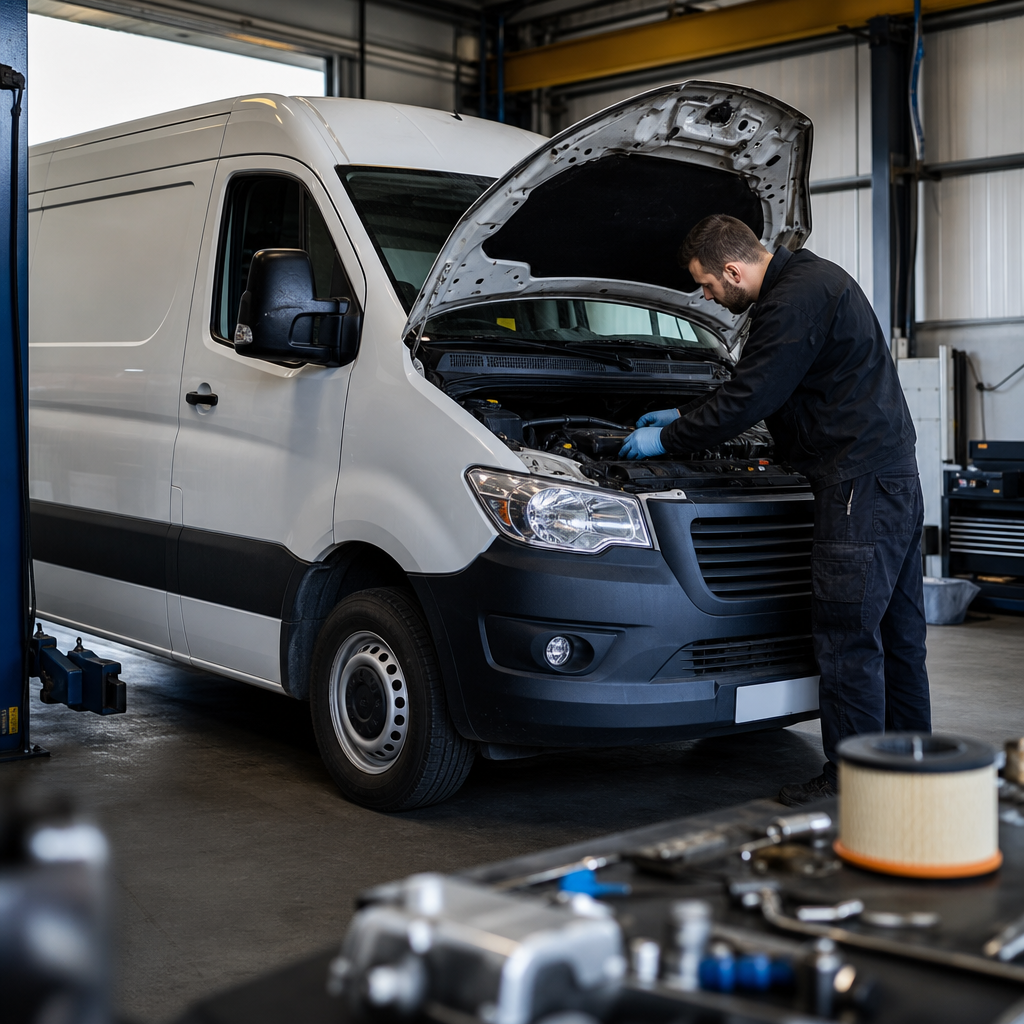
You don't need to be a qualified mechanic to perform some fundamental checks that can save you money and prevent breakdowns. Incorporating these into your routine can drastically improve your van's reliability.
Weekly/Fortnightly:
- Oil Level: Crucial for engine health. Check when the engine is cold, ensuring the oil is between the min/max markers on the dipstick. Top up with the correct grade of oil if needed.
- Coolant Level: Found in the expansion tank, this prevents your engine from overheating. Ensure it's between the markers. Look for any visible leaks.
- Tyre Pressure and Condition: Correct tyre pressure is vital for safety, handling, and fuel economy. Check against the manufacturer's recommended pressures (usually on a sticker inside the door jamb or fuel flap). Inspect tread depth (minimum 1.6mm across the central three-quarters of the tread) and look for cuts, bulges, or embedded objects.
- Lights and Indicators: A quick walk-around to ensure all headlights, tail lights, brake lights, and indicators are working correctly.
- Windscreen Washer Fluid: Essential for clear visibility, especially in poor weather.
Monthly/Pre-long Trip:
- Brake Fluid Level: Should be between the min/max markers in its reservoir. A drop could indicate worn pads or a leak.
- Power Steering Fluid (if applicable): Check the level in the reservoir.
- Battery Terminals: Look for corrosion and ensure connections are secure.
- Wiper Blades: Check for splits or hardening, which cause streaking and reduced visibility.
These simple checks are quick, require minimal tools, and can identify potential problems early, preventing them from turning into costly repairs or roadside emergencies.
The Critical Importance of Tracking Service History
When you purchase a used van, its service history is your window into its past life. For your own ownership, meticulously maintaining this history is paramount for both its longevity and future resale value.
For Longevity: A comprehensive service history allows you or your mechanic to:
- Understand past maintenance: Knowing when major components like cambelts, clutches, or brake fluid were last changed helps anticipate future needs.
- Identify recurring issues: If a specific fault has been fixed multiple times, it might indicate a deeper problem.
- Prove adherence to schedules: This ensures your van has received the necessary care at the right intervals, directly contributing to its lifespan and reliability.
For Resale Value: When it comes time to sell your van, a full and detailed service history is a powerful asset.
- Buyer confidence: It provides irrefutable proof that the vehicle has been well-maintained, instilling trust in potential buyers.
- Higher asking price: Vans with documented service histories command a significantly higher resale value compared to those without. It shows responsible ownership and less risk for the next owner.
Keep all invoices for parts and labour, service stamps in the logbook, and MOT certificates in a dedicated folder. Consider keeping a digital copy too. This paper trail is invaluable – don't underestimate its worth.
Practical Advice for Extending the Lifespan of Your Used Work Van
Beyond scheduled maintenance and DIY checks, your daily habits and prompt actions play a massive role in how long your van will reliably serve you.
1. Drive Smart and Smoothly:
- Respect Payload Limits: Overloading your van puts immense strain on its engine, brakes, suspension, and tyres. Always adhere to the manufacturer's maximum payload capacity.
- Smooth Driving: Gentle acceleration, gradual braking, and anticipating traffic reduces wear and tear on the engine, gearbox, brakes, and tyres. Avoid harsh cornering, especially when loaded.
- Warm-up/Cool-down: Allow the engine a minute to warm up gently before demanding full power, and if you’ve been on a long, hard drive, let it idle for a minute before shutting off to allow the turbo (if fitted) to cool down.
2. Regular Cleaning:
- Exterior: Regularly wash your van, paying particular attention to the underbody, wheel arches, and sills. This helps prevent rust, especially after driving on salted roads in winter.
- Interior: A clean cabin reduces wear on upholstery and plastics, and makes the working environment more pleasant. A well-cared-for interior also boosts resale value.
3. Address Issues Promptly: Don't ignore warning lights on your dashboard, strange noises, or changes in how your van feels to drive. A small, inexpensive problem today can quickly snowball into a major, costly repair if left unattended. Get it checked by a qualified mechanic as soon as possible.
4. Use Quality Parts: When replacing components, opt for original equipment manufacturer (OEM) parts or reputable aftermarket alternatives. Cheaper parts often mean inferior quality and a shorter lifespan, leading to more frequent replacements.
5. Find a Specialised Mechanic: While any garage can service a van, finding a mechanic or workshop with specific experience in commercial vehicles can be highly beneficial. They understand the unique stresses and common issues associated with work vans and can offer more targeted advice and efficient repairs.
Conclusion
Your used UK van is more than just a mode of transport; it's a critical asset to your business and livelihood. By embracing a proactive approach to its maintenance – understanding its specific service needs, knowing common wear points, performing regular DIY checks, meticulously tracking its history, and adopting smart driving habits – you can significantly extend its lifespan, maximise its reliability, and protect your investment. Treat your workhorse well, and it will repay you with years of dependable service on the bustling roads of Britain.