Hybrid vs. Plug-in Hybrid: Your UK Used Car Guide to Choosing Your Next Eco Ride
The shift towards greener motoring is in full swing across the UK, and for many drivers, a fully electric vehicle (EV) might still feel like a step too far, whether due to budget, charging anxiety, or range concerns. This is where hybrid vehicles come into their own, offering a compelling blend of petrol power and electric efficiency. But even within the hybrid category, there are choices to be made. Two primary contenders stand out in the used market: the traditional Hybrid Electric Vehicle (HEV) and the increasingly popular Plug-in Hybrid Electric Vehicle (PHEV).
As your trusted guide at CarsLink.ai, we're here to demystify the differences, weigh up the pros and cons, and help you pinpoint which eco-friendly used car is the perfect fit for your UK driving life.
HEV vs. PHEV: Understanding the Core Differences
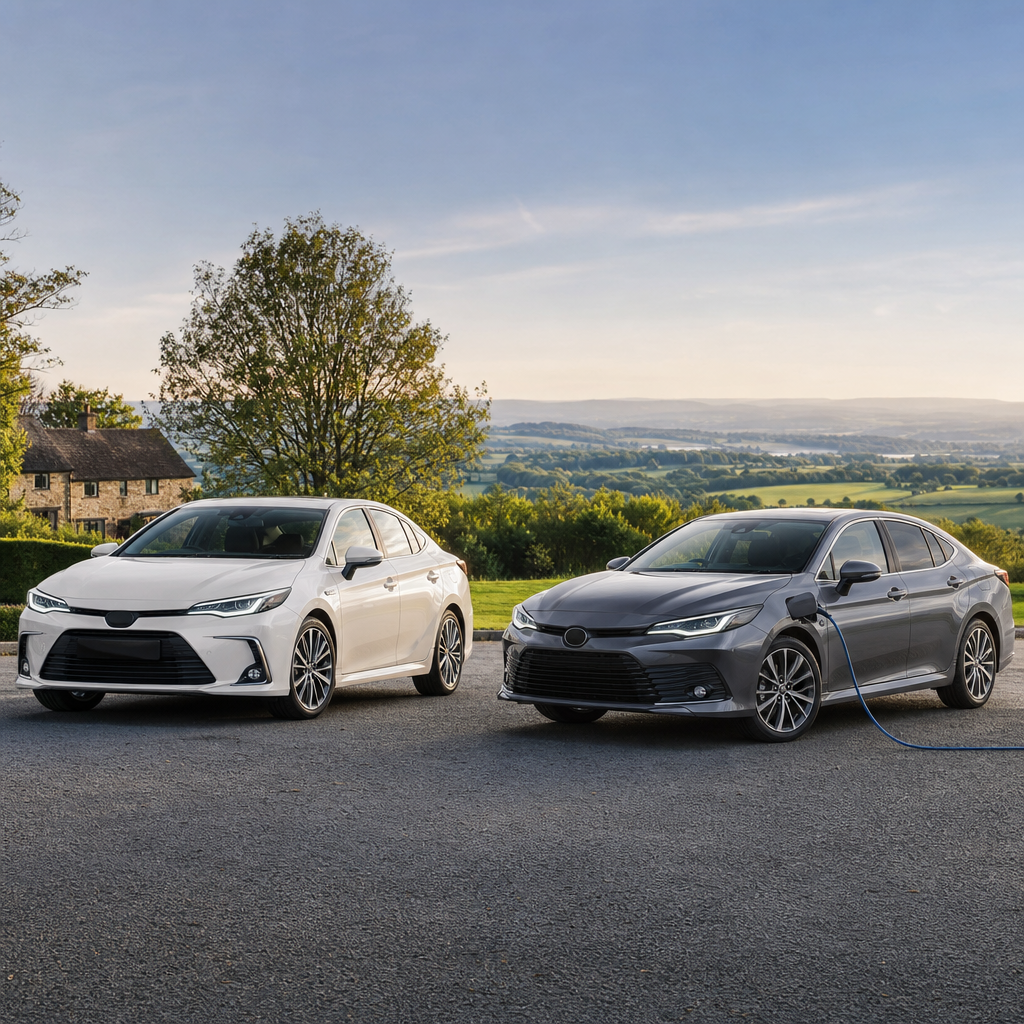
At first glance, both HEVs and PHEVs combine a conventional internal combustion engine (typically petrol) with an electric motor and battery. However, their operational philosophies and capabilities diverge significantly.
Hybrid Electric Vehicles (HEV): Often referred to simply as "hybrids" or "self-charging hybrids," HEVs feature a smaller electric motor and battery pack. This battery is charged in two main ways:
- Regenerative braking: Kinetic energy, usually lost during braking, is converted into electricity and stored.
- The petrol engine: The engine can act as a generator to top up the battery.
HEVs cannot be plugged in to charge. Their electric-only range is very limited, usually just a mile or two at low speeds, primarily designed to assist the petrol engine, smooth out acceleration, and allow for silent crawling in traffic. The goal is consistent fuel efficiency improvement over a conventional petrol car, particularly in urban stop-start driving. Think of models like the Toyota Prius or Honda Jazz Hybrid – pioneers in this space.
Plug-in Hybrid Electric Vehicles (PHEV): PHEVs take the hybrid concept further. They boast a significantly larger battery pack and a more powerful electric motor compared to an HEV. The crucial distinction, as the name suggests, is that PHEVs can be plugged in to an external power source to charge their battery.
This larger battery allows for a much more substantial electric-only driving range, typically between 20 and 50+ miles on a full charge. For shorter journeys, a PHEV can operate purely as an electric car, emitting zero tailpipe emissions and using no petrol. The petrol engine primarily kicks in for longer journeys, when the battery is depleted, or under heavy acceleration. The Mitsubishi Outlander PHEV, for instance, became a UK best-seller by offering SUV practicality with genuine electric capability.
Cost Considerations: Purchase, Running, and Tax
When choosing a used car, the financial implications are always paramount. Both HEVs and PHEVs can offer significant savings compared to their pure petrol or diesel counterparts, but the costs differ.
Purchase Price (Used Market): Generally, a used PHEV will command a higher initial purchase price than a comparable HEV. This is due to the larger, more expensive battery and the additional technology required for plug-in functionality. However, the PHEV market has been maturing rapidly, and older models, particularly those that were popular fleet cars, can offer excellent value as they depreciate. Always factor in potential battery degradation for older PHEVs, though most manufacturers offer substantial battery warranties (typically 8 years/100,000 miles).
Fuel Efficiency: This is where the waters become a little murky, especially for PHEVs.
- HEVs offer consistent fuel economy improvements. A Toyota Yaris Hybrid, for example, might easily achieve 55-65mpg in mixed driving, making it a reliable saver at the pumps without any behavioural change required from the driver.
- PHEVs have the potential for incredible fuel efficiency, often boasting official WLTP figures of 100-200mpg. However, these figures are heavily reliant on the driver's charging habits. If you regularly charge your PHEV and your daily commute falls within its electric range, you could be driving almost exclusively on electricity, meaning very low fuel bills. If, however, you rarely charge and primarily use the car for long journeys, a PHEV essentially becomes a heavier HEV (or even less efficient than a dedicated HEV) as it carries around a large, depleted battery, relying solely on its petrol engine.
Road Tax (VED): Both technologies generally benefit from lower CO2 emissions, which translates to lower Vehicle Excise Duty (road tax). Many older PHEVs, especially those registered before April 2017 with official CO2 emissions below 50g/km, often qualify for free VED. While newer HEVs and PHEVs typically fall into the standard £170 annual rate (after the first year's banded payment), this is still often cheaper than many conventional petrol or diesel cars. Always check the specific model's CO2 figures and registration date for an accurate VED cost.
Charging Costs (PHEV only): For PHEV owners, the cost of electricity must be considered. Charging at home, especially on an off-peak night tariff, is significantly cheaper per mile than buying petrol or diesel. For example, charging a PHEV with a 10kWh battery at 15p/kWh would cost £1.50 for a full charge, potentially delivering 30-40 miles of electric range. Public charging can be more expensive and variable but still offers a cost-effective alternative to petrol for shorter journeys.
Driving Habits and Lifestyle: The Best Fit
The choice between HEV and PHEV hinges heavily on your typical driving routine and lifestyle.
Short Urban Commutes (under 50 miles daily): A PHEV is ideal here. If your daily mileage is consistently within the car's electric range (e.g., a 25-mile commute and you have a 30-mile EV range), you could complete almost all your weekday driving on electric power alone, leading to huge fuel savings and zero tailpipe emissions. This requires consistent charging access, typically at home. An HEV would also perform well in urban environments, consistently improving fuel economy in stop-start traffic, but it won't offer the pure EV experience for the whole commute.
Longer Motorway Journeys (regularly >50 miles): An HEV shines in this scenario. Its consistent, unfussy fuel economy improvements over a conventional petrol engine are always there, regardless of battery state or charging stops. There's no range anxiety, and you simply refuel as normal. A PHEV on long motorway runs, once its electric range is depleted, essentially becomes a heavier petrol car. While it still might offer some hybrid assistance, its overall fuel efficiency will drop significantly from its official figures, potentially making it less efficient than a comparable HEV, as it's hauling around a large, unused battery.
Mixed Driving (urban and occasional long trips): This is where the PHEV can still be a strong contender, provided you commit to regular charging. If the majority of your daily driving is electric, and the petrol engine is reserved for those longer weekend trips or holidays, it offers the best of both worlds. For those who want efficiency without the hassle of plugging in, an HEV remains the simpler, 'set and forget' solution, providing a dependable boost to MPG across all journey types.
Practicalities: Charging, Range, and Space
Beyond the numbers, practical considerations play a significant role in daily ownership.
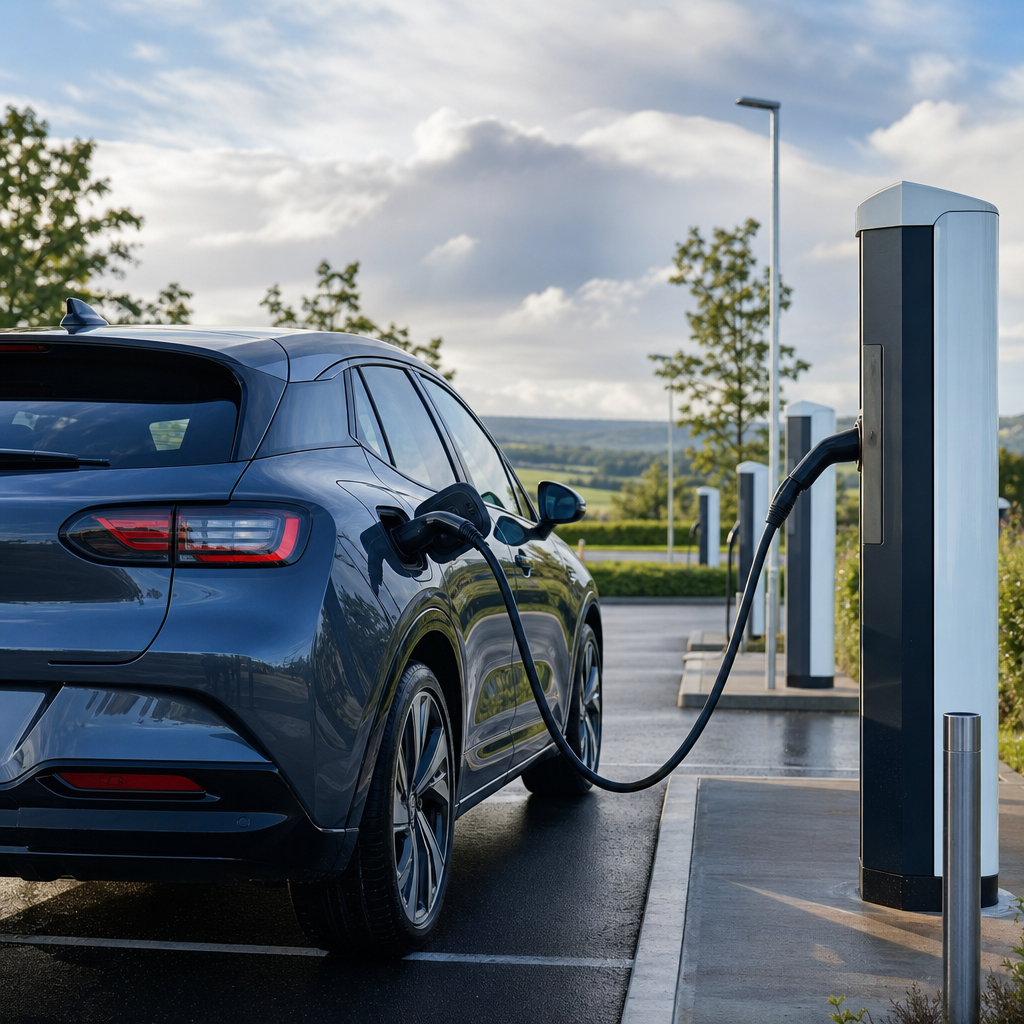
Charging Requirements (PHEV only): This is the biggest hurdle for some. To get the most out of a PHEV, access to regular charging is crucial. A dedicated home wallbox (7kW) is highly recommended, allowing a full charge in 2-4 hours, often overnight. You can use a standard 3-pin plug, but this is much slower (8-12 hours for a full charge) and less convenient for daily use. Relying solely on the public charging network can be more costly and less reliable. HEVs have no charging requirements – you simply fill up at the petrol station as usual.
Electric-Only Range (PHEV only): For PHEVs, the stated electric range is a critical feature. While official WLTP figures are a guide, real-world range can vary with driving style, weather, and terrain. When buying used, consider that older batteries might have experienced some degradation, slightly reducing their maximum range. Always check the claimed real-world range for specific models (e.g., a used Kia Niro PHEV might offer a real-world 30-35 miles).
Boot Space & Interior: The inclusion of a battery pack can sometimes impact practicality, particularly boot space. PHEVs, with their larger batteries, are more prone to this. The battery is often located under the boot floor, which can raise the floor level, reduce overall volume, or eliminate underfloor storage compartments. For example, some estate PHEV variants might have a slightly higher boot lip or less overall cargo capacity than their pure petrol siblings. It's always wise to check the boot dimensions of any specific HEV or PHEV model you're considering. Cabin space is rarely significantly affected.
Popular Used Models in the UK
The UK used car market offers a fantastic array of both HEVs and PHEVs. Here are some popular choices you'll find on CarsLink.ai:
Popular Used HEVs:
- Toyota Prius: The original hybrid, known for legendary reliability and outstanding fuel economy.
- Toyota Yaris Hybrid: Compact, incredibly efficient, and perfect for city driving.
- Toyota C-HR Hybrid: A stylish crossover offering a unique design and Toyota's proven hybrid system.
- Honda Jazz Hybrid: Incredibly practical with its 'Magic Seats' and efficient hybrid powertrain.
- Kia Niro Hybrid: A popular family crossover known for its generous warranty and good all-round efficiency.
Popular Used PHEVs:
- Mitsubishi Outlander PHEV: A game-changer, offering SUV practicality, 4WD, and a decent electric range. Hugely popular in the used market.
- Kia Niro PHEV: Builds on the HEV's success with a larger battery and useful EV range, still in a practical crossover body.
- Hyundai IONIQ Plug-in: A sleek, aerodynamically efficient car offering a solid electric range and a comfortable ride.
- BMW 330e / 530e: For those wanting premium performance and comfort alongside eco credentials, these models deliver a refined PHEV experience.
- Volkswagen Golf GTE: A 'hot hatch' with a green conscience, offering sporty performance and plug-in capability.
- Volvo XC60/XC90 Recharge: Premium SUVs providing powerful performance and impressive electric ranges for their size.
Conclusion
Whether you opt for a Hybrid Electric Vehicle or a Plug-in Hybrid, you're making a smart choice for both your wallet and the environment. Both technologies offer a stepping stone towards cleaner motoring without the full commitment of a pure EV.
The "best" option ultimately boils down to your individual driving habits and access to charging. If you want simple, consistent fuel savings without any changes to your routine, a self-charging HEV is a fantastic, reliable choice. If you have reliable access to charging and your daily mileage often falls within a PHEV's electric range, a plug-in hybrid offers the potential for incredibly low running costs and zero-emission commuting.
Take an honest look at your lifestyle, assess your typical journeys, and consider your charging options. Then, head over to CarsLink.ai to explore the vast selection of used HEVs and PHEVs, compare models, and arrange a test drive to find your perfect eco-friendly ride!