From Panel Van to Camper: The UK Buyer's Guide to Converting a Used Van
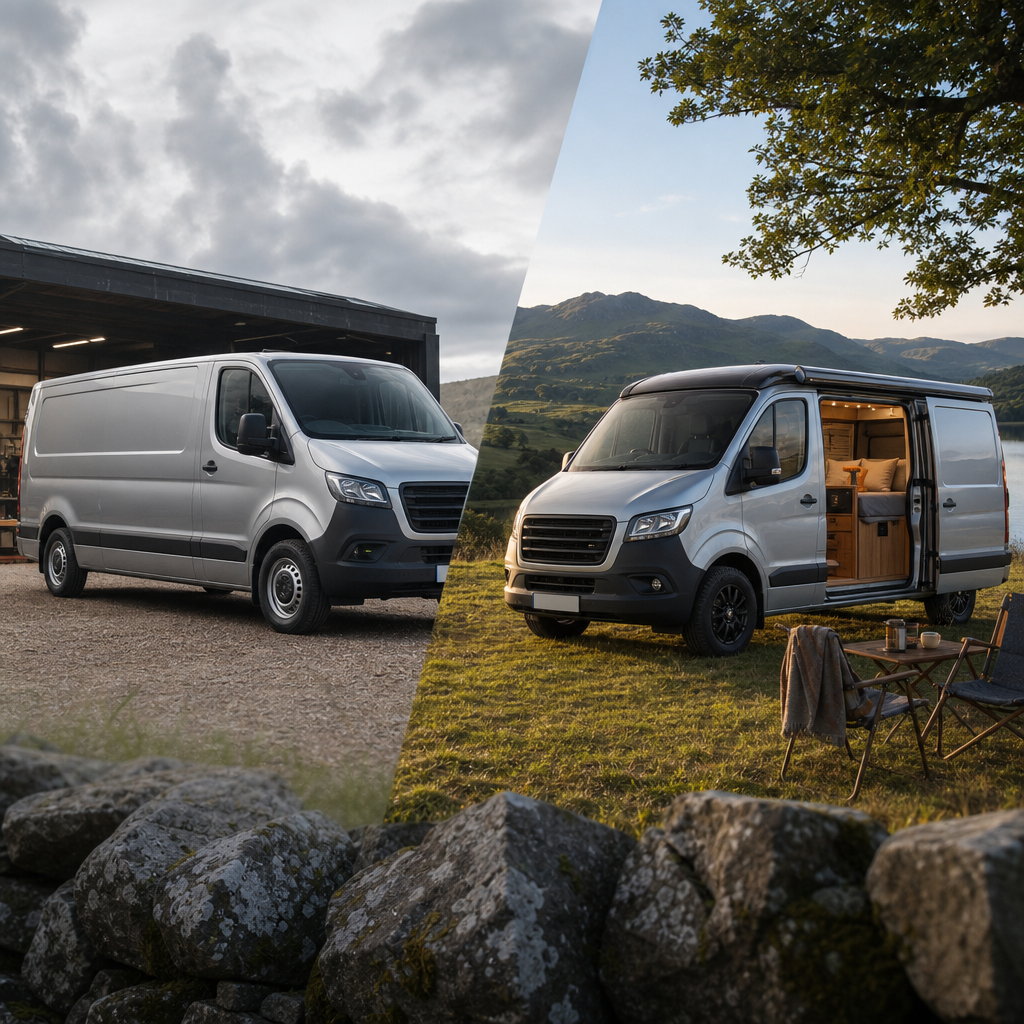
The open road, stunning British landscapes, and the freedom to wake up with a new view every day – the allure of campervan life is stronger than ever. While buying a factory-built camper can be a significant investment, converting a used panel van offers a more budget-friendly and customisable route to achieving your nomadic dreams. It's a journey that combines practicality, creativity, and a rewarding sense of accomplishment.
However, embarking on a van conversion in the UK isn't just about fitting a bed and a hob. There are crucial considerations, from selecting the right base vehicle to navigating legal requirements and ensuring proper insurance cover. At CarsLink.ai, we understand the importance of making informed decisions, so let's delve into what UK buyers need to know to successfully transform a humble panel van into their dream home on wheels.
Choosing Your Canvas: Selecting the Right Base Van
The foundation of any great campervan is, naturally, the van itself. Your choice of base vehicle will dictate much about your conversion, from available space to ongoing running costs.
Size Matters:
- Compact Vans (e.g., Ford Transit Connect, VW Caddy Maxi): Ideal for solo travellers or couples who prioritise ease of driving and parking. They fit into regular parking bays and are more fuel-efficient, but living space is very limited, often requiring clever multi-purpose furniture.
- Medium Vans (e.g., Ford Transit Custom, VW Transporter T5/T6): The sweet spot for many. They offer enough room for a fixed bed, kitchen unit, and a small seating area, often with enough headroom for standing (especially in high-top versions). They remain relatively manageable on country roads and in towns.
- Large Vans (e.g., Mercedes Sprinter, VW Crafter, Fiat Ducato, Peugeot Boxer, Citroën Relay): The choice for those wanting maximum living space, a full-sized fixed bed, internal shower/toilet, and potentially space for bikes or other gear. They drive more like small lorries and can be challenging in narrow lanes or car parks.
Condition is Key: When buying any used vehicle, thorough inspection is paramount. For a conversion, it’s even more critical:
- Rust: Check wheel arches, sills, chassis rails, and around any existing windows or doors. Surface rust is manageable, but structural rust is a major red flag and costly to repair.
- Mileage and Service History: Lower mileage isn't always better if it's been stop-start city driving. A comprehensive service history is vital, indicating regular maintenance.
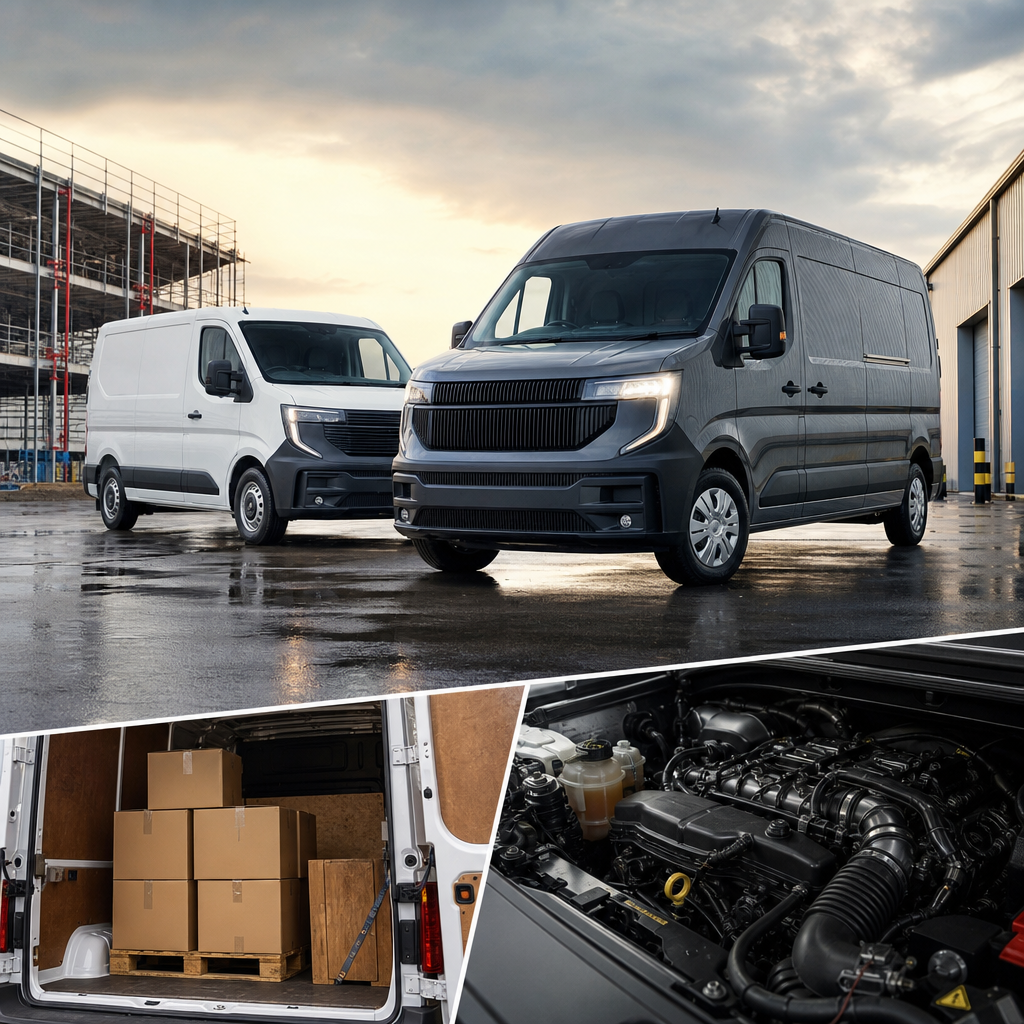
- Engine and Gearbox: Look for smoke, strange noises, or difficulty shifting gears during a test drive. These are expensive components to rectify.
- Previous Use: A delivery van might have many stop-starts, while a tradesman's van might have carried heavy loads, stressing the suspension. Ex-minibus or welfare vans can be excellent bases, sometimes coming with existing windows, insulation, or even heating systems.
Popular Conversion-Friendly Models:
- Ford Transit Custom: A UK favourite due to its car-like driving experience, plentiful parts, and various wheelbase/roof height options. Its popularity means a strong aftermarket for conversion kits.
- VW Transporter T5/T6: Offers a premium feel, excellent resale value, and a huge community of converters. Often slightly pricier but renowned for reliability.
- Fiat Ducato/Peugeot Boxer/Citroën Relay (X250/X290 generation): These vans share a common platform and are incredibly popular for professional conversions due to their wide, boxy rear, which makes fitting a transverse bed much easier.
- Mercedes Sprinter/VW Crafter: The go-to for larger, off-grid builds. Known for robust engineering, but their higher cost and larger size can be a barrier for some.
Always conduct a vehicle history check (HPI check) and, if possible, have a professional mechanic inspect the van before purchase.
Navigating the Red Tape: DVLA Registration and Legalities
One of the most misunderstood aspects of converting a van is the legal requirement to re-register it with the DVLA as a "motor caravan." This isn't just a formality; it can have implications for insurance, ferry crossings, and even parking.
Why Reclassify? Beyond legal compliance, reclassification often leads to cheaper insurance premiums, different speed limits (as it's no longer classed as a goods vehicle), and sometimes lower ferry costs.
DVLA Motor Caravan Requirements: For your van to be officially recognised as a motor caravan, it must "substantially meet the definition of a motor caravan." The DVLA's criteria focus on permanence and the presence of specific features:
- Sleeping Area: A bed, which may be converted from the seating.
- Seating Area and Table: Permanently fixed (the table can be removable but must have a designated storage location).
- Cooking Facilities: At least a permanently fixed cooker or microwave (portable gas stoves are generally not sufficient, but a permanently mounted hob with a gas locker often is).
- Storage Facilities: Permanently fixed cupboards or lockers.
- Water Container/Sink: A permanently fitted water storage tank or container with a tap and sink.
- At least One Window: Fitted to the living accommodation (not just the cab).
- Overall Appearance: The exterior must also give the appearance of a motor caravan (e.g., with graphics, external windows, or a high-top roof), not just a plain panel van.
The Application Process: Once your conversion is complete and meets all the above criteria, you’ll need to send your V5C registration document to the DVLA, along with photographs of both the exterior and interior (including all the required features). It's advisable to take photos during the build process too. Ensure your photos clearly show the permanent nature of each fixture. The DVLA assesses applications on a case-by-case basis, so ensure every requirement is met before submitting.
Show Me the Money: Budgeting Your Campervan Conversion
Budgeting is crucial. Conversion costs can spiral quickly, so a clear plan and realistic expectations are vital. Costs can be broadly divided into the base van and the conversion itself.
Base Van Cost: As discussed, this varies wildly. An older, higher-mileage large panel van might start from £5,000, while a newer, low-mileage VW Transporter could easily exceed £25,000.
Essential Conversion Costs (Estimates):
- Insulation and Vapour Barrier: £200 - £600 (Celotex, rigid foam boards, sheep's wool, multi-foil insulation).
- Panel Lining/Cladding: £200 - £700 (plywood, carpet lining, tongue-and-groove cladding).
- Flooring: £100 - £400 (vinyl, laminate, rubber matting).
- Electrics: £500 - £2,500+ (leisure battery, split charger, solar panels, hook-up, lighting, sockets, wiring). This can be a significant cost if opting for advanced systems.
- Ventilation: £150 - £450 (roof fan, side vents). Essential for preventing condensation and maintaining airflow.
- Kitchen/Cooking: £200 - £1,200 (fixed hob/sink unit, gas locker, water tanks, pump, tap).
- Sleeping/Seating: £300 - £2,000+ (custom bed frame, rock-and-roll bed, upholstery).
- Windows: £100 - £500+ per window (basic bonded windows, opening windows).
- Miscellaneous: Screws, adhesives, tools, seals, smaller hardware.
DIY vs. Professional Options:
- Full DIY: Offers the most significant savings on labour, typically making the conversion itself cost between £2,000 and £10,000, depending on the spec and how resourceful you are. It demands significant time, patience, and a willingness to learn new skills.
- Hybrid Approach: You might tackle the insulation and lining yourself but outsource critical elements like gas and electrical installations to certified professionals for safety and peace of mind. This is often a smart compromise.
- Professional Conversion: A professional conversion will start from around £10,000 for a basic fit-out and can easily exceed £30,000-£50,000 for a bespoke, high-end build. While more expensive, it guarantees quality, safety, and a much quicker turnaround.
Remember to factor in the cost of tools if you don't already own them, and an emergency fund for unexpected issues.
Protecting Your Investment: Insurance for Converted Vans
Insuring a converted panel van can be complex if not approached correctly. A standard commercial van policy will not cover your new campervan use or the value of your conversion.
The Importance of Specialist Cover: You need a "motor caravan" or "self-build campervan" insurance policy. These are designed to cover the vehicle for recreational use, and crucially, to cover the value of the conversion itself against damage or theft.
What Insurers Need to Know:
- DVLA Reclassification: Most specialist insurers will require your V5C logbook to show "Motor Caravan" or "Campervan" as the body type. This is why DVLA re-registration is so important.
- Value of Conversion: You'll need to provide an accurate estimate of the cost of your conversion, including materials and any professional labour. Keep all receipts and take photos throughout the build as evidence.
- Build Standard: Be prepared to detail the features of your conversion (bed, kitchen, electrics, etc.). If you've had gas or electrics professionally installed, having certificates of compliance (e.g., an NCC certificate for gas) can be beneficial and may even be a requirement for some policies.
- Security Measures: Insurers will ask about vehicle security (alarms, immobilisers, tracking devices) and the security of your campervan's contents.
Finding the Right Policy: Don't rely on comparison websites alone; many specialist insurers aren't listed there. Seek out brokers and companies that specialise in campervan insurance, such as Adrian Flux, Comfort Insurance, AIB Insurance, or Caravan Guard. Be upfront and honest about your DIY efforts, and ensure you understand exactly what your policy covers.
Your Adventure Awaits
Converting a used panel van into a camper is an incredibly rewarding undertaking. It offers the chance to craft a vehicle perfectly suited to your needs and budget, giving you unparalleled freedom to explore the UK and beyond. By carefully choosing your base van, adhering to DVLA regulations, meticulously budgeting, and securing the right insurance, you can navigate the journey from panel van to perfect camper with confidence.
Ready to find your base vehicle? Start your search for the ideal panel van on CarsLink.ai today, and begin building your ultimate adventure machine!