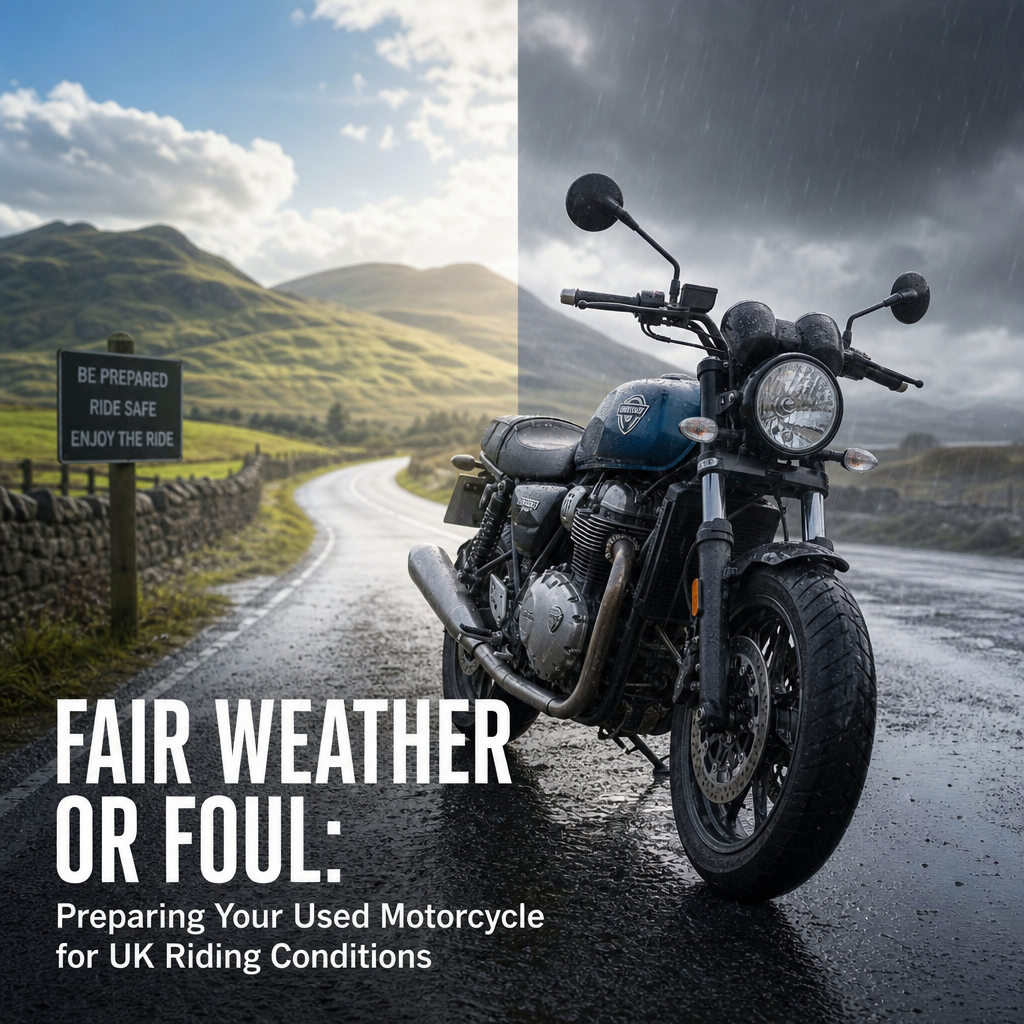
Fair Weather or Foul: Preparing Your Used Motorcycle for UK Riding Conditions
There’s an undeniable thrill to riding a motorcycle across the diverse landscapes of the UK. From winding country lanes to bustling city streets and dramatic coastal roads, the freedom is intoxicating. However, the British climate, with its infamous unpredictability, demands a proactive approach from every rider. One moment you're basking in glorious sunshine, the next you're navigating a sudden downpour or tackling the chill of an autumnal evening.
For owners of used motorcycles, ensuring your bike is ready for anything the UK weather can throw at it isn't just about comfort; it's fundamentally about safety, reliability, and extending the lifespan of your cherished machine. This guide from CarsLink.ai will take you through the essential checks, choices, and preparations to make your used motorcycle a true year-round companion, regardless of whether you're facing fair weather or foul.
Key Maintenance Checks for Year-Round UK Weather
A used motorcycle might have unknown history, making a thorough, ongoing maintenance regime even more critical. Think of it as a rolling service that adapts to the varied demands of our climate.
Firstly, fluids are paramount. Engine oil needs to be the correct grade, capable of performing effectively in both freezing winter mornings and warmer summer days. Check its level frequently, and consider an oil and filter change if its history is uncertain. Coolant levels and its antifreeze properties are vital for protecting your engine from corrosion and extreme temperatures. Brake fluid, being hygroscopic, absorbs moisture over time, reducing its effectiveness – it should be flushed and replaced every two years, especially crucial for reliable stopping power in wet conditions.
Brakes themselves require diligent inspection. Check brake pad wear indicators; replace them before they're metal-on-metal. Inspect discs for warping or excessive scoring, and brake lines for cracks or leaks. A spongy lever or pedal indicates air or contaminated fluid, both dangerous.
Lights and electrics are your primary means of seeing and being seen. Ensure your headlight, tail light, indicators, and brake light are all fully functional. A used motorcycle’s battery might be nearing the end of its life; a trickle charger is a wise investment, particularly during colder months or periods of infrequent use. Check wiring for any signs of chafing or corrosion, which can be exacerbated by damp conditions.
Finally, don't forget the drive system and suspension. If chain-driven, proper tension and regular lubrication are non-negotiable, especially after wet rides. Shaft drives require periodic fluid checks. For suspension, inspect fork seals for leaks and check the rear shock for damping issues or oil seepage. A well-maintained suspension system is crucial for stable handling on patchy, wet British roads. Always give a used bike a general fastener check; vibrations can loosen bolts over time.
Tyre Choices and Pressures for Varied Road Conditions
Your tyres are the only part of your motorcycle touching the road, making them unequivocally the most critical safety component, especially in the UK’s varied conditions. Choosing the right tyres and maintaining correct pressures can transform your riding experience.
For the typical UK rider, sport-touring tyres are often the optimal choice. While pure sport tyres offer incredible dry grip, they can struggle to reach optimal temperature in cold, damp British conditions, significantly reducing their effectiveness. Sport-touring tyres, such as the Michelin Pilot Road series, Pirelli Angel GT, or Dunlop RoadSmart, are engineered for a broader operating temperature range, offering excellent wet-weather grip, good mileage, and competent dry performance. If your used motorcycle is an adventure bike, dual-purpose tyres will offer a compromise between on-road stability and off-road traction, but be mindful of their limitations on greasy tarmac.
Tyre pressures are absolutely critical. Incorrect pressures compromise handling, accelerate wear, and significantly reduce grip – a dangerous combination in the wet. Always adhere to the manufacturer's recommended pressures, typically found on the swingarm or in the owner's manual. Check pressures at least weekly, and certainly before any long journeys. Remember to adjust pressures if you’re carrying a pillion or heavy luggage. A common misconception is to lower tyre pressure for more grip in the wet; this is dangerous as it can cause the tyre to overheat, become unstable, and actually reduce the optimal contact patch. Stick to the recommended pressures for safety and performance.
Rust Prevention and Winter Storage Tips
The UK’s damp climate and the inevitable use of road salt in winter are a constant threat to your motorcycle’s metallic components. Rust prevention is an ongoing battle, but one that can be won with diligence.
Regular cleaning is your first line of defence. After any wet or salty ride, give your bike a good wash. Pay particular attention to areas where dirt and salt accumulate: wheel hubs, suspension linkages, swingarm pivots, and the underside of the engine. Use specific motorcycle cleaning products, avoiding harsh detergents that can strip away protective waxes.
Once clean, protective treatments are essential. Products like ACF-50 or XCP Rust Blocker are game-changers for UK riders. These anti-corrosion lubricants penetrate into tight spaces, displacing moisture and leaving a protective film that resists rust. Apply them liberally to metal surfaces, electrical connectors, and even engine casings after cleaning, especially before the winter months. Re-apply regularly, particularly if riding through rain or on salted roads. Waxing painted surfaces provides an extra layer of protection against water and UV damage.
If you plan to store your motorcycle over winter, take extra steps:
- Thorough Clean & Protect: Give it the most comprehensive clean and ACF-50 treatment possible.
- Fuel Tank: Fill the fuel tank completely to prevent condensation and rust, adding a fuel stabiliser if it's going to be stored for more than a couple of months.
- Battery: Remove the battery and connect it to a trickle charger, or leave it on the bike with a smart charger connected to maintain its charge.
- Tyres: Inflate tyres to the maximum recommended pressure, or ideally, get the bike onto paddock stands to keep the tyres off the ground, preventing flat spots.
- Cover: Use a breathable cover to protect against dust and condensation. Avoid non-breathable plastic sheets which can trap moisture.
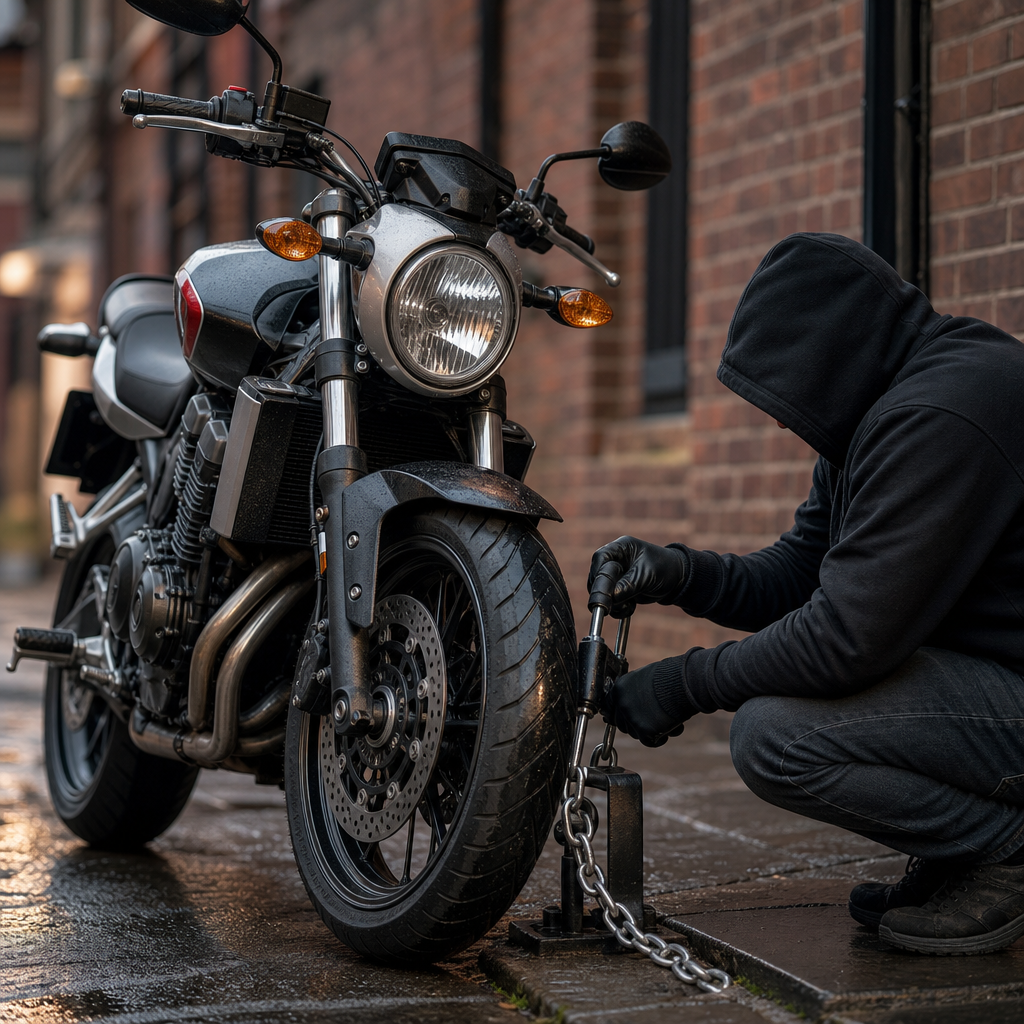
- Location: Store in a dry, secure, and well-ventilated location.
Even if you ride through winter, frequent washing and re-application of protective products are non-negotiable.
Accessory Essentials for Safety and Comfort in British Climate
Beyond the bike itself, a few key accessories and pieces of gear can significantly enhance your safety and comfort when riding in the UK’s varied conditions.
Riding gear is your personal armour against the elements. Good quality, waterproof textiles or leathers are paramount. Look for jackets and trousers with good waterproofing (Gore-Tex or similar membranes) and thermal liners that can be removed for warmer days. Waterproof gloves and boots are equally important; wet hands and feet are miserable and distracting. For safety, hi-visibility elements on your clothing or a dedicated hi-vis vest are crucial, especially in poor light, rain, or fog, making you more noticeable to other road users.
For your motorcycle, consider these practical additions:
- Heated Grips: A true revelation for year-round riding. They make cold-weather riding infinitely more comfortable and safer by preventing numb fingers.
- Handguards: These offer excellent protection against wind, rain, and road spray, as well as minor impacts.
- Screen/Fairing: If your used bike doesn't have one, a decent windscreen or fairing can significantly reduce wind buffeting and offer more protection from rain and cold on longer journeys.
- Fender Extenders/Huggers: Fitted to the front and rear, these reduce the amount of spray and muck thrown up onto your bike and rider, keeping you and the machine cleaner.
- Auxiliary Lighting: Additional LED lights can significantly improve your visibility to other road users, especially when navigating unlit roads or during adverse weather.
- USB Charger/12V Socket: Invaluable for powering navigation devices, charging your phone, or running heated clothing.
Conclusion
Riding a used motorcycle in the UK is an incredibly rewarding experience, but one that demands respect for our diverse and often challenging climate. By investing time in these comprehensive maintenance checks, making informed tyre choices, diligently preventing rust, and equipping yourself with the right accessories, you're not just preparing your bike for fair weather or foul; you're ensuring a safer, more enjoyable, and ultimately more reliable riding experience throughout the year.
A well-prepared motorcycle is a happy motorcycle, and a happy motorcycle makes for a happy rider. So, gear up, get smart about maintenance, and get ready to conquer whatever the British roads and skies throw at you. If you’re looking for your next adventure, remember to check out the wide range of used motorcycles available on CarsLink.ai!