Dodging the Dreaded DPF: Essential Checks for Used Diesel Cars in the UK
The allure of a used diesel car remains strong for many UK motorists: impressive fuel economy, bags of torque for effortless cruising, and often a lower purchase price than comparable petrol models. However, for every savvy buyer eyeing a diesel bargain, there's a nagging whisper about the Diesel Particulate Filter (DPF). This essential component, while brilliant at keeping our air cleaner, has become a notorious source of headaches and hefty repair bills for uninformed owners.
At CarsLink.ai, we believe in empowering you with the knowledge to make smart used car choices. This guide will help you understand the DPF, recognise the warning signs of trouble, and equip you with the checks and maintenance tips to ensure your used diesel doesn't turn into a DPF-induced money pit.
Understanding the DPF: Why It’s a UK Used Diesel Buyer’s Headache
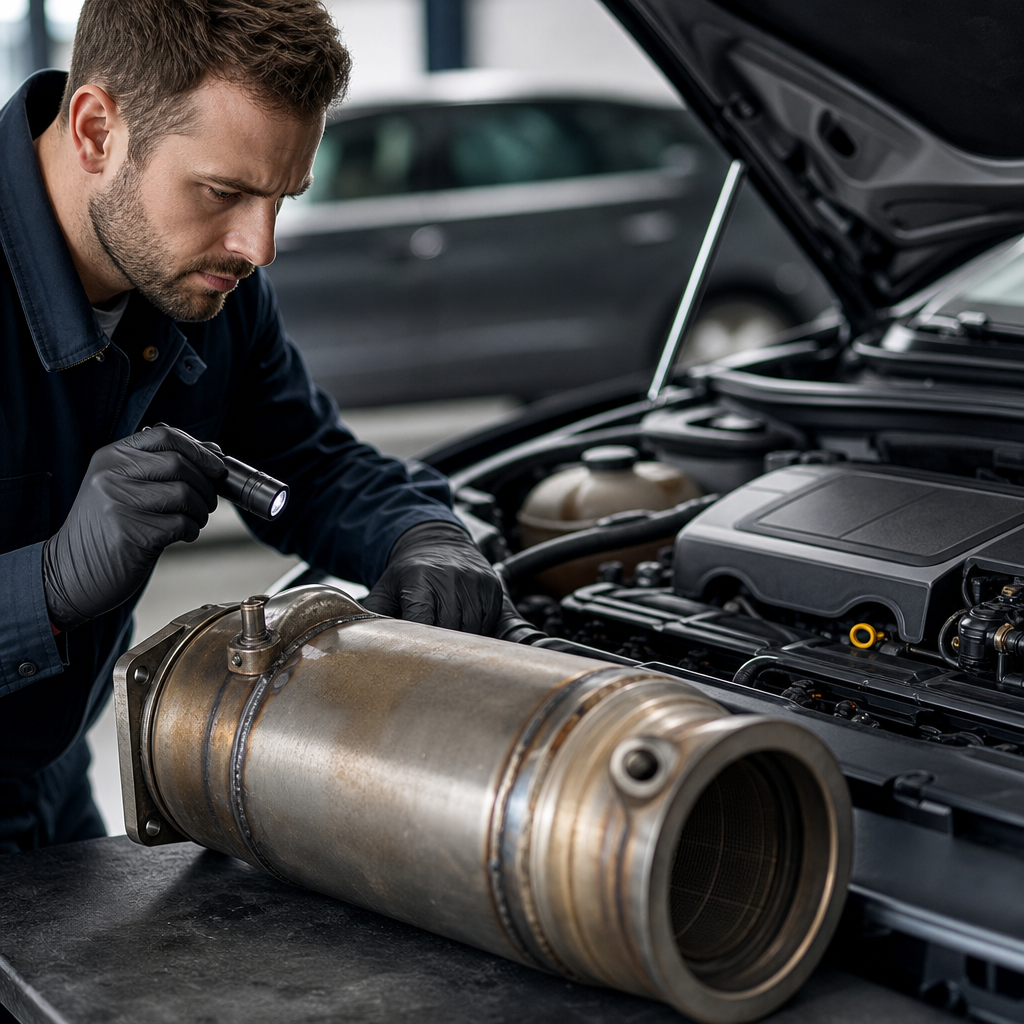
First, let's demystify the DPF. Essentially, it's a ceramic filter, usually located in the exhaust system, designed to capture harmful soot and particulate matter produced during diesel combustion. This prevents these microscopic pollutants from being released into the atmosphere.
For the DPF to remain effective, it needs to "regenerate" – a process where the trapped soot is burned off at high temperatures, turning it into harmless ash. This happens in two ways:
- Passive Regeneration: Occurs naturally during sustained high-speed driving (e.g., on a motorway) when exhaust temperatures are consistently high enough to burn off soot.
- Active Regeneration: If passive regeneration isn't occurring, the car's Engine Control Unit (ECU) actively initiates a process by injecting extra fuel, raising exhaust temperatures, and burning off the soot. This typically requires a sustained drive at speed (e.g., 20-30 minutes at 40-60 mph).
Here's why DPFs become such a problem, particularly with UK driving habits:
- Short Journeys & Stop-Start Traffic: The bane of the DPF. If a car is primarily used for short trips around town, the engine rarely gets hot enough for passive regeneration, and active regeneration cycles are frequently interrupted. This leads to soot build-up and eventual blockage.
- Incorrect Engine Oil: Using engine oil that isn't compliant with the manufacturer's low-SAPS (Sulphated Ash, Phosphorus, Sulphur) specifications can lead to ash build-up in the DPF, which cannot be burnt off and permanently clogs the filter.
- Sensor Failures: The DPF relies on various sensors (pressure, temperature) to monitor soot levels and initiate regeneration. Faulty sensors can prevent regeneration or provide incorrect readings.
- Other Engine Issues: Problems like a failing EGR (Exhaust Gas Recirculation) valve or turbocharger can increase soot production, accelerating DPF blockage.
Crucial Warning Signs: What to Look For (and Listen For!)
When inspecting a used diesel, especially during a test drive, be vigilant for these red flags:
During the Test Drive:
- Dashboard Warning Lights: This is your primary indicator. Look for a dedicated DPF warning light (often a symbol resembling an exhaust pipe with dots inside), the engine management light (EML), or even the glow plug light, which can sometimes illuminate in conjunction with DPF issues. If any of these are on, proceed with extreme caution and demand a clear explanation and proof of repair.
- Reduced Performance (Limp Mode): A blocked DPF significantly restricts exhaust gas flow, causing the engine to struggle. The ECU might put the car into "limp mode," drastically reducing power and acceleration to prevent further damage. If the car feels sluggish or struggles to pick up speed, it’s a major warning.
- Unusual Exhaust Smoke: While modern diesels with working DPFs produce very little visible smoke, a heavily blocked DPF trying to regenerate might produce excessive white smoke. Conversely, if the DPF has been tampered with or removed (which is illegal and an MOT failure), you might see black smoke, especially under acceleration.
- Excessive Engine Noise or Fan Activity: During an active regeneration cycle, you might notice the engine note changes slightly, a burning smell (normal), and the cooling fans running at a higher speed even after the engine is turned off. While these are normal signs of regeneration, if they seem constant or exaggerated, it could indicate the DPF is struggling to clear itself.
- Unusual Smells: Beyond the transient burning smell of a regeneration, a strong, acrid, or unusual exhaust smell could indicate a problem, or worse, a DPF that has been bypassed or drilled out.
Pre-Purchase Inspection & Service History:
- Physical Inspection of the Exhaust: While difficult without a ramp, try to visually inspect the DPF unit (a cylindrical component within the exhaust system). Look for signs of tampering, such as fresh welding marks or a section of pipe that looks too new or different from the rest of the exhaust. A missing DPF is an instant MOT failure.
- Service History Scrutiny: This is paramount. Look for:
- Consistent Servicing: A well-maintained diesel is more likely to have a healthy DPF.
- Proof of Correct Oil Usage: Invoices should specify the correct low-SAPS oil (e.g., C2 or C3 specification).
- DPF-Related Work: Check for mentions of DPF cleaning, regeneration attempts, sensor replacements, or, less commonly, a full DPF replacement.
- DPF Fluid Top-ups: Some manufacturers (e.g., Peugeot, Citroën) use an additive (Eolys fluid) stored in a separate tank. This needs topping up typically every 60,000-80,000 miles. Check for evidence of this service.
- Mileage vs. Use: A diesel with very low mileage for its age (e.g., 50,000 miles over 10 years) used exclusively for short urban trips is far more likely to have DPF issues than a higher mileage car (e.g., 150,000 miles over 5 years) that has consistently done long motorway runs. Ask the seller about their typical usage patterns.
Proactive DPF Care: Keeping Your Used Diesel Healthy
Once you've bought a used diesel with a healthy DPF, maintaining it doesn't have to be a chore. A few simple habits can save you thousands:
- Regular Regeneration Drives: Make sure you give your diesel a good "stretch its legs" drive regularly. Aim for at least 20-30 minutes at speeds of 40-60 mph or more, ideally on a motorway or dual carriageway, at least once a fortnight. This allows the DPF to complete its regeneration cycle.
- Use the Correct Engine Oil: This cannot be stressed enough. Always use engine oil that meets the manufacturer's specific low-SAPS (Sulphated Ash, Phosphorus, Sulphur) requirements, usually indicated by C1, C2, C3, or C4 classifications. Using the wrong oil will lead to irreversible ash build-up in the DPF. Check your owner's manual or consult a reputable mechanic.
- Don't Ignore Warning Lights: If the DPF light illuminates, address it promptly. Often, a good regeneration drive is all that's needed. If it persists, get it diagnosed immediately to prevent a minor issue from escalating into a costly replacement.
- Regular Servicing: Adhere to the manufacturer's service schedule. This ensures that sensors are checked, fault codes are read, and DPF fluid (if applicable) is topped up.
- Keep the Fuel Tank Above a Quarter Full: Some vehicles won't initiate active regeneration if the fuel level is too low, as the process requires extra fuel.
- Avoid Constantly Running on Fumes: While not directly DPF related, keeping the fuel tank topped up helps maintain the health of the fuel system, which indirectly supports optimal engine performance and thus DPF health.
The Cost of Neglect: Repair, Replacement, and Service History
Ignoring DPF warning signs can lead to escalating costs. Understanding these potential expenses is crucial when budgeting for a used diesel:
- Professional DPF Cleaning: If the DPF is moderately blocked, a professional clean can often resolve the issue. Costs typically range from £200 to £500, depending on whether it's an on-car chemical flush or an off-car ultrasonic clean.
- Sensor Replacement: Faulty pressure or temperature sensors can prevent regeneration. Replacements usually cost £100-£300 plus labour.
- DPF Fluid Top-up (Additive Systems): For vehicles like many older Peugeot and Citroën models, topping up the Eolys fluid is a routine service, costing around £100-£200, typically every 60,000-80,000 miles. Forgetting this will cause DPF issues.
- Full DPF Replacement: This is the big one. A brand-new genuine OEM DPF can cost anywhere from £1,000 to £3,000 or even more for premium brands, plus significant labour charges. Aftermarket DPFs are available for less, but quality and longevity can vary.
Scrutinising Service History:
When reviewing the service history, specifically look for:
- Evidence of DPF-related fault codes: Are there any records of diagnostics indicating DPF issues?
- Forced regenerations: Has the garage performed a forced regeneration, and how often? Frequent forced regenerations could indicate an underlying driving habit issue.
- Proof of oil changes with the correct specification: As mentioned, this is vital.
- Any DPF cleaning or replacement invoices: These are good to see if it means the filter has been addressed, but check the date and mileage to ensure it wasn't a very recent or recurring issue.
Remember, a missing or tampered DPF is an automatic MOT failure since February 2014, and knowingly buying a vehicle with one could lead to fines. Any vehicle you consider should have a valid MOT certificate confirming the DPF is present and functioning.
Conclusion
While the DPF can indeed be a source of anxiety for used diesel car buyers in the UK, it doesn't have to be a deal-breaker. By understanding how DPFs work, knowing the crucial warning signs, and committing to proactive maintenance, you can significantly mitigate the risks.
Before you part with your cash, conduct thorough checks, scrutinise the service history, ask direct questions about the car's usage, and always insist on a comprehensive test drive. With due diligence, you can confidently purchase a used diesel that offers all the benefits without the dreaded DPF drama. Happy motoring!