Braking Bad? Essential Checks for Your Used Car's Stoppage Power in the UK
When you're behind the wheel, few things are as critical as your car's ability to stop reliably and safely. Brakes aren't just a convenience; they are your primary safety system, the crucial mechanism that can prevent an accident or minimise its severity. For anyone considering or having just bought a used car in the UK, understanding the condition of its braking system isn't just wise – it's absolutely essential.
A used car comes with a history, and that history includes how well its previous owners maintained its brakes. At CarsLink.ai, we believe in empowering you with the knowledge to make informed decisions and stay safe on the road. This guide will walk you through the key checks for your used car's stoppage power, from the common wear items to the vital fluids and complex electronics that keep you stopping safely on our often-challenging British roads. Don't let your braking go bad – let's ensure your used car is ready to stop on a sixpence.
The Tell-Tale Signs: Recognising Worn Brake Pads and Discs
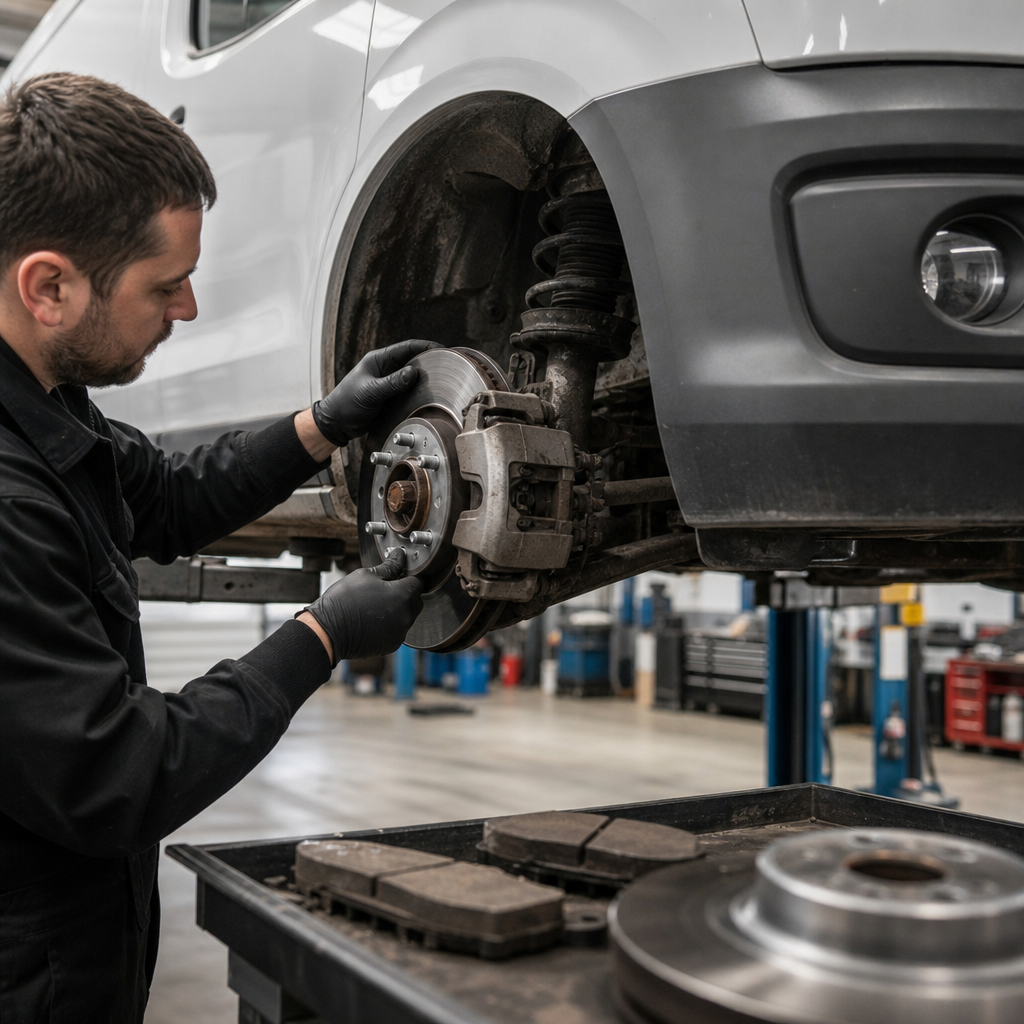
The most common wear items in any braking system are the pads and discs, and identifying their condition is your first port of call. Neglecting these can lead to significantly reduced stopping power, longer braking distances, and potentially dangerous situations.
Brake Pads: These are the friction material that presses against the discs.
- Noise: A high-pitched squealing sound when you apply the brakes is often the first indicator that your pads are getting low. Many pads have a built-in wear indicator that purposely creates this noise. If you hear a harsh, metallic grinding noise, it means the friction material has completely worn away, and you're now metal-on-metal – this is very serious and requires immediate attention to prevent damage to the discs.
- Feel: You might notice a reduction in braking efficiency, requiring you to press the pedal harder or further to achieve the same stopping power.
- Visual Inspection: If you can safely look through your wheel spokes, you can often visually inspect the pads. New pads typically have around 10-12mm of friction material. A UK MOT test will fail a car if the brake pad material is below 1.5mm. Anything around 3mm or less is considered low and due for replacement soon.
Brake Discs (Rotors): These are the metal plates that the pads clamp onto.
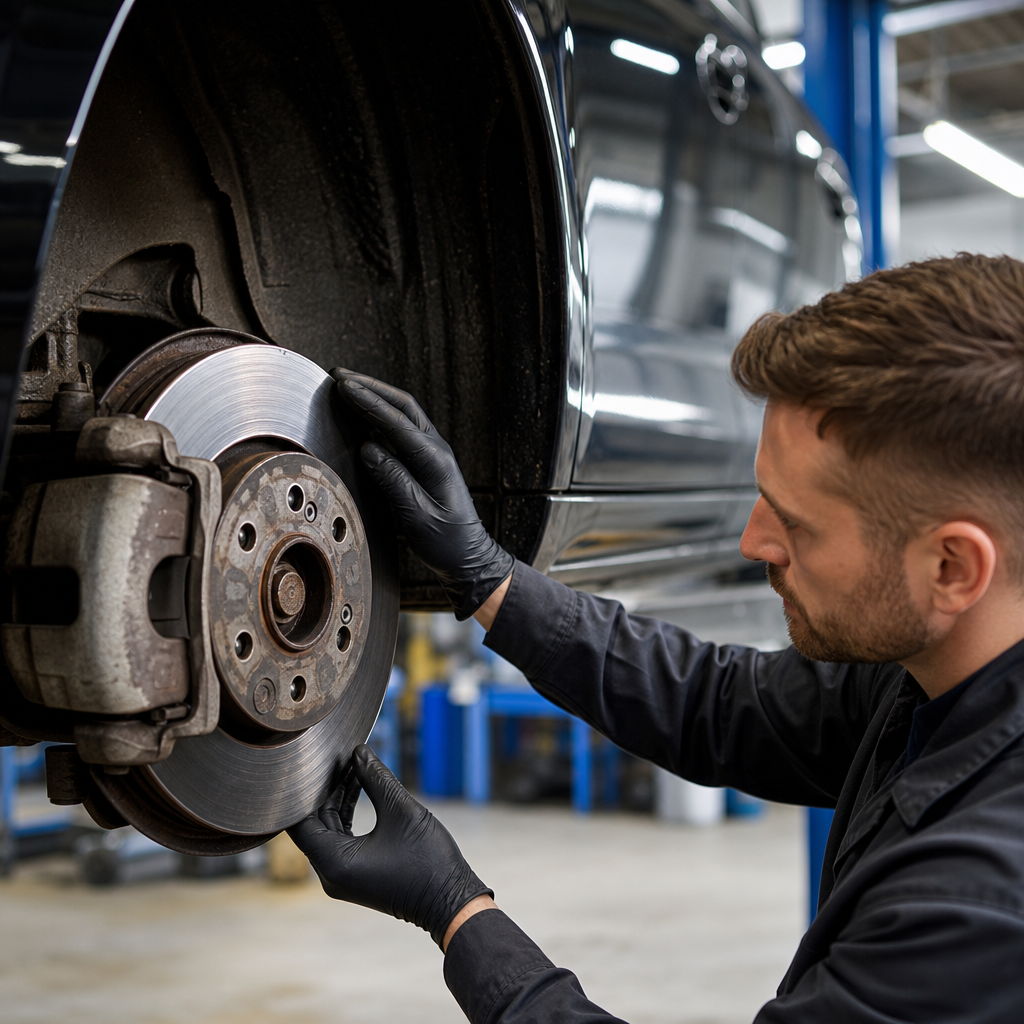
- Noise and Vibration: Worn or warped discs can cause a pulsating or juddering sensation through the brake pedal and sometimes the steering wheel when braking. This is often due to uneven wear or overheating causing the disc to become distorted. A loud grinding noise, especially if accompanied by the feel of grooves, also indicates severe disc wear.
- Visual Inspection: Look for deep scoring or grooves on the disc surface. A pronounced lip around the outer edge of the disc indicates significant wear, as material has been worn away from the main braking surface. The manufacturer specifies a minimum thickness for each disc; a mechanic will measure this during a service or MOT. Excessive wear or scoring will result in an MOT advisory or failure.
Any of these signs warrant prompt attention. Timely replacement of pads and discs is crucial not only for your safety but also to prevent more expensive repairs down the line.
Brake Fluid: The Unsung Hero of Your Stoppage Power
Often overlooked, brake fluid is the vital hydraulic medium that transmits the pressure from your brake pedal to the calipers, engaging the pads against the discs. Its condition is paramount for effective braking.
- Why It Matters: Brake fluid is hygroscopic, meaning it absorbs moisture from the atmosphere over time. This moisture reduces the fluid's boiling point. Under heavy or prolonged braking (like descending a long hill), the fluid can get hot enough for the water content to boil, creating vapour bubbles in the system. Unlike fluid, vapour is compressible, leading to a dangerous "spongy" brake pedal feel and a sudden, dramatic loss of braking power, known as vapour lock. Moisture also leads to internal corrosion of brake components.
- Checking the Level: Locate the brake fluid reservoir under the bonnet (it usually has a yellow cap with a braking system symbol). The fluid level should always be between the MIN and MAX markers. A consistently low level could indicate a leak in the system or severely worn brake pads that have pushed the caliper pistons further out.
- Checking the Colour: New brake fluid is typically clear or light amber. As it ages and absorbs moisture and contaminants, it will darken, often becoming brown or even black. Dark fluid is a strong indicator that it's time for a change.
- When to Change It: Most manufacturers recommend changing brake fluid every two years, regardless of mileage. This is due to its hygroscopic nature, as even if you don't drive many miles, the fluid will still absorb moisture over time. If your car's service history doesn't show a recent brake fluid change, it's a wise investment to have it done immediately, especially if the fluid appears dark. A fresh fluid flush can dramatically improve pedal feel and overall braking safety.
Deciphering ABS Issues: Your Anti-Lock Braking System
Modern cars, especially those sold in the UK since the late 1990s, are equipped with an Anti-lock Braking System (ABS). This crucial safety feature prevents your wheels from locking up under hard braking, allowing you to maintain steering control, which is incredibly important on the UK's often wet and slippery roads.
- How ABS Works: ABS uses speed sensors on each wheel to monitor their rotational speed. If it detects a wheel is about to lock up during braking, it rapidly modulates the brake pressure to that specific wheel, releasing and re-applying pressure many times per second. This keeps the wheel turning, allowing you to steer around obstacles while braking hard.
- Common Signs of ABS Issues:
- The ABS Warning Light: This is the most obvious indicator. If the ABS light (often a circle with "ABS" inside) illuminates on your dashboard and stays on after you start the engine, it signals a fault within the system. While your regular brakes will likely still function, the ABS system itself will be deactivated, meaning your wheels could lock up under emergency braking.
- Loss of ABS Function: If you brake hard in an emergency and feel your wheels lock up (you'll often hear a screech and feel the car lose steering ability), it's a clear sign that your ABS is not engaging as it should.
- Unusual Noises: While ABS activation itself can create a pulsing feel and a grinding or whirring noise (which is normal), persistent unusual noises like grinding or clunking from the ABS pump when you're just driving normally, or when the system shouldn't be activating, could indicate a problem.
- Common Causes of ABS Faults: These can range from a simple faulty wheel speed sensor (easily damaged by road debris or corrosion), a wiring issue, a problem with the ABS pump itself, or a fault with the ABS control module (ECU).
An illuminated ABS light should never be ignored. While not always an MOT failure if the standard brakes work, it means a significant safety feature is compromised. Get it diagnosed and repaired by a professional as soon as possible.
When to Call in the Experts: Professional Inspection and Repair
While these checks empower you to identify potential issues, some aspects of brake maintenance and repair are best left to qualified professionals. Brakes are a safety-critical system, and incorrect diagnosis or installation can have catastrophic consequences.
- Any Persistent Warning Light: If your brake system warning light (often a red circle with an exclamation mark) or your ABS light stays on, don't delay. These indicate serious issues that need immediate professional attention.
- Noticeable Change in Braking Performance: Any significant change – a spongy pedal, a hard pedal requiring excessive force, a grinding noise that doesn't go away, a strong pull to one side under braking, or an inability to stop effectively – means your car needs to be inspected by a mechanic.
- Visible Fluid Leaks: If you notice any fluid pooling under your car, especially near the wheels, or if your brake fluid reservoir level is consistently dropping, it could indicate a brake fluid leak. This is extremely dangerous and requires immediate repair.
- Pre-Purchase Inspection (P.P.I.): Before buying a used car, a comprehensive pre-purchase inspection by an independent mechanic is invaluable. They can identify worn brake components, fluid issues, or ABS faults that might not be immediately obvious, saving you from unexpected repair bills.
- Regular Servicing and MOT Advisories: Always adhere to your car's recommended service schedule. During a service, a mechanic will routinely inspect your braking system. Likewise, pay close attention to any "advisories" on your MOT certificate related to brakes; these are often early warnings of components that will soon need attention.
Trusting a qualified garage ensures that your brakes are repaired with the correct parts, installed to manufacturer specifications, and properly bled to remove any air from the system. Don't compromise on safety; if in doubt, get it checked out.
Conclusion
Your used car's braking system is its first line of defence against accidents. By understanding the common signs of wear and tear, appreciating the role of brake fluid, and recognising issues with advanced safety features like ABS, you can proactively ensure your vehicle remains safe and reliable on UK roads.
Regular checks, attentive listening, and a proactive approach to maintenance are key. Don't wait for your braking to go truly "bad." Prioritise its health, and you'll enjoy safer, more confident journeys, knowing your used car is always ready to stop when it truly matters. Stay safe out there!