Beyond the Petrol Pump: The Real Cost of Running a Used Electric Van in the UK
The hum of an electric motor is becoming an increasingly common sound on UK roads, not just for passenger cars but for commercial vehicles too. For many businesses, the allure of a used electric van is strong – a greener image, quieter operation, and seemingly cheaper ‘fuel’. However, the decision to go electric, especially with a pre-owned model, often sparks questions that go beyond just the sticker price. Is it truly more cost-effective? What are the hidden costs, and where are the real savings?
At CarsLink.ai, we understand that for businesses and sole traders, every penny counts. This article delves into the genuine financial landscape of owning and operating a used electric van in the UK, moving beyond the simple 'petrol vs. electric' debate to uncover the total cost of ownership (TCO) that truly matters.
Initial Outlay vs. Total Cost of Ownership: A Shifting Perspective
When first browsing the used van market, a direct comparison between an electric model and its diesel counterpart can often highlight a higher initial purchase price for the EV. For example, a three-year-old Ford E-Transit Custom might still command a premium over a similarly aged diesel Transit Custom, or a used Vauxhall Vivaro Electric might sit a little higher than an equivalent diesel Vivaro. Early electric vans, like the Renault Kangoo Z.E. or Nissan e-NV200, saw steeper initial depreciation, but more recent models are holding their value better as demand grows and battery technology proves its longevity.
However, focusing solely on the upfront cost paints an incomplete picture. The true financial benefit of a used electric van lies in its Total Cost of Ownership (TCO). This encompasses not just the purchase price, but also charging costs, maintenance, Vehicle Excise Duty (VED), insurance, and various government incentives and urban access benefits. While the initial investment might be greater, the subsequent sections will demonstrate how these ongoing expenses can dramatically tilt the TCO in favour of a used electric van, making it a surprisingly shrewd financial decision for many UK businesses.
Fueling Your Business: Understanding Electric Van Charging Costs
The most direct comparison to filling up with diesel is, of course, charging your electric van. This is where the most significant running cost savings come into play, but the price per 'fill-up' can vary wildly depending on where and when you plug in.
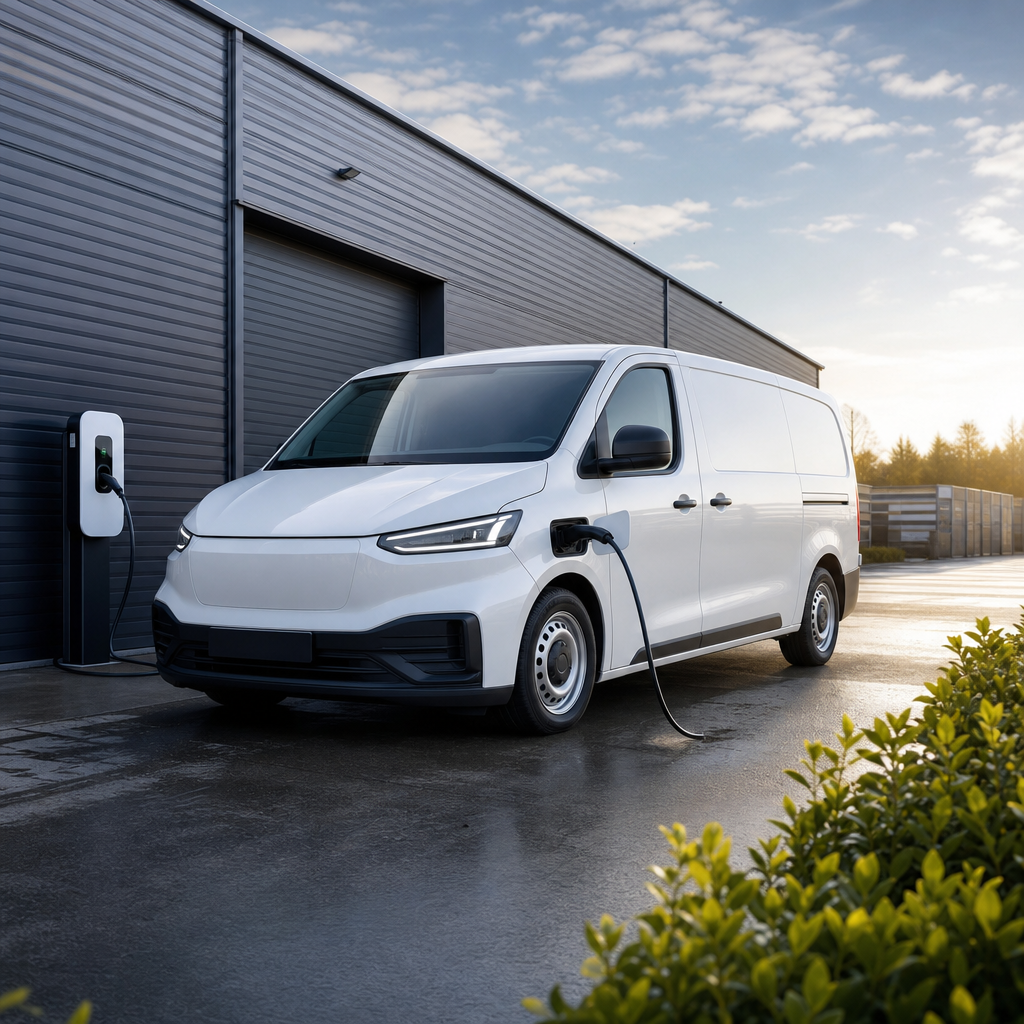
1. Home/Depot Charging (The Cheapest Option): For most businesses, overnight charging at a home address or commercial depot will be the primary and most cost-effective method. With a typical UK domestic electricity rate hovering around 28-30 pence per kilowatt-hour (p/kWh), a van with a 50kWh usable battery (offering, say, 150-180 miles of real-world range) would cost approximately £14.00-£15.00 for a full charge. However, significant savings can be made by utilising an off-peak electricity tariff, such as those offered by Octopus Energy or similar providers, where rates can drop to as low as 7.5-15p/kWh during specific hours. Charging that same 50kWh battery during these periods could cost as little as £3.75-£7.50, bringing the cost per mile down to just a few pence.
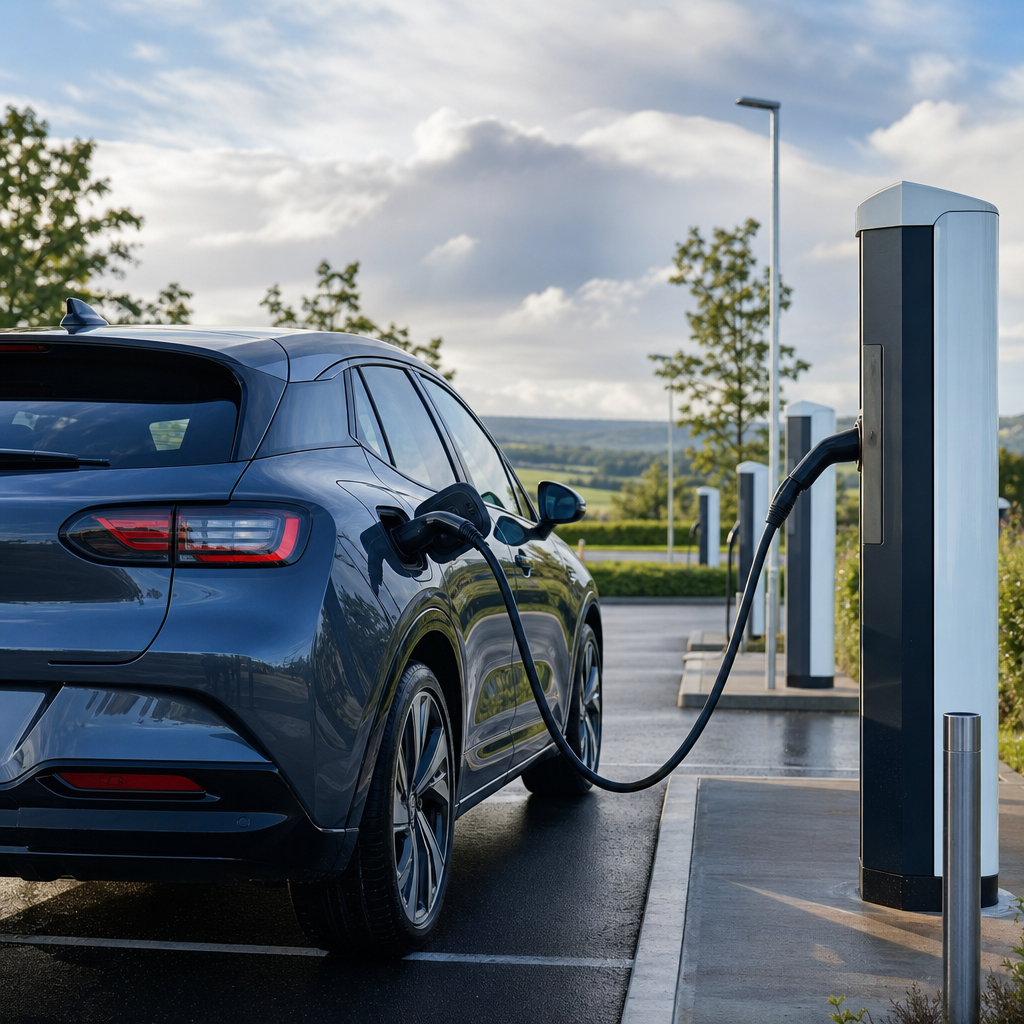
2. Public AC Charging (Convenient, Mid-Range Cost): Often found at supermarkets, public car parks, and workplaces, these chargers typically offer speeds of 7-22kW. Rates generally range from 40-60p/kWh. While more expensive than home charging, they can be useful for topping up during a working day or while running errands. A 50kWh charge at 50p/kWh would cost £25.00, still often cheaper than an equivalent amount of diesel.
3. Rapid DC Charging (The Quickest, Most Expensive): Essential for longer journeys or when time is of the essence, rapid chargers (50kW to 350kW+) are commonly found at motorway service stations and dedicated charging hubs. These are the equivalent of a quick diesel fill-up but come at a premium, with rates often between 60p and £1.00+ per kWh. Using a rapid charger to add 50kWh could cost anywhere from £30.00 to £50.00+. While crucial for flexibility, it's not a sustainable primary charging method if cost is a concern.
By strategically planning charging, prioritising home or depot overnight charging, and leveraging off-peak tariffs, businesses can dramatically reduce their 'fuel' costs compared to diesel vans.
Beyond the Spanners: Maintenance Savings and Battery Longevity
One of the less talked-about but highly impactful areas of cost saving for electric vans is maintenance. Electric powertrains are inherently simpler than internal combustion engines, boasting significantly fewer moving parts. This translates directly into reduced servicing requirements and lower costs over the lifetime of the vehicle.
Consider what an electric van doesn't have: no engine oil to change, no spark plugs or fuel filters to replace, no timing belts, turbos, exhaust systems, or DPFs (Diesel Particulate Filters) to worry about. These components are common failure points and expensive replacements in diesel vans. Furthermore, electric vans utilise regenerative braking, where the electric motor slows the vehicle and recaptures energy, significantly reducing wear and tear on traditional brake pads and discs. Many operators report that brake components last considerably longer on EVs.
Overall, maintenance costs for electric vans can be 20-40% lower than for an equivalent diesel van. While you'll still need to check tyres, suspension, and steering, the core powertrain is largely maintenance-free.
A common concern with used electric vehicles is battery health. However, modern EV batteries are designed for longevity. Most new electric vans come with an 8-year/100,000-mile warranty on the battery, which is typically transferable to subsequent owners. This provides substantial peace of mind for buyers of used models. Battery degradation is a gradual process, often only a few percent after several years and many thousands of miles. For example, a five-year-old van might only have experienced a 5-10% reduction in its original range, which for many businesses, still leaves plenty of usable range for daily operations. Before purchasing, a dealer or specialist can often provide a 'State of Health' (SOH) report for the battery, giving you a clear picture of its remaining capacity.
Boosting Your Bottom Line: Tax Breaks, Grants, and Urban Access
Beyond the direct running costs, several government incentives and urban regulations in the UK make owning a used electric van a financially savvy decision.
1. Vehicle Excise Duty (VED) Exemption: Electric vans are currently exempt from Vehicle Excise Duty (road tax). This is a straightforward annual saving that can amount to hundreds of pounds compared to a diesel van.
2. Benefit-in-Kind (BiK) Tax: For businesses providing vans to employees for private use, electric vans currently incur zero Benefit-in-Kind (BiK) tax. This is a substantial saving for employees compared to diesel vans, which can attract a BiK charge of £3,960 for the 2023/24 tax year. While this primarily benefits new vans (and their employees), the zero BiK status remains for used EVs, making them an attractive perk for businesses looking to offer employee benefits cost-effectively.
3. Urban Access and Charges: This is arguably one of the most significant and immediate financial advantages for businesses operating in or around major UK cities. Electric vans are exempt from charges in: * London's Ultra Low Emission Zone (ULEZ): Saving £12.50 per day. * London's Congestion Charge: Saving £15.00 per day. * Clean Air Zones (CAZ): In cities like Birmingham, Bristol, Glasgow, and others, where diesel vans often face daily charges, electric vans can enter free of charge. * Low Emission Zones (LEZ): Such as in Greater London.
For a business operating daily within these zones, these exemptions can amount to thousands of pounds in savings annually, quickly offsetting any initial price premium. Investing in a used electric van is a smart move to future-proof your business against expanding urban emissions restrictions.
Conclusion: A Strategic Investment for the Savvy Business
The journey beyond the petrol pump reveals that while a used electric van might require a slightly larger initial investment, its total cost of ownership is often significantly lower than that of a comparable diesel model. The combination of drastically reduced ‘fuel’ costs through strategic charging, lower maintenance bills, zero VED, attractive tax benefits, and invaluable exemptions from urban emission charges paints a compelling financial picture.
As the market for used electric vans continues to mature, offering a greater variety of models and price points, now is an opportune time for UK businesses to consider making the switch. For the forward-thinking sole trader or fleet manager, a used electric van isn't just an environmentally sound choice; it's a strategically smart financial decision that can genuinely boost the bottom line and future-proof operations in an increasingly electrified world. Visit CarsLink.ai today to explore the growing range of used electric vans ready to drive your business forward.