Beyond the M25: A UK Buyer's Guide to Used EV Charging in Rural and Regional Areas
The buzz around electric vehicles (EVs) is undeniable, with more drivers than ever making the switch. For many residing within the M25 corridor or other major urban hubs, the prospect of charging seems relatively straightforward, with an ever-growing network of rapid chargers and on-street solutions. But what about those of us living "beyond the M25"? If you're considering a used EV for life in a market town, a sleepy village, or the beautiful, sprawling countryside, concerns about charging infrastructure can often be a sticking point.
At CarsLink.ai, we believe a used EV can be a brilliant choice for rural and regional drivers, offering significant savings on fuel, quieter journeys, and a cleaner footprint. The key lies in understanding the charging landscape and adopting a slightly different mindset. This guide will equip you with the practical knowledge to confidently navigate used EV ownership, no matter how far off the beaten track you live.
Understanding the Infrastructure Divide
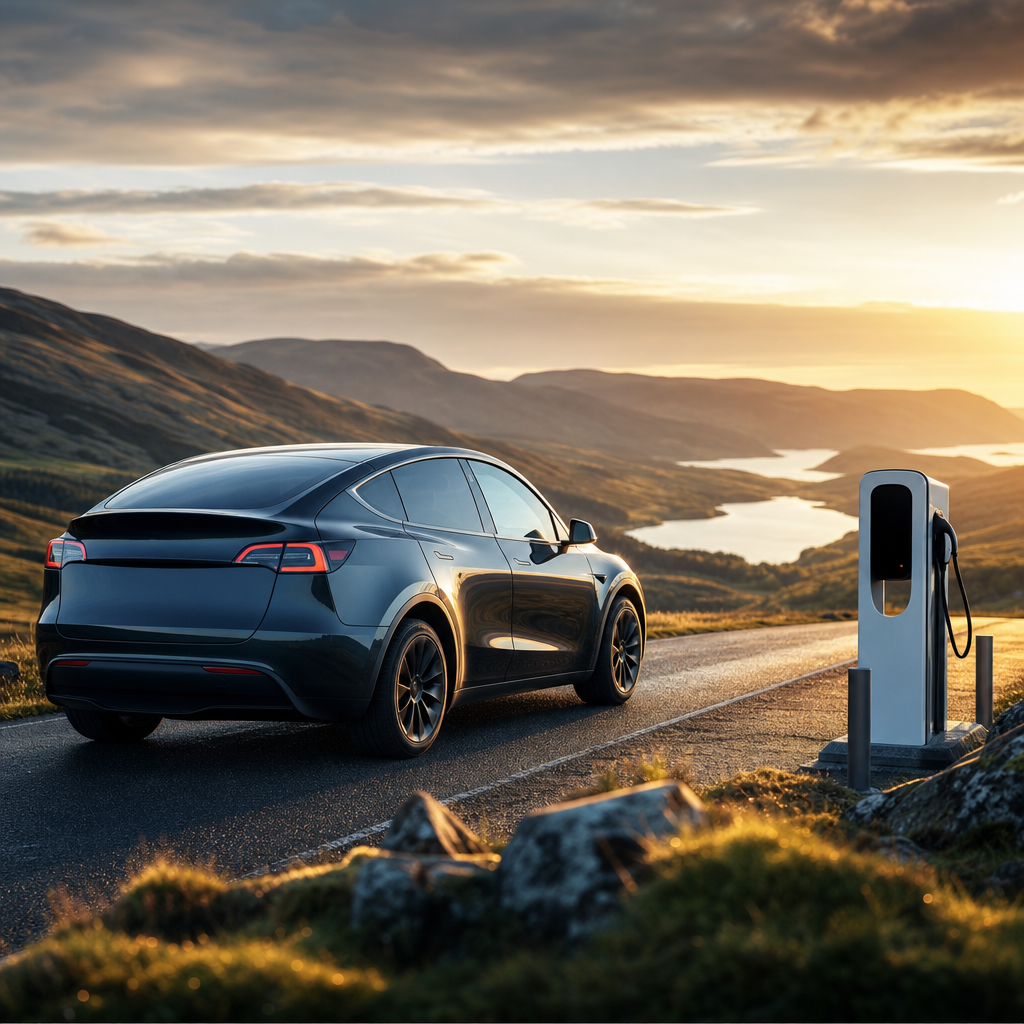
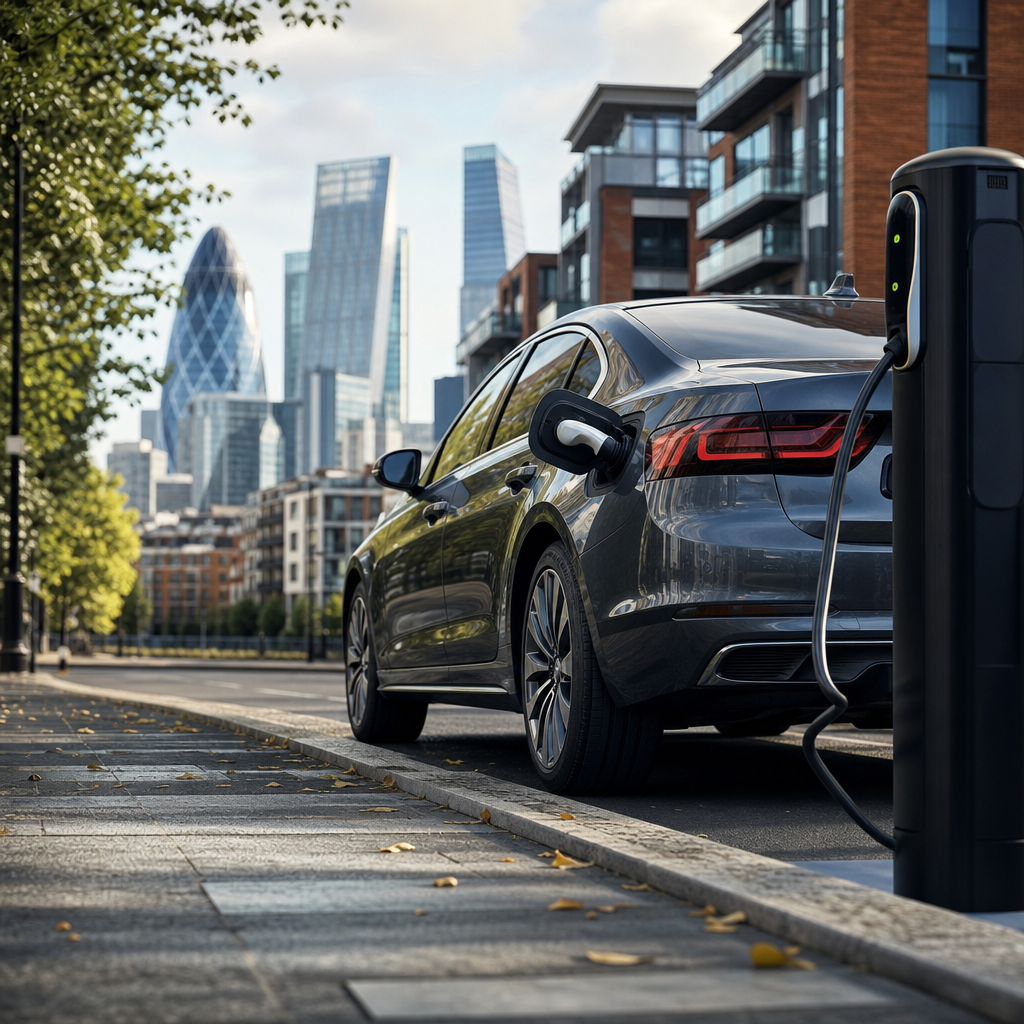
The perception that rural areas are EV charging deserts isn't entirely accurate, but it's fair to say there's a noticeable disparity compared to densely populated urban centres. In cities, you might find multiple rapid chargers within a mile, dedicated EV bays on residential streets, and widespread workplace charging. Venture into the countryside, however, and the picture changes.
While you'll still encounter chargers, they tend to be less frequent, with a higher proportion of slower AC charging points (7kW or 22kW) compared to the rapid (50kW+) or ultra-rapid (150kW+) DC chargers vital for quick top-ups on long journeys. The reasons are varied: lower population density means less commercial incentive for charge point operators, and sometimes the local grid infrastructure requires costly upgrades to support multiple high-power chargers.
This doesn't mean rural EV ownership is impossible; it simply means your approach to charging needs to be more deliberate. Instead of relying on opportunistic rapid charging, your focus will shift towards making home charging your primary solution and strategically utilising destination chargers. This understanding is the first step to successful rural EV integration.
Home Charging: Your Rural EV Lifeline
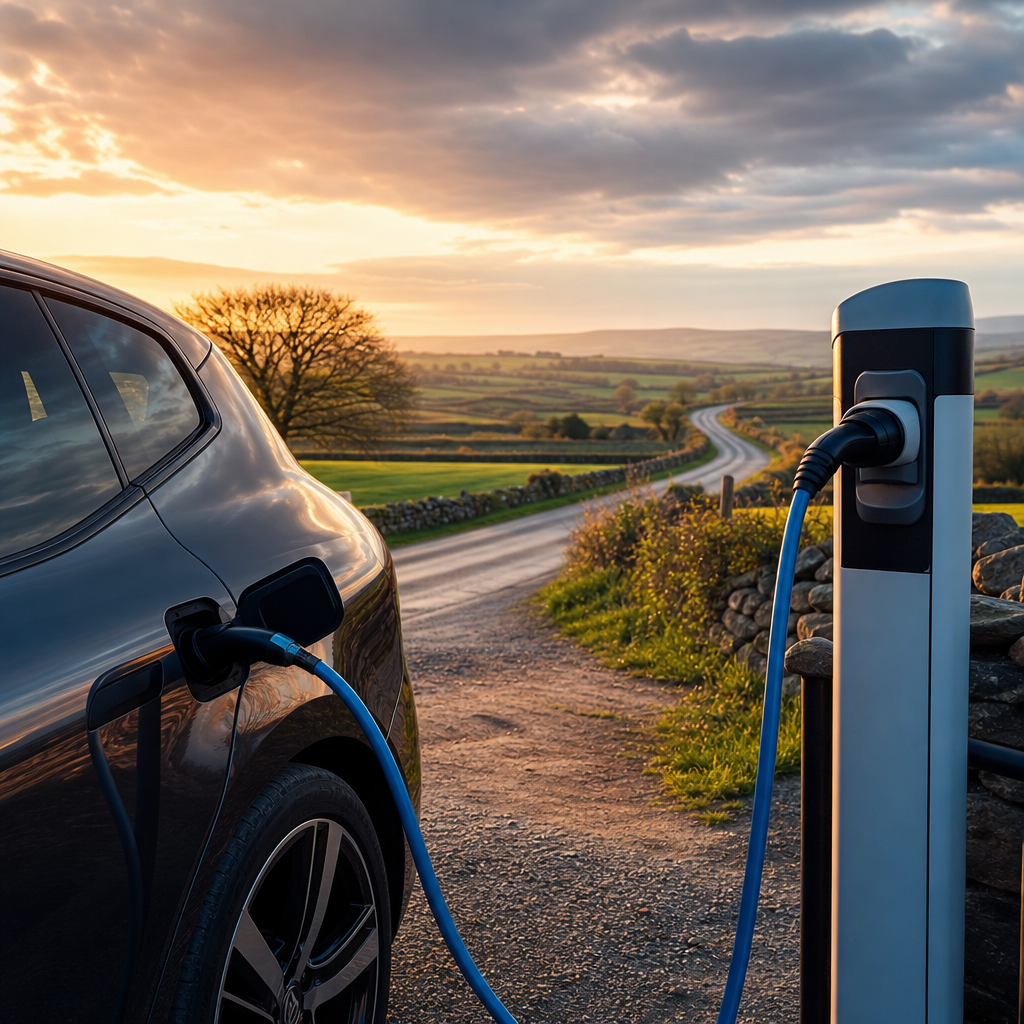
For drivers in less urbanised areas, home charging isn't just a convenience; it's an absolute necessity. Relying solely on public charging in a rural setting is impractical and will quickly lead to frustration.
1. The Dedicated Wallbox (7kW AC): This is the gold standard and should be considered an essential investment for any rural EV owner with off-street parking. A 7kW wallbox can fully charge most EVs overnight (typically 6-10 hours, depending on battery size), ensuring you start every day with a full "tank." * Installation: A qualified, OZEV-registered electrician is crucial. They'll assess your home's electrical supply, ensure compliance with wiring regulations, and install the unit safely. Costs for installation vary but typically range from £800-£1,200. While the OZEV home charge point grant (EVHS) has largely ended for homeowners, some local authority or regional grants might still be available, so it's worth checking. * Electricity Supply: Most rural homes have a single-phase electricity supply, which is perfectly adequate for a 7kW charger. If you ever considered a 22kW three-phase charger (less common and more costly for home use), you'd likely need a DNO (Distribution Network Operator) upgrade, which can be expensive and time-consuming. Stick to 7kW for simplicity and cost-effectiveness. * Off-Peak Tariffs: This is where the real savings come in. Switching to an EV-specific electricity tariff (e.g., Octopus Go, EDF GoElectric) allows you to charge your car during cheaper, off-peak hours, often overnight. Using a "smart" wallbox allows you to schedule charging to automatically take advantage of these lower rates, drastically reducing your running costs compared to petrol or diesel.
2. The 3-Pin Plug (Trickle Charge): While every EV comes with a cable that plugs into a standard domestic 3-pin socket, this should only ever be used in an emergency or for occasional top-ups. Charging at around 2.3kW, it takes upwards of 20-30 hours for a full charge on a typical EV battery – far too slow for daily use. It also places a sustained load on your domestic wiring not designed for continuous high power draw, making a dedicated wallbox a much safer and more efficient solution.
For those without off-street parking in rural areas, options are unfortunately more limited. While urban areas might offer lamppost chargers, these are scarce in villages. Your best bet would be to investigate if any local businesses offer charging or if a neighbour might be willing to share their point for a fee. However, securing a home charging solution is truly paramount for a hassle-free rural EV experience.
Planning Long Journeys: Utilising Destination Chargers and Public Networks
Even with home charging sorted, longer trips beyond your local area will require strategic use of the public network. This is where your planning skills come to the fore.
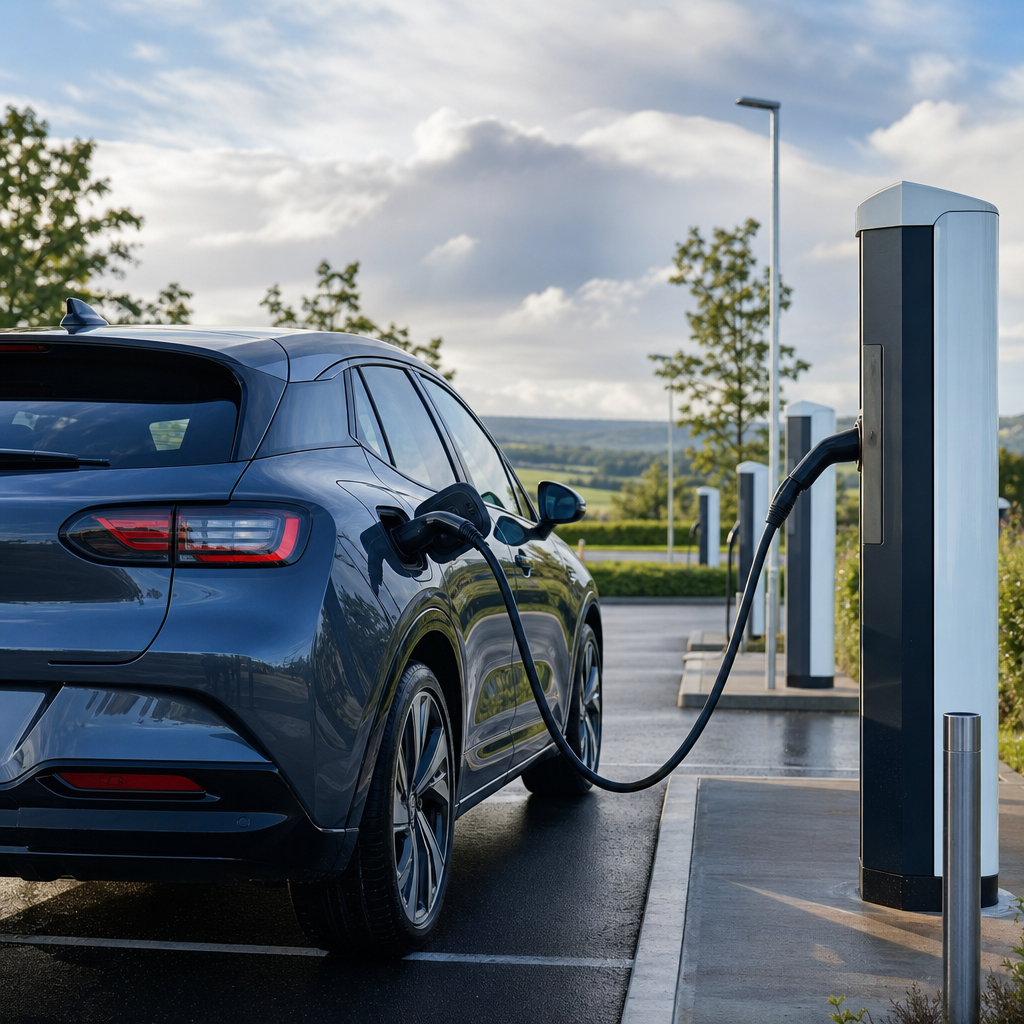
1. Destination Charging: This is your secret weapon for regional travel. Many hotels, pubs, restaurants, visitor attractions, and even larger supermarkets in market towns now offer 7kW or 22kW AC chargers. The beauty of destination charging is that you charge your car while you're already doing something else – having lunch, exploring a national park, or staying overnight. * Tip: Always check the app (more on this below) for availability and functionality before relying on a destination charger. Some may require specific apps or RFID cards, or might simply be out of order.
2. Public Rapid Chargers: For genuinely long journeys, you’ll need to top up at rapid DC chargers. * Motorway Service Stations: These are generally well-equipped with rapid chargers from operators like Gridserve (Electric Highway), BP Pulse, or InstaVolt. They are convenient but can be more expensive per kWh than other public options. * A-Road Hubs & Market Towns: Increasingly, rapid chargers are popping up in car parks of larger market towns or strategically located off major A-roads. These are often more affordable than motorway services. * Key Advice for Public Charging: * Top-up, Don't Fully Charge: Unless you specifically need it, aim to charge to 80%. The charging speed slows significantly beyond this point, and you'll free up the charger for others more quickly. * Check Live Status: Never just drive to a charger assuming it's available and working. Always consult your chosen app for real-time status updates. * Have a Backup Plan: What if your chosen charger is occupied, out of order, or incompatible? Know where the next nearest alternative is. * Consider Multiple CPOs: You may need accounts or apps for several charge point operators (CPOs) like InstaVolt, Shell Recharge, Osprey, or Pod Point, as no single network covers the entire UK comprehensively. RFID cards (like Electroverse or Paua) can simplify access across multiple networks.
Apps and Resources: Your Digital Co-Pilot
Gone are the days of aimlessly driving around searching for a petrol station; with an EV, technology is your friend. These apps are indispensable for rural and regional EV owners.
Zap-Map: This is the UK's most comprehensive and popular charging map. It allows you to:
- Filter: By connector type (CCS, CHAdeMO, Type 2), speed (Slow, Fast, Rapid), CPO, and even by payment method (contactless, app, RFID).
- See Live Status: Crucially, many CPOs integrate their data, showing if a charger is available, in use, or out of order.
- Read User Reviews: This is invaluable for rural locations. Users often report on the charger's reliability, ease of access, nearby amenities, and potential issues (e.g., "Charger A is always broken," or "tight turning circle for larger EVs").
- Plan Routes: Integrate charging stops into your journey.
PlugShare: Another excellent global app with strong UK coverage, similar functionality to Zap-Map, and often with an equally engaged user base for comments and photos.
Individual CPO Apps: For the major networks you'll regularly use (e.g., InstaVolt, BP Pulse, Shell Recharge, Gridserve), it's wise to download their dedicated apps. You'll often need these to activate a charge, manage your account, or check your charging history.
Manufacturer's Own Navigation: Many modern EVs integrate charging locations directly into their infotainment system's navigation, often accounting for battery state and suggesting optimal charging stops on longer routes. This can be a useful backup or primary navigation tool.
Online Forums & Local Groups: Joining EV owner forums or local Facebook groups can provide real-time, hyper-local information on new chargers, reliability issues, or even tips for destination charging at obscure but useful locations.
Familiarise yourself with these tools before you embark on a long journey. A few minutes of planning can save hours of frustration.
Battery Range Anxiety vs. Rural Reality
"Range anxiety" is a common term, but for many modern used EVs, it's more psychological than a genuine practical issue, especially for regional drivers.
1. Understand Your True Range: The official WLTP (Worldwide Harmonised Light Vehicles Test Procedure) range is a guide. Your real-world range will vary depending on speed, outside temperature (colder weather reduces range), terrain, and driving style. A used EV with a WLTP range of 200 miles will comfortably deliver 150-180 miles in typical UK conditions, which is ample for most regional driving.
2. Most Journeys Are Short: Think about your actual driving habits. The vast majority of rural journeys – the commute to work, school runs, trips to the local shop, visits to nearby towns – are well within the capabilities of even older used EVs with smaller batteries. For these daily drives, your home charger will handle 90% of your needs effortlessly.
3. "Top-Up Whenever Possible": This is the EV mantra. Unlike a petrol car where you run it near empty, with an EV, if you're stopping anyway and there's a charger available, even a short top-up can make a difference. Parking at a supermarket with a 7kW charger for an hour while you shop can add 20-30 miles of range – often enough to get you home comfortably.
4. Choose the Right Used EV: When buying a used EV for regional use, consider: * Battery Size: A battery capacity of 40kWh to 60kWh (e.g., Nissan Leaf 40kWh, Hyundai Kona Electric, MG ZS EV, Renault Zoe 50kWh) provides a good balance of range, cost, and charging time. * Battery Health (SOH): For used EVs, ask about the "State of Health" (SOH) of the battery. Modern EV batteries degrade very slowly, but a good SOH ensures you're getting as close to the original range as possible. Many dealerships now provide battery health reports. * Charging Speed: While less critical than home charging, faster DC rapid charging (50kW+) can be beneficial for longer trips.
With careful planning and a reliable home charging setup, range anxiety quickly dissipates, allowing you to enjoy the quiet, cost-effective benefits of your used EV.
Conclusion
Embracing a used EV for life beyond the M25 is not just feasible; it's increasingly practical and rewarding. The key is to shift your mindset from a reactive "find a pump when empty" approach to a proactive, "charge at home overnight and plan long journeys" strategy.
By prioritising a dedicated home wallbox, intelligently using destination chargers, leveraging smart apps for route planning and real-time information, and understanding the true capabilities of modern EV batteries, you'll find that rural EV ownership is a seamless and enjoyable experience. Don't let perceived charging difficulties deter you from the significant running cost savings and environmental benefits that a used electric vehicle can offer.
Ready to make the switch? Browse our extensive listings at CarsLink.ai and find your perfect used EV for rural and regional adventures.