Beyond the Job Site: Choosing a Used Van for Your UK Lifestyle & Hobbies
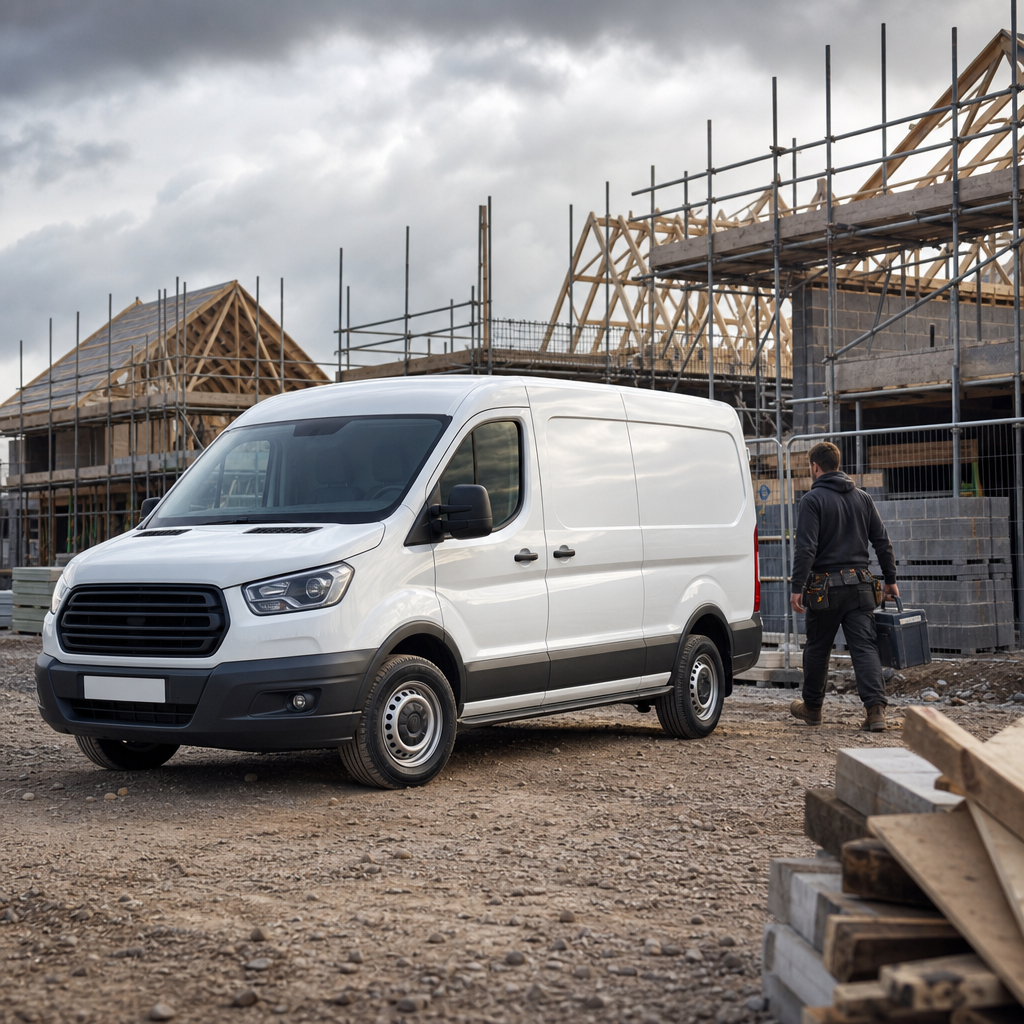
For too long, the humble van has been pigeonholed as a workhorse, a trusty companion for plumbers, electricians, and delivery drivers. But what if we told you that a used van could be the surprisingly versatile, practical, and incredibly liberating vehicle you never knew you needed for your UK lifestyle? Forget the traditional car or SUV; a well-chosen pre-owned van can open up a world of possibilities for families, outdoor enthusiasts, pet owners, and anyone with a passion that demands serious space.
At CarsLink.ai, we're seeing more and more savvy buyers looking beyond the commercial stereotype. With their cavernous interiors, robust build, and often surprisingly car-like driving dynamics, used vans offer an unparalleled blend of utility and potential for adventure. Whether you're hauling muddy mountain bikes, transporting a dog show team, or simply need more room for camping trips and family holidays, a used van could be your ultimate multi-purpose vehicle.
The Unexpected Versatility of a Used Van
The primary appeal of a van for personal use lies in its sheer volume of usable space, offering a practical edge over many traditional passenger vehicles.
- For Families: Think about those dreaded holiday packing sessions. A van can effortlessly swallow pushchairs, travel cots, bikes, luggage, and all the paraphernalia that comes with a family outing, no more playing Tetris in the boot. It’s perfect for weekend camping trips or simply handling the weekly shop with ease. Crew cab or 'combi' vans, with their second row of seats, offer the best of both worlds – seating for the family and still a huge rear load space.
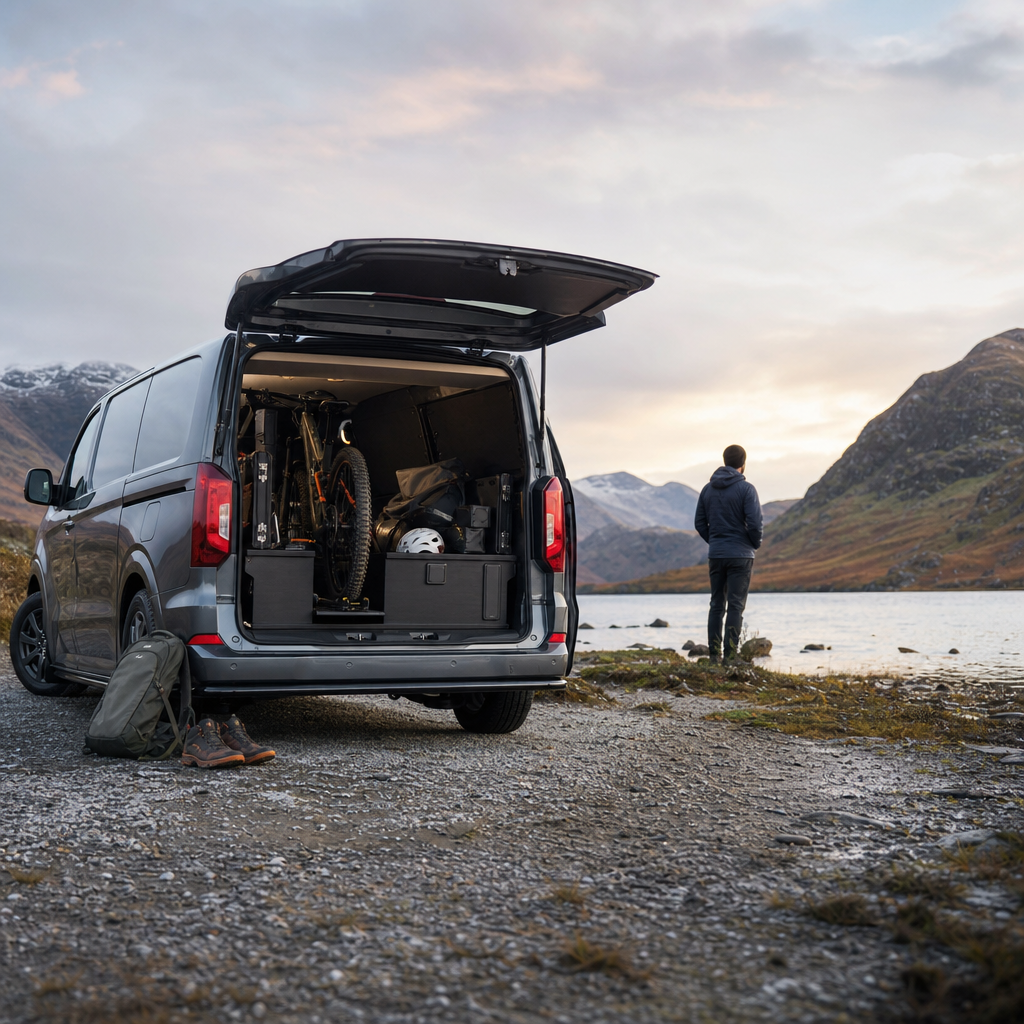
- For Outdoor Enthusiasts: This is where a van truly shines. Surfers can easily transport boards inside, keeping them secure and protected from the elements. Mountain bikers can simply roll their bikes in, often without even needing to remove the front wheel, avoiding the faff and drag of roof racks. Kayakers, climbers, and even kite surfers will find the extensive internal space invaluable for gear storage and transport, transforming a simple van into a mobile adventure hub.
- For Pet Owners: Dogs, especially larger breeds or multiple furry friends, can make a mess of car interiors. A van offers a dedicated, easy-to-clean space for secure crates or custom dog beds. The flat load floor means easy access, and with appropriate ventilation, it becomes a comfortable and safe environment for even the muddiest spaniel after a walk on the beach.
Compared to large SUVs, vans often come with lower purchase prices, and their simpler mechanicals can lead to more affordable maintenance. They might not have the same initial glamour, but their practicality and adaptability are hard to beat.
Key Considerations: Windows, Seating & Insurance
Before diving into models, it’s crucial to understand a few fundamental differences that impact comfort, legality, and cost.
- Window Options:
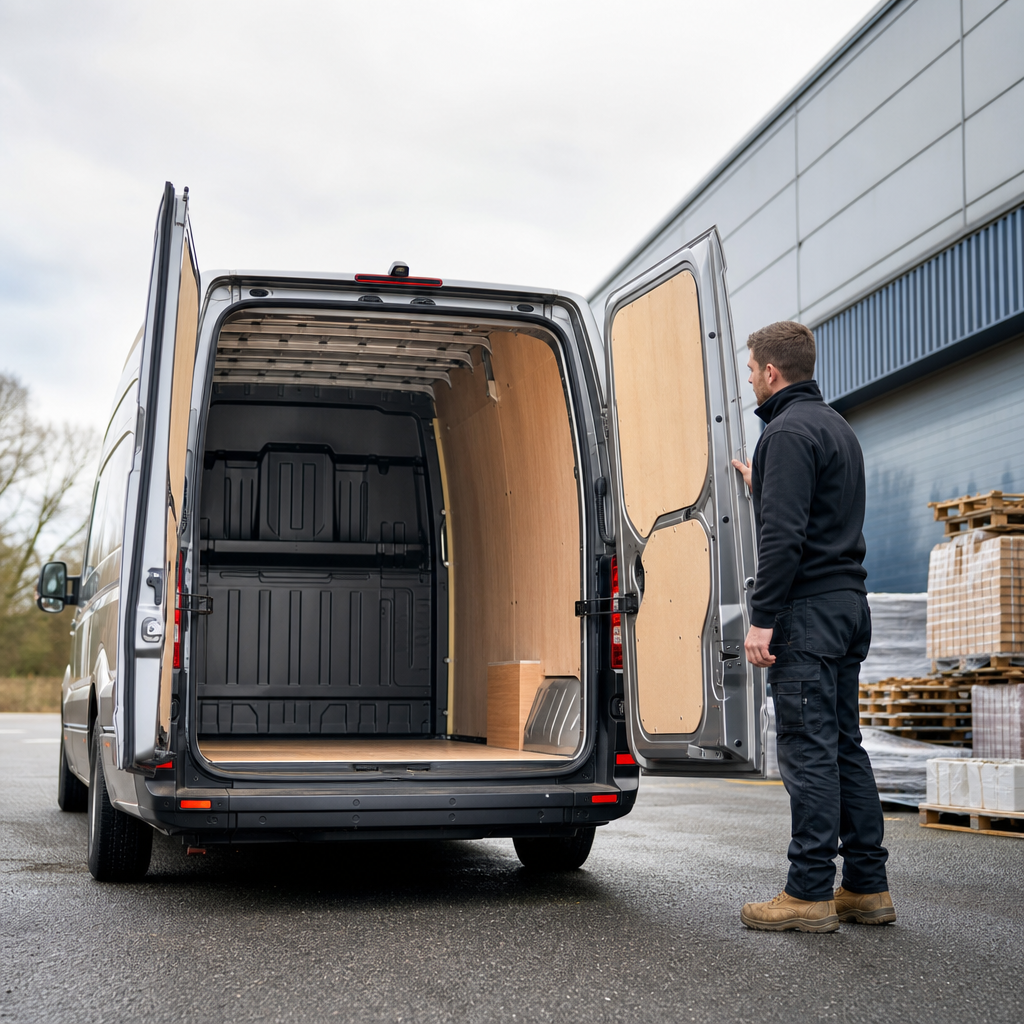
- Panel Van: These have no windows in the rear. They offer maximum security, better insulation (easier to keep warm or cool), and a blank canvas for customisation. The downside is poorer rear and side visibility, often requiring a reversing camera.
- Window Van (Factory Fitted): Models like the Ford Transit Custom Kombi or VW Transporter Shuttle come with factory-fitted windows and often rear seats. This offers excellent visibility and natural light, making them feel more like a multi-purpose vehicle from the outset.
- Aftermarket Windows: It's possible to add windows to a panel van. While a popular DIY modification, ensure it's done professionally to prevent leaks and maintain structural integrity. Always inform your insurer of any such modifications.
- Rear Seating: This is a big one. If you plan to carry passengers in the back, you must have legally and safely installed seating.
- Factory-Fitted Crew/Combi Vans: These are the safest and most straightforward option, as they are designed and certified to carry passengers in the rear.
- Adding Seats to a Panel Van: This is a complex process. You cannot simply bolt seats into a panel van. For safety and legality, seats must be securely anchored, seatbelts properly installed, and the vehicle often needs to be re-registered with the DVLA as an M1 passenger vehicle. This requires VOSA (Vehicle & Operator Services Agency) approval and often involves engineering reports, which can be costly and time-consuming. Do not skimp on this – illegal seating is incredibly dangerous and will invalidate your insurance.
- Insurance Implications: This is perhaps the most critical point for private van owners. You cannot simply buy commercial van insurance if you're not using the van for commercial purposes. You need "Private Van" or "Personal Use Van" insurance. Be absolutely transparent with insurers about:
- Your primary use (e.g., family trips, hobbies, dog transport).
- Any modifications you've made (windows, added seating, camper conversion, leisure battery, etc.).
- The value of any custom internal fit-out.
- Failing to declare these can lead to your policy being voided in the event of a claim. Premiums can vary significantly, so shop around.
Identifying Reliable & Adaptable Van Models
When choosing a used van for leisure, look for models known for reliability, ease of driving (many feel very car-like these days), and a strong aftermarket for modifications and accessories.
- Compact Vans (e.g., Ford Transit Connect, VW Caddy, Citroën Berlingo/Peugeot Partner):
- These are excellent if you mostly need space for smaller gear or pets, or if you regularly navigate city streets. They are often very car-like to drive and fuel-efficient. The Berlingo/Partner and their stablemates (Vauxhall Combo Life, Toyota Proace City Verso) are particularly popular as factory-fitted leisure vehicles, often coming with a second row of seats and large boot space.
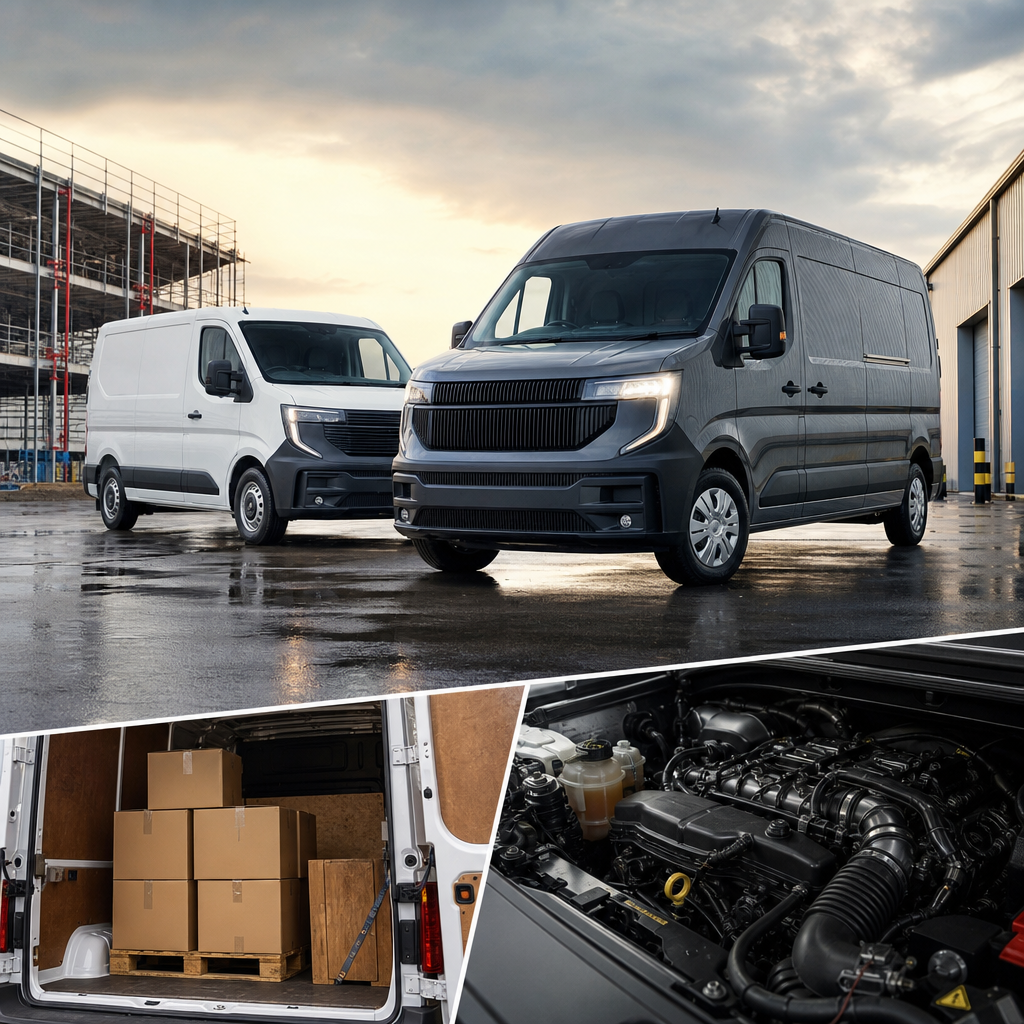
- Medium Vans (e.g., Ford Transit Custom, VW Transporter T5/T6, Vauxhall Vivaro/Renault Trafic):
- This is the sweet spot for many. The Ford Transit Custom is hugely popular, renowned for its excellent driving dynamics and vast aftermarket support for everything from insulation kits to pop-top roofs. It's available in various wheelbases and roof heights, including Double Cab-in-Van (DCIV) options.
- The Volkswagen Transporter (T5/T6) is an icon, particularly for camper conversions. It commands strong resale values and offers a very car-like driving experience with premium interior options. While often more expensive, its reputation for reliability and comfort is well-deserved.
- The Vauxhall Vivaro and Renault Trafic offer solid, practical alternatives, often at a more budget-friendly price point, with good load space and dependable engines.
For most personal use, a Short Wheelbase (SWB) and Low Roof (LR) variant will suffice, offering easier parking and better fuel economy than their Long Wheelbase (LWB) and High Roof (HR) counterparts, which are often overkill unless you plan a full-blown standing-height camper conversion.
VED and MOT: Understanding the Differences
Vans (classified as N1 vehicles for tax purposes) have some distinct differences from passenger cars (M1) when it comes to Vehicle Excise Duty (VED, or 'road tax') and MOTs.
- Vehicle Excise Duty (VED): Vans are typically subject to a flat rate of VED, regardless of their CO2 emissions (though some very new vans might fall under different rules, it's generally a flat rate for used vans). This often means they are cheaper to tax than many equivalent-age private cars, especially those with larger engines or higher emissions. Crucially, this flat rate applies even if you use the van solely for private purposes. Be aware that if you officially re-register your van as a 'motorhome' (M1), the VED rules can change, sometimes for the better, sometimes for the worse, depending on the vehicle's age and specific classification. For most leisure uses without a full conversion, keeping it registered as an N1 van is simplest.
- MOT (Ministry of Transport test):
- Most vans under 3,000kg DGVW (Design Gross Vehicle Weight) fall under Class 4, which is the same as passenger cars.
- However, many medium vans (like the Transit Custom, Transporter, Vivaro, Trafic) have a DGVW between 3,000kg and 3,500kg. These fall into Class 7 for MOTs. Class 7 MOTs cover a slightly different set of test items and may need to be carried out at specific test centres equipped for heavier vehicles. Always check your V5C registration document for the DGVW.
- Regardless of class, the MOT ensures your vehicle is roadworthy, safe, and meets environmental standards – paramount for peace of mind.
Budgeting for Minor Modifications & Interior Comfort
One of the most exciting aspects of owning a van for leisure is the potential for customisation. Even minor modifications can transform its usability and comfort. Budget for these in addition to the purchase price.
- Insulation & Panelling: This is foundational for comfort. Insulating the walls, ceiling, and floor will drastically improve temperature regulation and reduce road noise. Materials like multi-foil, Celotex, or recycled plastic bottle insulation are popular, followed by plywood panelling.
- Flooring: A durable, easy-to-clean floor is essential. Plywood overlaid with hard-wearing vinyl or rubber matting is a common and practical choice.
- Lighting: Simple LED strip lights or spotlights, powered by the vehicle's 12V system or a leisure battery, can transform the interior from a dark box into a welcoming space.
- Ventilation: Roof vents or opening side windows are crucial for airflow, especially if you're sleeping in the van or carrying pets.
- Power Solutions: A leisure battery, charged via a split-charge relay from the engine, will provide independent power for lights, charging phones, and even running a small fridge without draining your main starter battery. Solar panels are a popular addition for off-grid capabilities.
- Comfort & Storage: Simple, modular solutions are often best. A fold-out or removable bed platform allows you to switch between sleeping and hauling modes. Custom-built storage units can keep gear organised, while a small sink and portable hob can create a basic kitchenette for hot drinks and simple meals.
For electrical or gas installations, if you're not confident in your DIY skills, always consult a professional. Safety should never be compromised. Well-executed, thoughtful modifications can also add value to your van should you decide to sell it down the line.
Your Next Adventure Awaits
A used van isn't just a vehicle; it's a blank canvas for your lifestyle, hobbies, and adventures across the UK. With careful consideration of windows, seating, insurance, and the right model, you can unlock unparalleled versatility and practicality. From family holidays to epic outdoor pursuits, a van offers the space and adaptability that traditional cars simply can't match.
Start your journey today. Browse our extensive listings at CarsLink.ai and discover the perfect used van to take you beyond the job site and into a world of new possibilities.