Beyond the Forecourt: Real-World Running Costs & Savings of Used EVs in the UK
The electric vehicle (EV) revolution is in full swing, and for many UK motorists, the allure of switching to electric is stronger than ever. While new EVs can come with a hefty price tag, the used EV market is booming, offering more accessible entry points to emission-free motoring. But buying a used EV isn't just about the purchase price; it's about understanding the real-world running costs and potential savings that can make or break your budget.
From charging habits to maintenance quirks and evolving tax rules, owning a used EV brings a different set of financial considerations compared to a traditional petrol or diesel car. As your trusted automotive guide at CarsLink.ai, we're here to demystify these costs and highlight where you can genuinely save money, helping you make an informed decision for your next used car.
Demystifying Charging Costs: Home, Public & Off-Peak Savings
One of the biggest financial shifts when moving to an EV is how you "refuel." Gone are the petrol station forecourts; in their place, you have a myriad of charging options, each with its own pricing structure.
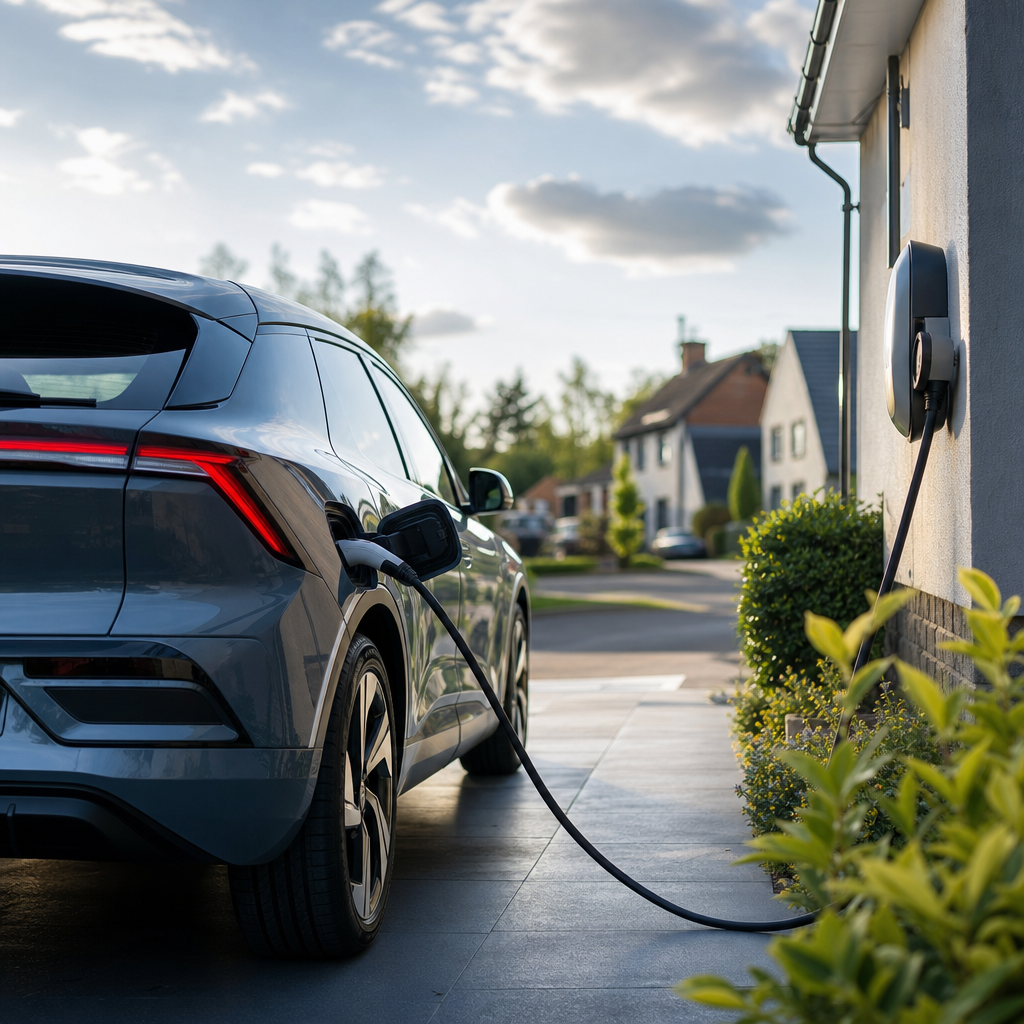
Home Charging: The Budget King For most EV owners, home charging is the most cost-effective solution. Installing a dedicated wallbox charger (which typically costs between £800-£1,200, though government grants for homeowners are no longer available) allows you to charge overnight. The key to maximising savings here lies in your electricity tariff.
- Standard Variable Tariffs (SVT): On an SVT, you might pay around 25-30p per kilowatt-hour (kWh). Charging a 60kWh battery (common in models like a used Tesla Model 3 Standard Range or a Hyundai Kona Electric) from 20% to 80% (approx. 36kWh) would cost around £9.00 - £10.80.
- Dedicated EV Tariffs: Many energy suppliers offer specific EV tariffs (e.g., Octopus Go, EDF GoElectric 35) with incredibly cheap off-peak rates, often between 7.5p and 15p per kWh. Using these tariffs, the same 36kWh charge could cost as little as £2.70 - £5.40. This is where significant savings are made compared to an ICE vehicle.
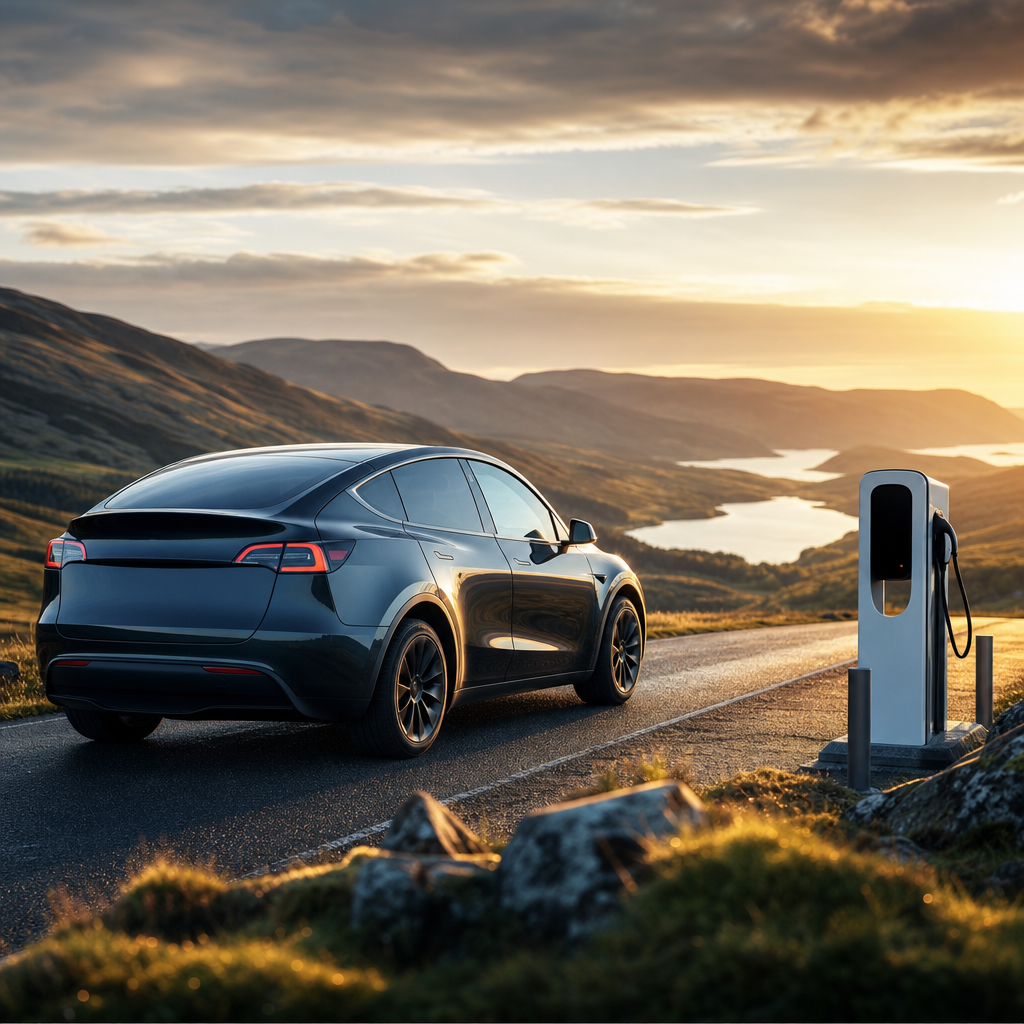
Public Charging: Convenience at a Price Public charging is essential for longer journeys or if you don't have home charging access. However, it's generally more expensive.
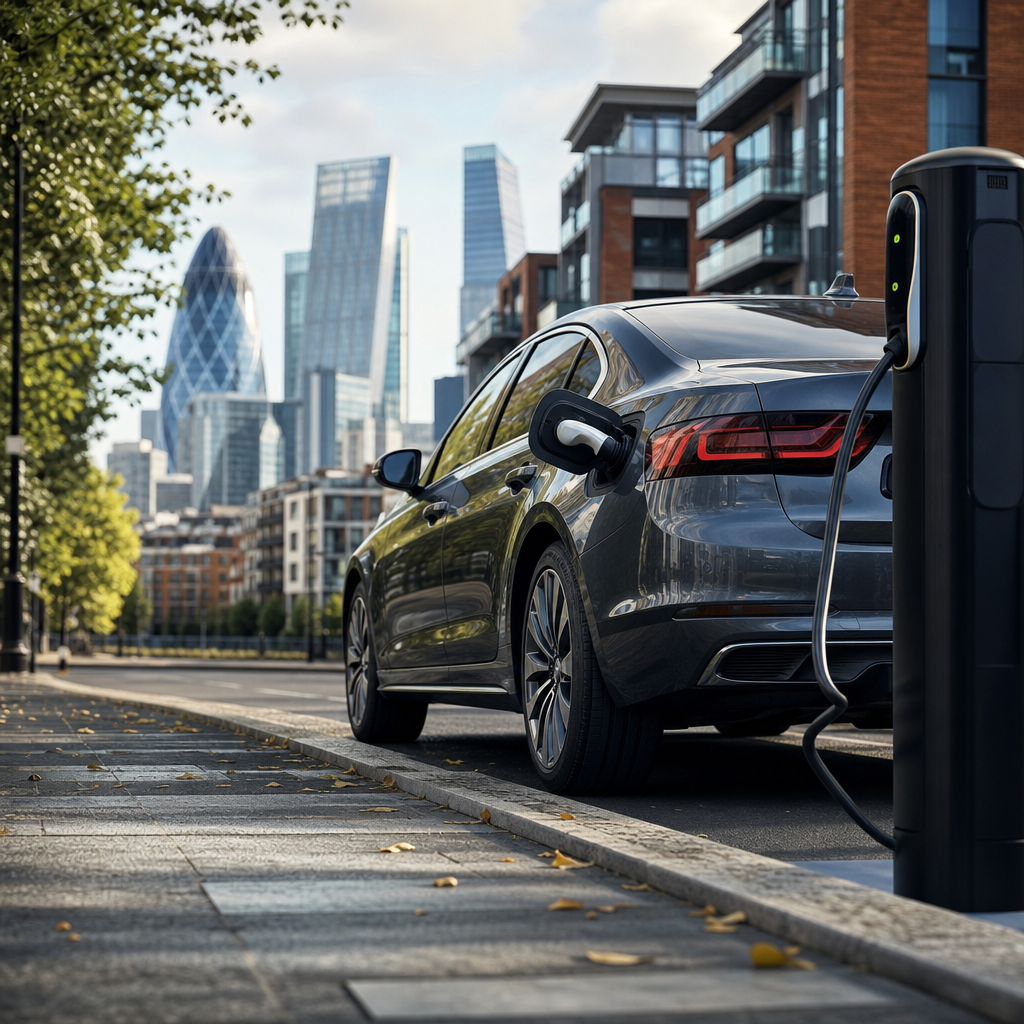
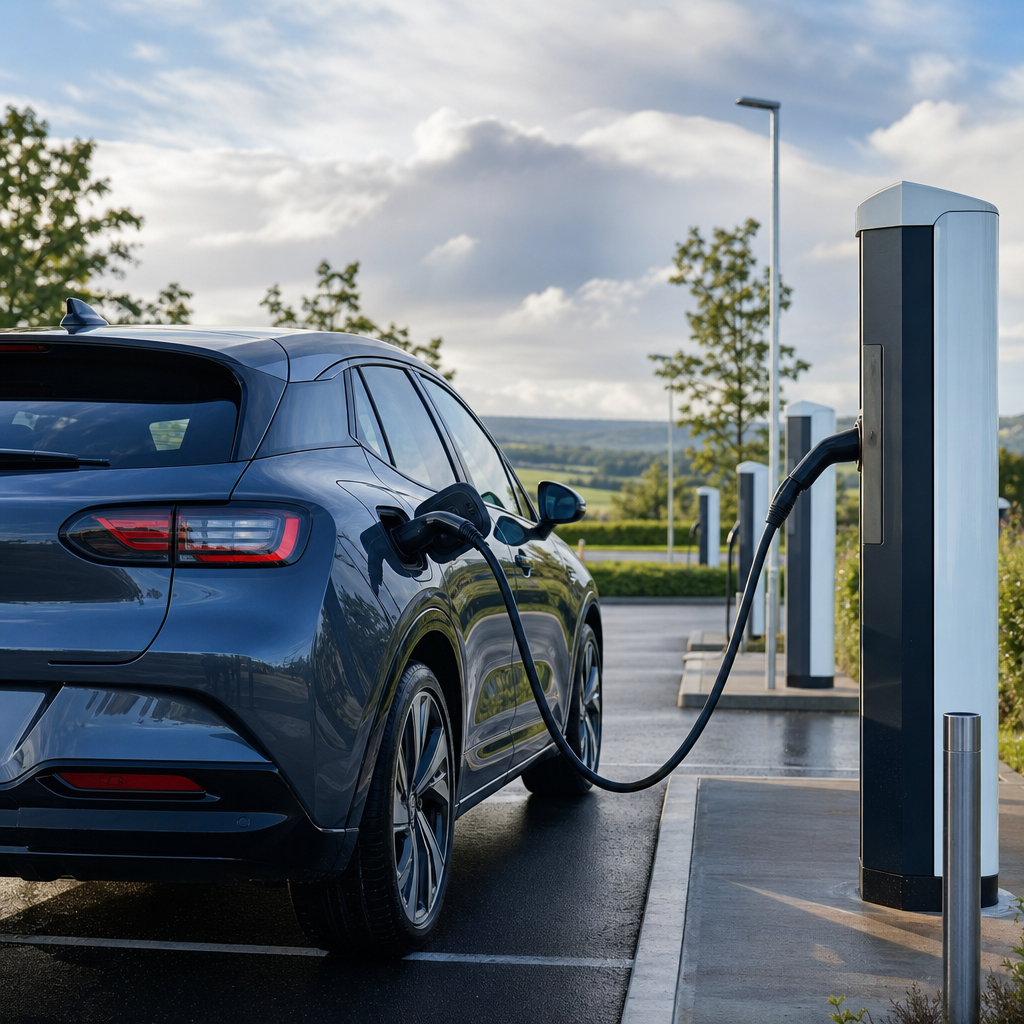
- Fast Chargers (7-22kW AC): Found in supermarkets, car parks. Often 40-55p/kWh.
- Rapid Chargers (50-150kW DC): Motorway service stations, dedicated hubs. Typically 60-80p/kWh.
- Ultra-Rapid Chargers (150kW+ DC): The quickest option. Can exceed 80p/kWh, sometimes £1.00/kWh for peak times/premium locations.
While public charging networks like Gridserve, BP Pulse, Instavolt, and Shell Recharge offer convenience, their pricing means you should view them as supplementary to home charging. Using a rapid charger to top up a 60kWh battery from 20-80% could cost upwards of £28.00-£35.00, still cheaper than an equivalent tank of fuel but significantly more than charging at home off-peak. Smart EV owners prioritise home charging and use public networks strategically.
Maintenance & Servicing: Fewer Moving Parts, Different Costs
One of the often-touted benefits of EVs is lower maintenance costs. While this is largely true, it’s not entirely without nuance.
The Advantages: EVs have significantly fewer moving parts than petrol or diesel cars. This means:
- No oil changes: No engine, no engine oil.
- No spark plugs, fuel filters, exhaust systems, or timing belts to replace.
- Brake longevity: Regenerative braking, where the electric motor slows the car and recaptures energy, means the physical brake pads and discs are used less frequently, extending their lifespan. Many EV owners report brake pad changes being needed far less often than in ICE cars.
- Simpler drivetrain: Single-speed transmissions replace complex gearboxes, reducing potential points of failure and maintenance.
The EV Specifics: While many ICE maintenance items are eliminated, EVs do have their own specific requirements:
- Software updates and diagnostics: Often performed during routine servicing.
- Battery health checks: Monitoring the battery's state of health (SOH) is crucial.
- Tyre wear: Due to the instant torque and often heavier weight of EVs, tyres can wear faster. Many EVs also require specific low-rolling-resistance tyres, which can sometimes be pricier.
- Cabin filters and wiper blades: These consumables remain the same as in ICE cars.
- Coolant for battery thermal management: Some EVs (like the Tesla Model 3 or VW ID.3) use liquid cooling for their batteries, requiring coolant checks or changes at specific intervals, similar to an ICE engine's coolant system.
Overall, the routine servicing costs for an EV tend to be lower than an equivalent ICE vehicle over its lifetime, often by 20-30%. For example, a basic service on a used Nissan Leaf might cost £150-£250, primarily focusing on inspection, tyre rotation, and cabin filter replacement.
Road Tax (VED) & Congestion Charge Exemptions
This is an area where used EVs currently offer very tangible and significant savings, although future changes are on the horizon.
Vehicle Excise Duty (VED) - Road Tax:
- Current Exemption: Pure electric vehicles are currently 100% exempt from Vehicle Excise Duty (road tax) in the UK. This is a massive saving, particularly for cars that would otherwise attract the 'expensive car supplement' (an additional £390 per year for five years for cars with a list price over £40,000 when new).
- Example: A used Tesla Model 3, which would have incurred the £390 supplement plus the standard rate if it were an ICE car, currently pays £0 road tax.
- Future Changes (from April 2025): From April 2025, EVs will no longer be exempt. They will pay:
- The standard rate (currently £190) from 2025/26 onwards.
- The 'expensive car supplement' (currently £390) for five years if their original list price was over £40,000, starting from the second year of registration. This means purchasing a used EV before April 2025 allows you to enjoy several years of free road tax before the new rules apply.
Congestion and Clean Air Zone Charges:
- London Congestion Charge: Pure EVs are currently 100% exempt from the daily £15 London Congestion Charge under the Cleaner Vehicle Discount, but this exemption will end on 25 December 2025.
- London ULEZ (Ultra Low Emission Zone): EVs are fully exempt from the £12.50 daily ULEZ charge. This exemption is not currently slated to change.
- Other Clean Air Zones (CAZ): Across the UK (e.g., Birmingham, Bristol, Glasgow), EVs are universally exempt from CAZ charges, which can save daily fees of £8-£60 depending on the zone.
These exemptions represent substantial annual savings for drivers in or near urban areas, making a used EV a particularly attractive proposition for city dwellers.
Navigating EV Insurance Considerations & Potential Premiums
Historically, EV insurance premiums have been a point of contention, often perceived as significantly higher than for equivalent ICE vehicles. While this perception has some roots in reality, the market is maturing, and premiums are becoming more competitive.
Reasons for Potential Higher Premiums:
- Higher Purchase Price: Even used, EVs often retain a higher value than comparable ICE cars, meaning a larger payout for total loss.
- Specialised Repairs: Not all garages are equipped to handle high-voltage EV systems. Repairs can require specialist tools, parts, and trained technicians, potentially increasing costs and repair times.
- Battery Replacement: While rare and usually covered by manufacturer warranty, the cost of a full battery replacement is very high, a factor insurers consider.
- Performance: Many EVs offer instant torque and rapid acceleration, which insurers might view as a higher accident risk, particularly for performance models like certain Teslas.
Factors Influencing Your Premium: Like any car, your EV insurance will depend on:
- Your driving history, age, and postcode.
- The specific EV model (e.g., a used Renault Zoe will likely be cheaper to insure than a used Porsche Taycan).
- Your annual mileage.
- Security measures (e.g., secure overnight parking).
- Choosing an insurer with experience in EVs.
Tips for Finding Affordable EV Insurance:
- Compare Widely: Use comparison sites but also get quotes directly from specialist EV insurers.
- Check Telematics Policies: Some insurers offer 'black box' policies that can reward safe EV driving with lower premiums.
- Highlight Security: Ensure your insurer knows about any home charging setup, alarm systems, or secure parking.
- Don't Assume: Get like-for-like quotes for an EV and an equivalent ICE car. You might be surprised at how close the premiums are becoming.
While EV insurance might still be marginally higher for certain models or drivers, the gap is closing rapidly as the technology becomes mainstream and more repairers gain expertise.
Long-Term Resale Value & Battery Health: A Deeper Look
For used EV buyers, understanding long-term resale value and, crucially, battery health, is paramount. These factors profoundly impact the true cost of ownership.
Resale Value Trends:
- Early Depreciation: Early EVs like the first-generation Nissan Leaf saw significant depreciation as battery technology rapidly improved and range anxieties were higher.
- Stabilisation and Growth: More recent used EVs, particularly those with decent range and rapid charging capabilities (e.g., Tesla Model 3, Hyundai Kona Electric, Kia e-Niro), have shown strong resale values. Demand is high, and the market is maturing.
- Factors: Range, charging speed, software updates (which can enhance functionality), and brand reputation all play a role. An EV that receives over-the-air updates (like Teslas) can maintain a fresher feel and command a better price.
Battery Health (State of Health - SOH): This is arguably the most critical component for any used EV buyer. A battery's SOH indicates its current maximum capacity relative to its original capacity.
- Degradation is Normal: All batteries degrade over time, typically 1-2% per year.
- Manufacturer Warranties: Most EV manufacturers offer extensive warranties on their batteries, commonly 8 years or 100,000 miles (whichever comes first), guaranteeing a certain SOH (e.g., 70% or 75%). This is a vital safety net for used buyers. Always check the remaining warranty on any used EV battery.
- Checking SOH:
- Dealer Diagnostics: A reputable dealership can perform a battery health check and provide a report.
- Third-Party Apps: For some models (e.g., Nissan Leaf), apps like 'Leaf Spy' can give an accurate SOH reading from the OBD-II port.
- On-Board Systems: Some EVs display battery health metrics in their infotainment system.
- Impact on Value: A used EV with excellent battery health (e.g., >90% SOH on a five-year-old car) will be significantly more desirable and command a higher price than one with poorer SOH, as it directly impacts usable range. Buyers should factor potential range reduction into their daily driving needs.
- Thermal Management: EVs with active battery thermal management systems (liquid cooling) tend to experience less degradation than those with passive (air-cooled) systems, as they can maintain optimal operating temperatures.
Investing in a used EV with a strong battery warranty and verifiable SOH data provides peace of mind and protects your investment, ensuring the car meets your range expectations for years to come.
Conclusion
The journey beyond the forecourt for a used EV owner is paved with significant financial benefits, particularly in charging costs, maintenance, and current tax exemptions. While there are specific considerations, such as insurance premiums and the critical importance of battery health, the overall picture points to a compelling case for making the switch.
By understanding the nuances of charging, appreciating the simpler mechanics, and being aware of evolving regulations, you can confidently navigate the used EV market. A well-chosen used electric vehicle offers not just environmental advantages but a genuinely cost-effective and enjoyable motoring experience in the long run. At CarsLink.ai, we encourage you to look beyond the initial price tag and embrace the substantial real-world savings that await you with a used EV.