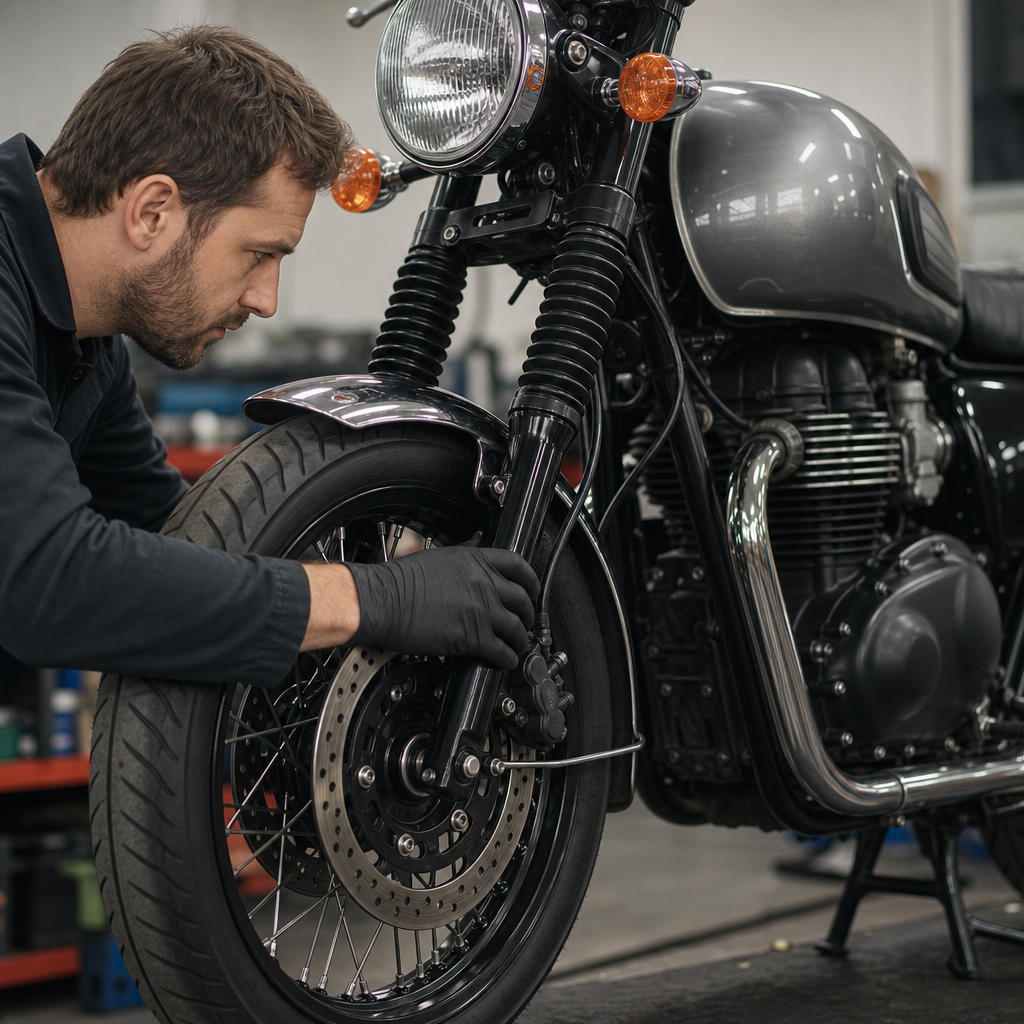
Beyond the Chrome: Essential Suspension Checks for Your Used UK Motorcycle
When you're eyeing up that next two-wheeled marvel on CarsLink.ai, it's easy to get distracted by the gleaming chrome, the powerful engine, or the latest tech. But beneath that alluring exterior lies the unsung hero of your ride: the suspension system. Often overlooked, a motorcycle's suspension – comprising its front forks, rear shocks, and crucial steering head bearings – is paramount for safety, comfort, and indeed, passing its annual MOT.
For UK riders, understanding the health of your bike's suspension isn't just about optimising performance; it's about roadworthiness and peace of mind on our diverse road network. From the smooth motorways to the challenging B-roads, a well-maintained suspension system ensures your tyres stay in contact with the tarmac, absorbing bumps, maintaining stability, and allowing for precise control. Ignoring its condition can lead to a compromised ride, dangerous handling characteristics, and costly repairs down the line. This guide will walk you through the essential checks every used motorcycle buyer or owner in the UK should know.
The Warning Signs: Spotting Worn Forks and Shocks
The first step in assessing your motorcycle's suspension is a thorough visual and tactile inspection for common indicators of wear. Think of it as a preliminary health check before the deep dive.
Front Forks: These are your bike's primary shock absorbers and steering components.
- Oil Leaks: Inspect the fork seals where the chrome stanchions slide into the lower fork legs. Any oil residue, a "golden sheen," or actual drips are a significant red flag. Leaking seals mean reduced damping and potential contamination of your brake pads.
- Stanchion Condition: Run your finger along the polished chrome stanchions. Pitting, rust, or deep scratches – especially in the area where the seals travel – will quickly damage new seals and lead to further leaks. They can also impede smooth operation.
- Excessive Dive/Sponginess: When riding, does the front end "dive" excessively under even light braking, or does it feel unusually soft and floaty over bumps? A front end that lacks control or bounces repeatedly after hitting a pothole indicates worn-out fork oil or internal damper issues.
- Audible Cues: Listen for clunking noises from the front end when riding over uneven surfaces or when braking. This can suggest worn bushes, low fork oil, or even issues with the steering head bearings (which we'll cover next).
- Tyre Wear: Uneven or "scalloped" wear patterns on your front tyre can be a tell-tale sign of poor damping, as the tyre isn't being consistently pressed against the road surface.
Rear Shocks: The rear shock(s) are responsible for absorbing impacts and maintaining rear wheel traction.
- Leaks: Just like the front forks, check the rear shock body for any signs of oil leakage around the shaft. A sticky, oily residue is a clear sign of a failing seal and diminished damping.
- Spring Condition: Inspect the spring for excessive rust, chipped paint, or any signs of physical damage. While not directly a damping issue, a compromised spring won't provide the correct support.
- Bottoming Out/Sponginess: Does the rear wheel feel like it's crashing over speed bumps or potholes, or does the whole rear end feel excessively soft and wallowy in corners? This suggests a lack of damping or a worn-out spring.
- Audible Cues: Squeaks, creaks, or groans from the rear suspension can indicate worn bushes in the shock mounts or swingarm, rather than just the shock itself.
- Tyre Wear: Similar to the front, irregular wear on the rear tyre can point to a shock that isn't keeping the tyre firmly planted.
Hands-On Diagnostics: Testing Damping and Rebound
Once you've done your visual inspection, it's time for some simple, practical tests to gauge the functionality of the dampers. This "bounce test" can reveal a surprising amount about the internal health of your suspension components.
The Front End Bounce Test:
- Preparation: Stand astride the motorcycle, holding the handlebars firmly.
- Execution: Push down firmly and rapidly on the handlebars several times, compressing the front forks. Then, release them.
- Observation:
- Good: The forks should compress smoothly and rebound in a controlled, steady manner, settling quickly with perhaps one or two small, diminishing oscillations. It should feel firm but compliant.
- Bad: If the front end bounces excessively like a pogo stick, rebounds too quickly and sharply, or feels overly stiff and unwilling to move, the damping oil is likely degraded or the internal components are worn. Listen for any clunking noises during compression or rebound.
The Rear End Bounce Test:
- Preparation: With the bike on its side stand, or ideally on a centre stand with the rear wheel still on the ground, stand next to the bike and grasp the rear grab rail or seat.
- Execution: Push down firmly and rapidly on the rear of the motorcycle several times, compressing the rear shock(s). Then, release.
- Observation:
- Good: Similar to the front, the rear should compress smoothly and rebound in a controlled fashion, settling quickly without excessive bouncing.
- Bad: If the rear end bounces repeatedly, feels overly soft, or seems to bottom out easily with a harsh jolt, the rear shock's damping is compromised. Again, listen for any squeaks or creaks.
For bikes with adjustable suspension (compression and rebound damping adjusters), try altering the settings. If making significant changes to the adjusters yields no noticeable difference in the bounce test, it's a strong indicator that the internal damping mechanism is worn beyond its effective range.
Steering Head Bearings: The Foundation of Control
While not strictly part of the "suspension" in the shock-absorbing sense, the steering head bearings are absolutely critical for safe and predictable handling. These bearings allow your front forks and wheel to turn smoothly within the frame. Worn or damaged bearings can lead to vague steering, wobbles, and even dangerous instability.
How to Check Your Steering Head Bearings:
- Lift the Front Wheel: The easiest way to do this is to place the motorcycle on its centre stand and then use a paddock stand or a jack under the engine to lift the front wheel clear of the ground. Alternatively, if you have a front paddock stand, use that.
- The "Rock Test" (Checking for Play):
- Stand in front of the bike.
- Grasp the bottom of the fork legs (just above the front wheel spindle).
- Firmly try to push and pull the forks forward and backward relative to the frame.
- Good: There should be no discernible play, movement, or clunking whatsoever.
- Bad: Any movement, even a tiny amount accompanied by a clunk, indicates loose or worn steering head bearings.
- The "Swing Test" (Checking for Notches/Stiffness):
- With the front wheel still off the ground, gently turn the handlebars slowly from full left lock to full right lock.
- Good: The handlebars should turn smoothly and freely through their entire range of motion, with no stiffness, resistance, or sticky spots.
- Bad: If you feel any "notches," particularly around the straight-ahead position, or any grinding/stiffness, this is a clear sign of damaged (brinelled) bearings. This usually occurs when the ball bearings press dimples into the races due to impacts or overtightening.
On the road, symptoms of bad steering head bearings include vague steering, a tendency for the bike to wander, a 'clunk' when braking hard, or an unsettling wobble (often called a 'tank slapper') at certain speeds or over bumps.
The Ripple Effect: Safety, Ride, and MOT Compliance
Understanding the condition of your motorcycle's suspension extends far beyond merely passing a garage inspection. It fundamentally impacts every aspect of your riding experience.
Ride Quality: A healthy suspension system is the cornerstone of a comfortable ride. It absorbs bumps and undulations, isolating you from harsh road imperfections and significantly reducing rider fatigue on longer journeys. On the flip side, worn suspension will transmit every jolt directly to you, making for a jarring, unpleasant, and unstable experience. It also means the bike will wallow in corners or feel overly twitchy, robbing you of confidence and enjoyment.
Safety: This is where suspension truly earns its keep.
- Braking: Effective braking relies on the front suspension's ability to compress controllably, maintaining tyre contact patch and preventing the front wheel from locking up or losing grip. Worn forks can lead to excessive dive, destabilising the bike under hard braking and reducing stopping power.
- Cornering: In corners, suspension keeps your tyres glued to the road as the bike leans and encounters bumps, allowing for consistent grip and predictable handling. A compromised system can cause the bike to wallow, 'run wide', or even lose traction unpredictably.
- Road Holding: Over uneven surfaces, the suspension’s primary job is to keep both wheels in constant contact with the road, ensuring maximum grip and control. A bouncy, uncontrolled ride means the tyres are frequently losing and regaining traction, a recipe for disaster, especially at speed or in wet conditions.
MOT Compliance: In the UK, a healthy suspension is not just advisable, it's a legal requirement. The MOT test includes specific checks for common suspension faults:
- Excessive play: Any significant play in the front forks, rear shock mounts, or swingarm bushes is an automatic failure. This includes play in the steering head bearings.
- Fluid Leaks: Oil leaking from front forks or rear shocks is a common MOT failure, especially if the fluid is deemed to be contaminating braking surfaces.
- Damage: Bent fork stanchions, damaged springs, or cracked suspension components will also result in a failure.
- Steering Head Bearings: Any roughness, stiffness, or notchiness detected during the lock-to-lock test, or excessive play in the rock test, will lead to an MOT failure.
A bike with failing suspension isn't just uncomfortable; it's a dangerous machine that poses a risk to both the rider and other road users.
Conclusion
Don't let the crucial components beneath the surface go unchecked. By taking the time to perform these essential suspension and steering head bearing checks, you'll gain invaluable insight into the true condition of any used motorcycle you're considering, or the current health of your own. While some minor issues might be simple fixes, significant wear can point to expensive repairs or underlying problems that render a bike unsafe.
A healthy suspension system guarantees a more comfortable, predictable, and ultimately safer riding experience, ensuring your motorcycle is not only MOT compliant but truly roadworthy. If you're ever in doubt, or if your checks reveal issues beyond your comfort level, don't hesitate to seek the expertise of a professional motorcycle mechanic. Investing a little time in these checks now can save you a lot of money, hassle, and potentially worse, down the line. Ride safe!