Beyond Range Anxiety: Your UK Guide to Assessing Used EV Charging Port Health
For many prospective electric vehicle (EV) owners in the UK, "range anxiety" is a familiar concern. How far will it go? Is the battery healthy? These are crucial questions, but as the used EV market matures, savvy buyers need to look beyond just the battery pack. A critical, yet often overlooked, component is the charging port – your car’s vital link to the power grid. A healthy charging port is fundamental to a reliable and stress-free EV ownership experience.
Imagine purchasing a fantastic used EV, only to discover it won't reliably charge at home, let alone rapid charge on a motorway services stop. This can quickly turn the dream of emission-free driving into a logistical nightmare. This CarsLink.ai guide will equip you with the knowledge and practical steps to thoroughly assess the health of a used EV’s charging port, ensuring your next electric purchase is a genuinely sound investment.
1. Common Charging Port Issues in Used EVs
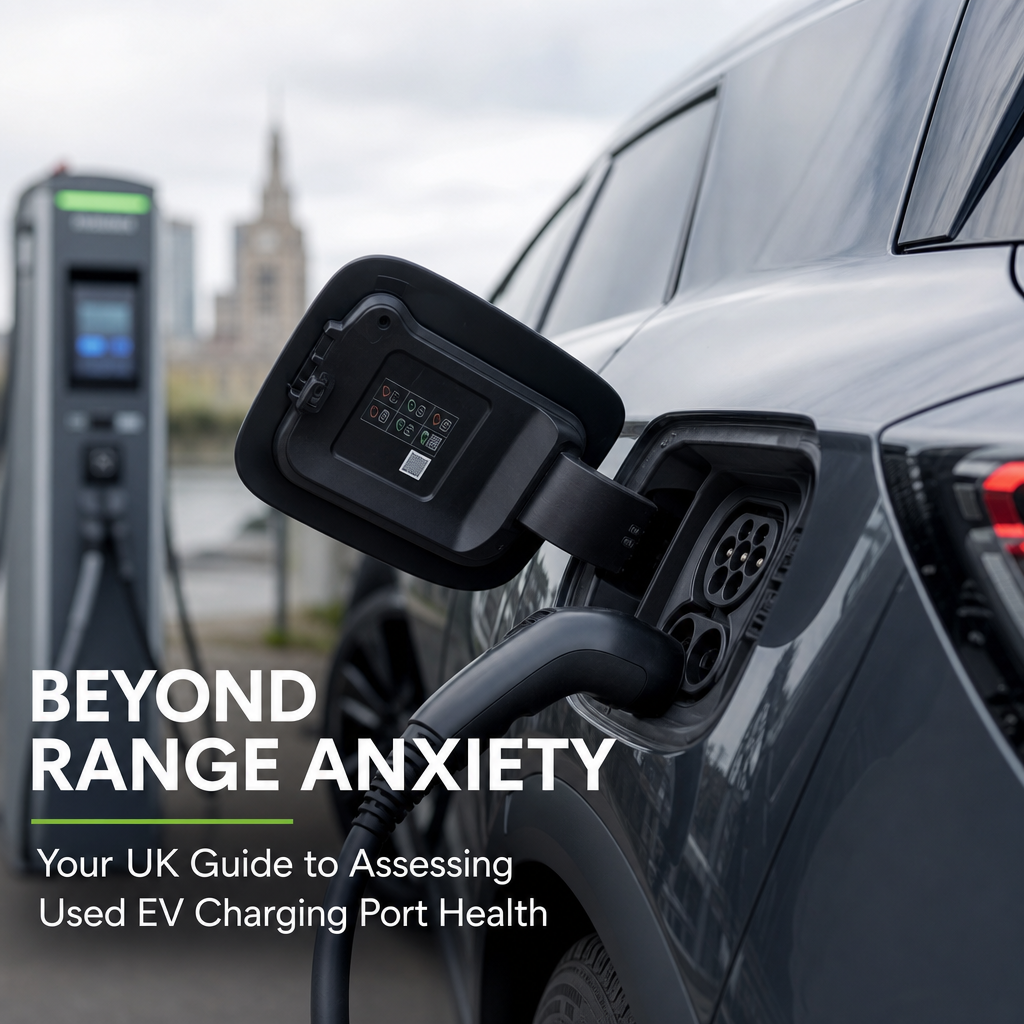
The charging port isn't just a simple socket; it's a sophisticated interface that handles high power delivery and complex communication protocols. Over time and with frequent use, these components can suffer from a range of issues.
- Wear and Tear: The most common culprit. Every time a charging cable is plugged in and unplugged, there's mechanical stress on the port’s internal pins and locking mechanism. Over thousands of cycles, pins can bend, become loose, or even break. For instance, the multi-pin Type 2 socket, standard across most modern European EVs, or the more complex CCS (Combined Charging System) ports that integrate both AC and DC charging, are particularly susceptible. The locking mechanism, which secures the cable during charging (common on Tesla models and many others), can also degrade, leading to insecure connections or difficulty releasing the cable.
- Corrosion: Our unpredictable UK weather can be unforgiving. Exposure to rain, humidity, and road salt can lead to corrosion on the metallic pins within the charging port, especially if the protective flap or internal seals are compromised. This oxidation impedes electrical contact, leading to slower charging speeds, intermittent connections, or in severe cases, overheating during charging. You might spot a tell-tale green or blue powdery residue on the pins.
- Connection Problems and Software Glitches: Not all issues are purely physical. Sometimes, the problem lies with the car's internal electronics that manage the charging process or communicate with the charger. This can manifest as intermittent "charger fault" messages on the dashboard, failure to initiate charging, or even incompatibility with certain public charging stations due to communication protocol mismatches (e.g., issues with ISO 15118 for DC charging).
- Physical Damage: Accidental impacts are a real risk. Reversing into a static charging post, dropping a heavy cable onto the open port, or even minor vandalism can crack the plastic housing, damage the internal socket, or break the protective flap and its hinges. Such damage can compromise the port's weather sealing, inviting further issues.
2. The Practical Inspection: Visuals and a Test Charge
A thorough pre-purchase assessment goes beyond a quick glance. It involves a detailed visual inspection followed by the most crucial step: a live test charge.
Pre-Purchase Visual Check:
- Examine the Flap/Cover: Does it open smoothly and close securely? Check the hinges for cracks or stiffness. Critically, ensure the rubber or plastic seal around the edge of the flap is intact and flexible, as this prevents water ingress when closed. Look for any signs of impact or forced entry.
- Inspect the Housing: Check the plastic or metal surround of the charging port for any cracks, chips, scuffs, or discoloration. These could indicate impact damage or prolonged exposure to harsh elements.
- Peer Inside the Socket (Use a Torch!):
- Pins: This is the most critical part. With a bright torch, carefully examine every pin within the Type 2 (AC) and CCS/CHAdeMO (DC) sockets. Are they perfectly straight, clean, and free from any discolouration? Bent, recessed, or discoloured pins are significant red flags.
- Corrosion: Look for any green, blue, or white powdery residue on the pins or surrounding plastic. This is a clear sign of corrosion.
- Debris: Ensure there's no foreign matter, grit, or dirt lodged inside the port that could prevent a cable from seating correctly or cause a short.
- Plastic Guides: Check that the plastic guides and keying mechanisms within the port are intact and not worn down. These ensure the cable plugs in correctly.
The Essential Test Charge:
This step is non-negotiable. Always aim to test both AC and DC charging if the car supports both.
AC Home Charging (Type 2):
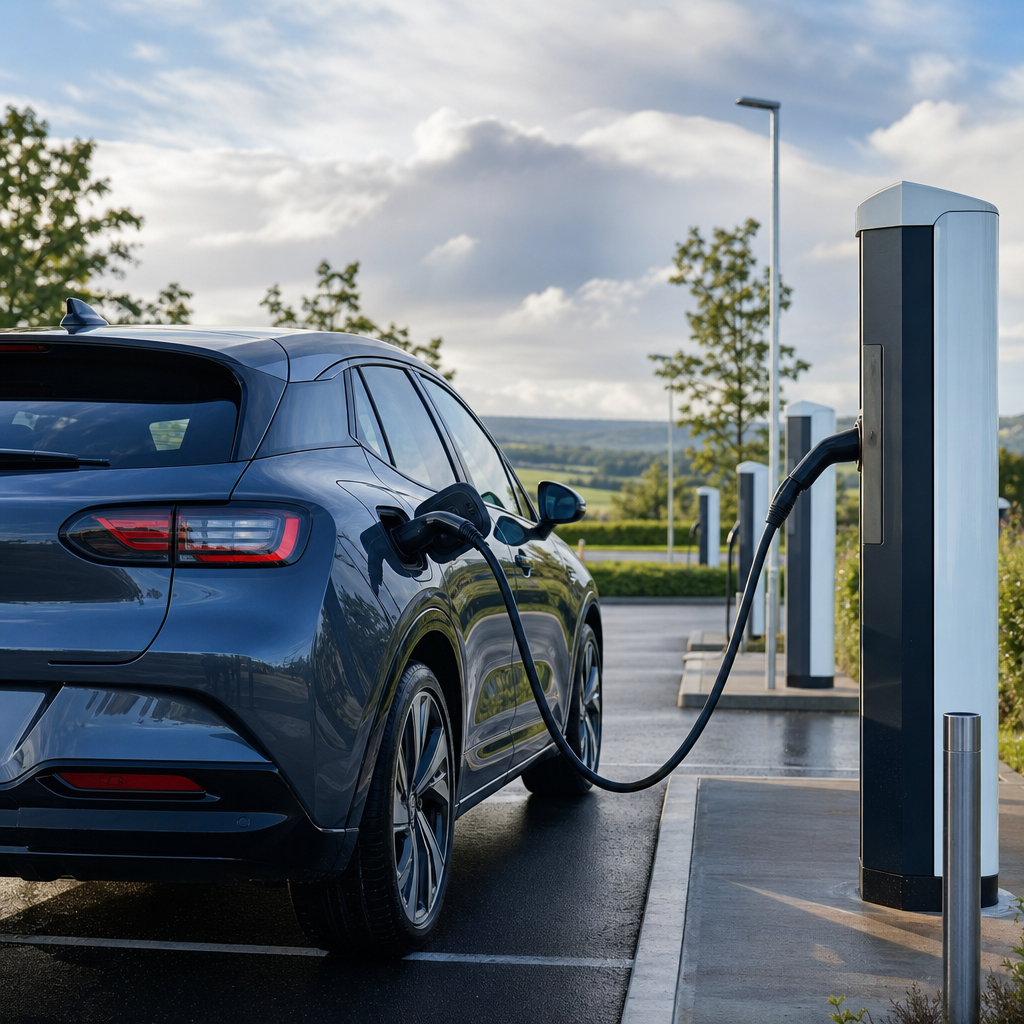
- If possible, use a standard Type 2 cable (e.g., from a home wallbox or public AC charger) and plug it into the car.
- Connection: Does the cable connect smoothly and securely? Is there any excessive wobble once inserted? It should feel snug and stable.
- Initiation: Does the car immediately recognise the connection and display a charging status on the dashboard? Listen for any unusual clicking or buzzing.
- Monitoring: Does the car display a steady charging rate (e.g., 7kW, 11kW, 22kW depending on the car's capability and charger)? Are there any error messages? Allow it to charge for at least 10-15 minutes to confirm stability.
- Locking Mechanism: Does the cable lock securely into place during charging, and does it release cleanly when you unlock the car? A malfunctioning locking mechanism is a safety and security concern.
DC Rapid Charging (CCS/CHAdeMO):
- This is paramount for long-distance driving. Head to a reputable public rapid charger (e.g., Gridserve, Instavolt, Osprey).
- Connection: Plug in the rapid charging cable. Does it latch securely and feel stable?
- Initiation: Does the car and charger promptly initiate the charging session without errors?
- Speed: Monitor the charging speed displayed on the car’s dashboard and the charger screen. Does it ramp up to an expected level for the car's capabilities, considering its State of Charge (SoC) and ambient temperature? (Rapid charging is slower at very high or very low SoCs).
- Heat: Briefly and cautiously feel the charging cable near the port during charging (some warmth is normal, but excessive heat could indicate resistance/problem).
3. Understanding Charging Speeds and Potential Diagnostics
Knowing what to expect from a healthy charging port is key to identifying issues.
- Know Your Car's Limits: Research the specific EV model's maximum AC and DC charging rates (e.g., a Nissan Leaf might be 6.6kW AC and 50kW CHAdeMO, while a Tesla Model 3 could be 11kW AC and 250kW+ CCS).
- Factors Affecting Speed: Remember that the actual charging speed will fluctuate based on the battery's State of Charge (SoC), its temperature, and the ambient temperature. A lower SoC (e.g., 20-50%) and optimal battery temperature will typically yield the fastest rapid charging speeds.
- Red Flags During Charging:
- If a car capable of 100kW DC charging is consistently pulling only 20-30kW on a powerful charger, with a low SoC and moderate temperature, it's a significant cause for concern.
- Intermittent charging (starting, stopping, and restarting repeatedly) points directly to a connection or communication issue.
- Consistent "charging fault" or "connection error" messages on the car or charger screen are undeniable signs of a problem.
- Diagnostic Tools: While private buyers typically won't have specialist EV diagnostic tools, a reputable main dealer or independent EV specialist can connect to the car's OBD-II port. They can read fault codes specifically related to the charging system and power electronics, which might reveal issues not immediately obvious during a visual check. If you're seriously considering a car and have doubts, a pre-purchase inspection by an EV specialist is a worthwhile investment.
4. The Cost of Connectivity: Charging Port Repair Implications
A faulty charging port can be an expensive fix, making its early detection crucial for budget protection. The complexity arises because the port isn't just a simple socket; it's often integrated with the car's sophisticated power electronics and communication modules.
Why Repairs Can Be Pricey:
- Labour Costs: Accessing the charging port often requires significant disassembly, such as removing the rear bumper, inner wheel arches, or even parts of the boot liner. This means several hours of specialist labour at main dealer rates (typically £100-£200 per hour).
- Specialist Parts: OEM (Original Equipment Manufacturer) charging port assemblies are often proprietary and can be costly. They include not just the physical socket but also complex wiring harnesses, sensors, and sometimes integrated control units.
- Calibration/Software: After replacement, the new component may need calibration or software updates to ensure seamless integration with the car's other systems.
Typical Repair Scenarios and UK Cost Estimates:
- Minor Issues (e.g., broken flap, damaged weather seal): These are the least expensive fixes, potentially ranging from £100-£300 for parts and labour, depending on the model.
- Damaged Type 2 Pins/Socket (AC charging only): If only the AC-specific pins or the Type 2 socket itself is damaged, it might be repairable, but often requires replacing the entire Type 2 module. Expect costs in the region of £300-£800.
- CCS/CHAdeMO Port Replacement (DC rapid charging): This is where costs escalate significantly. These ports are far more complex, handling much higher power and intricate digital communication. Replacement often involves a combined AC/DC charging port assembly, which can be an integrated unit. Depending on the car model and the specific parts involved, costs can range from £800 to over £2,500. For example, a full CCS port replacement on a common EV like a Hyundai Kona or a Polestar 2 could easily approach or exceed the £1,500 mark once labour is factored in. Premium brands could be even higher.
Impact on Value and Negotiation: A used EV with a known or suspected charging port issue should prompt significant negotiation on price. Factor in the potential repair cost before agreeing to a purchase. If undetected, this hidden expense could quickly outweigh any perceived savings on the purchase price, leading to frustration and unexpected bills down the line. Always check if the car is still under the manufacturer's general warranty, or any used car warranty, though physical damage is rarely covered.
Conclusion
While range anxiety remains a hot topic, overlooking the health of an EV's charging port is a common mistake that can lead to equally significant headaches for used car buyers. The charging port is the gateway to your electric vehicle's utility, and its proper function is as vital as the battery itself.
By conducting a thorough visual inspection and, most importantly, carrying out a comprehensive test charge on both AC and DC networks, you empower yourself with the knowledge to make an informed decision. Don't let the excitement of a new EV cloud your judgment. A few minutes spent meticulously checking the charging port could save you hundreds, if not thousands, of pounds and countless hours of frustration down the line.
For your next electric adventure, head over to CarsLink.ai to browse a wide selection of used EVs across the UK. And remember: inspect thoroughly, charge confidently, and enjoy the open road!