Beyond Range Anxiety: Practical Tips for Longer Journeys in Your Used UK EV
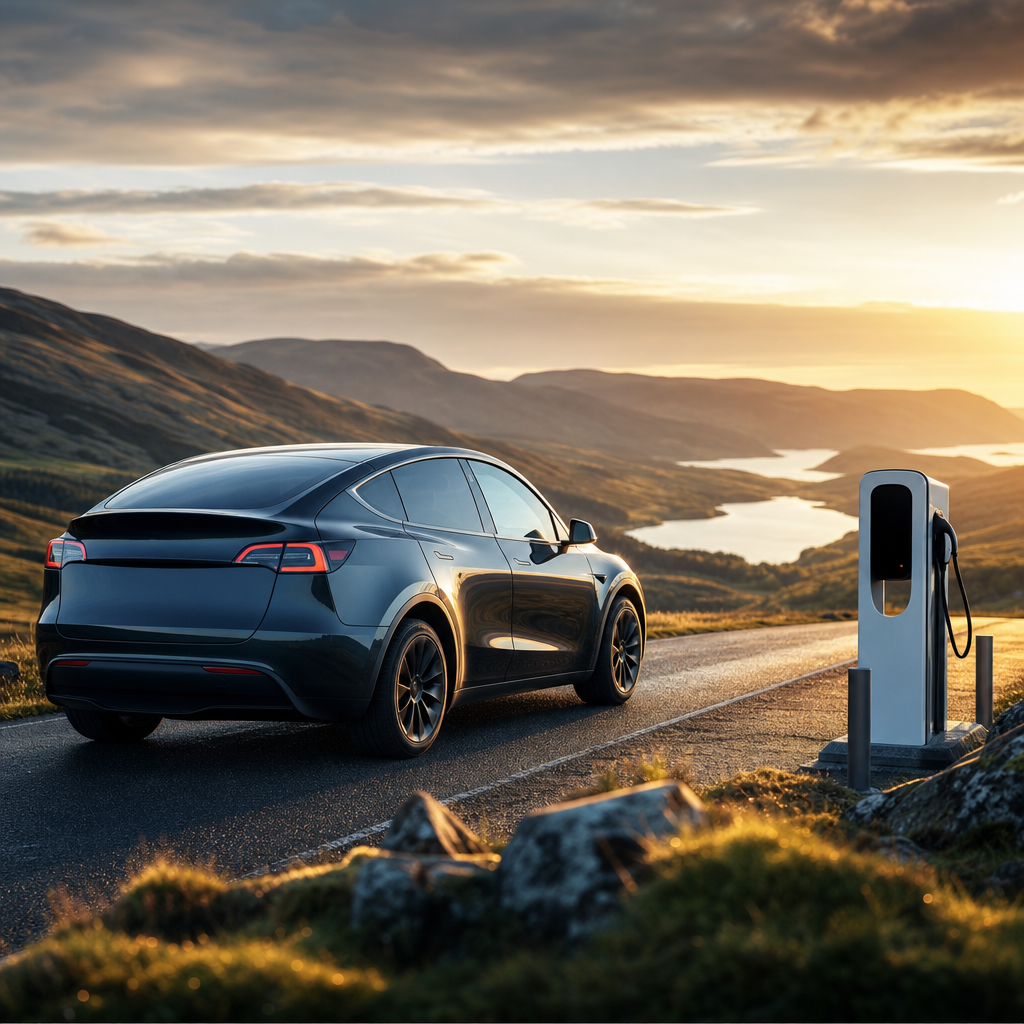
The UK’s automotive landscape is rapidly electrifying, and with the surge in new EV sales comes a vibrant and growing market for used electric vehicles. For many, a used EV from CarsLink.ai offers an accessible entry point into the world of electric motoring, delivering all the benefits of silent, smooth, and emissions-free driving without the premium price tag. However, a common hurdle for new and prospective EV owners is "range anxiety" – the worry of running out of charge on a longer trip.
While it’s a valid concern, particularly for those accustomed to the ubiquitous petrol station, we're here to tell you that long journeys in a used EV are not only perfectly feasible but can be surprisingly stress-free with a little preparation and a change in mindset. Gone are the days of guessing; today’s infrastructure and smart tools make planning straightforward. This guide will equip you with practical tips to confidently tackle those longer drives in your used UK EV.
Pre-Trip Planning: Your Digital Co-Pilot for Seamless Journeys
The key to banishing range anxiety is proactive planning. Think of it not as a chore, but as an exciting new ritual that empowers you to discover new places and enjoy your journey more.
Start by downloading essential charging apps like Zap-Map and PlugShare. These are your eyes and ears on the charging network, offering real-time availability, charging speeds (rapid DC, fast AC, slow AC), connector types (CCS, Type 2, CHAdeMO), and crucial user reviews. A quick check can tell you if a charger is often busy, out of order, or if previous users have left helpful tips. A Better Routeplanner (ABRP) is another fantastic tool, allowing you to input your specific EV model, estimated battery degradation, and even your driving style to calculate an optimal route with charging stops.
While newer EVs boast sophisticated in-car navigation that integrates charging stops, if you’ve opted for an older used model, relying solely on its internal system might not be enough. Always cross-reference with your apps. When plotting your route, don’t aim to arrive at a charger with zero range. Build in a buffer – ideally, plan to reach your next charging stop with at least 15-20% battery remaining. This safety net accounts for unexpected diversions, charger queues, or minor miscalculations.
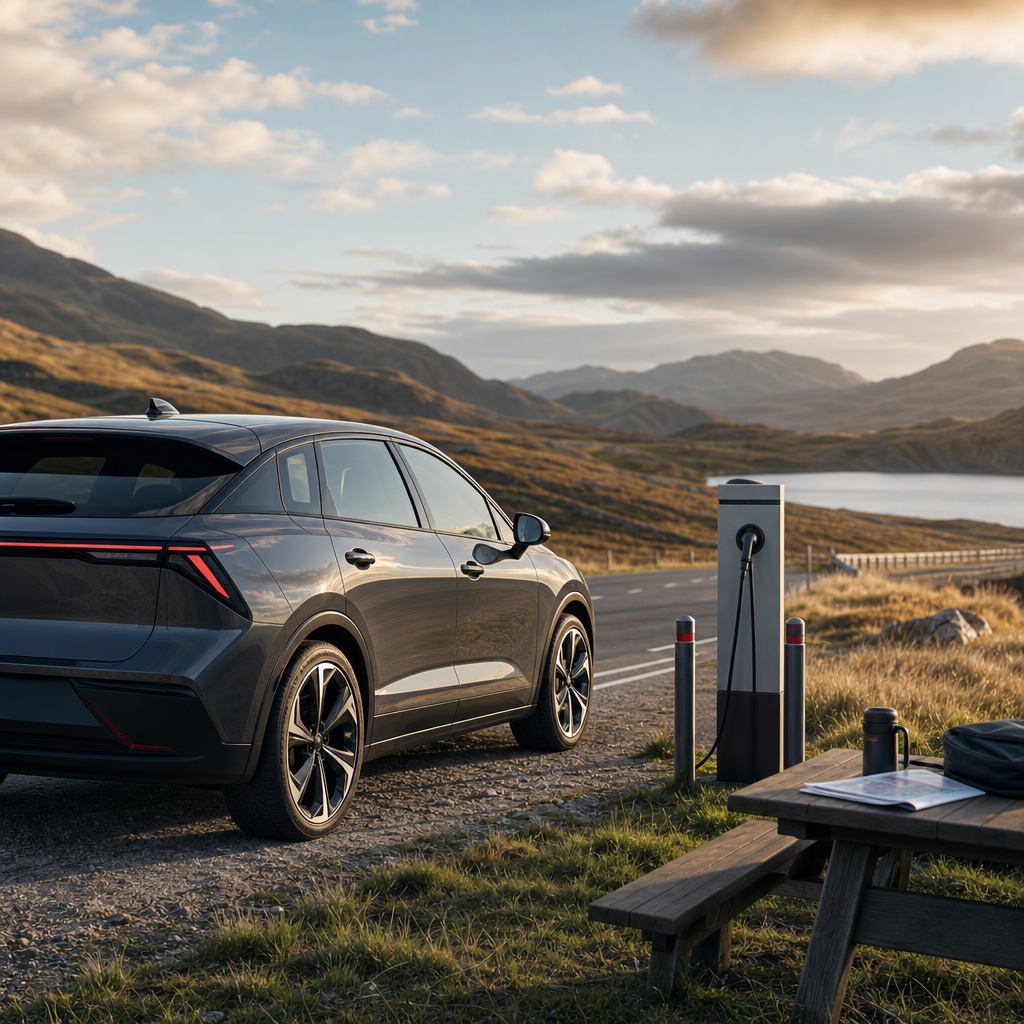
Consider your charging strategy. Will you primarily use rapid chargers (typically 50kW-350kW DC) for quick top-ups on motorways, or will you opt for slower, often cheaper destination charging at hotels, supermarkets, or public car parks where you can charge while you go about your business? Having multiple payment methods on hand, such as RFID cards from popular networks (BP Pulse, Shell Recharge, GeniePoint) and apps (e.g., Electroverse), is also wise. Contactless bank card payment is becoming more widespread, but it’s not universal yet.
Mastering Efficiency: Drive Smarter, Not Harder
Once your route is planned, optimising your driving style is the next step to maximise your used EV's range. Small changes can make a significant difference, especially on longer journeys.
Regenerative braking is your best friend. Most EVs offer adjustable regeneration levels, often controlled via paddles on the steering wheel or through the infotainment system. Higher regeneration settings allow for "one-pedal driving," where lifting off the accelerator slows the car significantly, recovering kinetic energy back into the battery. It takes a little getting used to, but mastering this technique drastically reduces energy consumption and even saves wear on your friction brakes.
Your speed is arguably the biggest determinant of range on the motorway. Aerodynamic drag increases exponentially with speed, meaning cruising at 70 mph uses considerably more energy than at 60 mph. On longer trips, dropping your cruising speed by just 5-10 mph can yield a surprising increase in available range. Use cruise control where appropriate to maintain a steady, efficient speed and avoid wasteful acceleration and deceleration cycles.
Climate control is another significant energy consumer. Pre-condition your cabin while still plugged in at home; this uses grid electricity rather than your battery to heat or cool the interior to your desired temperature before you set off. Once on the road, use economy modes for heating/cooling, and if your car has them, heated seats and steering wheels are often more energy-efficient for keeping occupants warm than blasting the cabin heater. Also, don't overlook basics like ensuring your tyre pressures are correctly set – underinflated tyres increase rolling resistance and reduce range.
Navigating Public Charging: Etiquette & Troubleshooting
Using public chargers is generally a straightforward affair, but understanding some basic etiquette and troubleshooting tips will make the experience smoother for everyone.
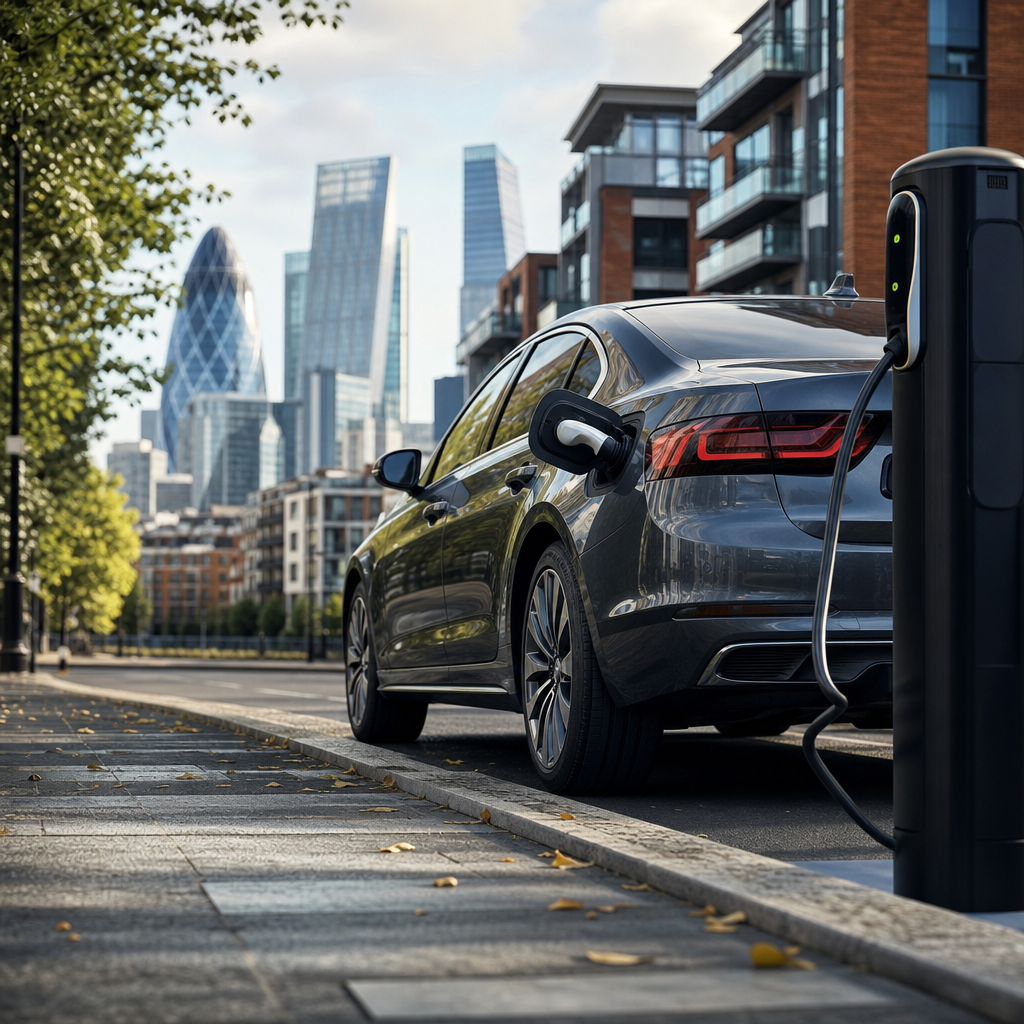
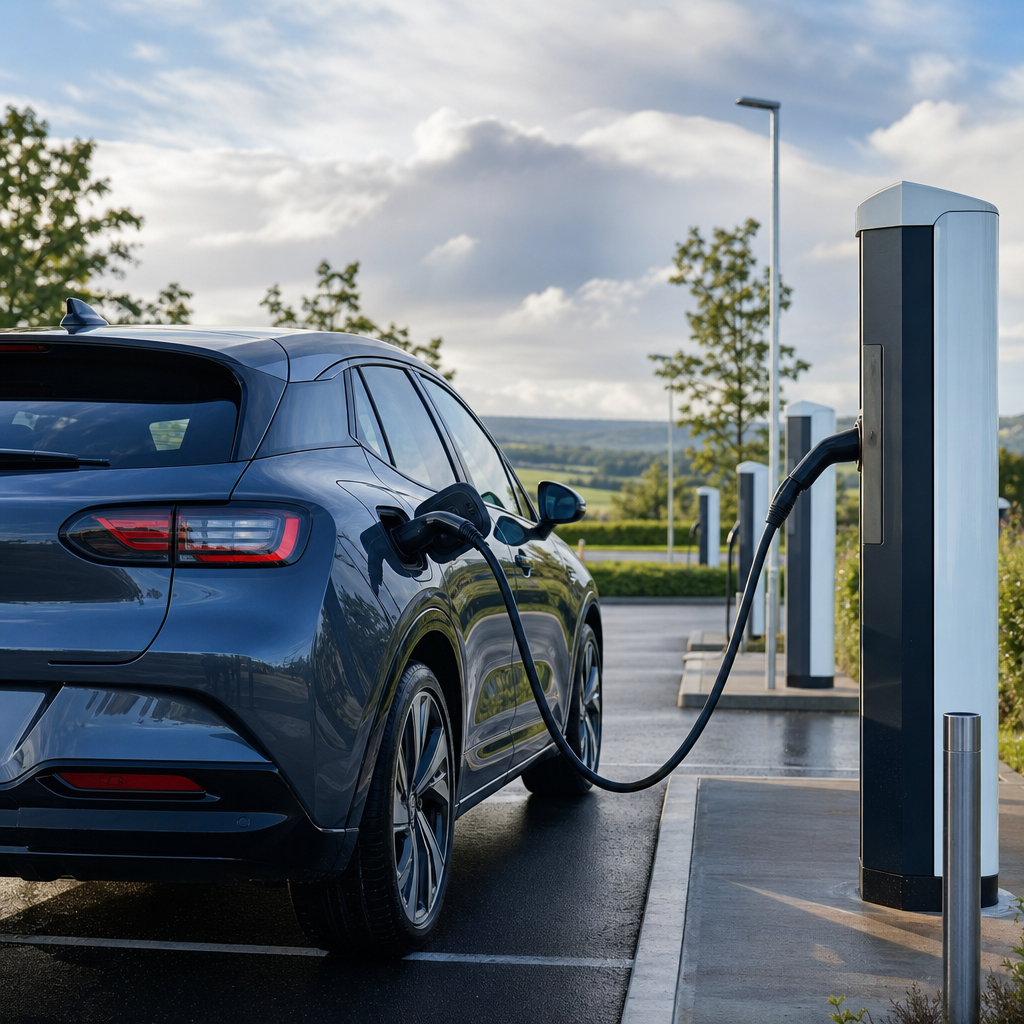
Charging etiquette is simple common sense. Firstly, don't overstay your welcome, especially on rapid chargers. These are designed for quick top-ups, not overnight parking. Once your car is charged to the desired level (typically 80% on rapids to maintain battery health and speed), move it promptly so others can charge. Secondly, keep the area tidy: coil cables neatly and ensure you're not blocking other bays or access points. If you encounter another EV driver who seems to be in an urgent situation, a polite conversation can often resolve things amicably. Finally, if you spot a faulty charger, report it immediately to the network's helpline – it helps everyone.
Common issues can sometimes arise, but most are easily resolved.
- "ICEing": This is when an Internal Combustion Engine (petrol/diesel) car parks in an EV charging bay. Report this to the car park management or, if in a supermarket, to customer service.
- Faulty charger: Check user reviews on Zap-Map or PlugShare for recent reports. If it’s genuinely faulty, try another charger nearby. Sometimes, simply unplugging and replugging your car can reset the charger. If not, call the helpline number displayed on the unit.
- Payment problems: If your RFID card or app isn’t working, try another payment method or a different network. Sometimes the card reader can be temperamental.
- Cable stuck: Don't force it. Ensure your car is unlocked (a quick press of the unlock button on your key fob often helps), or check your car's infotainment system for a manual release option.
Most "charger anxiety" comes from the fear of unavailability or breakdown. Mitigate this by planning alternative chargers and having multiple network accounts or payment methods ready.
Emergency Backup Strategies & What If You Run Low?
Despite the best planning, sometimes things don't go exactly to plan. Knowing your options when your battery runs low can turn a potential crisis into a minor inconvenience.
Firstly, always aim to arrive at your planned charging stop with a comfortable buffer, ideally 10-20% battery remaining. This gives you leeway if the charger is occupied, faulty, or if you need to drive slightly further to another one.
If you find yourself genuinely running very low, your EV will enter a "limp home" or "turtle" mode, significantly reducing power output and restricting features to conserve energy. At this point, turn off all non-essential electrical consumers: air conditioning/heating, heated seats, radio, and even the infotainment screen if possible. Reduce your speed dramatically, stick to lower-speed roads if viable, and activate any "Eco" or "Range" modes your vehicle might have.
This is where your roadside assistance cover becomes absolutely critical. Ensure your policy includes EV-specific services. Reputable breakdown providers like the AA and RAC now offer dedicated services for EVs, which often include flatbed recovery to the nearest working charger or, in some cases, a mobile charging unit that can give you enough power to reach a rapid charger. Crucially, you cannot simply carry a can of electricity for an EV like you would a fuel can for a petrol car. So, robust breakdown cover is non-negotiable for EV owners embarking on longer trips.
In a true emergency, apps like Zap-Map can sometimes show locations of standard 3-pin plug sockets at public places or businesses. Asking politely for a few hours of slow charging can be a lifesaver, though it will be very slow (typically 3kW, adding about 10 miles of range per hour).
Conclusion
Longer journeys in your used UK EV are no longer a leap of faith but a well-managed experience. By embracing digital planning tools, adopting an efficient driving style, understanding public charging etiquette, and having a solid backup plan, you can confidently traverse the country. The initial apprehension quickly gives way to the serene, powerful, and cost-effective reality of electric motoring. So, shed that range anxiety, plan your route, and enjoy the quiet revolution on the open road. Your used EV is ready for the adventure – and so are you.