Beat the Rust: Protecting Your Used UK Car from Corrosion
For many of us, a used car represents a sensible, affordable, and often cherished mode of transport. However, there's one pervasive enemy that silently works to undermine our automotive investments, especially here in the UK: rust. The combination of our damp climate, often salty winter roads, and the general wear and tear of daily driving creates a perfect storm for corrosion to take hold.
Rust isn't just an aesthetic blight; it can compromise your vehicle's structural integrity, affect its safety, and significantly reduce its resale value. But don't despair! With a little vigilance and proactive maintenance, you can effectively beat the rust and extend the life of your used car for many years to come. This guide from CarsLink.ai will equip you with the knowledge to identify, prevent, and treat this common automotive ailment.
Identifying the Enemy: Common Rust Hotspots on UK Vehicles
Before you can tackle rust, you need to know where to look. While rust can theoretically appear anywhere, certain areas on a car are particularly vulnerable due to their exposure, design, or propensity to trap moisture and road grime. These are the hotspots you need to regularly inspect:
- Wheel Arches: These are perhaps the most common starting points for rust. Constantly bombarded by road spray, grit, and corrosive road salt, stone chips easily expose bare metal, allowing rust to take hold. Pay close attention to both the outer lip and the inner arch where mud and moisture can accumulate.
- Sills (Rocker Panels): Located along the bottom edge of the doors, sills are low-lying, prone to scrapes from kerbs or speed bumps, and can trap moisture and dirt. Their internal box sections are often poorly protected from the factory and can rust from the inside out, making detection difficult until it’s too late.
- Underbody and Chassis: This is where the car meets the road, and thus, it's constantly exposed to everything thrown up by the tyres – salt, water, mud, and gravel. Critical areas include chassis rails, subframes, suspension mounting points, and the exhaust system. Brake lines and fuel lines, often made of steel, are particularly vulnerable and can become dangerous if severely corroded.
- Boot Floor and Spare Wheel Well: Moisture can find its way into the boot through failing seals around the boot lid or rear lights. Once inside, it can condense or pool in the spare wheel well, leading to hidden corrosion that often goes unnoticed until the smell of damp or a surprising hole appears.
- Door Bottoms and Seams: Water ingress or condensation within door panels can cause rust to appear along the bottom edges, especially where the inner and outer skins meet. Check the drain holes along the bottom of the doors to ensure they aren't blocked.
- Bonnet and Boot Lid Edges: Stone chips frequently damage the paint on the leading edge of the bonnet, creating entry points for rust. Similarly, moisture can pool along the bottom edges of the boot lid, leading to bubbling paint.
- Suspension Components: Wishbones, coil springs, shock absorber mounts, and anti-roll bar linkages are all susceptible to surface rust, which can eventually weaken them or lead to failure.
Older vehicles, particularly those from certain eras (e.g., pre-2000 Japanese cars or 1990s Fords and Vauxhalls, which sometimes struggled with rust prevention), may show these issues more prominently. However, even modern cars are not entirely immune, especially if they've led a hard life or been neglected.
Your DIY Rust Patrol: Early Detection and Prevention
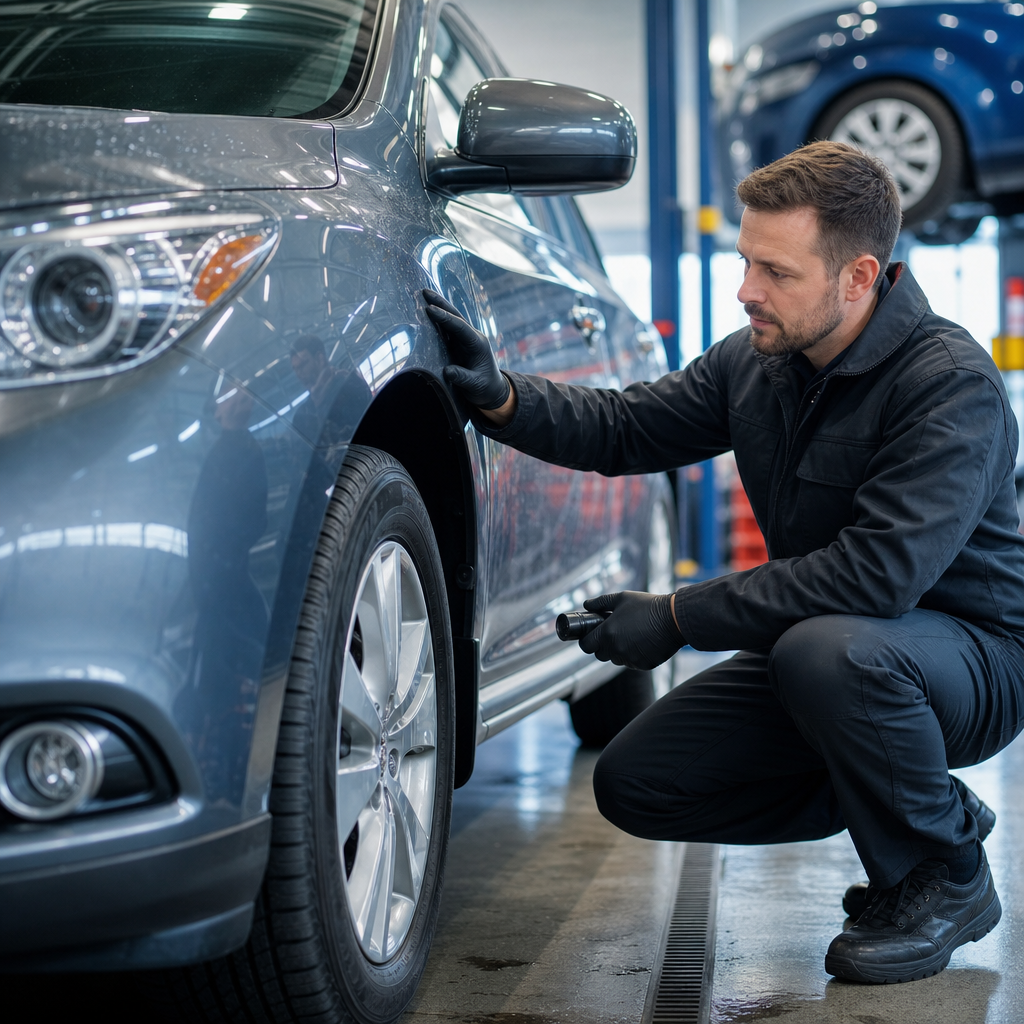
The key to beating rust is early detection. Make it a routine to inspect your car, especially after winter or a long period of damp weather. You don't need specialist equipment; a keen eye and a torch are often all it takes.
- Regular Visual Inspections: After washing your car (ideally on a dry day, in good light), take a good look. Scan all the common hotspots mentioned above. Look for:
- Bubbling paint: This often indicates rust forming underneath.
- Discolouration: Brown or orange stains.
- Flaking paint or metal: A clear sign of active corrosion.
- Small chips or scratches: These are future rust sites if not addressed.
- Get Low and Get Dirty: Grab an old mat or cardboard and lie down to inspect the sills and underbody. Use your torch to illuminate hidden areas. Pay attention to the areas around suspension components and where pipes and wires run.
- Open Up and Look Inside:
- Door Sills and Jambs: Open all doors, the bonnet, and the boot. Inspect the inner edges and sills for any signs of rust or trapped moisture.
- Boot Carpet: Lift the carpet in the boot and check the spare wheel well (if fitted) and the entire boot floor for dampness, stains, or rust.
- Behind Wheel Arch Liners: If you can safely pull back or remove plastic wheel arch liners, do so. This often reveals a surprising amount of trapped mud, leaves, and moisture that sits directly against the metalwork.
- The "Tap" Test: Gently tap suspect areas with a small, blunt object (like the handle of a screwdriver). Solid metal will produce a sharp, metallic "ping," whereas rusted-through metal will sound dull or yield to light pressure. Be gentle – you're inspecting, not creating new damage!
- Check Drainage Holes: Ensure that the small drainage holes in the bottom of your doors, sills, and the scuttle panel (below the windscreen) are clear of debris. Blocked drain holes allow water to collect, leading to internal corrosion.
If you spot any minor surface rust, address it immediately. Small patches can often be treated at home with a wire brush, rust converter, and a suitable primer/topcoat. Don't let a small issue grow into a costly repair.
Essential Preventative Measures: Keeping Corrosion at Bay
Prevention is always better (and cheaper) than cure when it comes to rust. Incorporate these habits into your car care routine:
- Wash Your Car Regularly (Especially in Winter): This is paramount. Road salt, grit, and general road muck are highly corrosive.
- Frequency: Aim for at least weekly in winter, and monthly during the rest of the year.
- Technique: Pay extra attention to wheel arches and the underbody. If you have access to a pressure washer, use it to blast away accumulated grime from underneath, but be careful around seals, electrical components, and paintwork. A dedicated underbody wash at a car wash is also a good option.
- Wax and Seal Your Paintwork: A high-quality car wax or paint sealant creates a protective barrier on your car's exterior, repelling water and contaminants.
- Application: Apply every 3-6 months. Don't forget to wax the inside of door shuts, bonnet, and boot lid edges.
- Underbody Protection (Underseal & Waxoil): This is perhaps the most critical preventative measure for UK cars.
- DIY Options: After thorough cleaning and drying, you can apply products like Waxoil, Dinitrol, or a bitumen-based underseal to your chassis and vulnerable areas. Ensure any existing surface rust is treated with a rust converter first. These products create a protective layer that repels moisture and salt.
- Cavity Wax: For enclosed sections like sills, chassis box sections, and inside door panels, a cavity wax (applied with a long lance) is essential to prevent rust from the inside out. This is often best left to professionals as it requires specialist equipment.
- Key Tip: Ensure the car's underside is spotless and bone dry before application for maximum effectiveness. Do not spray onto brake components, exhaust heat shields, or moving suspension parts.
- Parking and Storage:
- Garage: If you have one, use it! Keeping your car under cover protects it from the elements. However, ensure the garage is well-ventilated to prevent condensation, which can ironically promote rust.
- Avoid Wet Surfaces: Try not to park your car on wet grass or soil for extended periods, as the trapped moisture can accelerate underbody corrosion.
When to Call in the Professionals: Rust Repair and Preservation
While DIY measures are great for prevention and minor surface issues, some rust problems are beyond the scope of a home mechanic. Knowing when to seek professional help is crucial for safety and effective, lasting repairs.
You should consider professional intervention if:
- You discover perforated rust: If the rust has eaten a hole right through the metal, it requires welding in new metal, not just patching.
- Rust affects structural components: Any rust on the chassis, subframe, suspension mounting points, seatbelt anchor points, or other load-bearing structures is a major safety concern and an MOT failure. This requires skilled fabrication and welding.
- Rust is extensive or in hidden areas: If a large area is affected, or the rust is in hard-to-reach places like inside sills or complex body panels, it's best left to specialists who have the right tools and expertise.
- Safety-critical components are involved: If brake lines, fuel lines, or steering components show significant corrosion, they must be professionally replaced for your safety.
What professional services can offer:
- Rust Removal and Fabrication: Experienced body shops or classic car restoration specialists can cut out rusted sections and expertly weld in new, fabricated metal. This is the only way to permanently remove deep-seated rust.
- Specialist Rust Treatment Centres: Some garages specialise in comprehensive rust prevention, offering services like sandblasting to remove all rust, followed by zinc priming, advanced rust inhibitors, and professional cavity waxing.
- Underbody Protection Services: Many garages offer professional underbody cleaning, rust treatment, and application of high-quality underseal and cavity waxes, often with guarantees. These services use industrial-grade products and application techniques that are far more effective than DIY methods.
- Paint Shops: For exterior bodywork rust, a professional paint shop can properly prepare the affected panel, treat any remaining rust, prime, and repaint it to a high standard, blending it seamlessly with the rest of the car's finish.
When choosing a professional, look for specialists with a good reputation, excellent reviews, and experience with rust repair. Don't just opt for the cheapest quote; proper rust repair is skilled work, and a cheap patch-up can often hide deeper problems that will resurface later. Ask for photographs of their work and ensure they focus on removing rust, not just covering it up.
Conclusion
Rust is an unavoidable challenge for any vehicle owner in the UK, but it's far from an insurmountable one. By understanding where rust commonly strikes, conducting regular DIY inspections, implementing diligent preventative measures like washing and protection, and knowing when to enlist professional help, you can significantly extend the life of your used car.
Your vehicle works hard for you, transporting you safely through all weathers. A little proactive care and attention to rust prevention will not only maintain its safety and reliability but also protect your investment, keeping it looking better and holding its value for years to come on our unpredictable British roads. Drive safe, and stay rust-free!