Battling the Blight: Your UK Guide to Preventing and Treating Rust on Used Cars
For many of us in the UK, owning a car is a necessity, and for a significant number, that means opting for a reliable used model. While a pre-owned vehicle offers fantastic value and a chance to get more for your money, it often comes with a persistent and often underestimated adversary: rust. Here at CarsLink.ai, we understand that protecting your investment is paramount, and few things degrade a car's value, safety, and aesthetics faster than the creeping orange menace.
This guide will arm you with the knowledge to combat rust effectively, from understanding its causes in our unique climate to practical prevention tips, early detection strategies, professional repair options, and its critical impact on your MOT and resale value.
Why Rust is the UK Used Car Owner's Common Enemy
In the UK, rust isn't just an unfortunate occurrence; it's an almost inevitable consequence of our environment. Several factors conspire against the metallic shell of our vehicles:
- Road Salt: Perhaps the most significant culprit. During our notoriously damp and often freezing winters, gritters deploy thousands of tonnes of road salt across our network. This salt, mixed with slush and water, creates a highly corrosive brine that is relentlessly sprayed onto every conceivable surface of your car – particularly the underbody, wheel arches, and sills. Even after the winter, salt residue can linger, continuing its destructive work.
- Damp Climate: Our temperate maritime climate means high humidity and frequent rainfall are the norm, not the exception. Metal needs to dry out completely to avoid corrosion, but in the UK, cars often remain damp for extended periods, providing the perfect breeding ground for rust. Moisture finds its way into every crevice, seam, and cavity, and once there, it's incredibly slow to evaporate.
- Potholes and Road Debris: The state of some UK roads means our cars are constantly subjected to stone chips and impacts from road debris. These seemingly minor abrasions chip away at protective paint and anti-corrosion coatings, exposing bare metal to the elements and providing an open invitation for rust to begin its feast.
- Ageing Vehicles: While modern cars have far superior factory rust protection (galvanisation, electrophoretic deposition), older used cars, or those from manufacturers who historically economised on rustproofing, are far more vulnerable. Even newer cars, once their protective coatings are compromised, can succumb surprisingly quickly.
Ignoring these factors can lead to an accelerating decline in your vehicle's condition, so understanding the enemy is the first step to victory.
Early Detection: Spotting the Signs Before It's Too Late
The key to battling rust successfully is early detection. Regular, thorough inspections can catch minor issues before they become major, costly repairs. You don't need to be a mechanic to spot the early warning signs. Arm yourself with a torch and get familiar with these common rust hotspots:
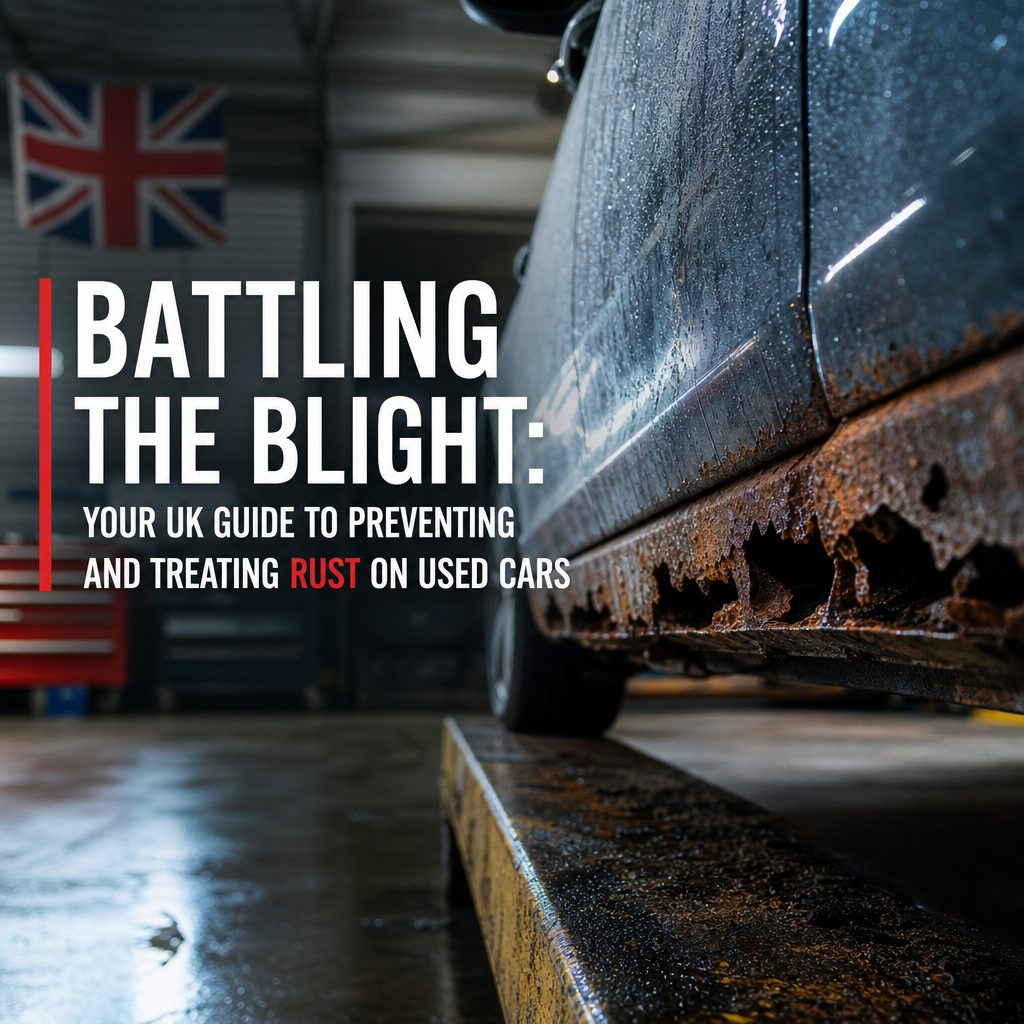
- Sills and Side Skirts: These are the long, horizontal panels beneath the doors. They are constantly bombarded by stone chips and road spray. Look for bubbling paint, especially along the bottom edge, or small patches of orange-brown staining. Check underneath the sills too, as they often have drain holes that can get clogged, trapping water.
- Wheel Arches (Inner and Outer): Both the visible lip of the wheel arch and the inner arch liner are prime targets. Tyres fling up water, salt, and grit directly into these areas. Look for flaky rust, bubbling paint, or even small perforations where the arch meets the bodywork. Mud and debris can get trapped behind arch liners, holding moisture against the metal.
- Underbody and Chassis Rails: This is arguably the most critical area. Use your torch to inspect the chassis rails (the main structural beams running front to back), subframes, suspension mounting points, and floor pan. Pay close attention to welds and seams. Surface rust on the exhaust is normal, but widespread flaking rust on structural components or brake/fuel lines is a serious concern.
- Door Bottoms, Boot Lids, and Bonnet Edges: Moisture loves to collect at the very bottom edges of doors, where the panel folds inwards, or in the seams around boot lids and bonnets. Check for bubbling paint along these edges, or visible rust where paint has chipped off. Also, look inside the door shuts.
- Suspension Components and Brake Lines: While often hidden, these vital safety components can rust. Rust on brake lines can lead to leaks and failure, while rusted suspension arms can weaken. This is harder to self-inspect thoroughly but worth noting if visible.
- Drain Holes: Many panels (doors, sills, boot wells) have small drain holes designed to let water out. If these get clogged with dirt and debris, water gets trapped, accelerating rust from the inside out.
Bubbling paint, orange or brown staining, and flaking metal are all clear indicators. If you can poke a hole through the metal with a screwdriver, it's gone beyond surface rust and requires immediate professional attention.
DIY Prevention: Protecting Your Investment
A proactive approach to rust prevention can save you significant money and headaches down the line. Many effective strategies are simple, affordable, and can be done at home:
- Regular Washing, Especially in Winter: This is your first line of defence. During winter, aim to wash your car at least once a week. Crucially, focus on the undercarriage. Many automated car washes offer an underbody wash, which is highly recommended. Otherwise, use a pressure washer to thoroughly rinse salt and grime from beneath the car, within the wheel arches, and inside the door shuts.
- Waxing and Sealing: A good quality car wax or paint sealant creates a protective barrier over your car's paintwork, making it harder for moisture and contaminants to penetrate. Apply it regularly, at least every few months, ensuring complete coverage, especially on horizontal surfaces and lower body panels.
- Affordable Rustproofing Treatments:
- Cavity Waxes (e.g., Waxoyl, Dinitrol): These are fantastic for internal protection. They are designed to be sprayed into enclosed cavities like door pillars, sills, and chassis rails (often via existing drain holes or small access points). The wax penetrates seams and forms a protective, flexible barrier that repels moisture. Many DIY kits are available and relatively straightforward to apply.
- Underseal: A rubberised underseal provides a durable, physical barrier against stone chips and road spray on the underbody. Crucially, never apply underseal over existing rust without treating it first, as it will simply seal in the moisture and accelerate corrosion. It should be applied to clean, rust-free metal, or after any existing rust has been meticulously removed and treated.
- Addressing Stone Chips Promptly: Keep a touch-up paint kit handy (matched to your car's paint code). As soon as you spot a stone chip that has gone through to the primer or bare metal, clean the area, and carefully apply the touch-up paint. This small act prevents rust from taking hold at an exposed point.
- Keeping the Interior Dry: While rust mainly affects the exterior, interior dampness can lead to hidden corrosion. Check for leaks around windows or sunroofs, dry up any spills immediately, and ensure your car mats aren't perpetually damp. If you notice condensation often, investigate the cause.
- Clear Drain Holes: Periodically check and clear any drain holes in the bottom of your doors, sills, boot well, and around the scuttle panel (below the windscreen). A small pipe cleaner or blunt tool can dislodge accumulated dirt, allowing trapped water to escape.
When to Call in the Pros: Assessing Serious Rust and Understanding Repair Options
While DIY prevention is excellent, there comes a point where rust is too advanced or in too critical an area for home remedies. Knowing when to consult a professional body shop or mechanic is vital for your safety and your car's longevity.
You should seek professional help if you notice:
- Structural Rust: Any rust on the chassis, subframe, suspension mounting points, seat belt anchorages, or steering components. This is not just cosmetic; it compromises the car's structural integrity and safety.
- Perforated Rust: If the rust has eaten completely through the metal, creating a hole. This often indicates extensive underlying corrosion.
- Extensive Panel Rust: Large areas of bubbling paint or widespread flaking on exterior panels (e.g., wings, doors, boot). While sometimes cosmetic, it can hide deeper issues.
- Rust on Critical Systems: Rust affecting brake pipes, fuel lines, or exhaust mounts requires immediate professional attention.
Professional Repair Options:
- Cutting Out and Welding in New Metal: This is the correct, permanent solution for structural rust or significant perforation. A skilled welder will carefully cut away the rusted section and precisely weld in a new piece of metal, restoring the strength and integrity of the panel or chassis. This is a complex job that requires specialist equipment and expertise.
- Rust Converters/Encapsulators (for minor cases): For non-structural, surface rust that hasn't perforated, a professional might use a rust converter (which chemically reacts with rust to create a stable, paintable surface) or an encapsulator (which seals the rust off from oxygen and moisture). These are often intermediate steps before painting, not a standalone repair for serious rust.
- Panel Replacement: For very badly rusted exterior body panels (e.g., wings, doors), it can sometimes be more cost-effective and produce a better finish to replace the entire panel rather than attempting extensive welding repairs.
- Specialised Rustproofing: After repairs, a professional can reapply high-quality rustproofing treatments, often using industrial-grade products and sophisticated application methods (e.g., fogging cavities) to ensure thorough, long-lasting protection.
Be aware that professional rust repairs, especially welding, can be costly. It's essential to get quotes from reputable body shops and weigh the cost against the car's overall value and your plans for ownership.
Impact on MOT and Resale Value: Why Prompt Action Matters
Ignoring rust is not just an aesthetic oversight; it has significant practical and financial ramifications in the UK.
The MOT Test
Rust is one of the most common reasons for an MOT failure. The MOT test specifically checks for rust that affects the structural integrity or safety of the vehicle. Key areas of concern for inspectors include:
- Prescribed Areas of Strength: Any significant rust (perforation or severe weakening) on the chassis, subframes, sills (especially near jacking points), suspension mounting points, and seat belt anchorages will result in an immediate fail. These components are critical for occupant safety in a collision.
- Brake Pipes and Fuel Lines: Rust that has caused any perforation or severe weakening of brake pipes or fuel lines is a dangerous failure point.
- Corrosion Affecting Function: If rust prevents the correct operation of steering, suspension, or braking components, it will also lead to a failure.
While minor, surface rust not affecting structural integrity might pass, any deep or perforating rust in a critical area will be flagged as a 'Major' or 'Dangerous' defect, requiring immediate repair.
Resale Value
Rust significantly diminishes your car's resale value, often by hundreds or even thousands of pounds.
- Visual Deterrent: Prospective buyers are immediately put off by visible rust. It suggests neglect and poor maintenance, making them question the car's overall condition and reliability, even if other aspects are sound.
- Hidden Costs: Buyers know that visible rust is often just the tip of the iceberg and anticipate expensive repair bills. They will factor this into their offer, if they make one at all.
- Safety Concerns: As highlighted by the MOT implications, rust compromises safety. No buyer wants a vehicle with questionable structural integrity.
- Reduced Market Appeal: A rust-free example of an older model will always command a premium compared to an otherwise identical car blighted by corrosion.
Addressing rust promptly, whether through DIY prevention or professional repair, preserves your car's safety, ensures it passes its MOT, and protects its value when it comes time to sell.
Conclusion
Rust is an unavoidable reality for UK used car owners, a persistent blight brought on by our damp climate and salted roads. However, it doesn't have to be a death sentence for your beloved vehicle. By understanding its causes, committing to regular inspections, implementing proactive DIY prevention, and knowing when to call in the professionals, you can significantly extend your car's lifespan, maintain its safety, ensure MOT compliance, and protect its crucial resale value. A little vigilance and care go a long way in battling the blight and keeping your used car looking good and running strong on UK roads for years to come.