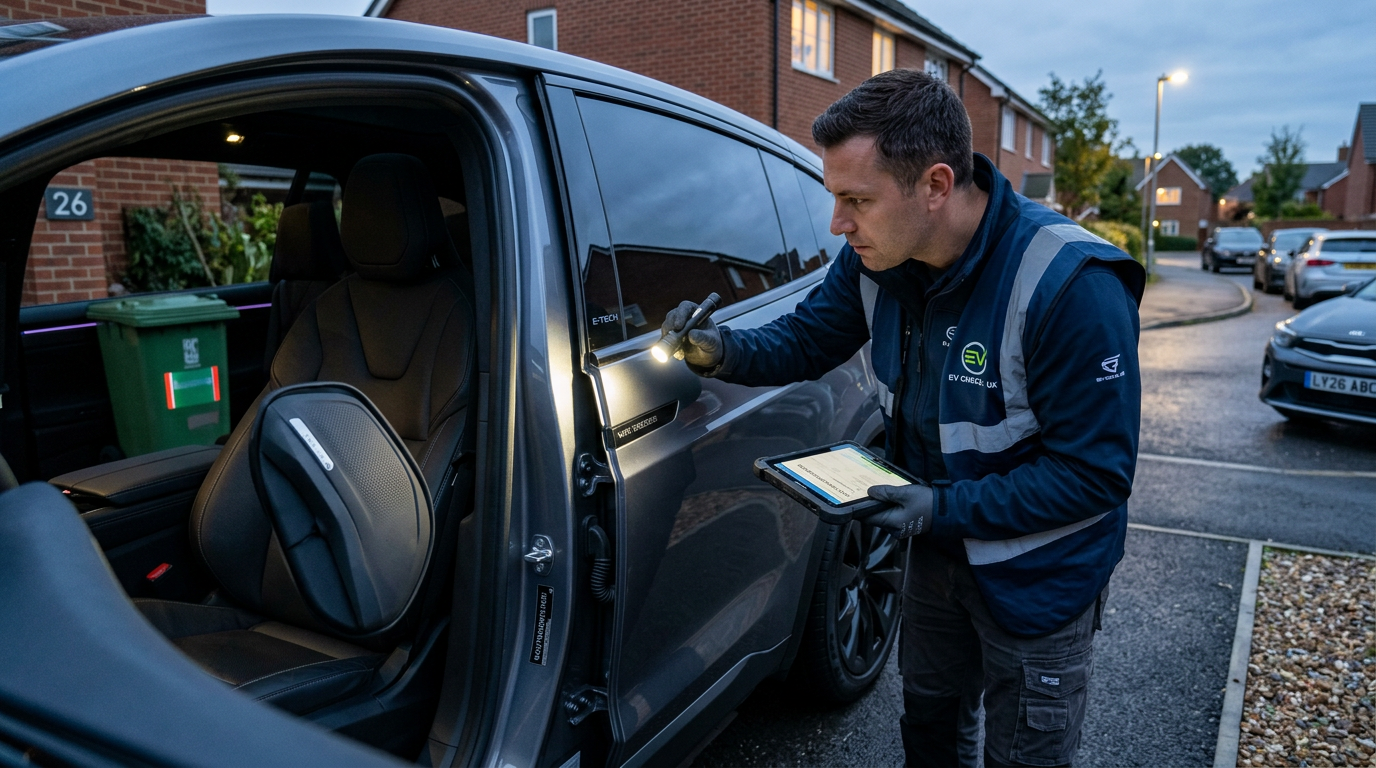
In 2026, the UK used car market is more digitalised than ever. With the widespread adoption of over-the-air updates and digital logbooks, you might think vehicle identity fraud would be a thing of the past. However, criminal sophistication has kept pace. Vehicle cloning—the practice of identity theft where a stolen car is given the identity of a legitimate, road-legal vehicle—remains a significant threat to UK buyers.
Protecting yourself requires more than just a quick glance at the V5C logbook. Reliable VIN verification is your primary line of defence. If you inadvertently purchase a cloned vehicle, you risk losing both the car and your money when the police eventually seize the asset.
What is a Cloned Vehicle?
A "clone" occurs when criminals find a vehicle of the same make, model, and colour as a stolen one. They then replicate the registration mark (number plates) and the Vehicle Identification Number (VIN). To the untrained eye—and even to some basic database checks—the stolen car appears to be the legitimate one currently parked on someone else’s driveway.
In 2026, we are seeing "high-tech cloning," where thieves attempt to overwrite the internal Electronic Control Units (ECUs) to match the stolen identity. This is why a multi-point physical and digital inspection is essential.
1. Physical VIN Verification: Where to Look
The VIN is a unique 17-character code assigned to every vehicle. In the UK, you must cross-reference this number in multiple locations to ensure they all match perfectly.
The Stamped Chassis Number
This is the most critical point of verification. Unlike a sticker, the stamped chassis number is die-stamped directly into the vehicle's frame.
- Location: Usually found on the floorpan (near the driver or passenger seat), under the bonnet on the suspension turret, or on the door pillar.
- What to look for: Look for signs of tampering. Are the numbers uneven? Is there fresh paint or sanding marks around the area? In 2026, some manufacturers use laser-etching; ensure the font matches the manufacturer's standard exactly.
The Windscreen VIN
Most modern cars feature a "visible VIN" at the base of the windscreen on the near side (passenger side).
- The Trap: Criminals often place a fake strip over the real VIN. Check for any slight misalignment or "bubbling" of the plastic strip.
Hidden VINs
Manufacturers hide VINs in obscure locations to thwart cloners. These can be under carpets, inside the boot lining, or even within the infotainment software sub-menus. At CarsLink.ai, we always recommend cross-referencing these hidden locations during a pre-purchase inspection.
2. The Digital Handshake: Checking the V5C and DVLA
Since the 2025 DVLA digital transformation, the V5C "logbook" remains a vital document, though many owners now opt for the Digital V5C.
| Feature | What to Verify |
|---|---|
| V5C Serial Number | Ensure it matches the latest issue on the DVLA database. |
| Registered Keeper | Does the seller’s ID match the name and address on the document? |
| Watermarks | If it's a paper V5C, hold it to the light to check for the 'DVA' or 'DVLA' watermark and the "void" pattern if photocopied. |
| VIN on V5C | Does the 17-digit code on the document match the stamped chassis number on the car? |
3. Technology in 2026: The OBD-II Check
In 2026, mechanical checks aren't enough. Modern cars are "computers on wheels." A sophisticated cloner might change the plates and the stamped VIN but forget the digital footprint.
Using a smartphone-based OBD-II (On-Board Diagnostics) scanner, you can pull the "Digital VIN" directly from the car's Engine Control Unit (ECU). If the VIN displayed on your phone screen differs from the one stamped on the chassis, walk away immediately. You are looking at a cloned vehicle.
4. Red Flags: Beyond the Numbers
Vehicle identity fraud often leaves a trail of inconsistent "human" evidence. Be wary if:
- The Price is Too Good: In the 2026 market, where used car values remain resilient due to high EV tech costs, a "bargain" that is 30% below market value is a red flag.
- Multiple Recent Transfers: Check the V5C history. Has the car changed hands several times in the last few months?
- Meeting in Public Spaces: Always view the car at the registered keeper’s home address. Never meet in a motorway service station or a quiet car park.
- Cash-Only or Crypto Payments: Legitimate dealers and private sellers in the UK will accept bank transfers or offer PCP/HP finance options. Total anonymity is the cloner's best friend.
5. The Role of Vehicle History Checks
A comprehensive history check is non-negotiable. While a basic check confirms the car isn't written off, a premium check in 2026 includes:
- Mileage Anomalies: Cloners often "clock" vehicles to match the identity of the target car.
- Number Plate Changes: Frequent plate transfers can be used to mask a car's true history.
- Finance Status: Ensure there is no outstanding PCP or Hire Purchase agreement on the legitimate identity, which could lead to repossession later.
Summary Checklist for UK Buyers
To ensure you aren't a victim of vehicle identity fraud, follow this 2026 safety protocol:
- Verify the Stamped VIN: Inspect the physical chassis number for tampering.
- Match the Windscreen VIN: Compare it to the stamped version and the V5C.
- Digital Scan: Use an OBD-II tool to check the ECU's internal VIN.
- Check the V5C: Ensure the document is the most recent version and check for legitimate watermarks.
- Verify the Seller: Match their ID to the address where the car is kept.
- Utilise CarsLink.ai: Use our platform to compare market valuations and find verified listings that reduce your risk exposure.
Final Thoughts
The UK used car security landscape is constantly evolving. In 2026, the combination of physical VIN verification and digital diagnostics is your best tool for spotting a clone. Remember, if a deal feels wrong, or if the stamped chassis number looks even slightly suspicious, it is better to lose the "deal" than to lose your entire investment.
Looking for a used car you can trust? Visit CarsLink.ai today to browse verified listings and access our latest UK car buying guides. Safe driving starts with a secure purchase.