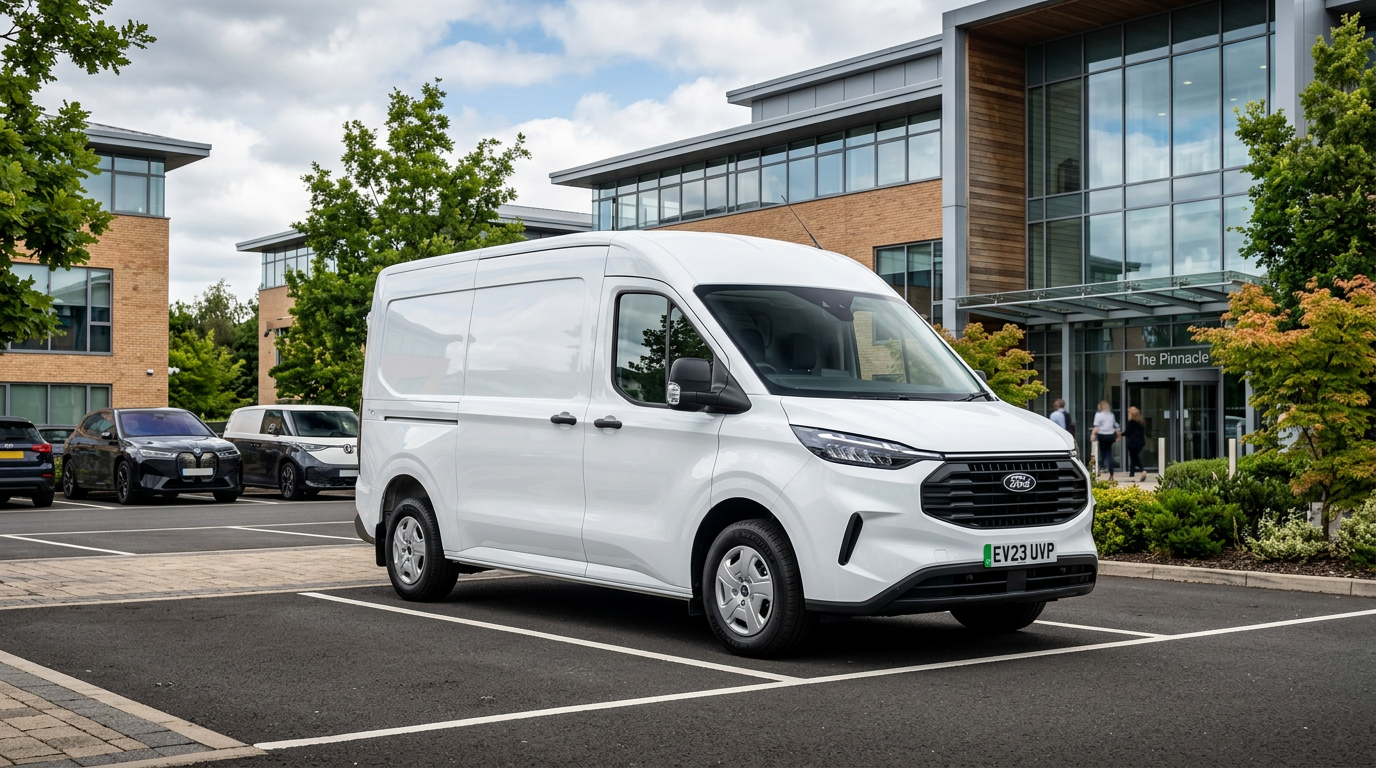
In the current economic landscape of April 2026, the UK commercial vehicle market has undergone a significant transformation. With the widespread adoption of electric drivetrains and the tightening of Clean Air Zones (CAZ) across major cities like Birmingham, Bristol, and Greater Manchester, choosing the right finance method for your fleet is no longer just about the monthly payment—it’s about tax efficiency, residual value risk, and operational flexibility.
For small business owners and fleet managers alike, the decision usually boils down to two primary paths: Personal Contract Purchase (PCP) and Hire Purchase (HP). While these terms are familiar to the car market, their application in the commercial sector—where VAT, payload requirements, and annual mileages are critical—requires a much more nuanced approach.
Understanding Commercial Vehicle PCP in 2026
Personal Contract Purchase (often referred to simply as 'Commercial PCP' in the trade) has seen a resurgence in 2026. This is largely due to the volatility in used prices for high-end electric vans like the Mercedes-Benz eSprinter or the Ford E-Transit.
With a PCP, you aren't paying for the full value of the van. Instead, you pay for the depreciation over a fixed term (usually 24 to 48 months). At the end of the term, you have the "Balloon Payment" (Guaranteed Minimum Future Value - GMFV).
The Benefits for Businesses
- Lower Monthly Overheads: By deferring a large portion of the cost to the end, your monthly cash flow is preserved—ideal for growing businesses.
- Hedge Against Tech Obsolescence: If battery technology improves significantly by 2029, you can simply hand the van back and upgrade, leaving the finance company to deal with any drop in residual value.
- Flexibility: You can choose to buy the van, return it, or trade it in if it has positive equity.
The Case for Van Hire Purchase (HP)
Hire Purchase remains the "old reliable" of the commercial world. In 2026, this is still the preferred route for businesses intending to keep their vehicles for the long haul (5-10 years) or those who put extremely high mileage on their vans—conditions that would lead to heavy excess mileage charges on a PCP or lease.
With HP, you pay a deposit (usually the VAT amount) and then pay off the remaining balance in equal monthly instalments. Once the final payment is made, the van is yours.
Why HP Still Dominates the Trade Sector
- No Mileage Restrictions: If your crew is doing 30,000 miles a year between London and Glasgow, HP is safer than PCP.
- Asset Ownership: The van appears on your balance sheet from day one.
- Simple Budgeting: Fixed interest rates mean no surprises, regardless of how the Bank of England base rate fluctuates in late 2026.
VAT Registered Van Finance: The Critical Difference
If your business is VAT registered, the way you handle the "tax man" is a vital part of the PCP vs HP debate. In most commercial HP and PCP agreements, the VAT on the total purchase price is payable upfront as part of the deposit.
| Feature | Commercial PCP | Hire Purchase (HP) |
|---|---|---|
| Upfront VAT | Usually 100% of the VAT | 100% of the Total VAT |
| Monthly Cost | Lower (depreciation-based) | Higher (full capital repayment) |
| End of Term | Option to Buy, Return, or Swap | Automatic Ownership |
| Mileage Limits | Yes (strict penalties) | No |
| Capital Allowances | Yes (varies by contract) | Yes (100% usually available) |
Note: In 2026, VAT reclaim rules remain stringent. Always ensure your V5C matches the name on the finance agreement and your VAT registration.
Business Van Tax Relief 2026: Maximising Deductions
Since the 2025 Autumn Statement, the UK government has maintained generous tax incentives for businesses moving toward zero-emission fleets. Under Full Expensing, companies can often claim 100% first-year capital allowances on new and unused electric vans.
- PCP & Tax: You can generally claim the interest element of the monthly payments as a business expense. If the contract is structured as an 'operating lease' style PCP, you might also deduct a portion of the monthly rental.
- HP & Tax: Because you are the "economic owner," you can often claim the Full Expensing allowance on the total equipment value in the first year, provided the van is new. This can result in a massive reduction in Corporation Tax for the year of purchase.
Payload and Practicality: Beyond the Finance
When searching for your next vehicle on platforms like CarsLink.ai, which uses advanced AI to filter through thousands of UK dealer listings, you must consider how your finance choice matches your operational needs.
- Luton & Tipper Conversions: These specialised vehicles often hold their value differently than standard panel vans. HP is frequently better here as "unique" wear and tear on a tipper's hydraulic system can lead to disputes during a PCP return inspection.
- Euro 6 and ULEZ Compliance: By 2026, many UK cities have expanded their Low Emission Zones. If you are financing a used diesel van, ensure it is at least Euro 6 (Stage D or E) to avoid daily charges of £12.50 or more.
- Electric Van Range: If choosing PCP, be realistic about your range. A cold UK winter can drop an electric van's range by 20-30%. If the van can't do the job, you don't want to be tied into a 48-month HP deal.
The 2026 Verdict: Which should you choose?
Choose PCP if:
- You want the latest electric van technology with the lowest monthly cost.
- You want to upgrade your fleet every 3 years to maintain a professional brand image.
- Your annual mileage is predictable (under 15,000 miles per year).
Choose HP if:
- You want full ownership and no "balloon" payment at the end.
- Your vans work hard, cover high distances, and may suffer 'heavy' industrial wear.
- You want to take full advantage of immediate capital allowances to reduce your tax bill.
Whatever your choice, the 2026 market offers more variety than ever. From the ubiquitous Ford Transit to the latest Chinese-manufactured MAXUS electric offerings, finding the right vehicle at the right price is the first step.
Ready to upgrade your fleet? Use CarsLink.ai today to search the UK’s most comprehensive database of commercial vehicles. Our AI-driven search helps you find the specific load lengths (L2H2, L3H3) and payload capacities your business needs to stay profitable in 2026.