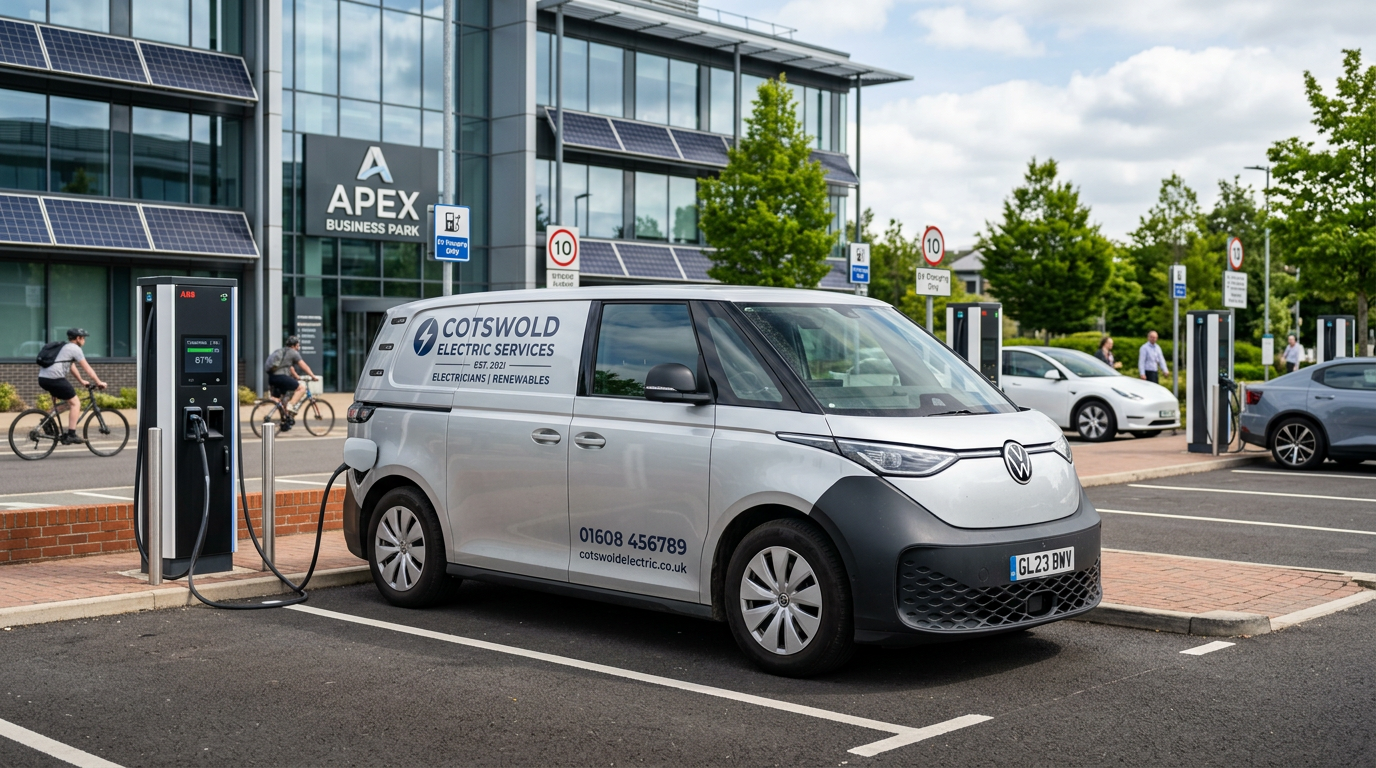
As we move through 2026, the UK’s transition to electric commercial vehicles has reached a tipping point. With the ZEV mandate now in full swing and inner-city Clean Air Zones (CAZ) becoming stricter across Manchester, Birmingham, and London, the humble diesel panel van is increasingly sidelined for urban operations.
Enter the Volkswagen ID. Buzz Cargo. When it first launched, it was a style icon; today, it is a staple of the second-hand market. But does it actually make sense for a small business owner in 2026? We dive into whether a used VW ID. Buzz Cargo is the smartest investment for your fleet this year.
The 2026 Perspective: Why Buy a Used ID. Buzz Cargo Now?
In 2023 and 2024, the ID. Buzz Cargo was a premium-priced novelty. Fast forward to 2026, and the first wave of three-year business PCP van leases are ending. This has flooded the used market with well-maintained, one-owner examples.
Depreciation—the enemy of the first owner—is now the friend of the small business buyer. You can now pick up a 77kWh model for a fraction of its original £48,000+ VAT price tag, making the total cost of ownership (TCO) incredibly competitive against a diesel Transporter or Transit Custom.
Electric Van Range in 2026: Real-World Performance
One of the biggest concerns for any van buyer is "range anxiety." However, the ID. Buzz Cargo has aged gracefully.
Equipped with a 77kWh (net) battery, the ID. Buzz Cargo launched with a WLTP range of approximately 254 miles. In 2026, even after 40,000 miles, most units retain over 95% of their battery health.
2026 Range Expectation Table
| Driving Condition | Expected Range (Full Load) | Expected Range (Empty) |
|---|---|---|
| Urban (Stop/Start) | 210 Miles | 245 Miles |
| Combined (UK A-Roads) | 185 Miles | 215 Miles |
| Motorway (70mph) | 150 Miles | 175 Miles |
For small businesses operating within a 50-mile radius of their base, the electric van range in 2026 offered by the Buzz Cargo is more than sufficient for two days of work without needing a tether.
Payload and Load Volume: Form Over Function?
This is where the ID. Buzz Cargo faces its toughest test. Unlike a LWB Ford Transit Custom, the ID. Buzz is built on the MEB platform. It’s designed for agility and style, which brings some compromises.
- Load Volume: 3.9m³ (enough for two Euro pallets).
- Payload: Roughly 650kg (depending on spec).
- Configuration: Only available as a SWB (Short Wheelbase) panel van currently in the used market.
If you are a heavy hauler—perhaps a florist, mobile mechanic, or high-end courier—the 650kg payload is adequate. However, if you are carrying bags of sand or heavy machinery, you might find the low payload restrictive. At CarsLink.ai, we often advise fleet operators to check their average weighbridge tickets before switching from a 1.0-tonne diesel to a 0.6-tonne EV.
EV Van Running Costs UK: The 2026 Breakdown
The financial argument for a used ID. Buzz Cargo in 2026 is compelling, especially when considering EV van running costs in the UK.
- VED (Road Tax): While the exemption for EVs has ended, the rates for electric vans remain more favorable than high-emission Euro 6 diesels.
- Maintenance: With no oil changes, timing belts, or complex DPF filters to worry about, servicing costs are typically 30-40% lower than a diesel equivalent.
- Fueling: Charging at a depot or home overnight on a dynamic TOU (Time of Use) tariff remains significantly cheaper than DERV.
- ULEZ/CAZ: With London’s ULEZ and other cities’ LEZs becoming even more aggressive by mid-2026, the ID. Buzz Cargo guarantees free entry into every UK city centre.
What to Look for When Buying Used
When inspecting a used ID. Buzz Cargo, the traditional mechanic's checklist is replaced by a digital one:
- Battery Health Report: Always ask for a state-of-health (SOH) certificate. Any reputable dealer should provide this.
- Software Version: Ensure the infotainment has been updated to the latest 2026 firmware to avoid the "laggy" interface issues early models faced.
- Tyre Wear: EVs are heavy and high-torque. Check the inner treads of the rear tyres specifically.
- V5C and Warranty: Most ID. Buzz models will still be within their 8-year/100,000-mile battery warranty. Ensure the V5C is present and the service history is logged digitally with VW.
Business PCP and Financing Your Buzz
For many small businesses, a direct purchase isn't as tax-efficient as business PCP vans. By 2026, finance companies have a much better handle on the residual values of electric vans. This means monthly payments on a used ID. Buzz Cargo are often lower than many expected, as the "guaranteed future value" (GFV) has stabilised.
Choosing a PCP deal through a platform like CarsLink.ai allows you to preserve your cash flow while benefiting from the 100% first-year capital allowances (if applicable to your business structure) that the government uses to incentivise EV adoption.
Verdict: Is it the Best 2026 Small Business Buy?
There is no van on the market that boosts a company’s "green credentials" quite like the ID. Buzz Cargo. It is a rolling billboard for your business.
Pros:
- Unrivalled image and branding potential.
- Exceptional driver comfort and car-like refinement.
- Strong residual values compared to budget EV vans.
- Fully ULEZ/CAZ compliant.
Cons:
- Lower payload than a traditional 1.0-tonne van.
- Used prices are still higher than an equivalent Vauxhall Vivaro Electric.
If your business prioritises urban agility, low running costs, and a premium brand image, then the used VW ID. Buzz Cargo is arguably the best small business purchase you can make in 2026. However, if your daily life involves heavy timber or long-distance motorway towing, you might still need to wait for the next generation of solid-state battery vans.
Ready to Upgrade Your Fleet?
Searching for the perfect electric van for your business? Browse our latest listings and expert valuation tools at CarsLink.ai to find the right deal on a used VW ID. Buzz Cargo today.