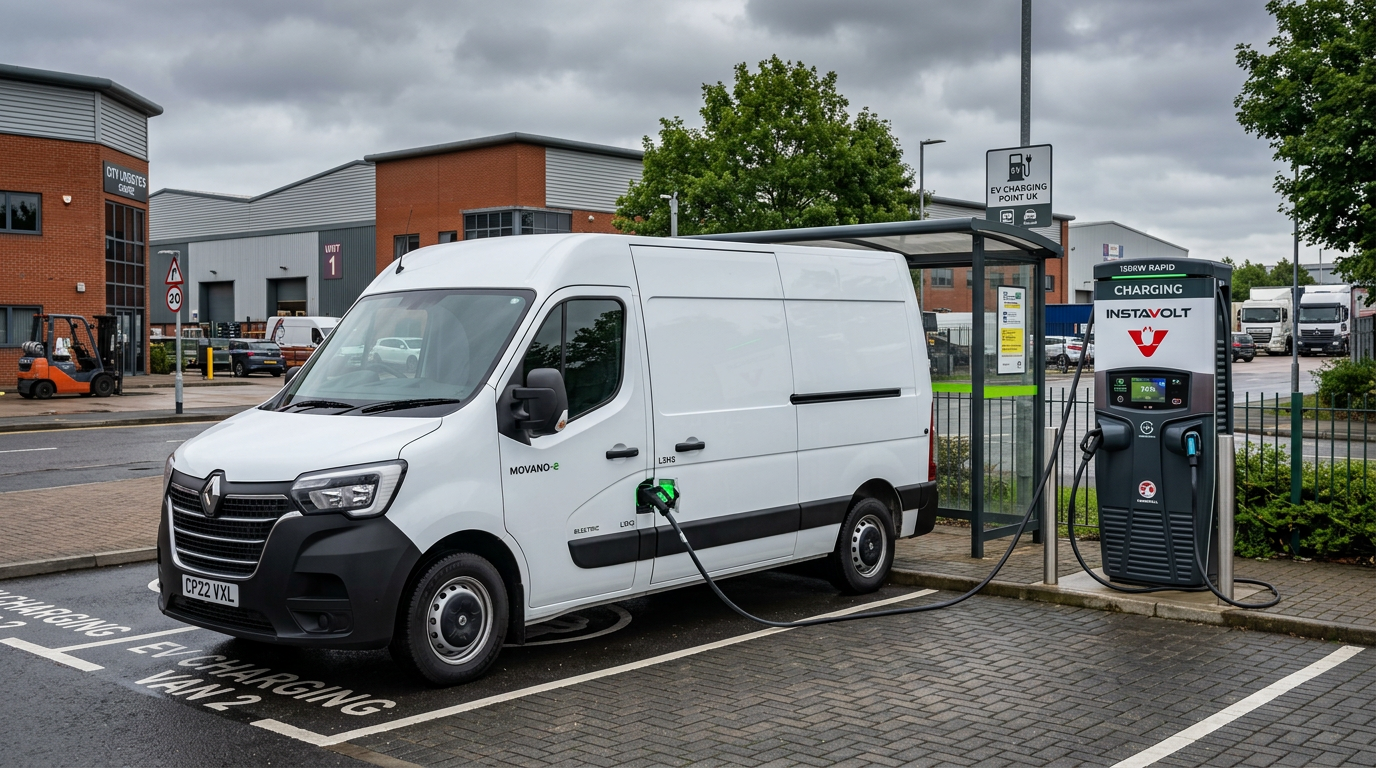
As we move deeper into 2026, the shift towards electrification in the UK commercial vehicle sector has reached a tipping point. While the initial focus was on small urban runabouts, the second-hand market for heavy-duty electric vans has finally matured. At the forefront of this movement is the Vauxhall Movano-e.
For UK fleet operators and sole traders looking to dodge tightening Clean Air Zones (CAZ) and London’s expanded ULEZ, a used Movano-e represents a strategic investment. However, buying a large electric van requires a different checklist than a traditional diesel. This guide explores everything you need to know about purchasing a used Vauxhall Movano-e in 2026.
The Evolution of the Movano-e
It is important to distinguish which "Movano" you are looking at. Before 2021, the Movano shared a platform with the Renault Master. The Movano-e we are discussing here is the Stellantis-era model (introduced late 2021/early 2022), which shares its architecture with the Peugeot e-Boxer, Citroën ë-Relay, and Fiat E-Ducato.
By 2026, the market has a healthy stock of 3-to-4-year-old examples coming off original PCH (Personal Contract Hire) or PCP cycles. This makes it an ideal time to check CarsLink.ai for competitive inventory.
Range and Battery Options: What’s Realistic?
When browsing the used market, you will encounter two primary battery sizes. In 2026, understanding the degradation of these units is vital for your route planning.
| Battery Size | Official WLTP Range | Realistic 2026 Range (Used) | Best Use Case |
|---|---|---|---|
| 37kWh | 73 Miles | 50–60 Miles | Urban delivery / Last-mile |
| 70kWh | 139 Miles | 100–115 Miles | Regional / Multi-stop |
Note: Always check the SOH (State of Health) of the battery during a pre-purchase inspection. While Stellantis batteries have proven durable, heavy payload usage and constant rapid charging can impact longevity.
Understanding Electric Van Payload & Volume
One of the biggest hurdles for used EV van guides in 2026 is the weight penalty. Batteries are heavy, which traditionally eats into your payload. However, the Movano-e benefits from the UK government's concession allowing Category B (car) licence holders to drive alternatively-fuelled vehicles up to 4.25 tonnes (provided they have completed the mandatory 5 hours of training).
Load Dimensions (L3H2 LWB Example)
The Long-Wheelbase (LWB) L3H2 configuration is the "Goldilocks" zone for many UK businesses:
- Load Volume: 13.0 m³
- Maximum Payload: Approx. 1,150kg (for 3.5t models) or up to 1,500kg+ (for 4.25t models)
- Internal Length: 3,705mm
- Internal Height: 1,932mm
Be sure to check the V5C document for the "Revenue Weight." If it is 4,250kg, remember that you may be subject to different MOT rules and potentially O-licence requirements if used for hire and reward, though electric vans currently enjoy some exemptions.
Charging at the Depot and on the Road
If you are buying a used Movano-e in 2026, you likely already know that the UK's charging infrastructure has improved significantly. The Movano-e supports:
- AC Charging: 7.4kW (standard wallbox) takes approx. 6–12 hours depending on battery size.
- DC Rapid Charging: Up to 50kW. While not the fastest by 2026 standards, it can charge the 70kWh battery from 0-80% in about an hour.
Pro Tip: Check if the previous owner upgraded the on-board charger (OBC) to the 22kW version, which significantly speeds up AC charging at public destination stations.
2026 Buyer’s Checklist: What to Look For
Buying a used electric commercial vehicle isn't just about the tread on the tyres. Here is what to inspect:
1. Battery State of Health (SOH) Report
Ask the dealer or seller for a diagnostic printout. In 2026, a 4-year-old Movano-e should ideally retain 90% or more of its original capacity.
2. Suspension Wear
Because the Movano-e is heavier than its diesel counterpart even when empty, the suspension components (bushes, struts, and springs) work harder. Listen for knocks or "clonks" during the test drive.
3. Charging Port Condition
The Type 2/CCS port can suffer from wear and tear. Check for scorched pins or a locking mechanism that feels "sticky."
4. Regenerative Braking Performance
The Movano-e uses regenerative braking to recoup energy. Ensure the transition between "regen" and physical friction braking feels smooth. If it feels "grabby," it may require a software update.
The Cost of Ownership in 2026
While the initial purchase price of a used Movano-e is higher than a diesel Movano, the total cost of ownership (TCO) often tip in favour of electric:
- Road Tax (VED): While EVs are no longer £0 rated in 2026, they still often sit in lower tax brackets for LCVs compared to high-emission diesels.
- Congestion Charge/ULEZ: Total exemption remains a primary driver for London-based fleet operators.
- Servicing: With fewer moving parts (no oil filters, cambelts, or AdBlue systems), annual servicing costs are typically 30-40% lower.
Is the Movano-e Right for Your Business?
The Vauxhall Movano-e is a "heavy-hitter" in every sense. It offers one of the most practical, square load bays in the industry, making it perfect for racking and parcel delivery.
However, if your business involves constant motorway trunking from Leeds to London, the 139-mile range (official) might still be a limitation. But for regional distribution, tradespeople working within the M25, or fleet operators looking to meet ESG targets, a used Movano-e is a stellar choice.
When searching for your next vehicle, platforms like CarsLink.ai provide the data and transparency needed to compare electric van payloads and specifications accurately.
Final Verdict
The Vauxhall Movano-e is a robust, "no-nonsense" workhorse. By 2026, the second-hand market has stabilised, offering great value for those ready to move away from diesel. Ensure you choose the battery size that fits your daily mileage, verify the 4.25-tonne licence requirements, and you’ll have a future-proof van ready for another decade of service.
Ready to electrify your fleet? Search 1000s of commercial vehicle listings and find your perfect used Vauxhall Movano-e on CarsLink.ai today.