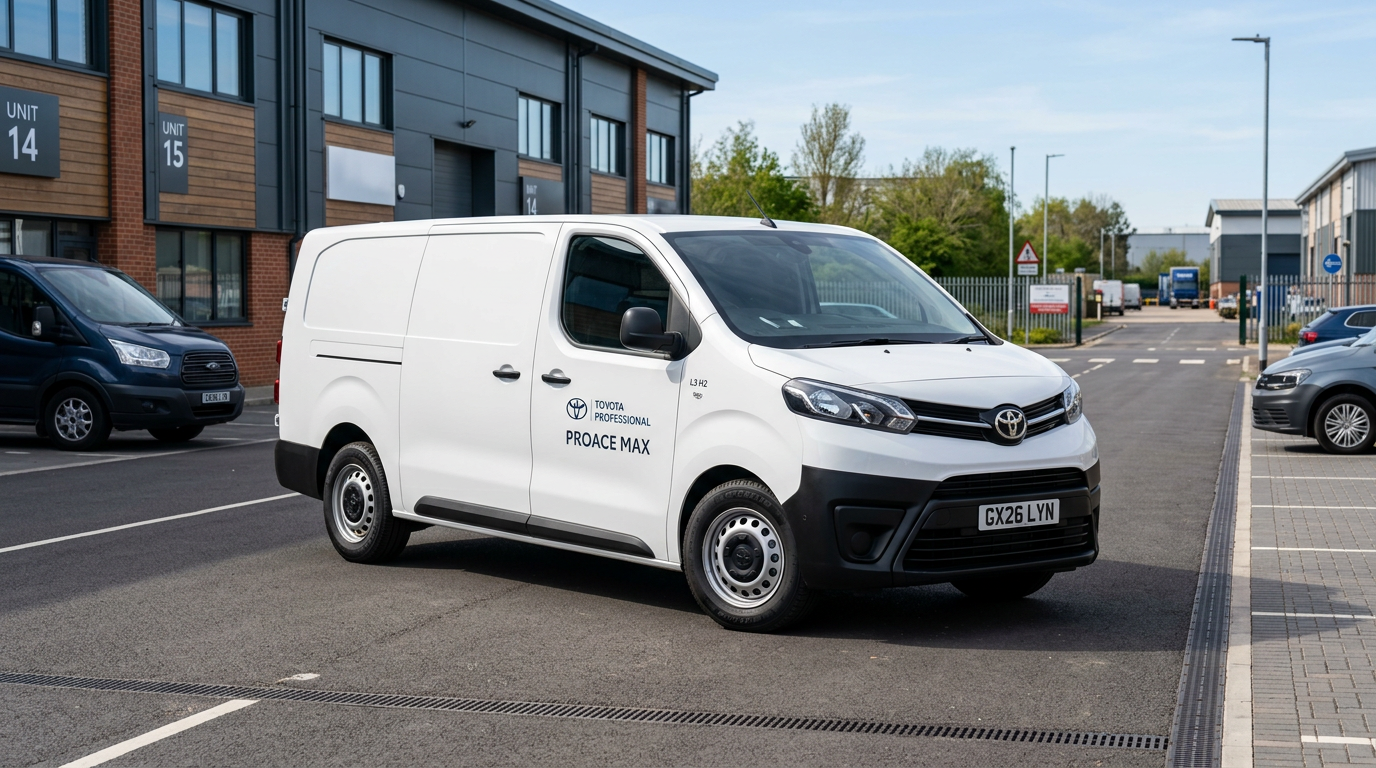
With the shifting landscape of 2026 UK road transport, fleet operators and independent tradespeople are increasingly looking for the ‘sweet spot’ of reliability and load capacity. While the Stellantis family of large vans has long dominated the market, the arrival of the Toyota Proace Max has shaken up the heavy LCV segment.
As Toyota’s first foray into the 3.5t-4.25t heavy van category, the Proace Max is now hitting the used market in significant numbers. This 2026 buyer’s guide explores why this large van—available in both Diesel and BEV (Battery Electric Vehicle) formats—is becoming a top choice for those looking to bypass the teething issues of rival platforms.
The Toyota Proace Max: A New Heavyweight Contender
The Proace Max completes the 'Proace' trio, sitting above the medium Proace and the compact Proace City. It is a shared platform with the Peugeot Boxer, Citroën Relay, and Fiat Ducato, but with a crucial difference: the Toyota Relax Warranty.
For used van buyers in 2026, the Toyota version often commands a slight premium over its siblings because of this warranty, which can extend up to 10 years or 100,000 miles provided it is serviced within the Toyota network. When browsing CarsLink.ai, you’ll find that "Toyota Professional" certified used stock remains some of the fastest-moving inventory in the UK.
Body Styles and Dimensions
The Proace Max was designed to be versatile. Whether you require a standard panel van or a specialist conversion like a Luton, Tipper, or Dropside, the platform supports it all.
Van Payload Guide and Volume
| Configuration | Load Volume (m³) | Max Payload (Diesel) | Max Payload (Electric) |
|---|---|---|---|
| L2H2 (MWB) | 10.0m³ | ~1,450kg | ~1,200kg |
| L3H2 (LWB) | 13.0m³ | ~1,380kg | ~1,100kg |
| L4H3 (XLWB) | 17.0m³ | ~1,250kg | ~980kg |
Note: Payloads vary based on specific trim levels and the 4,250kg GVW derogation for Electric LCVs.
2026 Powertrain Options: Diesel vs. Electric
1. The 2.2-litre Diesel (Euro 6e)
For long-haul logistics and heavy towing, the 2.2-litre diesel remains the king. In 2026, these engines are fully Euro 6e compliant, meaning they are ULEZ exempt and clear for all UK Clean Air Zones (CAZ).
- Power: 120hp to 180hp options.
- Transmission: 6-speed manual or a smooth 8-speed automatic.
- Best for: Motorway trekking and operators who cannot yet rely on the UK’s charging infrastructure for 300+ mile days.
2. The Proace Max Electric (BEV)
By 2026, the large electric vans market has matured. The Electric Proace Max features a 110kWh battery, providing a real-world range of approximately 180-220 miles depending on the load.
- Charging: Supports up to 150kW DC fast charging (10-80% in roughly 45 minutes).
- The 4.25t Derogation: Thanks to UK law, drivers with a standard Category B license can drive the electric Proace Max up to 4,250kg (rather than the usual 3,500kg) to compensate for battery weight, provided they have completed the mandatory 5 hours of additional training.
Operating in 2026: ULEZ, Road Tax, and O-Licence
Buying a used Proace Max involves more than just a monthly PCP or HP payment. You must consider the total cost of ownership (TCO).
- V5C and Road Tax: Check the V5C carefully. Heavy LCVs (over 3,500kg) may fall into different tax brackets. In 2026, even electric vans have lost some of their VED (Road Tax) exemptions, though they remain significantly cheaper to 'fuel' than diesel alternatives.
- O-Licence Requirements: If you are operating a Proace Max as part of a business and it exceeds 3.5 tonnes (relevant for some XLWB or conversion versions), ensure you are compliant with Operator Licensing regulations, especially if crossing international borders.
- MOT: Ensure any used Proace Max older than three years has a fresh MOT certificate. Pay close attention to suspension bushings and brake wear, as large vans often carry heavy loads that accelerate wear on these components.
What to Look for When Buying Used
When inspecting a Proace Max on the forecourt, keep these 2026-specific tips in mind:
- AdBlue System (Diesel): Check the service history for any sensors replaced under warranty. The Stellantis-derived AdBlue systems have seen improvements, but they still require high-quality fluid and regular use to avoid crystallisation.
- Infotainment and ADAS: The Proace Max comes with a 10-inch touchscreen. Ensure the software is updated to the latest version. In 2026, Advanced Driver Assistance Systems (ADAS) like Lane Keep Assist and Traffic Sign Recognition are standard—ensure no warning lights are present on the dash.
- The Battery Health (Electric): If buying the BEV version, ask for a Battery Health Certificate. A 2024 or 2025 model should still retain over 95% of its original capacity.
- Cargo Area Condition: Look for "ply-lining" status. A van used for heavy construction will show more wear on the wheel arches and floor than one used for "last-mile" parcel delivery.
Why the Toyota Proace Max is the "Smart" Used Choice
While the Mercedes-Benz Sprinter is often seen as the "prestige" choice, the Toyota Proace Max wins on value and peace of mind. By sourcing a used model through a platform like CarsLink.ai, you benefit from a vehicle that is cheaper to maintain than a Sprinter or VW Crafter, but offers a better warranty package than a Ford Transit.
Its wide-opening rear doors (up to 270 degrees) and low load sill make it a favourite for pallet loading. For the 2026 van buyer, it represents a pragmatic, high-volume solution that bridges the gap between traditional diesel power and the electric future.
Conclusion
The Toyota Proace Max is a formidable heavy LCV that has proven its worth in the mid-2020s. For used buyers, the combination of a massive 17m³ potential load volume, a modern electric drivetrain option, and the legendary Toyota reliability makes it a "must-consider" on any shortlist.
Ready to find your next heavy LCV? Browse the latest listings and compare finance options for the Toyota Proace Max at CarsLink.ai—the UK's premier destination for professional van buyers and fleet operators.