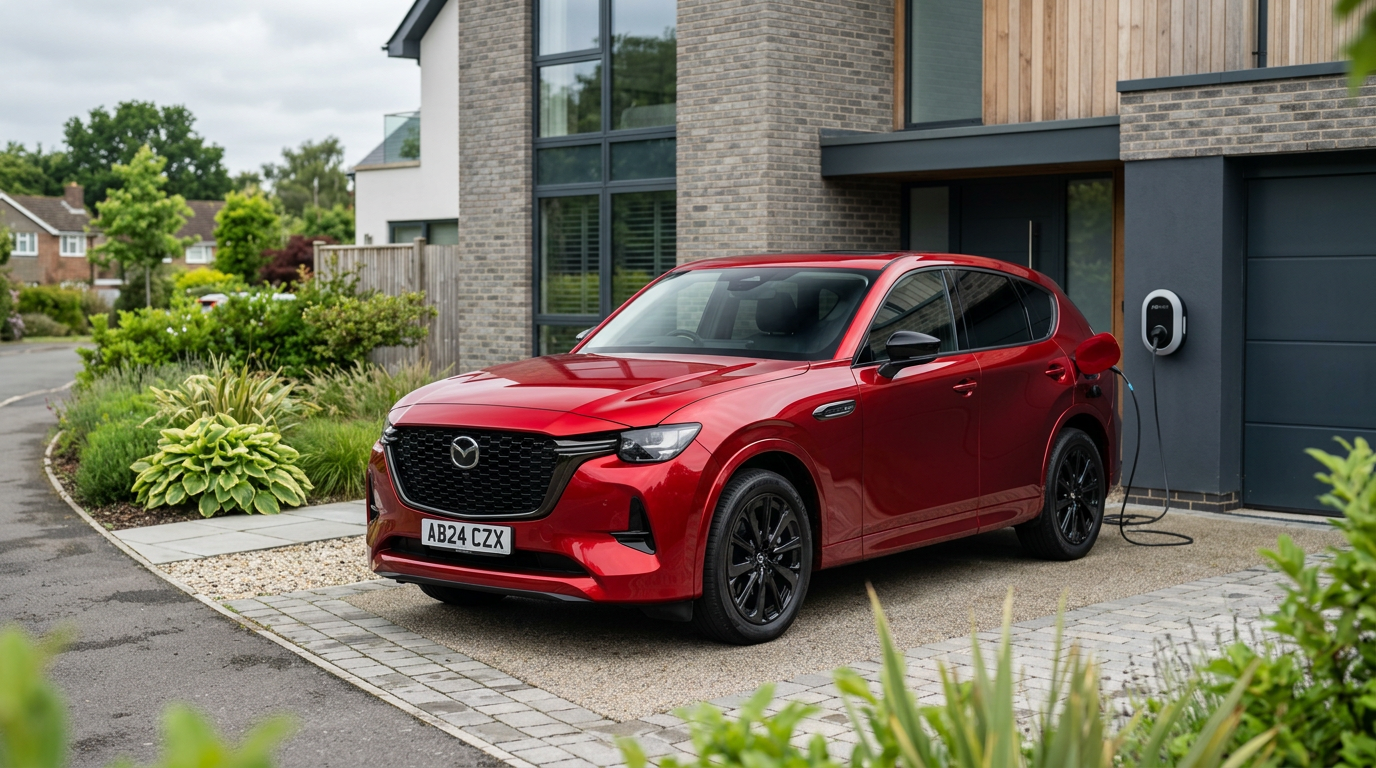
The Mazda CX-60 arrived as a bold statement of intent. Launched in 2022, it was the vehicle that officially transitioned Mazda into the 'premium' segment, taking the fight directly to the BMW X3 and Volvo XC60. Fast forward to 2026, and the CX-60 has become one of the most intriguing propositions on the UK used car market.
Whether you are looking for long-distance diesel efficiency or a tax-efficient Plug-in Hybrid (PHEV), the CX-60 offers a unique Japanese take on luxury. However, as it approaches four years on UK roads, there are specific quirks, software updates, and mechanical nuances you need to know before putting your money down.
The Powertrain Dilemma: PHEV vs Diesel
In 2026, the choice between the 2.5-litre PHEV and the 3.3-litre e-Skyactiv D (Diesel) is more defined than ever.
1. The 2.5 PHEV (Plug-in Hybrid)
This was Mazda’s first-ever PHEV. It combines a 2.5-litre four-cylinder petrol engine with an electric motor to produce a combined 322bhp.
- The Pro: If you can charge at home, the roughly 39-mile electric-only range is perfect for zero-emission commuting, helping you avoid London’s ULEZ charges or similar Clean Air Zone fees in Birmingham or Bristol.
- The Con: Early models faced criticism for a "clunky" transition between electric and petrol power. Ensure any 2022 or 2023 model you buy has had its powertrain control module (PCM) software updated.
2. The 3.3 e-Skyactiv D (Inline-Six Diesel)
At a time when most manufacturers were killing off diesel, Mazda released a brand-new 3.3-litre straight-six. It is an engineering masterpiece, available in 200bhp (RWD) or 254bhp (AWD) outputs.
- The Pro: Real-world economy is staggering. It is not uncommon to see 55-60mpg on a motorway run. For high-mileage drivers, it is arguably the best engine in its class.
- The Con: VED (Road Tax) can be higher than the PHEV, and it doesn't offer the same "benefit-in-kind" (BIK) advantages if you are purchasing through a limited company.
Engine Comparison Table
| Specification | 2.5 PHEV | 3.3 Diesel (254) |
|---|---|---|
| Drivetrain | AWD | AWD |
| 0-62 mph | 5.8 Seconds | 7.4 Seconds |
| Electric Range | 39 Miles (WLTP) | N/A |
| Fuel Economy | 188.3 mpg (Weighted) | 53.3 mpg (WLTP) |
| Towing Capacity | 2,500 kg | 2,500 kg |
Driving Dynamics: What to Check on a Test Drive
Mazda is known for the "Jinba Ittai" (horse and rider as one) philosophy, but the CX-60 had a rocky start regarding ride quality.
The Suspension Issue: Early 2022 and 2023 models were noted for a firm, sometimes unsettled rear suspension over UK potholes. By late 2024, Mazda had quietly revised the dampers and springs. When browsing CarsLink.ai, look for 2024-plate cars or later for the most comfortable ride. If buying an older model, check the service history to see if the upgraded Koni dampers were fitted as an aftermarket improvement—a common enthusiast upgrade.
Transmission: The 8-speed automatic gearbox uses a multi-plate clutch instead of a torque converter. In 2026, we’ve seen that these can be slightly "grabby" at low speeds. During your test drive, perform several low-speed manoeuvres and check for any shudders or inconsistent shifts.
Interior, Tech and Trim Levels
The CX-60’s cabin is its crowning glory, especially in the higher trims. In 2026, the tech still feels modern, thanks to Mazda's refusal to move everything to a touchscreen, opting instead for a tactile rotary controller which is safer to use on the move.
- Exclusive-Line: The entry point but well-equipped. Includes LED headlights and a reversing camera.
- Homura: The "sporty" choice with blacked-out trim and leather.
- Takumi: The flagship. Features white Nappa leather and "Kakenui" stitching. Be warned: the white fabric on the dashboard looks stunning but requires a careful previous owner to stay clean.
2026 Reliability and Common Issues
Based on four years of data, here is what a used buyer needs to inspect:
- 12V Battery Drain: Some early PHEVs suffered from the 12V battery draining if left for long periods. Ensure the car has had the latest software patch to manage power draw.
- Infotainment Glitches: Wireless Apple CarPlay/Android Auto could be temperamental on earlier builds.
- Tyre Wear: Being a heavy SUV (especially the PHEV), check the inner edges of the tyres. Uneven wear can suggest the alignment has been knocked out by one too many UK speed bumps.
- Recall History: Check the DVLA website using the registration number to ensure all recalls—ranging from steering rack inspections to software updates—have been completed.
Running Costs in 2026
Road Tax (VED): Remember that since the CX-60 lists for over £40,000, it is subject to the "Premium Car Tax" supplement until it is six years old. Factor an additional £400+ per year into your budget on top of the standard rate.
Insurance: The CX-60 sits in insurance groups 36 to 42. Check your quotes early, as SUV insurance premiums in the UK have seen a rise through 2025.
Servicing: Maintenance follows a 12,500-mile or 12-month schedule. Ensure the V5C logbook or digital service record is up to date. Using a specialist platform like CarsLink.ai can help you verify the history of vehicles listed by reputable UK dealers.
Verdict: Should You Buy One?
The Mazda CX-60 is a thinking person’s luxury SUV. It offers a level of interior craftsmanship that truly rivals Range Rover, but with the legendary reliability history of a Japanese brand.
- Buy the PHEV if: You have a driveway with a charger and your daily commute is under 30 miles.
- Buy the Diesel if: You are a caravan tower, a motorway cruiser, or simply want one of the most efficient six-cylinder engines ever made.
In 2026, a two or three-year-old CX-60 represents a massive saving over its original list price, making it one of the best high-end used buys on the market.
Ready to find your next Mazda? Browse the latest inspected listings on CarsLink.ai today.